Charging an electric vehicle seems as routine as plugging in your phone. But beneath that convenience lies powerful electrical systems, live currents, and, if you ignore the EV charging station safety, real hazards.
EV charging stations are designed with safety in mind. Yet, like any electrical infrastructure, they demand respect, regular maintenance, and proper usage. Whether you own a home charger or rely on public ones, understanding the risks and safety protocols helps keep your vehicle, your property, and yourself safe.
We break down the common safety concerns, regulatory requirements, and best practices that should shape every EV charging experience. You can learn more in another article: How Do EV Charging Stations Work? A Complete Guide.

Electrical Safety Standards and Code Compliance
The foundation of charging station safety begins with strict adherence to electrical codes and standards.
The National Electrical Code (NEC) in the United States provides comprehensive requirements for EV charging equipment installation, covering everything from circuit protection to grounding systems.

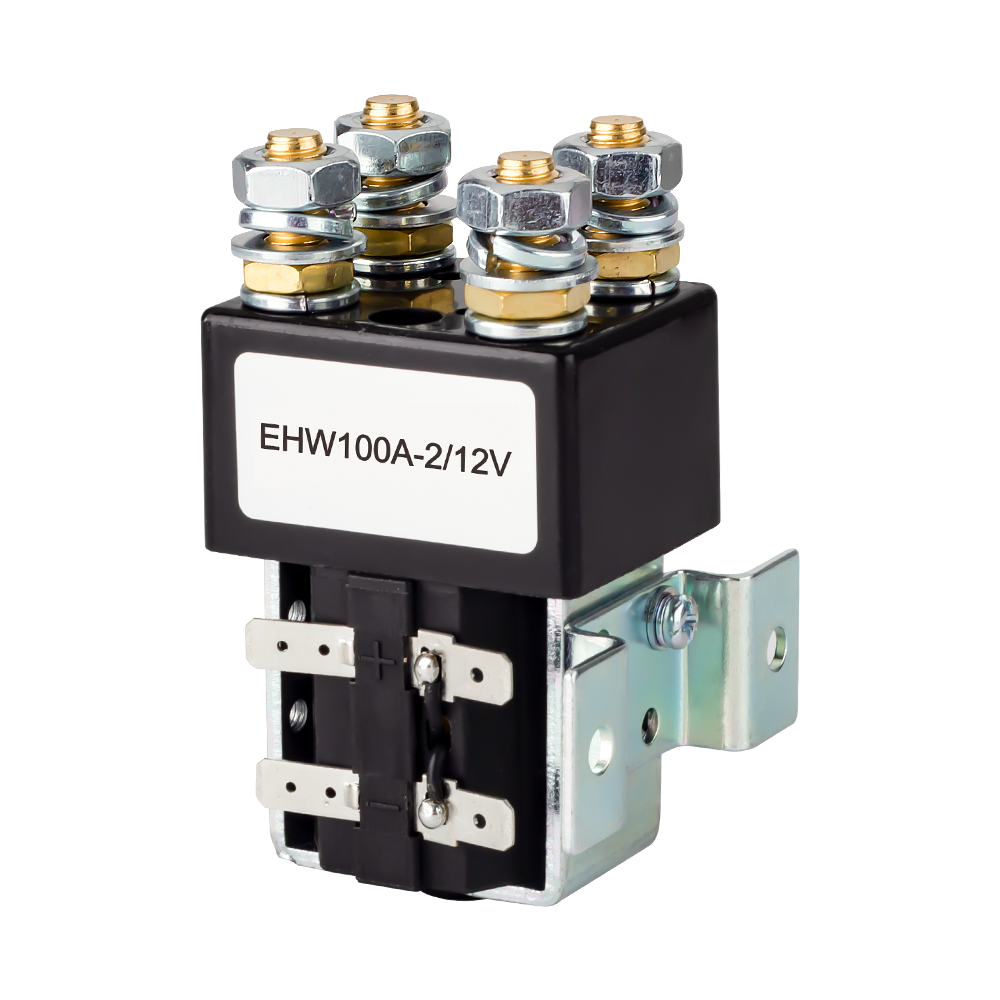
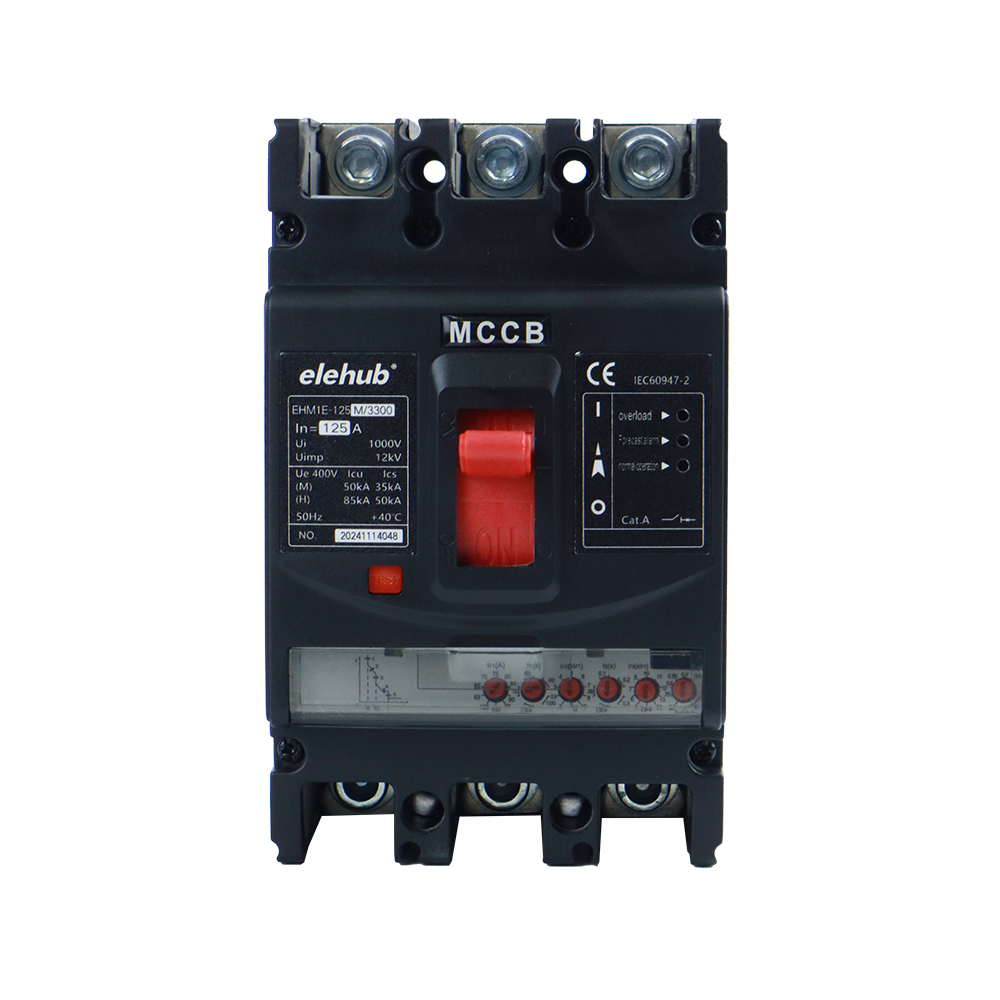
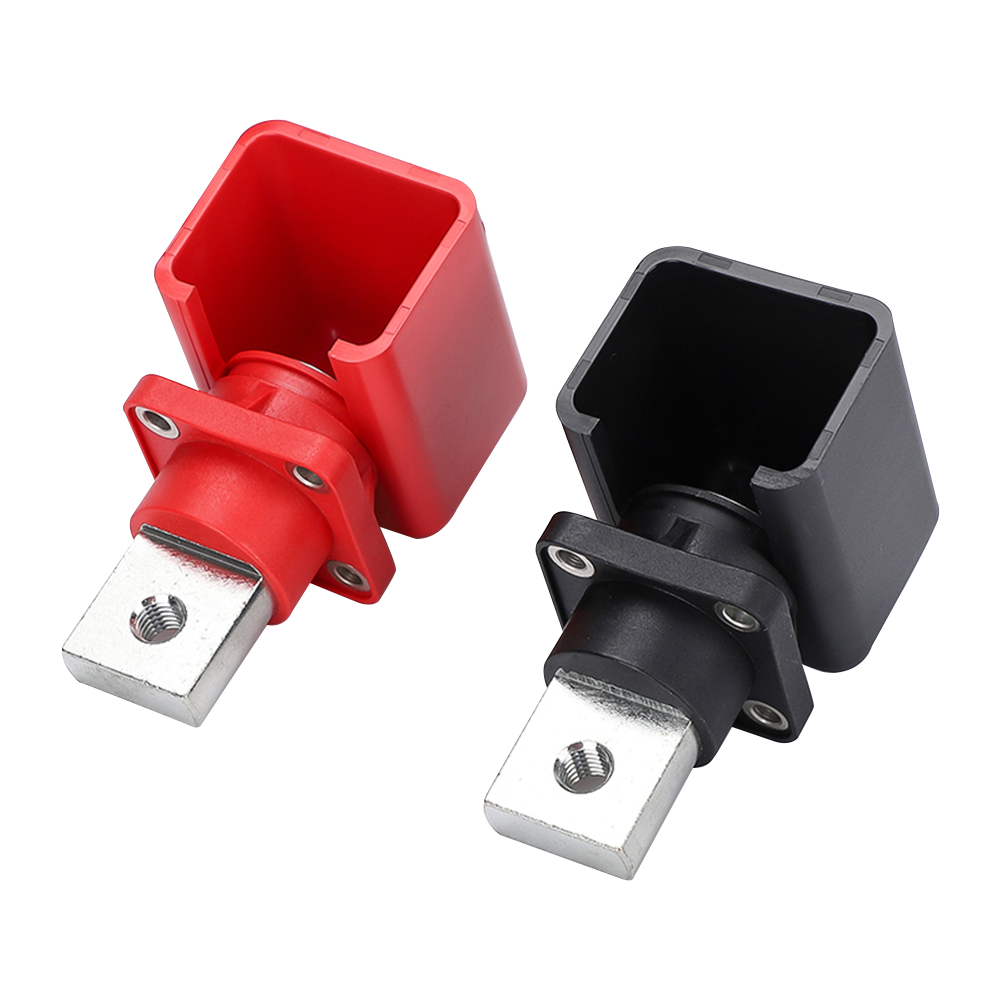
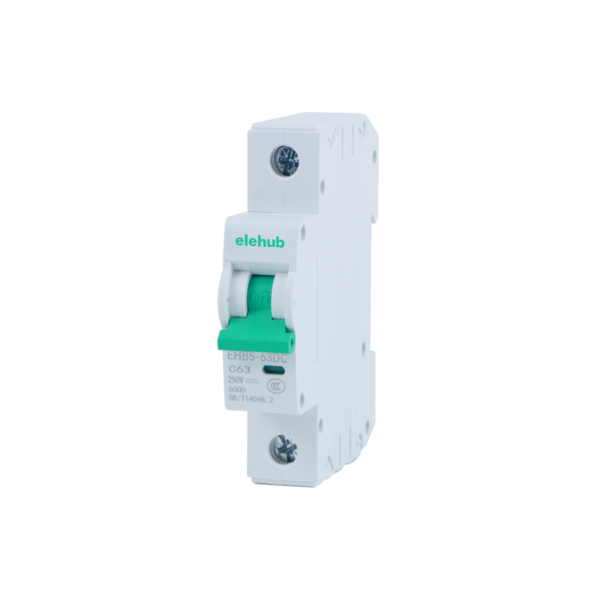
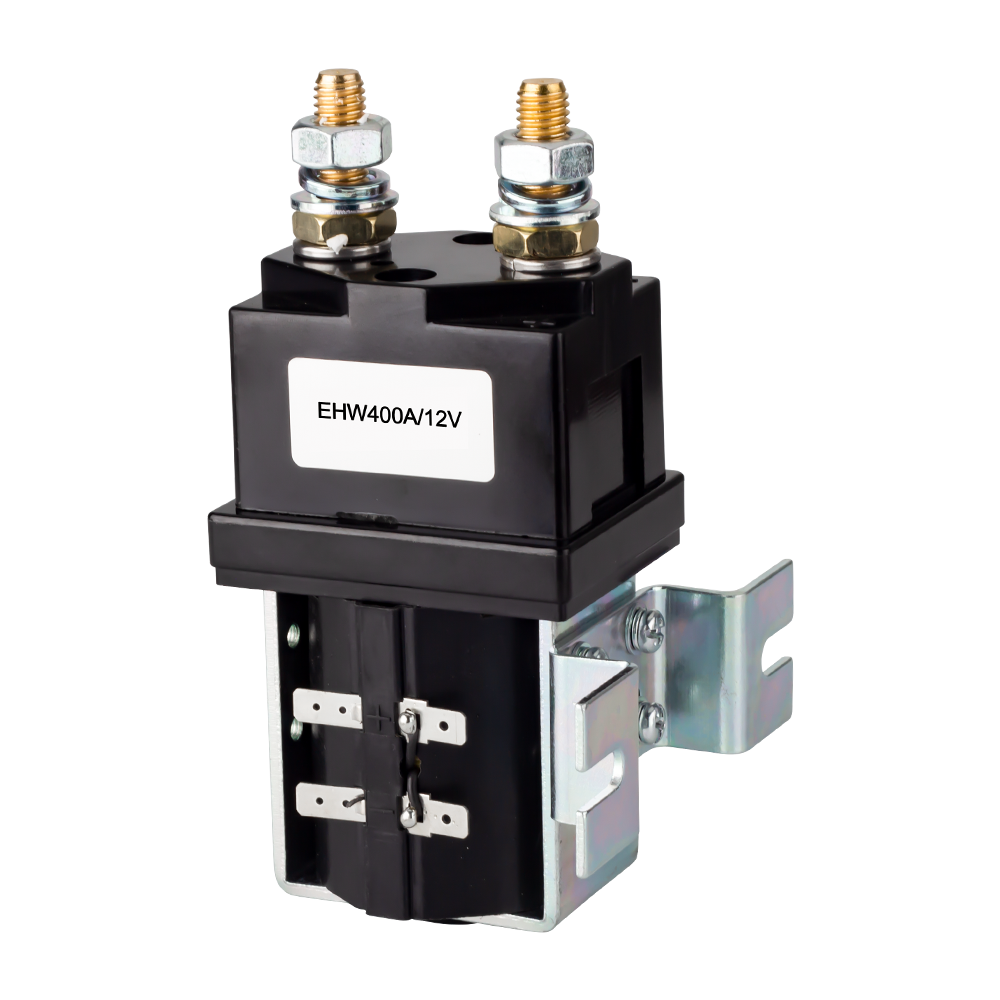
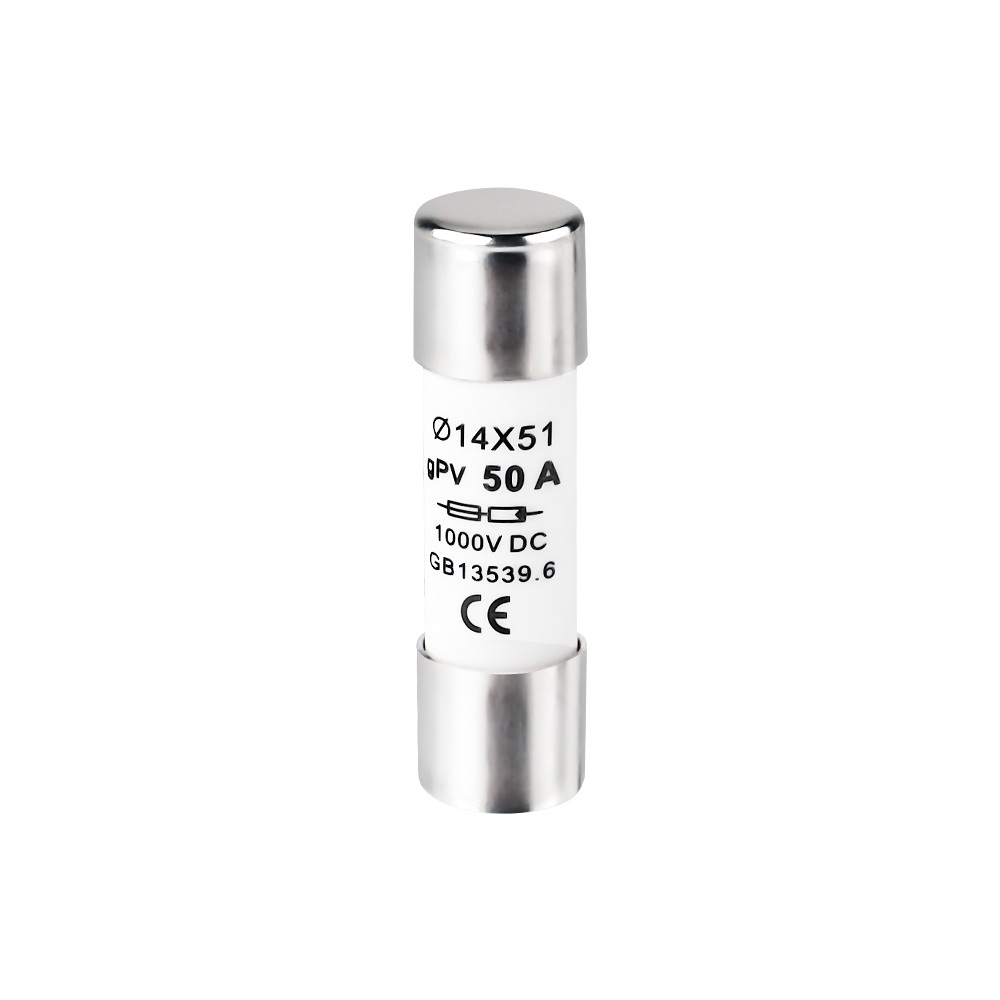
Key to these safety measures are DC electrical components such as:
- DC Fuses, which provide fast, one-time protection from overcurrent events.
- Circuit breakers offer resettable protection from overloads or short circuits.
- DC isolators, which allow safe disconnection of high-voltage DC circuits during maintenance or emergencies.
Also, ground fault circuit interrupters (GFCI) represent the first line of defense against electrical shock. These devices continuously monitor electrical current flow and immediately shut off power when they detect even minor imbalances that could indicate current leaking to ground. For EV charging stations, GFCI protection is mandatory and must respond within milliseconds of detecting a fault condition.
Arc fault circuit interrupters (AFCI) protect against dangerous electrical arcs that could ignite fires. These sophisticated devices analyze electrical waveforms and can distinguish between normal operational arcs (like those in motor brushes) and dangerous arcs caused by damaged wiring or loose connections.
Overcurrent protection through properly sized circuit breakers prevents electrical fires and equipment damage. Charging stations require dedicated circuits with amperage ratings matched to the station’s maximum power output. A 40-amp charging station, for example, requires a 50-amp circuit breaker to provide an appropriate safety margin.
Temperature monitoring systems continuously track heat levels throughout the charging process.
Excessive heat can indicate loose connections, overloaded circuits, or failing components. Modern charging stations include multiple temperature sensors that can reduce charging current or shut down the system entirely if dangerous temperatures are detected.
Installation Safety Requirements
Proper installation forms the cornerstone of charging station safety. Licensed electricians must perform all electrical connections, following local electrical codes and manufacturer specifications.
This requirement exists because improper installation represents the most common cause of charging-related safety incidents.
Grounding and bonding systems create multiple paths for fault currents to safely reach earth ground. The charging station enclosure, all metal conduits, and the vehicle being charged must be properly bonded together and connected to the electrical system’s grounding electrode. This bonding prevents dangerous voltage differences that could cause shock or electrocution.
Electrical panel upgrades often become necessary when installing charging stations. Many homes lack sufficient electrical capacity for high-power charging equipment. Professional assessment of existing electrical service prevents overloading circuits and reduces fire risk.
Clearance requirements specify minimum distances between charging equipment and combustible materials, windows, doors, and walkways. These requirements prevent accidental contact with energized parts and provide safe access for emergency responders.
Weather protection standards address the challenges of outdoor installations. Charging stations must withstand rain, snow, ice, and temperature extremes while maintaining safe operation. Enclosures carry IP (Ingress Protection) ratings that specify their resistance to water and dust intrusion.
Physical Safety Features and Design
Modern charging stations incorporate numerous physical safety features that protect users from electrical and mechanical hazards.
These features operate automatically and require no user intervention to provide protection.
Emergency stop buttons shut off all power instantly—relying on DC disconnection hardware behind the scenes.
Cable management systems prevent trip hazards and protect charging cables from damage. Retractable cable systems, overhead supports, and floor-mounted cable guides keep charging cables organized and out of walkways. Damaged cables represent serious safety hazards and must be removed from service immediately.
Connector safety features prevent unsafe disconnection during charging. Most charging connectors include locking mechanisms that secure the connector to the vehicle until charging completes safely. Attempting to disconnect a connector under load could create dangerous electrical arcs.
Impact protection shields critical components from vehicle collisions and vandalism. Concrete bollards, steel barriers, and reinforced enclosures protect charging equipment from accidental damage that could create safety hazards.
Lighting systems provide adequate illumination for safe nighttime charging. Well-lit charging areas reduce trip hazards, improve personal security, and help users properly connect charging equipment. Motion-activated lighting conserves energy while ensuring illumination when needed.
User Safety Protocols and Procedures
Safe charging practices require users to follow specific procedures designed to prevent accidents and damage to equipment. These protocols address common user errors that could create dangerous situations.
Pre-charging inspection involves checking the charging cable for visible damage before connecting to the vehicle. Cracked insulation, bent connectors, or burned areas indicate potential safety hazards. Damaged equipment should never be used and must be reported to the station operator immediately.
Proper connection procedures require users to connect the charging cable to the vehicle before initiating the charging session. This sequence prevents accidental contact with energized connectors and reduces arc formation during connection.
Weather considerations affect charging safety, particularly during storms or extreme temperatures. Users should avoid charging during lightning storms and be aware that extreme cold can affect connector flexibility and battery performance.
Personal protective equipment, while not typically required for normal charging operations, becomes important during emergency situations. Insulated gloves and safety glasses may be necessary when working around damaged equipment or during emergency response activities.
Fire Safety and Prevention

Fire prevention represents a critical aspect of charging station safety, given the high electrical power levels involved. Multiple systems work together to detect, prevent, and suppress fires before they can spread.
Thermal monitoring systems track component temperatures throughout the charging infrastructure. Charging stations include temperature sensors on power electronics, connections, and cables that can detect dangerous heat buildup before fires start.
Automatic fire suppression systems in some installations provide a rapid response to fire events. These systems use clean agents or water mist to extinguish fires without damaging electrical equipment or creating additional hazards.
Fire-resistant materials in charging station construction help contain fires and prevent their spread to adjacent structures. Enclosures, cable insulation, and mounting materials must meet specific fire resistance ratings based on installation location and local fire codes.
Emergency response planning involves coordination with local fire departments to ensure proper procedures for electrical fires. First responders need specialized training to safely address charging station fires, which may involve high-voltage electrical systems.
Regulatory Standards and Certifications
Multiple organizations establish and enforce safety standards for EV charging equipment. Understanding these standards helps ensure proper equipment selection and installation.
Underwriters Laboratories (UL) standards, particularly UL 2594 for EV charging equipment, specify comprehensive safety requirements. UL-listed charging stations have undergone extensive testing for electrical safety, fire resistance, and environmental durability.
Society of Automotive Engineers (SAE) standards address communication protocols and connector design. These standards ensure compatibility between vehicles and charging equipment while maintaining safety requirements.
International Electrotechnical Commission (IEC) standards provide global safety requirements for charging equipment. IEC 61851 specifically addresses electric vehicle charging systems and safety requirements.
Federal Communications Commission (FCC) certification addresses electromagnetic compatibility. Charging stations must not interfere with radio communications and must be immune to electromagnetic interference that could affect safety systems.
Maintenance and Inspection Requirements

Regular maintenance and inspection programs prevent safety hazards from developing over time. These programs address normal wear and environmental effects that could compromise safety systems.
Scheduled inspections include testing of all safety systems, verification of proper grounding, and examination of cables and connectors for damage. Professional technicians should perform these inspections in accordance with manufacturer recommendations and local codes.
Preventive maintenance procedures include cleaning of electrical connections, testing of ground fault protection devices, and calibration of safety monitoring systems. These procedures prevent minor issues from developing into serious safety hazards.
Documentation requirements mandate keeping detailed records of all maintenance activities, safety tests, and equipment modifications. These records demonstrate compliance with safety standards and help identify recurring problems.
Emergency Response and Incident Management
Comprehensive emergency response procedures address various incident types that could occur at charging stations. These procedures protect users and first responders while minimizing equipment damage.
Electrical emergency procedures cover situations involving electrical shock, equipment fires, and power system failures. These procedures specify immediate response steps, emergency contact information, and coordination with utility companies.
Medical emergency protocols address situations where users may require medical attention near charging equipment. These protocols ensure that emergency medical services can safely access patients near energized electrical equipment.
Equipment failure responses cover situations involving damaged charging equipment, cable failures, and safety system malfunctions. These responses prioritize user safety while preserving evidence for incident investigation.
Why DC Protection Matters—and Who Powers It
As electric vehicle charging continues to scale globally, the reliability and safety of DC electrical components become even more critical. From rooftop solar EV chargers to high-capacity DC fast charging hubs, it’s these components—fuses, breakers, isolators, surge protectors—that silently guard against failures.
That’s where ELEHUB Electric comes in.
As a trusted supplier of high-performance DC protection components, ELEHUB provides the backbone for safe EV charging infrastructure.
Some product lines include:
- DC fuses tailored for EV and renewable applications
- DC circuit breakers are designed for high-voltage environments
- Isolator switches for secure maintenance and emergency handling
Built to meet global standards and tested for long-term durability, ELEHUB components power some of the most demanding EV charging systems in the world.
Visit ELEHUB.com to explore our product solutions and learn how we can support the safety and scalability of your EV charging projects.