


Creepage vs Clearance: Key Differences in Electrical Insulation
Creepage and clearance are two fundamental measurements used in electrical insulation design. Both define the…
ELEHUB is a leading Ceramic High-Voltage DC Contactor manufacturer. Our ceramic HVDC contactors utilize ceramic insulators to offer superior thermal and electrical properties, ideal for high-voltage applications. They ensure optimal performance in electric vehicles and energy storage systems by providing efficient switching and enhanced safety in high-temperature environments.

| Model | Image | Rated Current | Rated Voltage | Rated Coil Voltage | Contact Arrangement | Auxiliary Contact |
|---|---|---|---|---|---|---|
| HES300 |  |
300A | 1000V, 1500VDC | 12V, 24VDC | 1 Form, SPST-NO | SPST-NO (Optional) |
| HES350 |  |
350A | 1000V, 1500VDC | 12V, 24VDC | 1 Form, SPST-NO | SPST-NO (Optional) |
| HES400 |  |
400A | 1000V, 1500VDC | 12V, 24VDC | 1 Form, SPST-NO | SPST-NO (Optional) |
| HES500 |  |
500A | 1000V, 1500VDC | 12V, 24VDC | 1 Form, SPST-NO | SPST-NO (Optional) |
| HES600 |  |
600A | 1000V, 1500VDC | 12V, 24VDC | 1 Form, SPST-NO | SPST-NO (Optional) |
| HES750 |  |
750A | 1000V, 1500VDC | 12V, 24VDC | 1 Form, SPST-NO | SPST-NO (Optional) |
| HES800 |  |
800A | 1000V, 1500VDC | 12V, 24VDC | 1 Form, SPST-NO | SPST-NO (Optional) |
| HPC20 |  |
20A | 450VDC | 12V, 24VDC | 1 Form, SPST-NO | SPST-NO (Optional) |
| HPC40 | 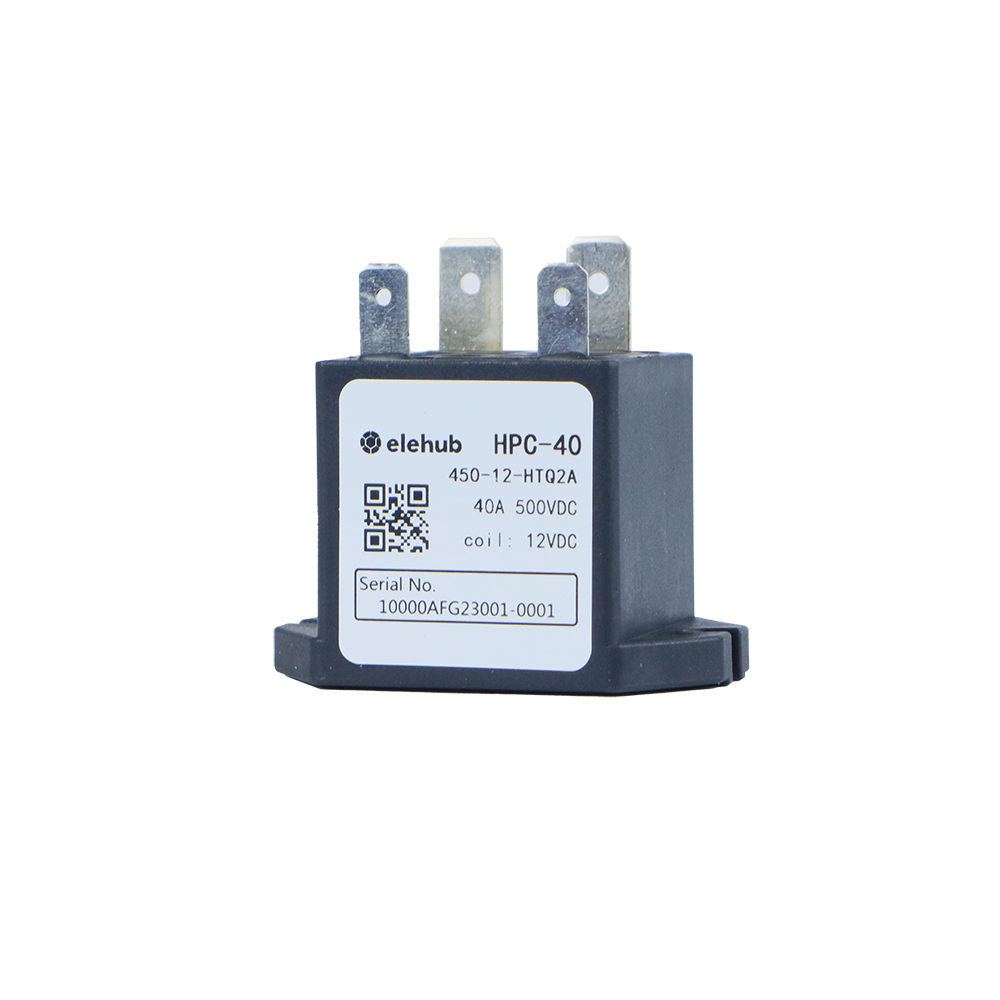 |
40A | 450VDC | 12V, 24VDC | 1 Form, SPST-NO | SPST-NO (Optional) |
| HEV150 |  |
150A | 450V, 750VDC | 12V, 24VDC | 1 Form, SPST-NO | SPST-NO (Optional) |
| HEV200 | 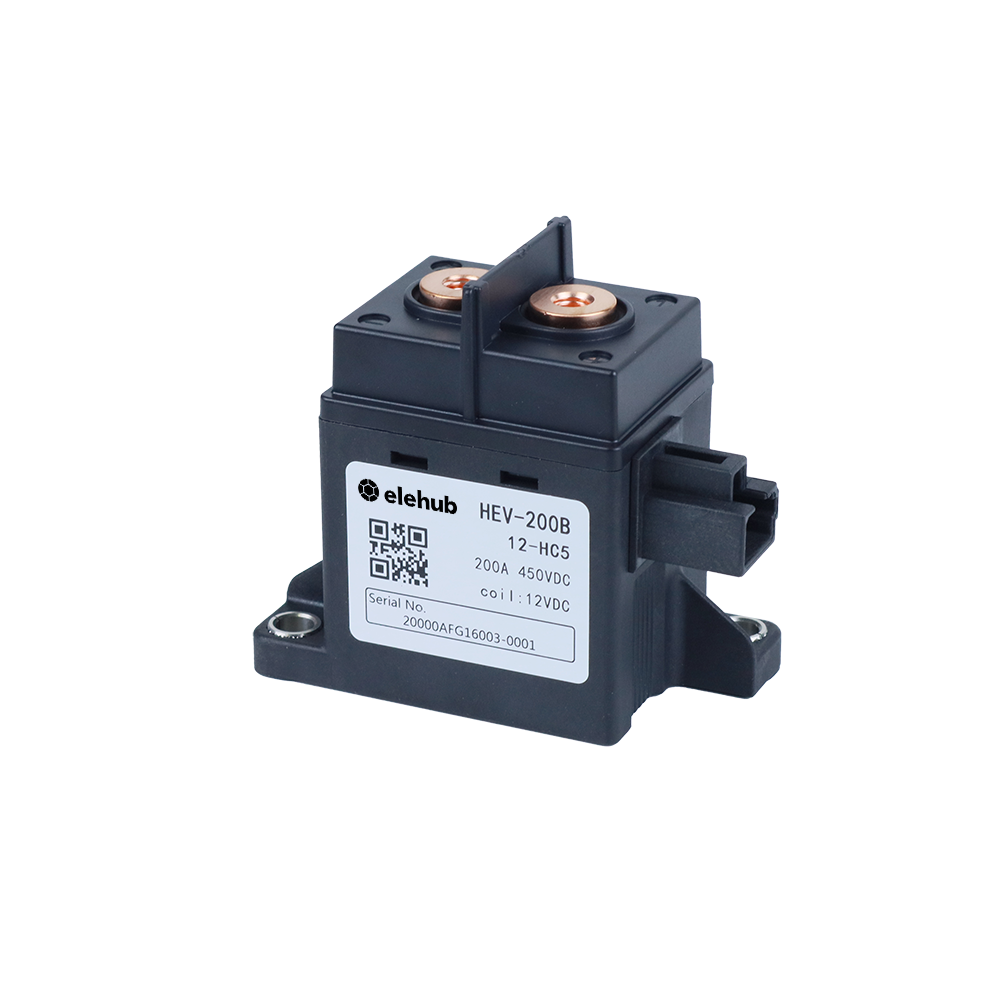 |
200A | 450V, 750VDC | 12V, 24VDC | 1 Form, SPST-NO | SPST-NO (Optional) |
| HEV250 |  |
250A | 450V, 750VDC | 12V, 24VDC | 1 Form, SPST-NO | SPST-NO (Optional) |
Ceramic material is essential in High Voltage DC Contactor for its superior insulating properties and high thermal resistance. Ceramics can withstand extreme temperatures and electrical stress, ensuring reliable performance in demanding high-voltage environments. Its non-conductive nature prevents electrical arcing and improves safety by isolating critical components.
Additionally, ceramic’s high mechanical strength and resistance to corrosion and wear extend the contactor’s lifespan, making it durable even in harsh conditions. This material helps reduce heat buildup during operation, ensuring stable and efficient functionality, making ceramics an ideal choice for high-performance energy and electric vehicle systems.
ELEHUB’s ceramic high voltage DC contactors help a lot in applications. They enjoy some benefits:
1. Superior Insulation & Thermal Resistance: Ceramic material withstands extreme temperatures and electrical stress, making it ideal for demanding high-voltage conditions.
2. Enhanced Safety & Reliability: The non-conductive nature of ceramics prevents electrical arcing and effectively isolates critical components, reducing the risk of short circuits.
3. Durability & Longevity: Ceramic’s high mechanical strength and resistance to corrosion help extend the contactor’s lifespan, even in harsh or corrosive environments.
4. Optimal Heat Dissipation: Ceramic contactors reduce heat buildup during operation, ensuring stable functionality and prolonged service life for energy and EV systems.
Absolutely. ELEHUB’s ceramic high voltage DC contactors enjoy superior heat resistance and insulation. They’re ideal high voltage contactors for EV, where high voltage and high current demand reliability.
Inquire Now for Innovative Wholesale Solutions!
Stay updated on the latest innovations and trends in DC electrical components.

Creepage and clearance are two fundamental measurements used in electrical insulation design. Both define the…

A conventional transformer does one job well. It changes voltage through electromagnetic induction. Yet it…

There is a possibility that a battery pack may pass its voltage tests but still…
WhatsApp us