

Creepage vs Clearance: Key Differences in Electrical Insulation
Creepage and clearance are two fundamental measurements used in electrical insulation design. Both define the…
ELEHUB’s EV Fuses are tailored for electric vehicle protection, offering superior overcurrent protection in high-voltage circuits.
With durable design, our EV fuses ensure safe and efficient operation in EV battery systems, providing enhanced safety and longevity for electric vehicles.
All ELEHUB EV fuses are high rupturing capacity (HRC) fuses, capable of safely interrupting extremely high fault currents without explosion or arc hazards.
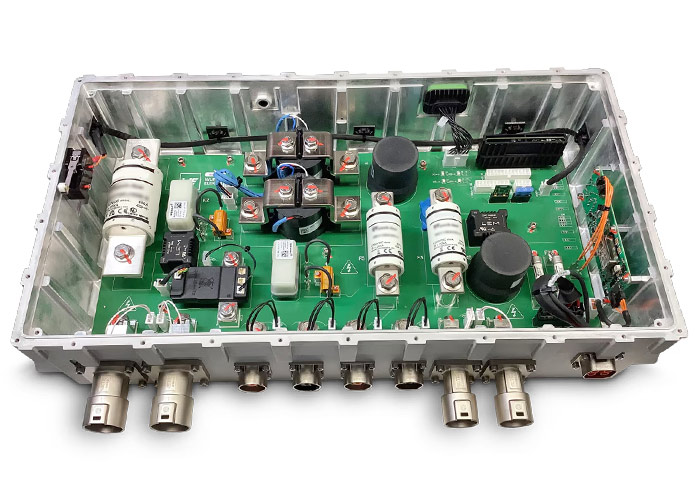
| Model | Image | Rated Voltage | Rated Current | Breaking Capacity | Operation Class | Standard |
|---|---|---|---|---|---|---|
| EFB500 |

|
AC 750V / DC 750V | 5A~800A | AC 100kA / DC 50kA | aR aBAT | IEC60269-7 |
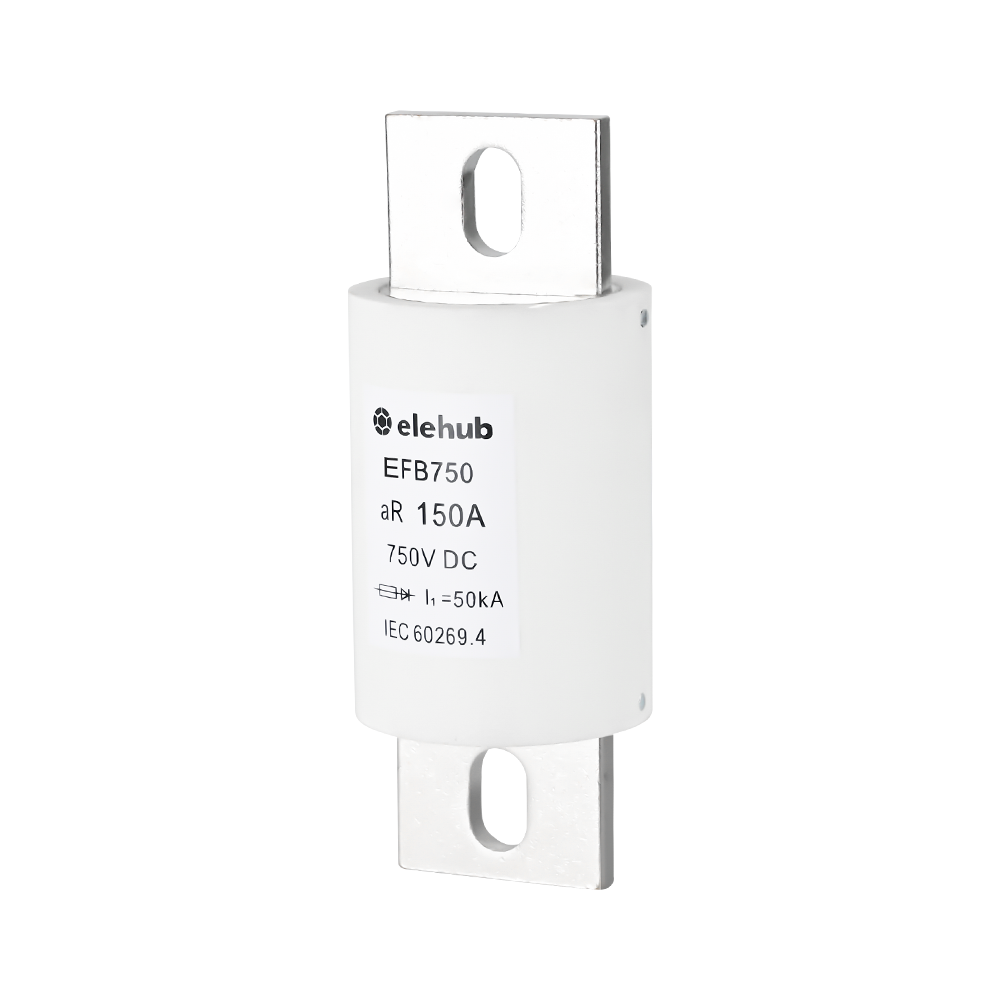
| EFB750 |

|
AC 750V / DC 750V | 5A~800A | AC 100kA / DC 50kA | aR aBAT | IEC60269-7 |
| EFB1000 |
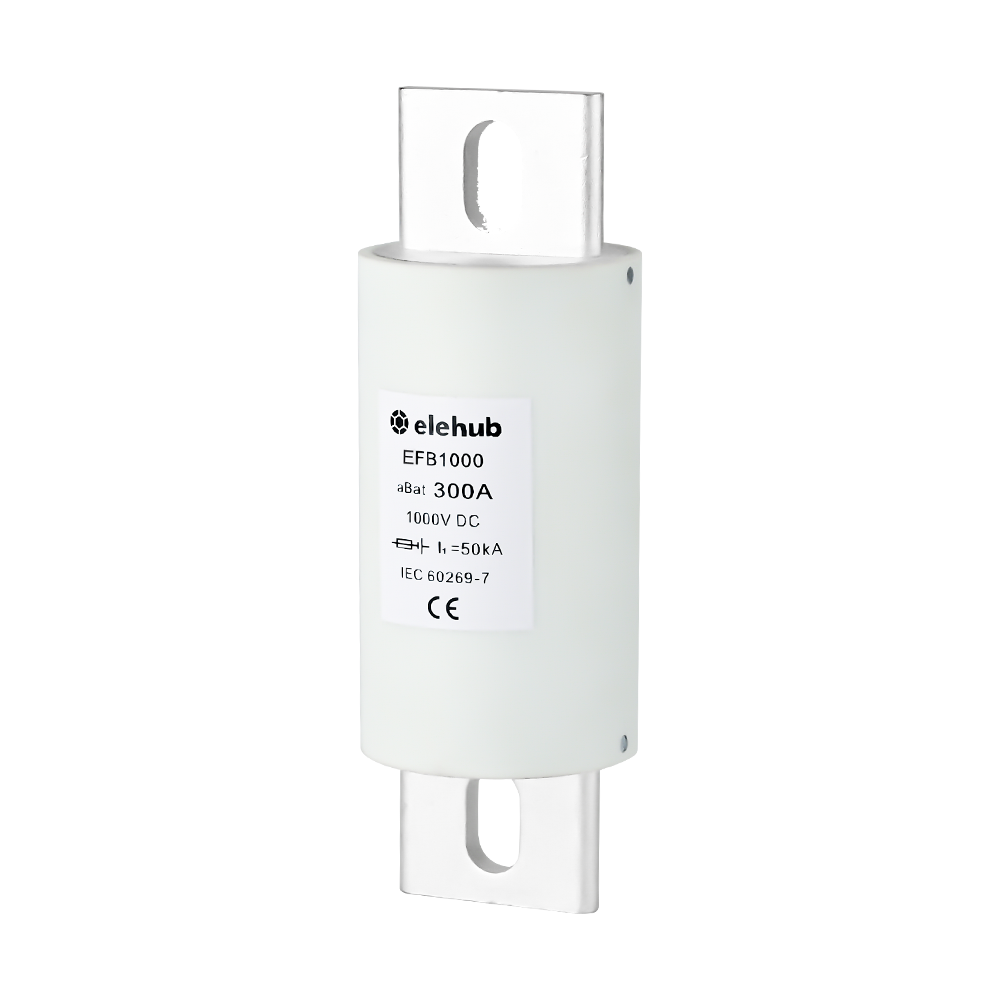
|
AC 1000V / DC 1000V | 5A~800A | AC 100kA / DC 50kA | aR aBAT | IEC60269-7 |
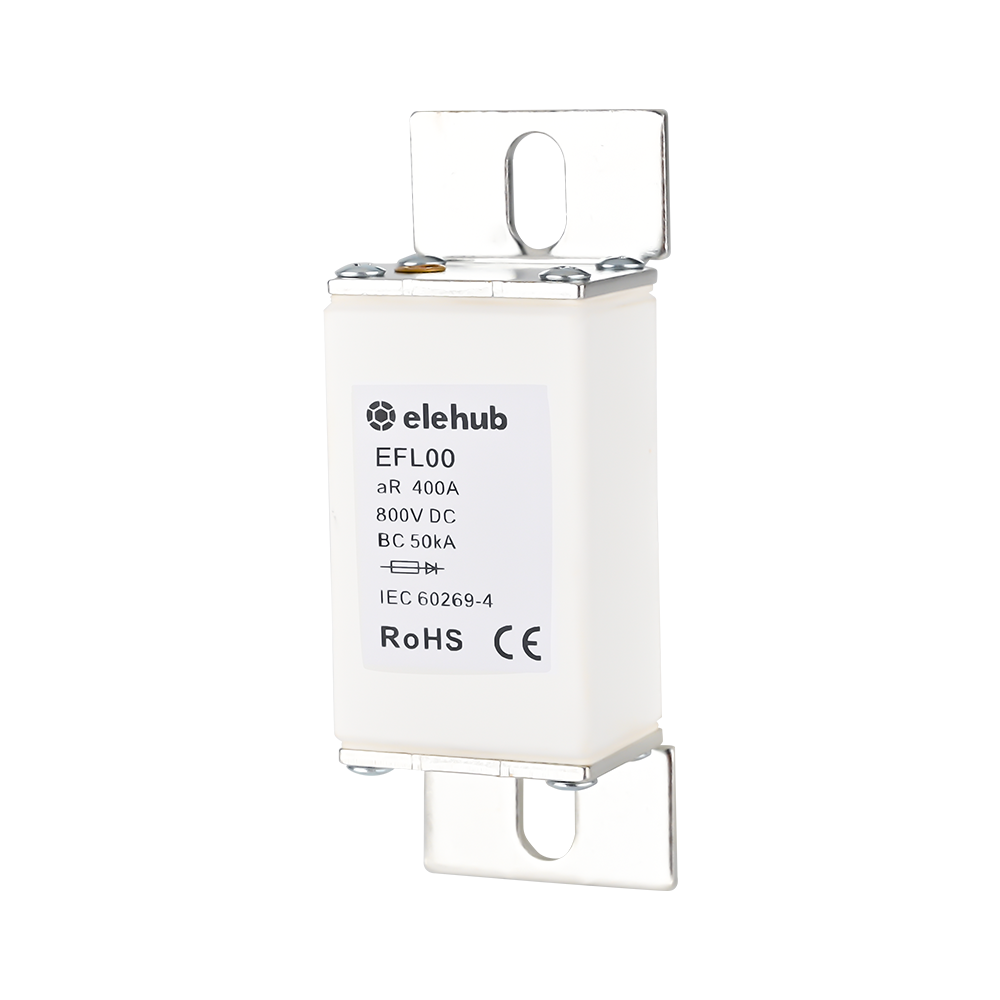
| EFL00 |

|
DC 800V | 20A~350A | 50kA | aR | IEC60269-4 |
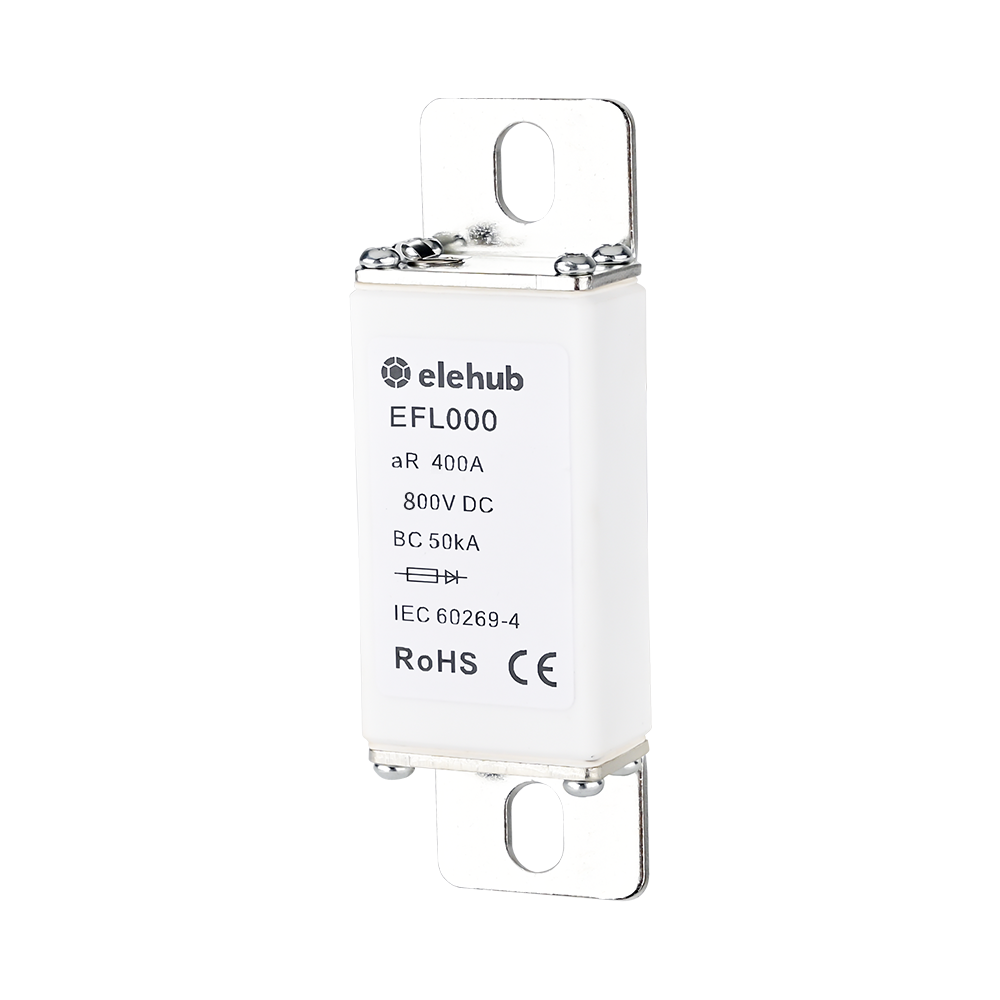
| EFL000 |
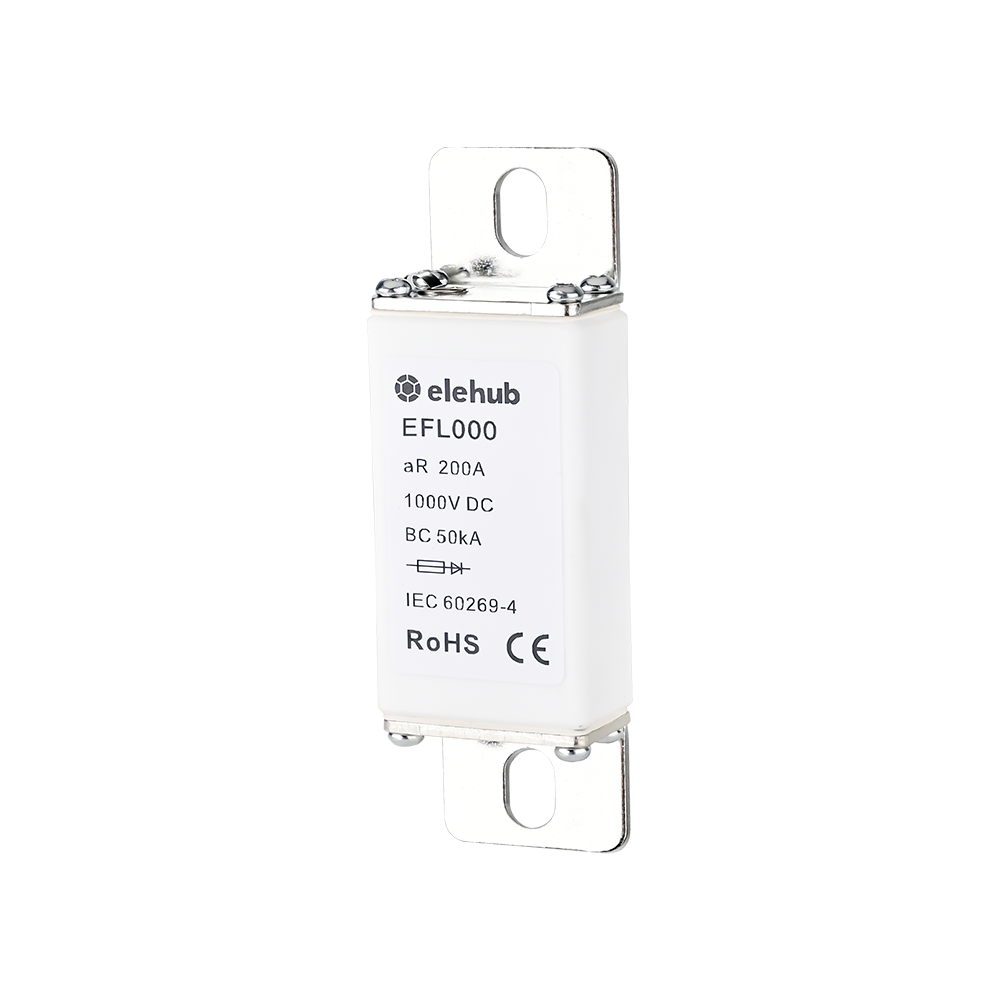
|
DC 1000V | 25A~500A | 50kA | aR | IEC60269-4 |
| EFL000 |

|
DC 800V | 20A~630A | 50kA | aR | IEC60269-4 |
| EFS-18 |
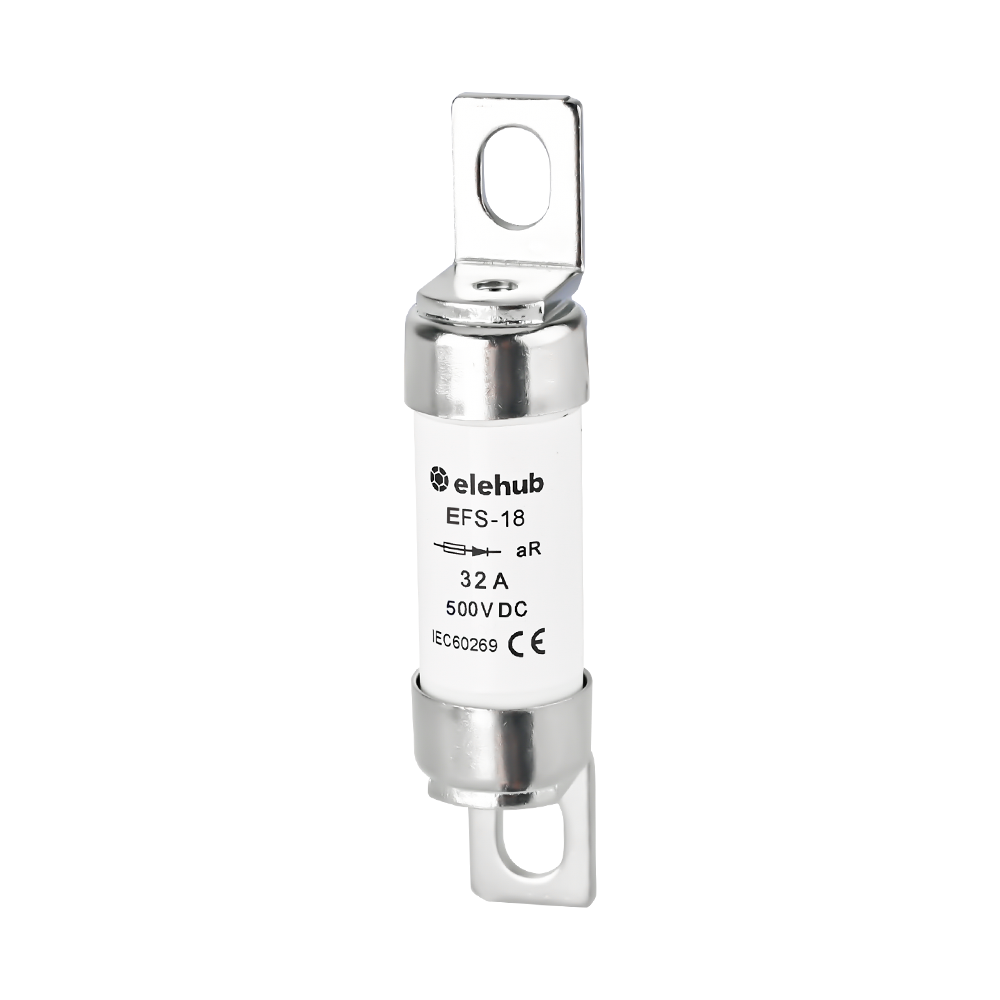
|
AC 690V / DC 500V | 20A~630A | AC 80kA / DC 50kA | aR | IEC60269-4 |
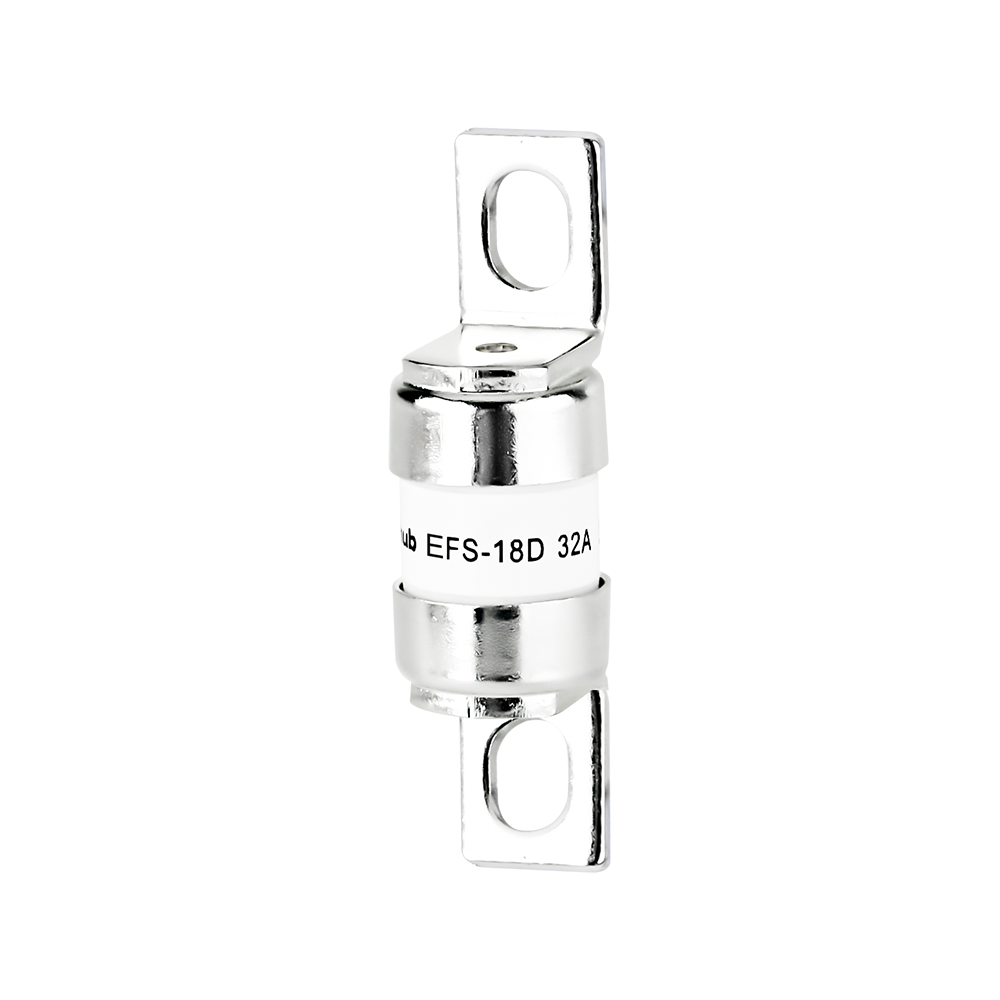
| EFS-18D |

|
AC 240V / DC 150V | 20A~450A | AC 80kA / DC 50kA | aR | IEC60269-4 |
| EFS-31 |
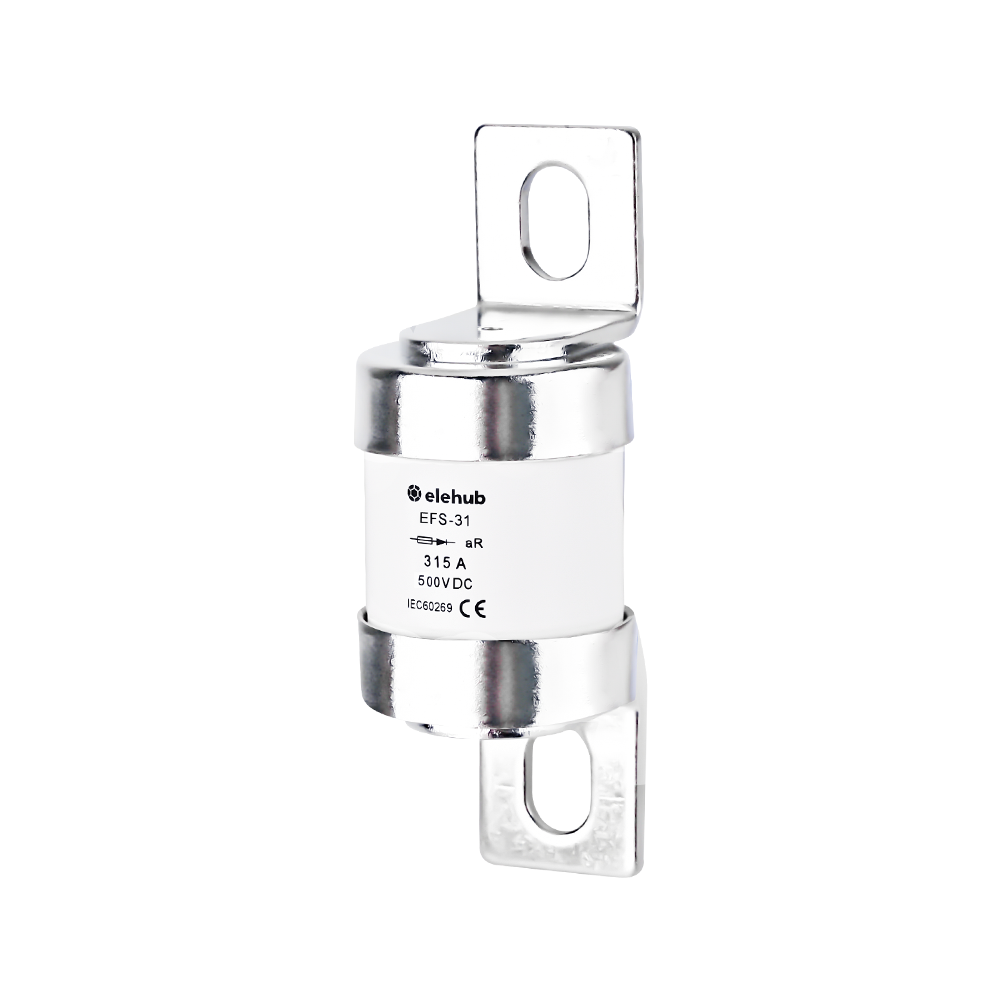
|
AC 690V / DC 500V | 20A~630A | AC 80kA / DC 50kA | aR | IEC60269-4 |
Each component plays a specific role in ensuring performance, efficiency, and safety.

Stores high-voltage DC energy powering all electric vehicle systems and drivetrain components.
Monitors voltage, current, temperature, balances cells, and ensures safe battery operation and protection functions.
Interprets driver input and regulates torque, speed, and power delivery precisely in real-time.
Converts DC into AC power for motor and enables regenerative braking energy recovery system.
Manages AC and DC charging, controlling voltage, current, and communication protocols safely operation.
Prevents electrical faults using fuses, breakers, contactors, and surge protection components systems safety.
Fuses in electric cars are placed throughout the high-voltage and low-voltage electrical systems to protect critical components from overcurrent, short circuits, and thermal damage.
Unlike traditional gasoline cars, EVs rely heavily on layered fuse protection because of their large battery packs and high-voltage architecture.
The main fuse is located inside or near the EV battery pack. It protects against severe short circuits, isolates the battery during faults, and prevents thermal runaway or catastrophic electrical damage.
The PDU contains multiple fuses that distribute high-voltage power to different systems. It protects key circuits like inverter, DC-DC converter, and HVAC, ensuring each branch is safely isolated during faults.
This fuse protects the DC-DC converter that steps high-voltage battery power down to 12V. It safeguards both input and output circuits, ensuring stable power supply for low-voltage vehicle electronics.
High-current fuses protect the inverter and motor drive system from overloads or short circuits. They prevent damage to power electronics such as IGBTs or MOSFETs during extreme electrical conditions.
Fuses are installed in onboard chargers and charging ports. They protect AC and DC charging circuits from overcurrent, overheating, and arc faults, ensuring safe and stable energy transfer during charging.
EVs still include a traditional 12V fuse box, usually under the dashboard or in the front compartment. It protects lights, infotainment, sensors, and comfort electronics from electrical faults.
DC fuses play a critical role in electric vehicles (EVs) by safeguarding high-voltage battery packs, motor controllers, and charging systems against overcurrent and short circuits. Key benefits include:
An EV fuse is a protective device designed specifically for electric vehicles to interrupt the current flow during overcurrent or short-circuit conditions. This safeguards high-voltage battery packs, motor controllers, and charging systems from damage and ensuring system safety.
EV fuses are for high-voltage and high-current applications in electric vehicles. They can handle more demanding operating conditions compared to standard automotive fuses, which are common in lower-voltage, lower-current systems.
HRC fuse “speed” refers to how quickly a fuse interrupts a fault current relative to its rated current. Faster fuses clear faults sooner, while slower fuses allow short-term inrush currents without nuisance blowing. Choosing the correct speed depends on the type of equipment being protected.
Common HRC Fuse Speed Codes and Applications
aR / gR (Ultra-fast)
Designed for semiconductor protection. Commonly used for IGBTs, diodes, thyristors, inverters, and sensitive power electronics.
aBAT (Battery-specific)
Optimized for DC battery circuits. Suitable for energy storage systems and EV battery protection.
gG / gL / gF (General-purpose)
Medium-speed fuses for general circuit protection, cables, lighting systems, and standard electrical loads.
aM / gM (Motor protection)
Slow-acting fuses that tolerate high starting currents. Ideal for motors, pumps, and inductive loads.
gPV / gB / gTr (Special-purpose)
Tailored for specific systems such as photovoltaic strings, battery banks, and transformer protection.
High Interrupting Capacity: HRC (high rupturing capacity) fuses can safely interrupt very high fault currents without fire or explosion, effectively protecting circuits and equipment.
Compact Design: Despite their high breaking capacity, HRC fuses have a compact size, making them ideal for modern electrical systems where installation space is limited.
High Reliability: Made with advanced materials and precise construction, HRC fuses provide stable and long-term protection without performance degradation.
Maintenance-Free: HRC fuses require no regular maintenance and are easy to install, offering a cost-effective and reliable protection solution.
We design fuses specifically for electric vehicles, ensuring optimal protection and system compatibility.
Our fuses meet international safety and performance certifications, guaranteeing consistent and reliable performance under extreme EV conditions.
From compact passenger EVs to heavy-duty electric trucks, we offer a wide variety of fuse models to match diverse applications.
Space-saving designs fit perfectly within EV architecture without compromising performance or durability.
Support for custom designs and ratings tailored to specific EV platform requirements and standards.
Streamlined production and logistics systems ensure fast, on-time delivery to meet urgent customer demands.
Inquire Now for Innovative Wholesale Solutions!
Stay updated on the latest innovations and trends in DC electrical components.

Creepage and clearance are two fundamental measurements used in electrical insulation design. Both define the…

A conventional transformer does one job well. It changes voltage through electromagnetic induction. Yet it…

There is a possibility that a battery pack may pass its voltage tests but still…
WhatsApp us