Electric vehicles are revising how we think about transportation, and understanding the technology that powers them becomes more relevant each day. EV charging stations represent a fascinating blend of electrical engineering, software intelligence, and user experience design that makes electric mobility possible for millions of drivers worldwide.
Understanding Electric Vehicle Charging
At its core, an EV charging station converts alternating current (AC) electricity from the electrical grid into direct current (DC) electricity that can be stored in your vehicle’s battery pack. Think of it like a sophisticated translator that speaks the language your car’s battery understands.
Your home electrical outlet provides AC power, which flows back and forth in a wave-like pattern. Electric vehicle batteries, like all rechargeable batteries, store energy as DC power, which flows in one steady direction. The charging station houses the equipment needed to make this conversion happen safely and efficiently.
Most charging stations contain several key components working together: a power conversion unit, safety monitoring systems, a user interface, communication modules, and metering equipment.
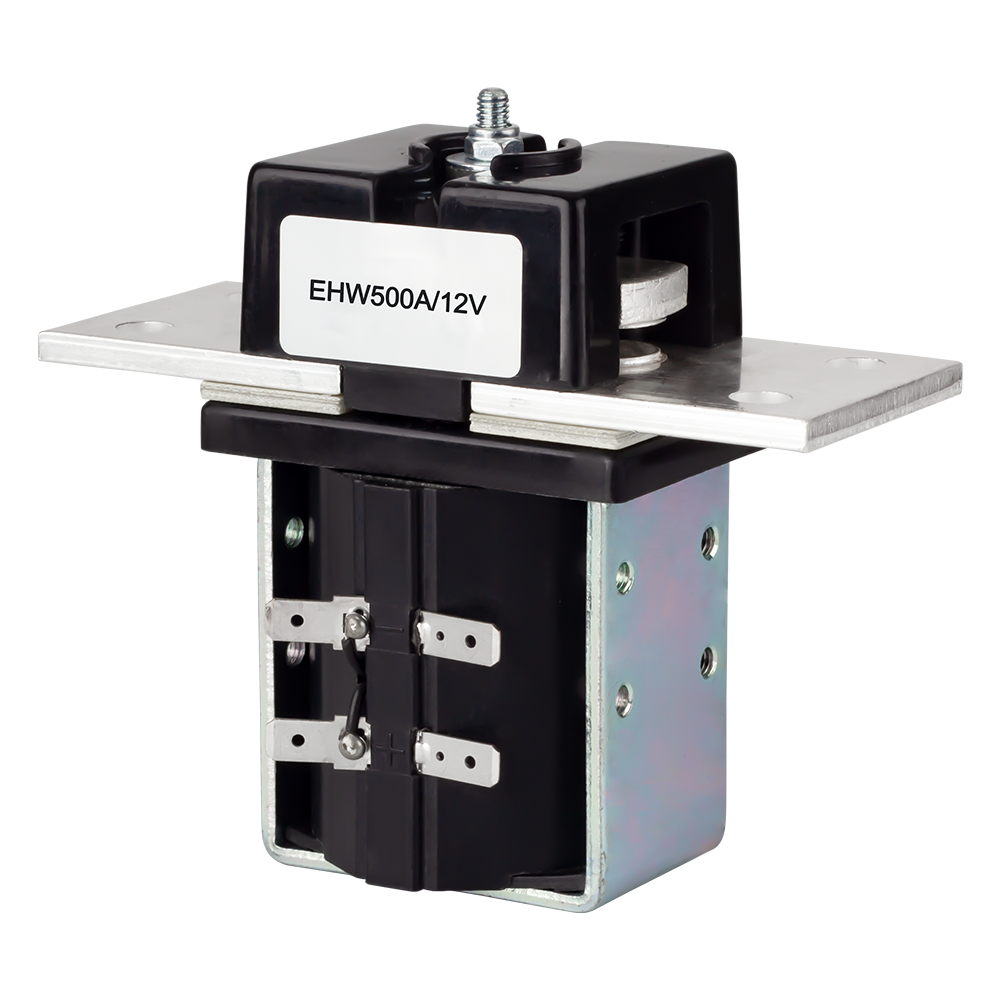
Each component plays a specific role in delivering electricity to a vehicle while protecting both the charging equipment and a car’s electrical systems. Without robust DC electrical components, energy could not be efficiently or safely delivered to an EV’s battery pack.
Speed and Power Levels
Charging stations operate at different power levels, each designed for specific use cases and charging speeds. Understanding these differences helps you choose the right charging option for your needs.

Source: https://zdwl-tec.com/news/ev-charger-levels/
Level 1 Charging
It uses standard household outlets providing 120 volts of AC power. These stations typically deliver 3-5 miles of range per hour of charging. While slow, Level 1 charging works well for plug-in hybrids or drivers with short daily commutes who can charge overnight.
Level 2 Charging
It operates at 240 volts, the same voltage used by large household appliances like electric dryers. These stations can provide 10-60 miles of range per hour, depending on the vehicle and charging station specifications. Level 2 represents the sweet spot for most daily charging needs, whether at home, work, or public locations.
DC Fast Charging (also called Level 3)
This charging method bypasses the vehicle’s onboard charger and delivers DC power directly to the battery. These high-powered stations can add 60-200 miles of range in just 20-30 minutes. The charging station handles all power conversion internally, explaining why these units are much larger and more complex than their AC counterparts.
The EV Charging Process

Source: https://www.evgo.com/ev-drivers/charging-basics/how-an-ev-works/
When you arrive at a charging station, several processes begin working behind the scenes. The station first performs a safety check, verifying that all connections are secure and that no faults exist in the system. This includes checking ground connections, ensuring proper voltage levels, and confirming that emergency stop systems are functional.
Next comes the handshake protocol. Your vehicle and the charging station exchange digital information about charging capabilities, battery status, and safety parameters. This communication happens through the charging cable and determines the optimal charging rate for your specific vehicle.
The charging station then begins power delivery, starting at a low rate and gradually increasing to the maximum safe level. Modern stations continuously monitor battery temperature, voltage, and current flow, adjusting power delivery in real-time to protect the battery and maintain optimal charging speeds.
As your battery reaches higher charge levels, the station automatically reduces power delivery. This tapering protects battery longevity and prevents overheating. Most batteries charge quickly up to about 80% capacity, then slow down significantly for the final 20%.
Connector Types and Compatibility

Source: https://blog.en-plustech.com/a-guide-for-ev-charging-connectors/
Different regions and manufacturers have developed various connector standards, though the industry is moving toward greater standardization. Understanding these connectors helps you identify compatible charging stations.
- J1772 connectors handle most Level 1 and Level 2 charging in North America. These round connectors feature five pins that carry power and communication signals. Most electric vehicles sold in North America use J1772 for AC charging.
- CCS (Combined Charging System) connectors add two additional DC pins below the J1772 connector, enabling fast charging capabilities. This design allows vehicles to use the same port for both AC and DC charging.
- CHAdeMO represents an alternative DC fast charging standard, primarily used by some Japanese manufacturers. These connectors feature a different design and communication protocol from CCS systems.
- Tesla’s proprietary connector works exclusively with Tesla vehicles and Supercharger stations, though Tesla has announced plans to open their network to other vehicles and adopt industry standards.
The charging station identifies your connector type and adjusts its operation accordingly. Many public DC fast charging stations include multiple connector types to serve different vehicles.
Why DC Electrical Components Matter—Find Reliable Solutions
As this guide illustrates, DC electrical components are at the core of EV charging technology, from fast charging to energy storage, smart grids, and future V2G systems. Every connector, controller, and converter within a charging station relies on dependable DC systems to perform efficiently and safely.
That’s where ELEHUB Electric comes in. As a trusted supplier of high-quality DC electrical components—from relays, contactors, DC fuses, and connectors to custom-designed assemblies—ELEHUB supports the backbone of modern EV infrastructure. Whether you’re designing fast-charging stations or scaling up smart energy systems, ELEHUB delivers the reliable components you need to power the future.
Learn more at ELEHUB.com and discover how we can help electrify your next innovation.
Payment and Access Systems
Modern charging stations integrate sophisticated payment and access control systems. Most public stations accept credit cards through built-in card readers, while others require smartphone apps or RFID cards for access.
Contactless payment options are becoming standard, allowing you to tap your phone or payment card to begin charging. Many stations also integrate with vehicle manufacturer apps, automatically billing your preferred payment method once you plug in.
Network-based charging requires membership with specific charging companies. These networks often provide benefits like reduced rates, reservation capabilities, and detailed charging history tracking through mobile apps.
Pricing structures vary significantly between stations and networks. Some charge by time (per minute), others by energy consumed (per kilowatt-hour), and some use flat session fees. Many workplace and destination chargers offer free charging as an amenity.
Smart Features and Connectivity
Contemporary charging stations feature internet connectivity that enables remote monitoring, software updates, and smart grid integration. This connectivity allows operators to track station performance, diagnose problems remotely, and optimize energy usage based on grid conditions.
Load balancing represents one of the most important smart features. When multiple vehicles charge simultaneously, the station can distribute available power intelligently, preventing electrical system overloads while maintaining reasonable charging speeds for all users.
Scheduled charging allows users to set specific times for charging to begin, taking advantage of lower electricity rates during off-peak hours. Some stations can even pause charging during peak demand periods and resume when grid stress decreases.
Integration with renewable energy sources is becoming more common. Some charging stations include solar panels or battery storage systems, allowing them to provide clean energy even when the electrical grid relies on fossil fuels.
User Experience and Interface Design

Charging stations prioritize intuitive operation through clear displays, simple button layouts, and helpful status indicators. Most stations guide users through the charging process with step-by-step instructions displayed on built-in screens.
Status lights communicate charging progress and system conditions. Green lights typically indicate normal operation, yellow suggests caution or reduced power, and red indicates faults or emergency stops.
Mobile app integration provides real-time charging updates, allowing you to monitor progress remotely. Many apps send notifications when charging completes or if problems occur during the session.
Accessibility features accommodate users with different physical abilities. These include audio prompts, large button designs, and charging cables positioned at accessible heights.
Charging Technology: The Future
Charging technology continues advancing rapidly, with new innovations promising faster speeds, greater convenience, and improved grid integration. Wireless charging systems are being tested that could eliminate cables entirely, allowing vehicles to charge simply by parking over specially equipped spots.
Ultra-fast charging stations capable of delivering 350+ kilowatts are being deployed, potentially reducing charging times to under 10 minutes for compatible vehicles. These stations require sophisticated cooling systems and advanced battery management to handle such high power levels safely.
Vehicle-to-grid technology will allow electric vehicles to feed power back into the electrical grid during peak demand periods, turning every EV into a mobile energy storage device.
This bidirectional capability could help stabilize the electrical grid while providing additional revenue streams for vehicle owners.