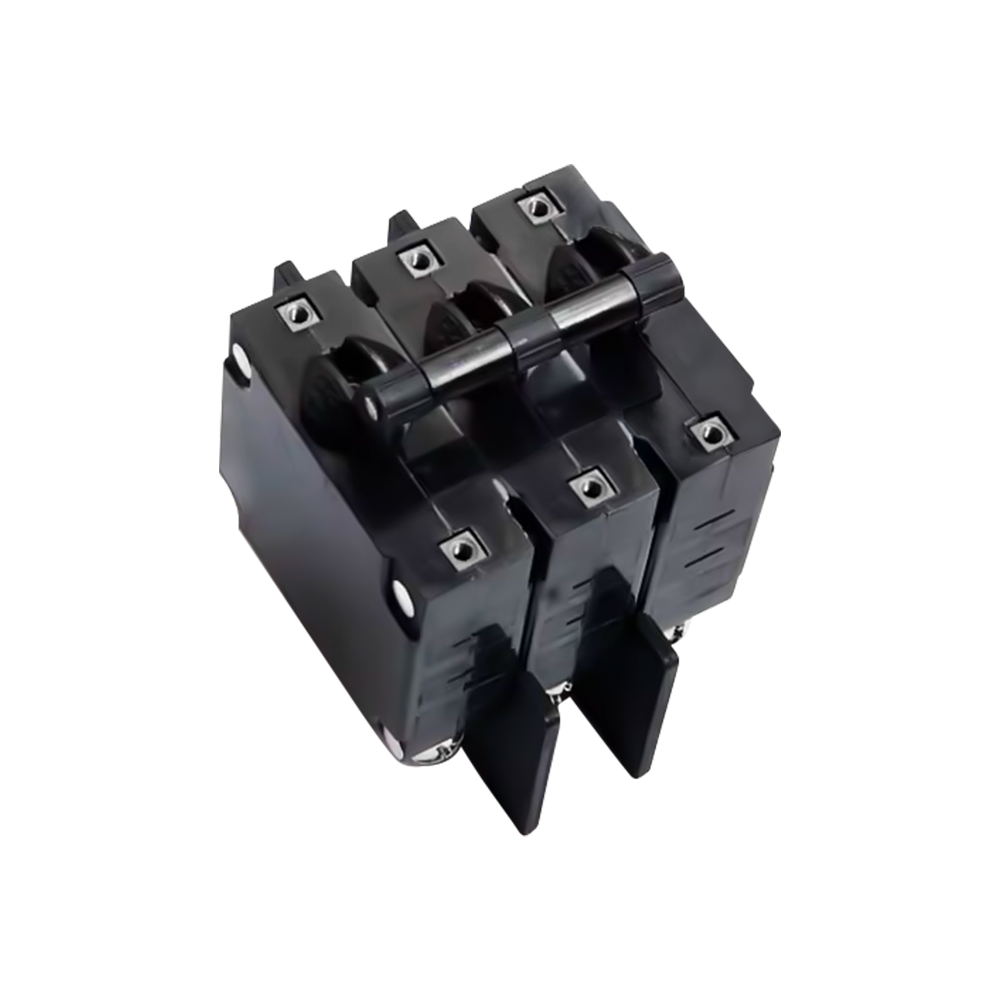
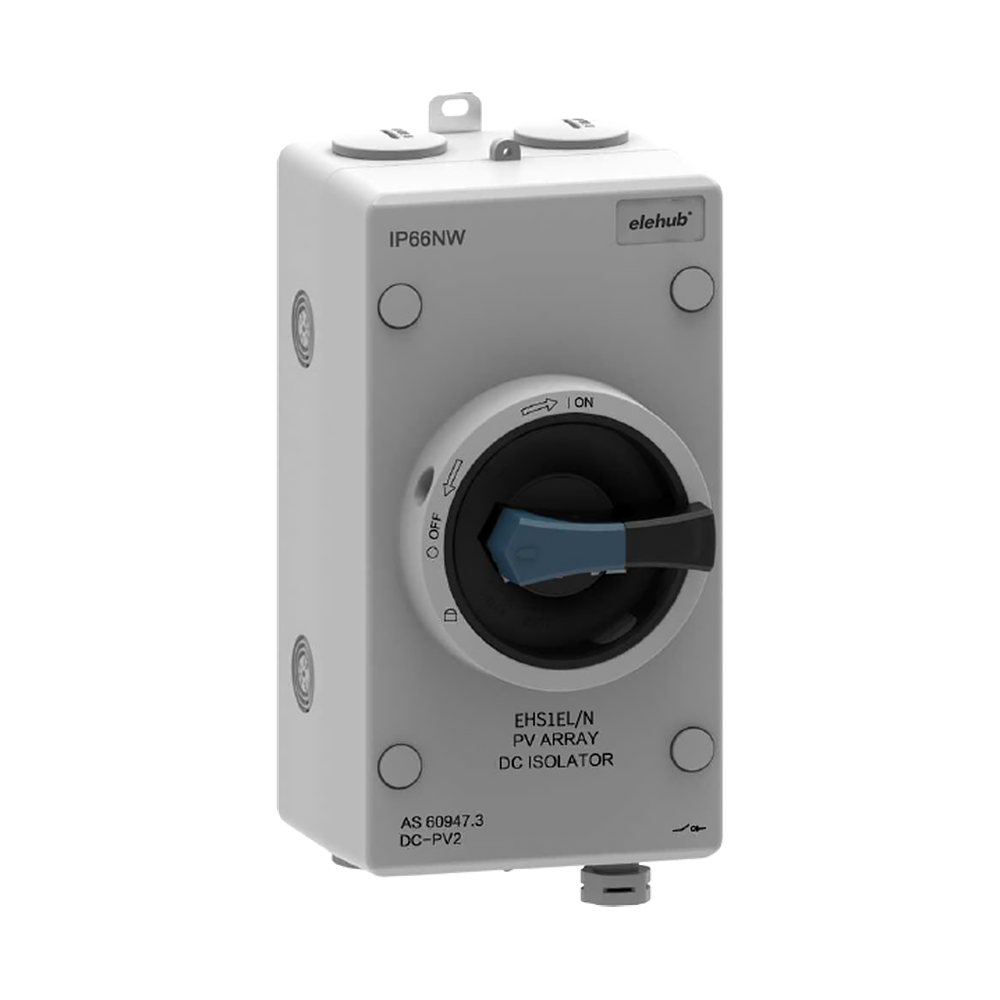
Relays and contactors are both electromagnetic switches, but they differ in their design, capacity, and application. Understanding the difference between a relay and a contactor is essential for selecting the right device.
Relays are versatile, low-power switches suitable for applications like automotive electrical systems and small electronic devices. In contrast, contactors are high-power switches designed for industrial motor control, HVAC systems, and heavy machinery, capable of handling currents exceeding 10A. While relays are simpler and more affordable, contactors offer robust construction and durability for demanding environments. The choice between a relay and a contactor depends on factors such as load current, voltage, and switching frequency. Exploring the detailed comparison will shed light on the nuances of these essential electrical components.
What is a Relay?
A relay is an electromechanical switch that utilizes an electromagnet to control the opening and closing of electrical contacts in response to an input signal.
The relay’s contacts can be configured as normally open (NO), which close when the relay is energized, or normally closed (NC), which open when the relay is energized.
This versatility in contact configuration allows relays to be used in a wide range of applications, from simple on/off control to more complex switching scenarios.

Source: By © Raimond Spekking / CC BY-SA 4.0 (via Wikimedia Commons), CC BY-SA 4.0
https://commons.wikimedia.org/w/index.php?curid=108419891
How Relays Work
Relays, the unsung heroes of electrical control, operate through an ingenious combination of electromagnetism and mechanical motion to manage power flow in countless applications. At the heart of a relay lies a coil of wire that, when energized by a small current, generates a magnetic field. This magnetic field attracts an armature, which pivots to open or close a set of contacts, effectively switching the state of the controlled circuit.
| Component | Function | Interaction |
| Coil | Generates magnetic field | Energized by control current |
| Armature | Moves contacts | Attracted by magnetic field |
| Contacts | Open or close circuit | Moved by armature |
This electromechanical design allows relays to control higher voltage and current loads than the control signal itself could handle. By isolating the control and power circuits, relays enable safe and efficient operation in a wide range of applications, from HVAC systems and lighting control to automotive electronics and industrial automation. Though often overshadowed by their larger cousins, contactors, relays play a vital role in managing electrical power and ensuring the smooth functioning of countless devices and systems.
Types of Relay Contacts
At the core of a relay’s functionality lie its contacts, which come in various configurations to suit specific applications and control requirements.
Relays can be designed with normally open (NO) contacts that allow current to flow when activated, and normally closed (NC) contacts that interrupt current flow when engaged. This difference between a relay’s NO and NC contacts enables precise control over the connected circuit.
Types of relay contacts include:
- NO contacts for initiating current flow upon activation
- NC contacts for interrupting current flow when engaged
- Combination of NO and NC contacts in a single relay
- Auxiliary contacts for performing additional control functions
The strategic use of these contact types allows relays to manage a wide range of switching scenarios effectively.
By selecting the appropriate configuration, engineers can tailor the relay’s behavior to the specific needs of the application, ensuring peak performance and reliability.
Understanding the differences between these contact types is essential for designing efficient control systems and troubleshooting electrical issues.
With their versatility and precision, relays continue to play an essential role in managing electrical circuits across various industries and applications.
What is a Contactor?
A contactor is a high-capacity electromagnetic switch designed to control electrical circuits with high voltage and current ratings.
It consists of a coil that generates a magnetic field to close contacts, allowing current to flow, and is built for frequent switching in industrial applications.
Contactors are available in various types, each suited for specific applications and requirements.

Defining Contactors
Designed for high-power applications, contactors are electromechanical switches capable of handling currents greater than 15 amperes, often exceeding 5000 amperes in industrial settings.
These robust devices consist of a coil that generates a magnetic field to close contacts, allowing electrical current to flow through the circuit. Contactors are built to frequently open and close circuits, making them ideal for use in various industrial applications, such as:
- Motor control systems
- HVAC equipment
- High-demand electrical machinery
- Multi-phase power switching
The larger and more robust contacts found in contactors minimize resistance and enhance current flow, while also employing arc suppression techniques to manage high currents effectively.
This design enables contactors to efficiently handle the demanding requirements of high-power applications.
Additionally, contactors often feature normally open (Form A) contacts and can include auxiliary contacts for added control functions, further enhancing their versatility in complex electrical systems.
How Contactors Work
Contactors, the unsung heroes of high-power electrical control, are electromechanical switches capable of managing currents exceeding 15 amperes, often reaching up to 5000 amperes in industrial settings. These robust devices are designed to control high-power electrical circuits, making them essential for managing electrical loads in various applications.
At the heart of a contactor lies a coil that generates a magnetic field when energized. This magnetic field causes the contacts to open or close, effectively enabling or interrupting the flow of electricity to connected loads. Contactors are typically employed in industrial environments, where they excel at controlling heavy equipment such as motors, HVAC systems, and lighting, often switching three phases of power simultaneously.
To guarantee reliability and longevity, contactors are built with durability in mind. They feature robust construction and incorporate arc suppression techniques to minimize wear, allowing for frequent operation in high-stress environments.
Additionally, contactors can include auxiliary contacts for added functionality, such as signaling or controlling pilot lights in motor circuits. These features make contactors indispensable for efficiently managing high-power electrical systems in various industrial applications.
Types of Contactors
The diverse family of contactors, each tailored for specific applications, showcases the versatility and adaptability of these essential electromagnetic switches in managing electrical loads across various industries.
Several types of contactors are designed to cater to unique requirements:
- Definite Purpose Contactors are engineered for specific applications, such as air conditioning or motor control, ensuring peak performance and efficiency in their designated tasks.
- Reversing Contactors enable the control of motor direction by allowing the polarity of the motor connections to be switched, facilitating bidirectional operation.
- Vacuum Contactors are employed in high voltage applications where arcing must be minimized, utilizing a vacuum environment to rapidly extinguish any arcs that may form.
- Lighting Contactors are specifically built to handle lighting loads, often incorporating auxiliary contacts to manage additional functions like dimming or pilot lights.
Magnetic Contactors, the most common type, rely on an electromagnet to open and close contacts, making them ideal for frequent operation in industrial settings and capable of handling high currents.
This variety of contactors demonstrates their adaptability in meeting the diverse needs of electrical systems across different sectors.
Contactors vs. Relays: A Detailed Comparison
When comparing contactors and relays, it is essential to examine their current and voltage ratings, as these parameters determine their suitability for different applications.
Contactors are designed to handle higher currents and voltages, making them ideal for industrial machinery and high-power systems.
On the other hand, relays are better suited for low-voltage and low-current applications, such as those found in small electronic devices and control circuits.

Current and Voltage Ratings
An essential factor to evaluate when distinguishing between relays and contactors is their current and voltage ratings.
Relays are designed to handle lower current and voltage levels, typically up to 10A and 250V, making them suitable for small electronic devices and low-power applications.
On the other hand, contactors are built to manage higher current and voltage ratings, often exceeding 10A and reaching up to 1000V, which allows them to control heavy loads in industrial machinery and high-power systems.
- Relay Ratings
Relay ratings, a vital factor in distinguishing relays from contactors, refer to the maximum voltage and current levels at which these electromagnetic switches can safely and reliably operate.
Relays are designed for:
- Lower voltage and current ratings, typically up to 250V and 10A
- Control circuits and low to medium-power applications
- Compact designs for efficiency in lower power situations
Understanding the difference is essential for proper selection and usage.
- Contactor Ratings
The key factor distinguishing contactors from relays lies in their considerably higher current and voltage ratings, enabling them to handle the demanding power requirements of industrial applications. The difference between contactors and relays is evident in their design and capacity. Contactors are designed to operate with higher voltage ratings and can handle higher currents compared to relays, which typically handle lower current loads.
| Feature | Contactors | Relays |
| Current Rating | High (>10A) | Low (<10A) |
| Voltage Rating | High (up to 1000V) | Low (up to 250V) |
| Application | Industrial machinery | Small electronic devices |
| Load Handling | Multiple loads | Few loads |
| Contact Size | Large | Small |
The selection of the appropriate device is essential to guarantee peak performance and avoid failures in the electrical load.
Applications of Contactors and Relays
Relays and contactors find applications in various electrical systems, each serving a specific purpose based on their design and capabilities.
Relays are commonly used in automotive electrical systems and household appliance switching, where they control low-current circuits.
On the other hand, contactors are essential in industrial motor starters and HVAC control circuits, handling high-power loads and ensuring reliable operation in demanding environments.
- Automotive Electrical Systems
In automotive electrical systems, the choice between relays and contactors depends on the specific application and its power requirements.
Relays are commonly used for low-power devices like lights and horns.
Contactors are typically used for high-power applications such as starter motors and HVAC systems.
A key difference is that contactors are designed to handle loads greater than 10A, while relays manage smaller loads.
- HVAC Control Circuits
HVAC control circuits employ a combination of relays and contactors, each serving distinct roles based on their load-handling capabilities and operational requirements.
In these applications, contactors are used for managing high-power components like compressors and fans, while relays are typically utilized for controlling low-power devices such as thermostats and sensors.
Contactors often feature an auxiliary contact for enhanced functionality in HVAC applications, highlighting the difference between a contactor and a relay in control circuit design.
- Industrial Motor Starters
Moving beyond HVAC control circuits, contactors and relays play distinct and critical roles in industrial motor starters, a key application that highlights their differences regarding load-handling capabilities and operational characteristics.
Contactors are primarily used in industrial motor starters for high-current applications.
Relay applications focus on lower power control and signaling functions.
Contactors often feature auxiliary contacts for additional control.
Safety features in contactors enhance reliability.
- Household Appliance Switching
Relays and contactors serve distinct roles in household appliance switching, with their selection based on the specific power requirements and control functions of the application.
In household appliances, relays are designed to operate lights and small motors, while contactors are generally used in high-power applications like HVAC systems and electric water heaters.
Contactors often handle electrical current in high-power appliances exceeding 10A.
Choosing Between Contactors and Relays
When deciding between contactors and relays for an electrical application, several key factors must be considered.
These include the load current and voltage requirements, the expected switching frequency, and the cost and complexity of the overall system.
Load Current
The selection of a relay or contactor for a specific application hinges on a thorough understanding of the load current requirements, as this critical factor dictates the device’s performance and longevity in the electrical system.
When considering the load current, it is vital to note that:
- Contactors are rated for higher current capacities, making them suitable for high-power applications, such as industrial machinery and large motors.
- Relays are generally less robust and are designed to handle lower current loads, making them ideal for low-power applications, such as control systems and small electronic devices.
- Choosing a device with an appropriate load current rating guarantees the circuit is broken safely and efficiently, preventing device failure and potential hazards.
- The operational frequency should also be considered alongside the load current, as contactors are built to withstand frequent switching in high-demand environments, while relays are more suitable for less frequent operations.
Load Voltage
Alongside load current, the voltage rating of an electrical circuit is a fundamental consideration when selecting between relays and contactors for ideal performance and safety.
When comparing contactor vs relay regarding load voltage, it’s evident that they cater to different ranges in electrical systems.
Relays are generally suitable for low to medium-power applications, capable of handling load voltages up to 250V. This makes them a preferred choice for smaller electronic devices and circuits where the voltage demands are moderate.
On the other hand, contactors are commonly used in high-power applications, as they are designed to operate with load voltages up to 1000V. This higher voltage capacity allows contactors to effectively control industrial machinery, motors, and other power-intensive equipment.
To guarantee the longevity and proper functioning of electrical systems, it is essential to assess the load voltage and select the appropriate switching device accordingly.
Mismatching the voltage rating can lead to equipment damage, reduced efficiency, and potential safety hazards. By understanding the distinct voltage capabilities of relays and contactors, one can make an informed decision based on the specific requirements of the application.
Switching Frequency
Frequently, the decision between using a relay or contactor in an electrical system hinges on the switching frequency requirements of the application. The operational frequency plays an essential role in determining the appropriate device for the job.
Relays are suitable for low-frequency operations, typically limited to a few cycles per minute, making them ideal for control circuits with infrequent actuation. On the other hand, contactors can be used for high-frequency switching, often capable of sustaining thousands of operations per hour due to their robust construction.
When selecting between relays and contactors based on switching frequency, consider the following:
- Relays are designed for low-frequency operations, while contactors are built for high-frequency switching.
- Contactors are often used in applications requiring rapid and repeated switching, such as motor control.
- The switching frequency of a relay is generally limited to a few cycles per minute.
- Contactors typically support higher inrush and continuous current capabilities, making them suitable for applications with significant load variations.
The choice of device should also take into account the electrical noise generated, as contactors may produce more noise due to their size and current handling capabilities.
Cost and Complexity
When selecting between relays and contactors for an electrical system, cost and complexity are two critical factors to evaluate, as they can greatly impact the overall project budget and installation process. Contactors generally have a higher upfront cost compared to relays due to their robust construction and capability to handle high-power applications, often exceeding $50 for basic models. In contrast, relays are typically less expensive, costing around $20 or less for standard options, but their lower load capacity limits their use in high-demand scenarios.
| Factor | Relays | Contactors |
| Cost | Lower upfront cost ($20 or less) | Higher upfront cost (often $50+) |
| Complexity | Simpler configurations for low to medium loads | More elaborate setups for high-power circuits |
| Durability | Limited lifespan in industrial applications | Better durability and longevity in demanding environments |
Long-term costs should also factor in maintenance and potential replacements, with contactors often providing better durability and lifespan in industrial applications, reducing total cost of ownership. The complexity of installation and wiring can differ, as contactors may require more elaborate setups to manage high-power circuits, while relays usually have simpler configurations for low to medium loads.
When to Choose Relays or Contactors
When deciding between relays and contactors, it’s crucial to take into account the specific requirements of your application.
Relays are well-suited for low-power applications, such as controlling small electronic devices or performing simple switching tasks in single-phase systems.
On the other hand, contactors are the ideal choice for high-power applications, including industrial machinery, three-phase systems, and scenarios that involve frequent switching of high-current loads.
- Choosing a Relay: Example Situations
In various electrical applications, selecting the appropriate switching device—either a relay or a contactor—is essential for ensuring ideal system performance and reliability.
When choosing between relays and contactors, consider these factors:
- Load requirements: relays for low to medium-power applications, contactors for high-power applications
- Switching frequency and lifespan
- Voltage ratings and electrical specifications
- Robust construction for demanding environments
- Choosing a Contactor: Example Situations
Selecting the appropriate switching device, either a relay or a contactor, is essential for ensuring ideal performance and reliability in various electrical applications.
For high-power loads in industrial motor control or HVAC systems, a contactor is an electrical switch designed to handle currents above 10A.
In contrast, a relay is a switch better suited for low to medium current handling in automotive controls or smaller HVAC systems.
Frequently Asked Questions
What Is the Main Difference Between a Relay and a Contactor?
Imagine a relay as a lightweight switch, ideal for managing small electronic devices, while a contactor is a robust, heavy-duty switch designed for industrial machinery.
The main difference between a relay and a contactor lies in their load capacity.
Relays typically handle currents of 10 amps or less, suitable for low to medium-power applications.
In contrast, contactors are built for high-power applications, often exceeding 5000 amps, making them essential in industrial settings.
What Is an Example of a Relay?
An example of a relay is the automotive relay found in vehicles.
It is used to control high-power devices, such as headlights or fuel pumps, with a low-power switch signal.
The relay allows a small current from the switch to activate a larger current, enabling the control of these high-power devices.
Automotive relays are essential components in managing the electrical systems within vehicles, ensuring efficient and safe operation of various functions.
Where Is a Contactor Used?
Contactors are widely used in industrial settings for controlling high-power electrical loads. They are commonly found in applications such as managing large electric motors, HVAC systems, and three-phase power circuits.
Contactors are also utilized in lighting control systems to handle high-voltage lighting loads and in capacitor bank switching to improve power factor and stabilize electrical systems.
Their robust design allows for reliable switching of multiple circuits simultaneously in heavy-duty environments.
Do Relays and Contactors Have the Same Function Except?
Relays and contactors serve the same basic function of controlling electrical circuits, but they differ in their load capacity and application.
Relays handle low voltage and current, making them suitable for small electronic devices and control panels.
Contactors, on the other hand, are designed for high voltage and current applications, such as industrial machinery and electric motors. They allow for the control of multiple loads simultaneously while featuring additional safety measures.
Conclusion
In the domain of electrical engineering, relays and contactors stand as guardians of power, each serving a unique purpose in controlling and safeguarding circuits.
As the old adage goes, ‘the right tool for the right job,’ and understanding the distinctions between these electromagnetic switches is paramount.
By grasping their design, capabilities, and typical applications, engineers and enthusiasts alike can navigate the world of electrical systems with precision, ensuring ideal performance and reliability.
Related Articles
DC Contactors Explained: Everything You Need to Know
Top 10 High Voltage Contactor Manufacturers & Suppliers for 2026