Industrial material handling equipment includes various tools, machines, and systems used for moving, storing, controlling, and protecting materials during manufacturing and distribution.
The main functions of material handling equipment are transporting goods, lifting heavy objects, and enabling automated storage. Equipment such as forklifts, conveyor belts, and automated vehicles is commonly used to manage material flow.
In this tutorial, we will cover the details of material handling equipment and explore its different types. So, let’s get started.
What is Material Handling Equipment?
Material handling equipment (MHE) refers to machines and systems used to move, store, control, and protect materials in industrial operations such as manufacturing, warehousing, and logistics.
Without the help of MHE, industries would not be able to efficiently move heavy or large objects manually. This would make operations less effective.
The main purpose of industrial material handling systems is to minimize manual labor, improve efficiency and safety, and streamline workflow.
Whether transporting materials or lifting loads in industrial environments, this equipment helps manage operations effectively and safely.
What are the Different Types of Material Handling Equipment?
Material handling equipment generally falls into four categories:
| Type | Function | Example |
| Storage Equipment | Organizing goods | Pallet racks, bins |
| Bulk Handling | Moving loose materials | Conveyors, hoppers |
| Industrial Trucks | Short-distance transport | Forklifts, pallet trucks |
| Engineered Systems | Automation & robotics | AGVs, AS/RS |
Storage and Handling Equipment
Storage and handling equipment is used for holding, organizing, and protecting materials at different stages of the supply chain. This equipment supports both short-term and long-term storage by providing proper arrangement, easy access, and optimal use of space in industrial environments.
It is widely used for inventory management, as it reduces damage, minimizes clutter, and improves efficiency.
Some common types of storage and handling equipment include:
- Pallet Racks: Made of beams, steel frames, and connectors, designed to store palletized goods at multiple levels. They make effective use of vertical space, and are commonly used in warehouses and distribution centers to organize large quantities of goods efficiently.

Source: By en:User:Jandrinov – self-made by Jandrinov, Public Domain, https://commons.wikimedia.org/w/index.php?curid=2433063
- Shelves, Bins, and Drawers: Ideal for storing small items such as tools, components, or spare parts. Shelving systems with bins and drawers allow proper sorting, labeling, and easy access, which improves picking speed and reduces errors.
- Mezzanines: Made from materials such as steel, wood, or fiberglass that provide additional floor space within the same area without requiring expansion. They are useful for increasing storage capacity or creating additional working areas.

Source: By Robert Plant – Own work, CC BY-SA 3.0, https://commons.wikimedia.org/w/index.php?curid=18972547
Bulk Material Handling Equipment
Bulk material handling equipment is used to manage loose materials in large quantities that are not packaged. These materials include powders, liquids, grains, minerals, and small items such as nails or bolts.
This equipment is commonly used in industries such as agriculture, construction, and food processing for transporting and storing bulk materials.
Some types include:
- Conveyor Belts: Consists of rollers, belts, and pulleys that help move materials from one location to another. It is highly effective for transporting large quantities of materials over various distances with minimal effort.

Source: By TGW Mechanics GmbH – Own work, CC BY 3.0, https://commons.wikimedia.org/w/index.php?curid=10972564
- Stackers: Used for piling bulk materials into stockpiles, commonly used in industries such as mining and ports to handle materials like coal, grains, or ore.

Source: By Bernard S. Jansen – Own work, CC BY 2.5, https://commons.wikimedia.org/w/index.php?curid=1566171
- Reclaimers: They perform the reverse function of stackers. Designed to retrieve materials from stockpiles and transfer them to processing systems, ensuring continuous material flow in industrial operations.

Source: By Bernard S. Jansen – Own work, CC BY-SA 2.5, https://commons.wikimedia.org/w/index.php?curid=1376716
- Bucket Elevators: Vertical transport systems used for lifting bulk materials efficiently. They consist of buckets attached to a belt or chain that move materials upward and discharge them at a higher level.

Source: By Chris Allen, CC BY-SA 2.0, https://commons.wikimedia.org/w/index.php?curid=8380581
- Hoppers: Funnel-shaped containers used for storing and discharging materials in bulk, allowing materials to flow easily into other equipment, and providing controlled and consistent feeding.

Source: By Gran loco assumed (based on copyright claims). Own work assumed (based on copyright claims)., CC BY 2.5, https://commons.wikimedia.org/w/index.php?curid=889828
Industrial Trucks
Industrial trucks are mobile equipment used to move materials within a facility. They are commonly used for loading, unloading, and transporting goods over short distances in industries, warehouses, and distribution centers.
These trucks come in various sizes and serve different purposes, ranging from hand-operated devices to large motorized machines. Some are designed for heavy lifting, while others are used for horizontal movement.
Some common types include:
- Forklifts: Forklifts are among the most commonly used industrial trucks. Equipped with forks for lifting, carrying, and stacking heavy loads such as palletized goods. Widely used for loading and unloading trucks and organizing warehouse storage.

- Hand Trucks: Simple to operate, with two wheels and a flat base plate, commonly used for moving small to medium loads, and are commonly found in retail stores and small warehouses.

Source: By G®iffen~commonswiki – Own work, Public Domain, https://commons.wikimedia.org/w/index.php?curid=253994
- Pallet Jacks: Used for lifting and moving pallets, can be manual or electric, commonly used for short-distance transportation in industrial settings.

Source: By Sterkebak – Own work, CC BY 3.0, https://commons.wikimedia.org/w/index.php?curid=3544631
- Sideloaders: Designed for use in narrow aisles, can load and unload materials from the side. Ideal for handling long items such as timber, pipes, and steel bars.

Source: By © Mosbatho, CC BY 4.0, https://commons.wikimedia.org/w/index.php?curid=117596733
- Order Pickers: Lift operators to higher levels, allowing them to safely pick items from elevated shelves. Commonly used in large warehouses for order fulfillment.
Engineered Systems
Engineered systems, also known as automated material handling systems, use advanced technologies such as computers, sensors, and robotics to manage material flow with minimal human effort.
They are commonly used in modern industries such as e-commerce, manufacturing, and logistics.
Some types include:
- Autonomous Mobile Robots (AMRs): Smart robots that can move using sensors, cameras, and mapping technologies. They can plan routes, avoid obstacles, and adapt to environmental changes without following fixed paths.

Source: By Scientia264 – Own work, CC BY-SA 4.0, https://commons.wikimedia.org/w/index.php?curid=157149071
- Automated Storage and Retrieval Systems (AS/RS): Computer-based systems used to store and retrieve items from high-density storage areas, helping reduce manual labor and provide highly efficient storage operations.

Source: By TGWmechanics – Own work, CC BY-SA 3.0, https://commons.wikimedia.org/w/index.php?curid=31117611
- Automated Guided Vehicles (AGVs): Operate on predefined paths using technologies such as wires, magnetic strips, or lasers. They perform repetitive tasks, such as transporting materials between different locations.

Source: By Carmenter – Own work, CC BY-SA 4.0, https://commons.wikimedia.org/w/index.php?curid=7838942
Why Is Material Handling Important: Main Benefits for Industry
Material handling equipment offers various benefits in industries.
Efficiency
Material handling equipment enables high-speed movement of products, reducing processing time and increasing overall productivity. Automated systems can operate continuously without interruption.
High Safety
This equipment handles heavy materials that could cause injuries if managed manually. It reduces physical strain on operators and minimizes accidents by ensuring safe handling practices.
Physically demanding work can lead to fatigue, so automating labor-intensive tasks creates a better working environment. It reduces stress on employees and improves comfort.
Cost Optimization
Although the initial cost may be high, material handling equipment reduces labor costs, minimizes product damage, improves efficiency, and provides long-term savings.
Space Utilization in Industries
Efficient storage systems and vertical stacking improve space utilization in industrial and manufacturing environments.
High Productivity
Reduced manual work and streamlined processes allow workers to focus on higher-value tasks, increasing overall productivity.
Automated material handling systems improve inventory movement, save time in locating and transporting products, and allow greater focus on tasks such as quality assurance and customer service.
What Are the Limitations and Challenges of Material Handling Equipment?
High Initial Expenses
Material handling equipment involves high upfront costs for purchasing, installation, and configuration with existing workflows. This can be difficult for small- or medium-sized investors with limited budgets, so proper cost–benefit analysis is required before practical implementation.
Maintenance and Operational Charges
Material handling systems must be maintained regularly to operate effectively and safely, which increases costs for labor, parts, and downtime. Any sudden component damage can affect operations, increase repair costs, and cause manufacturing delays.
Space Requirements
Some material handling equipment, such as large automated systems or conveyors, requires significant floor space and may need facility layout modifications. This can affect operational flexibility and make warehouse and manufacturing location design more complex.
Training and Skill Requirements
There is a need for special training and skilled staff to operate advanced material handling equipment. Providing proper training increases labor costs, and if workers are not adequately prepared, it can slow down system adoption.
Potential Job Displacement
Automation and mechanization of material handling operations reduce manual work, which may lead to workforce reduction or job role changes. This can also have social impacts that require proper management.
Applications of Material Handling Equipment
Manufacturing Industry
Manufacturing plants use material handling equipment (MHE) to transport raw materials, move components through different production stages, and handle finished products efficiently. In automated production lines, conveyor systems and robotics are commonly used.
Warehousing and Distribution
Warehouses rely on MHE for storing, sorting, and distributing goods. Forklifts, pallet racks, and automated systems play an important role in efficient order fulfillment.
Construction Industry
Heavy materials such as steel, cement, and bricks are transported to different locations using cranes, hoists, and conveyors. MHE ensures safe and efficient material handling on construction sites.
Mining and Bulk Handling
In mining operations, bulk material handling equipment is used to transport large quantities of materials such as ore and coal. Conveyor belts and stackers are commonly used in these environments.
Agriculture
Material handling systems are used in agriculture to manage grains, fertilizers, and related products. Equipment such as conveyors, silos, and elevators is commonly used in agricultural operations.
Electrical Components & Systems in Modern Material Handling Systems
Electrical components play a critical role in ensuring the safe, efficient, and reliable operation of modern material handling equipment. As systems become more automated and electrified, components such as battery switches, DC reversing contactors, and battery connectors are essential for power control, motor operation, and system stability.
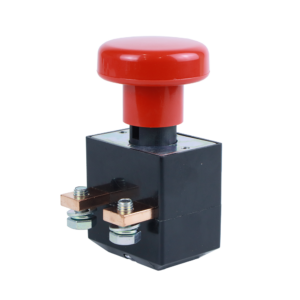
Battery Switch
A battery switch is commonly used to isolate and control the power supply in material handling equipment, such as forklifts, electric carts, and AGVs.
It enables rapid power disconnection during maintenance or emergencies, improving operational safety and protecting sensitive electrical components.
As a professional battery switch manufacturer, ELEHUB provides a range of On-Off switches, 1-2-Both_OFF Selector switches, and emergency stop switches for different demands.
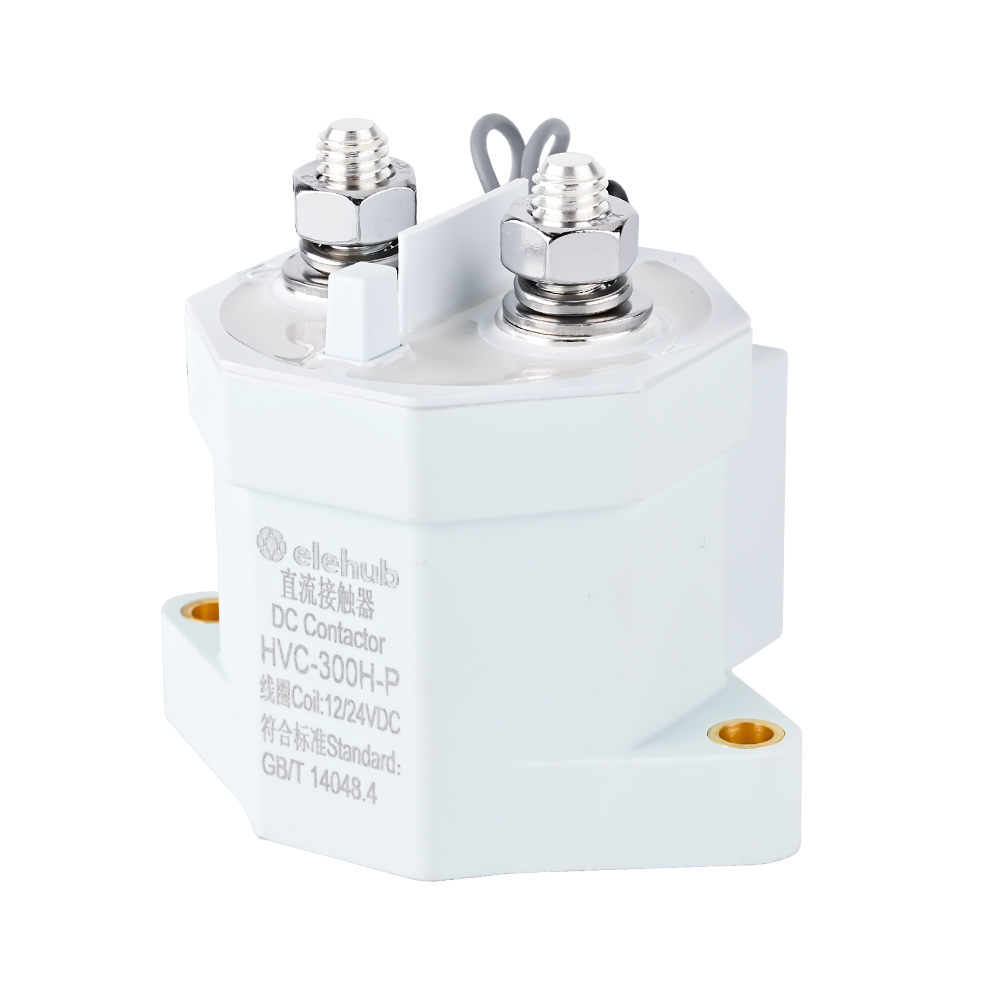
DC Main Battery Contactor
ELEHUB’s universal contactors are used as the primary power control device in material handling systems, enabling safe switching of the main DC power supply.
They play a key role in protecting equipment during startup, shutdown, and fault conditions, ensuring stable energy distribution across the system.

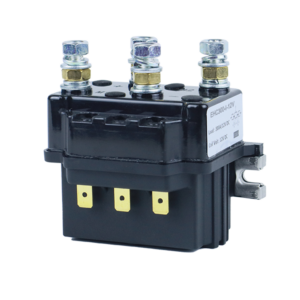
DC Reversing Contactor
A DC reversing contactor is crucial for controlling the direction of DC motor-driven equipment, enabling smooth forward and reverse motion by safely switching current direction. It is widely used in forklifts, conveyors, lifting systems, and electric vehicles.
👉 Further Reading:
DC contactors can also be applied in light electric mobility systems such as golf carts:
Read more in Golf Cart Contactor Guide: Function, Types, Testing & Replacement
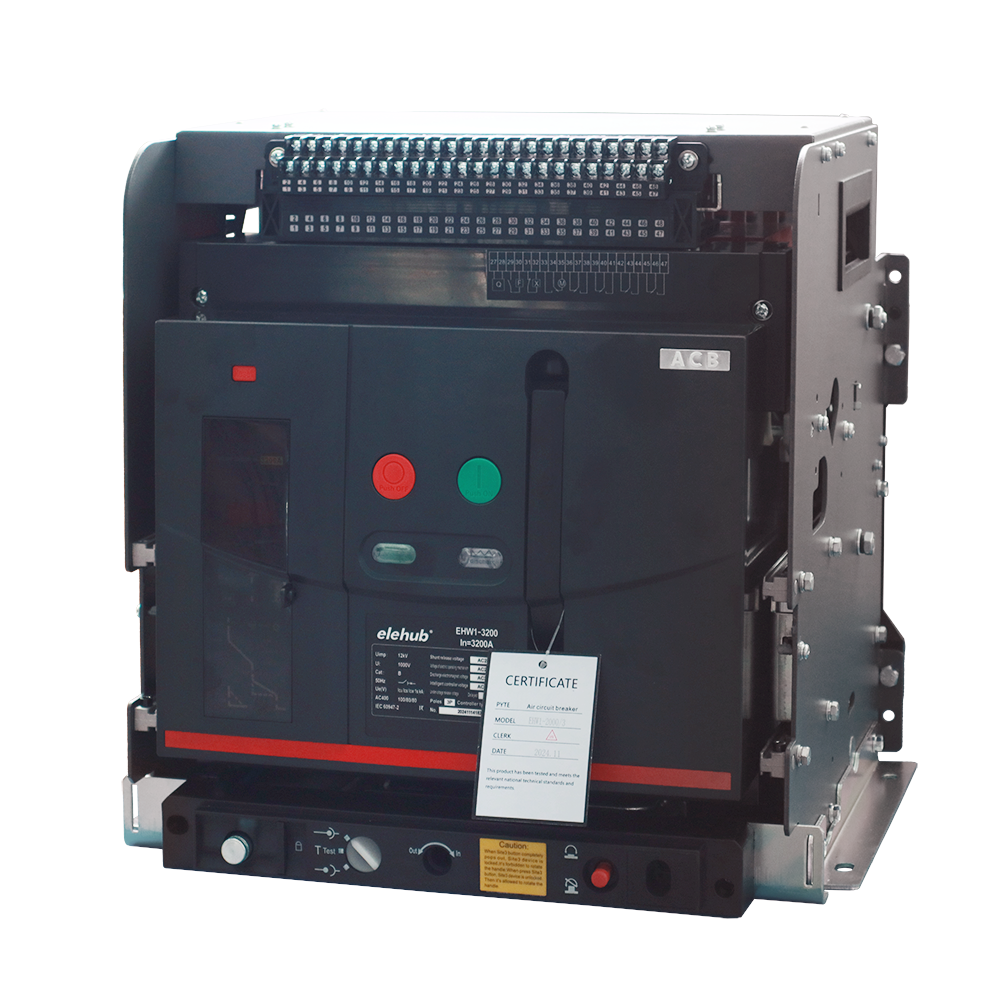
Circuit Breaker
A circuit breaker is used to protect material handling systems from overloads and short circuits. It automatically interrupts abnormal current flow, preventing damage to batteries, motors, and control systems.
In forklifts, AGVs, and electric carts, it ensures safe power distribution and improves overall system reliability and operational safety.

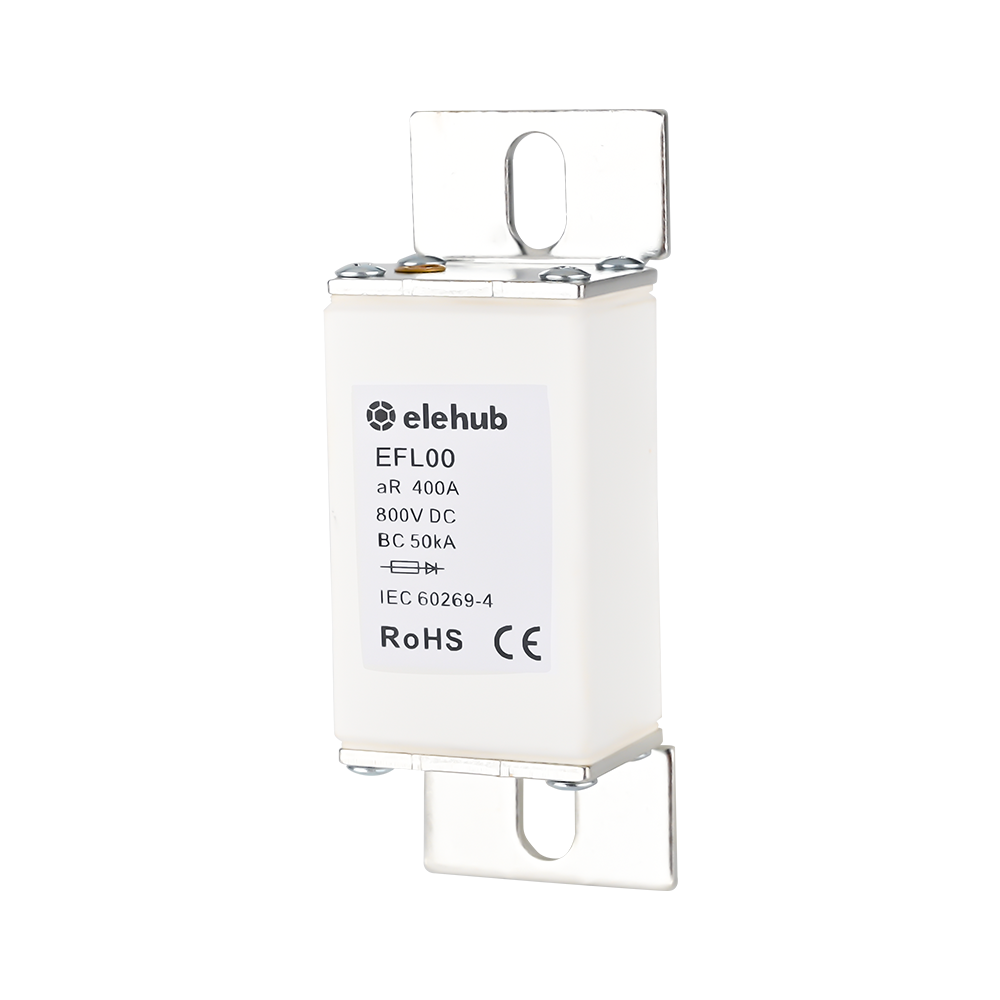
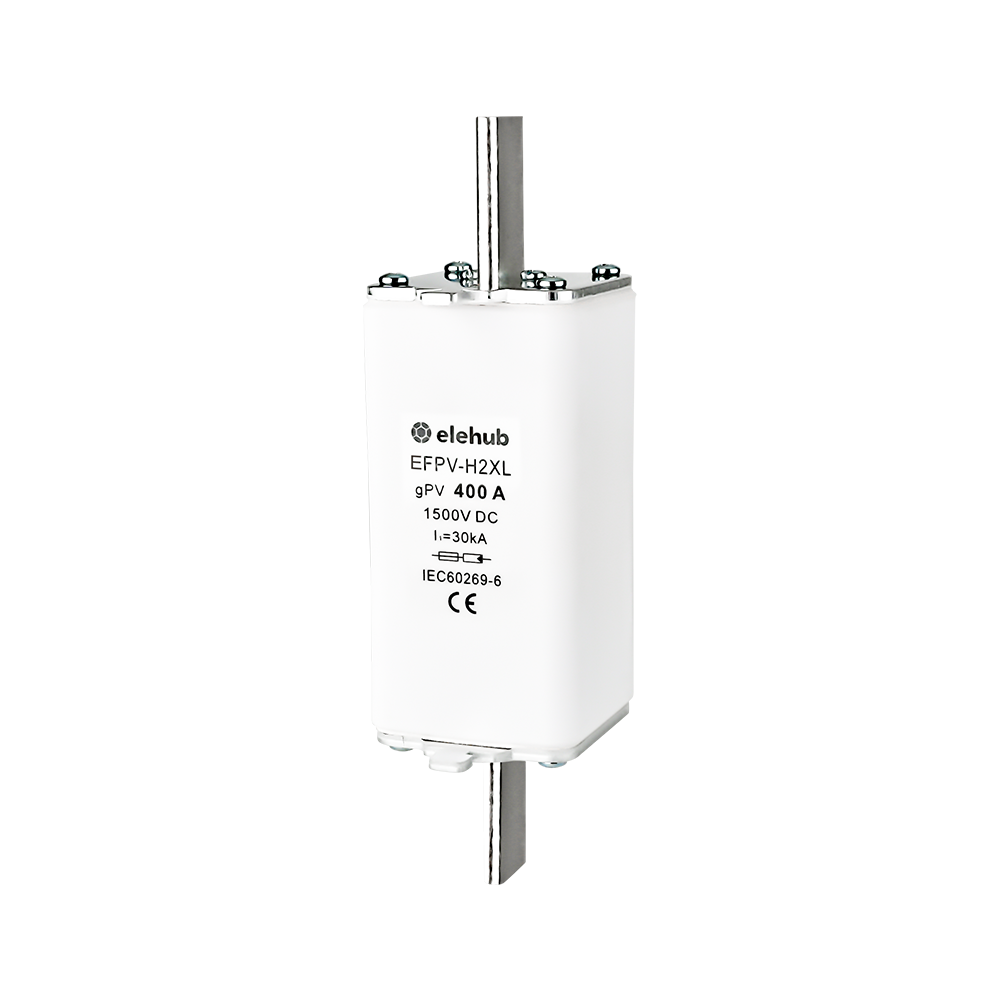
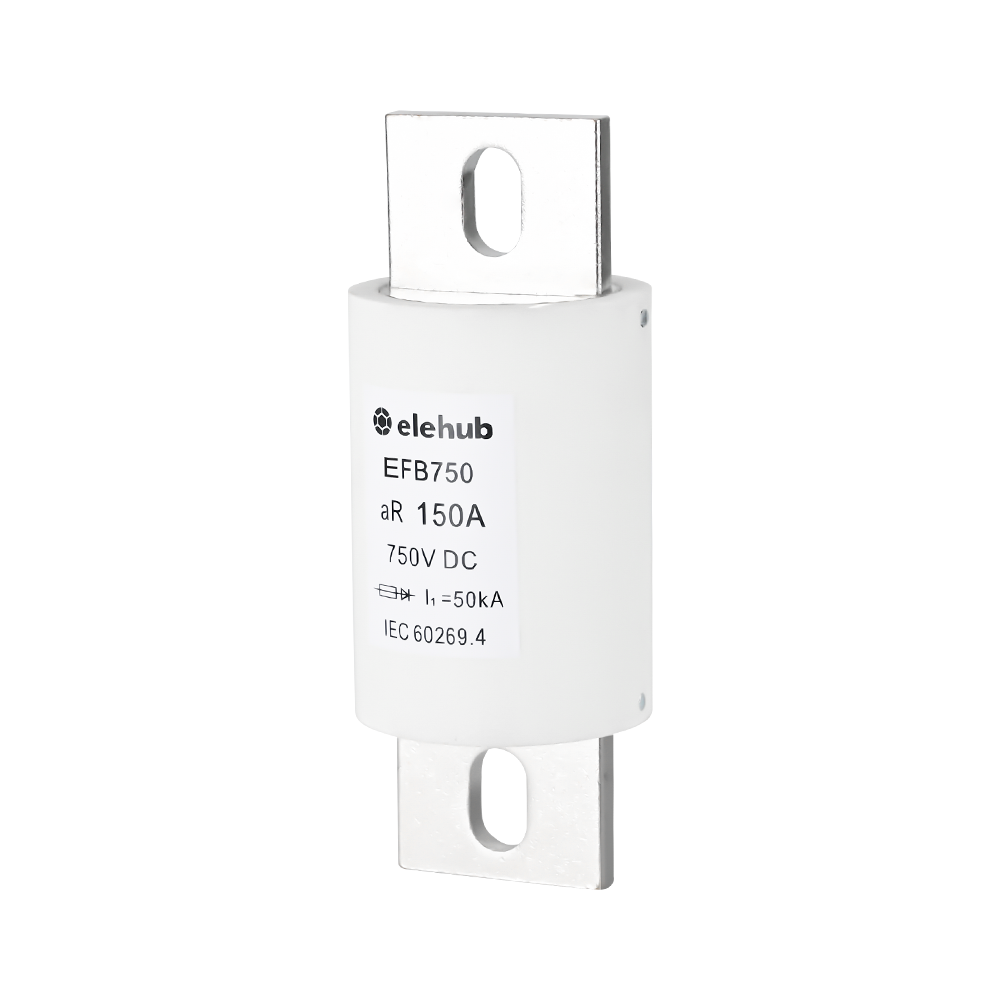
DC Fuse
A DC fuse provides fast-acting protection for electrical circuits in material handling equipment. When excessive current occurs, it melts quickly to cut off the circuit and prevent equipment damage.
It is widely used in battery-powered systems to safeguard wiring, batteries, and control units, ensuring stable and safe operation in industrial environments.

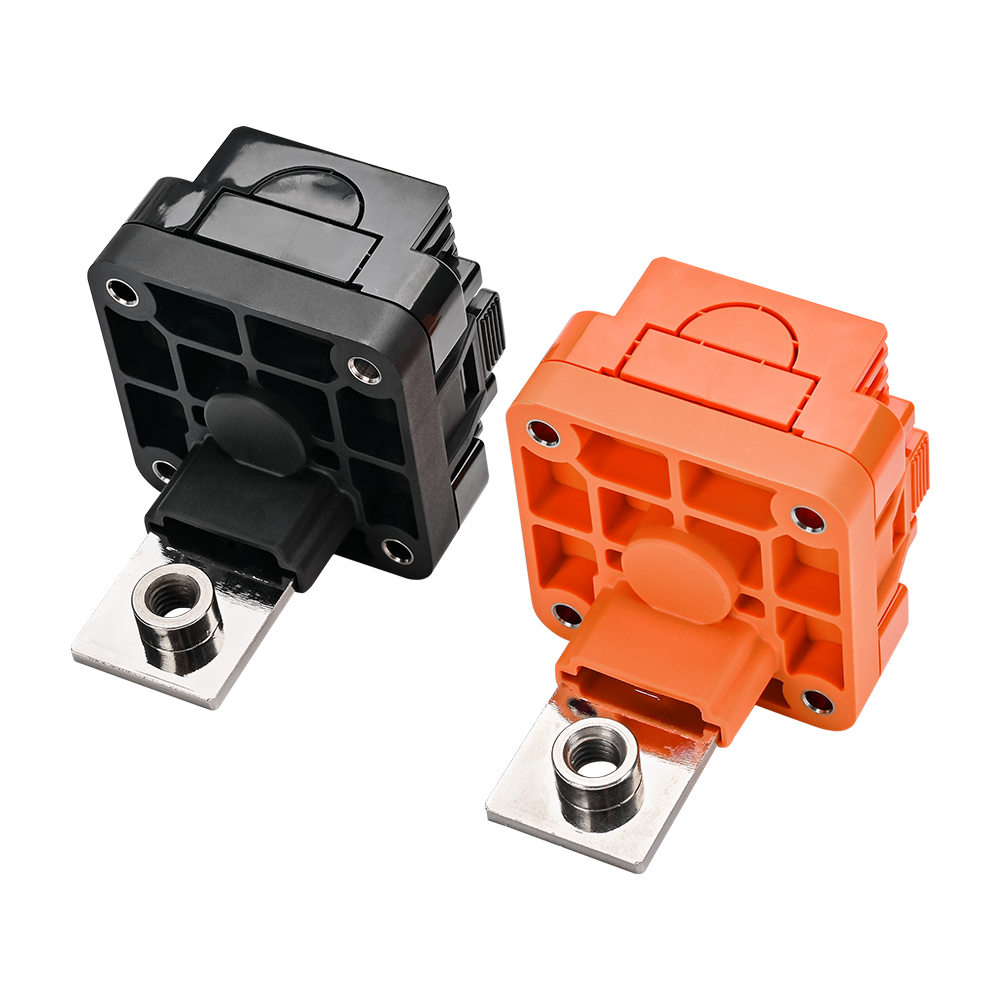
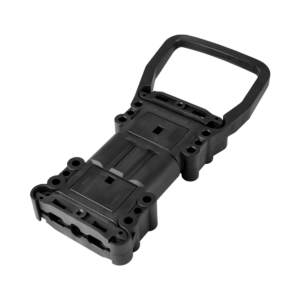
Battery Connector
A battery connector provides a stable and reliable electrical connection between power sources and equipment. It ensures consistent current flow, reduces energy loss, and minimizes the risk of loose or faulty connections that could interrupt operations.
High-quality connectors are especially important in high-vibration environments such as warehouses and construction sites.
ELEHUB specializes in battery connector solutions designed for industrial applications, including Anderson SB Connectors (80A / 160A / 320A) and Euro-DIN Connectors (50A to 350A).
👉 Read more about battery connector applications in forklifts:
Forklift Battery Connectors: Types, Specifications, and Selection Guide
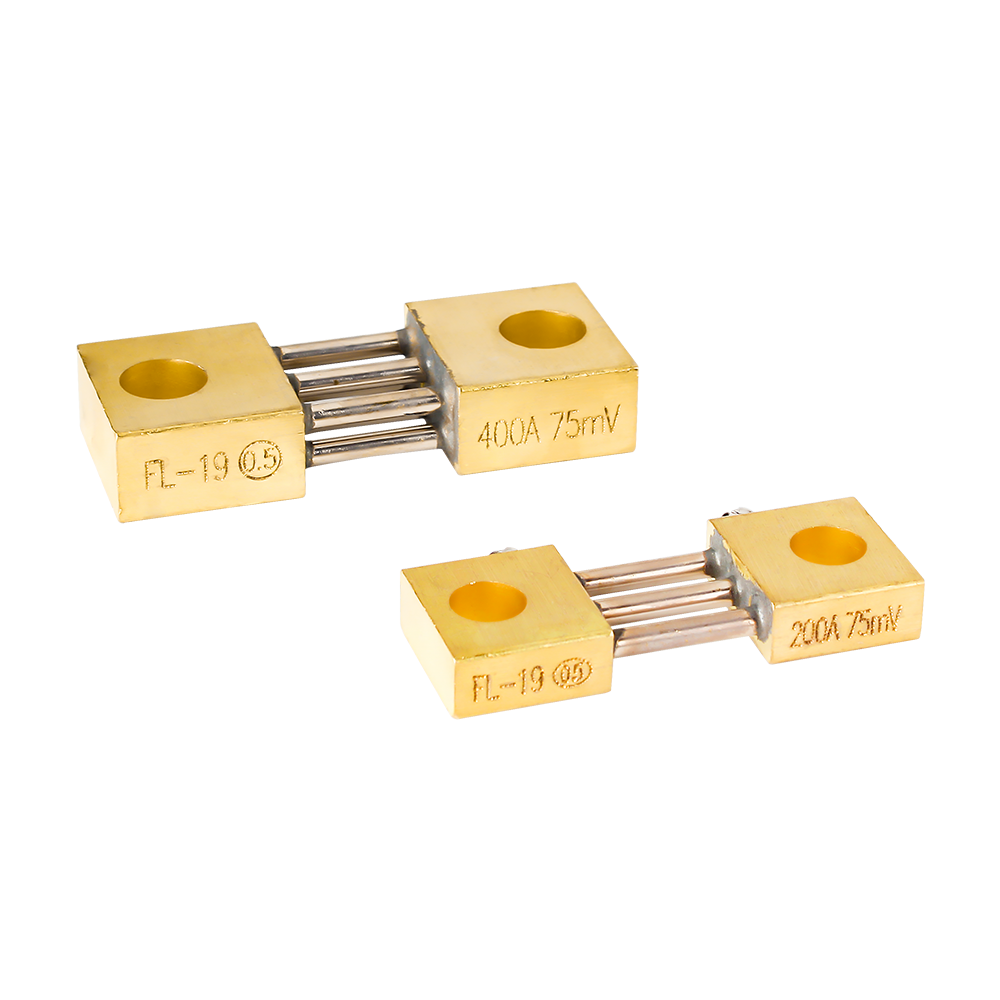
Current Shunt / Sensor
A current shunt or sensor is used to monitor real-time current flow in material handling systems, providing accurate data for system control and diagnostics.
In applications such as forklifts, AGVs, and electric carts, it enables precise battery monitoring, improves operational safety, and supports predictive maintenance for enhanced system reliability.

Future Trends in Industrial Material Handling Systems
Automation and Robotics
Robotics and automated systems are growing rapidly, minimizing dependence on manual labor and making operations highly efficient.
Artificial Intelligence
AI-based data analysis helps identify the need for performance optimization in material handling processes more effectively.
Internet of Things (IoT)
IoT-based devices support real-time monitoring and data collection, enable predictive maintenance, and improve decision-making capabilities.
Sustainable Solutions
Energy-efficient equipment and eco-friendly practices are becoming important for industries that focus on sustainability.
Smart Warehousing
Smart warehouses use advanced technologies such as AI, automation, and data analytics to improve efficiency and ensure accurate system operations.
Conclusion
Material handling equipment has become an important component in modern industries and commercial applications. It plays a key role in enhancing efficiency, reducing costs, and ensuring safe operations with optimized workflows across different industries.
With evolving features, MHE is advancing from basic storage systems to highly automated solutions through modern technologies. The proper integration of electrical devices, automation systems, and advanced techniques is transforming material handling processes into faster, safer, and more efficient operations.
For all these features, high-quality electrical components are essential and are available at ELEHUB in a wide range of products, such as battery switches, battery connectors, and contactors used in different MHE applications like automated systems, forklifts, and electric carts.
These components improve equipment reliability, ensure safe operation, and support efficient performance in challenging industrial environments.
As industries continue to grow and adopt new technologies, selecting the right material handling equipment is essential for achieving accurate and efficient operational results.
❓ FAQs
What are the 4 types of material handling equipment?
- Storage and Handling Equipment
- Bulk Material Handling Equipment
- Industrial Trucks
- Engineered Systems (Automated Material Handling)
What industries use material handling equipment the most?
Material handling equipment is widely used in manufacturing, logistics, warehousing, construction, agriculture, mining, and retail industries to improve efficiency, safety, and workflow optimization in daily operations.
What is the difference between manual and automated material handling systems?
Manual systems rely on human labor and simple tools, while automated systems use robotics, sensors, and software to move materials with higher speed, precision, and reduced human intervention.
How does material handling equipment improve workplace safety?
It reduces heavy lifting, minimizes human error, and prevents accidents by using machines like forklifts and conveyors, which handle loads more safely and consistently than manual operations.
What factors should be considered when selecting material handling equipment?
Key factors include load weight, material type, facility layout, budget, automation level, safety requirements, and maintenance needs to ensure efficient and cost-effective system performance.
Can small businesses benefit from material handling equipment?
Yes, small businesses can use basic equipment like pallet trucks and shelving systems to improve efficiency, reduce labor costs, and enhance organization without investing in full automation systems.
What are common maintenance requirements for material handling equipment?
Regular inspections, lubrication, component replacement, electrical checks, and safety testing are essential to ensure long-term performance, reduce downtime, and prevent unexpected equipment failures in operations.