In today’s advanced technological world, accuracy, high-speed processes, and efficiency are important factors. Industrial automation is considered a key element of the manufacturing process. Automation has become an essential part of applications such as vehicle assembly lines and packaging plants.
In this tutorial, we will cover the details of industrial automation and its importance in various industries. In this post, we will explore the key features of industrial automation and the different factors affecting industries. So, let’s get started.
Short Answer: Industrial automation refers to the use of control systems, robotics, and software to reduce human involvement in manufacturing processes. It improves productivity, safety, cost efficiency, and product quality across industries such as manufacturing, energy, automotive, and pharmaceuticals.
What is Industrial Automation?
The word “automation” is used to define different techniques, methods, and instruments employed for reducing human work in different processes. This makes the process effective, high-speed, error-free, and productive.
Automation is practically observed in different fields such as consumer tools, household devices, and also complex systems like the aviation and ship industries.
Automation occurs with the help of different scientific approaches, such as electrical, mechanical, computer, hydraulic, etc.
So, industrial automation is a field that works with industrial process automation and machines. For performing industrial automation, different techniques or processes, special instruments, and robots are employed for high-quality manufacturing, process quality control, and proper material handling methods.

Industrial robots are used in a bakery for food production
Source: By KUKA Roboter GmbH, Bachmann – KUKA Roboter GmbH, Zugspitzstraße 140, D-86165 Augsburg, Germany, Dep. Marketing, Mr. Andreas Bauer, http://www.kuka-robotics.com, Public Domain, https://commons.wikimedia.org/w/index.php?curid=3345405
In simple words, automation has become a main part of each industry, including supply chains. The industrial automation scope is fast-growing and continuously adding new technologies. For performing different operations, software, machines, and robotics are employed.
Industrial Automation System Architecture
Industrial automation systems are built on a layered control architecture that integrates sensing, decision-making, and system supervision. This structure enables real-time control, high reliability, and deterministic operation in industrial environments.
Industrial Automation Architecture Diagram
The diagram below illustrates a typical industrial automation architecture, showing the integration of field devices, control systems, and supervisory networks. It also highlights how data flows from sensors to controllers and monitoring systems in a real-world industrial environment.

Industrial automation and control systems
| Layer | Components | Function |
| Supervision Layer | Firewall, Workplace (clients), Application server, Engineering workstation, Mobile operator | Provides centralized supervision, data visualization, and remote access to industrial systems |
| Control Layer | Controller (PLC), Router, Touch-screen (HMI), Wireless Gateway | Processes input signals, executes automation logic, and connects upper and lower system layers |
| Field Layer | Sensors, Actuators, Motors, Industrial devices | Collects real-world signals and performs mechanical actions based on control commands |
Core Components of Industrial Automation
Different techniques work in collaboration for proper industrial automation:
1. Sensors and Actuators:
Sensors gather critical data from machinery and the surrounding environment, including temperature, pressure, and vibration. Actuators convert control signals into physical actions, enabling machines to operate as required.
2. Programmable Logic Controllers (PLCs):
PLCs are fundamental to automation systems. They execute programmed instructions, process input data, and control machinery with high speed and reliability.
3. Monitoring Systems:
These systems continuously track equipment performance and system conditions. They enable predictive maintenance by identifying potential faults before they lead to system failures.
4. Human-Machine Interface (HMI):
HMIs provide a visual interface for operators to monitor and control industrial processes. Through dashboards and graphical displays, users can interact with the system efficiently and make informed decisions.
Step-by-Step Automation Process
Industrial automation operates through a closed-loop control cycle, ensuring high precision, repeatability, and real-time response:
- Sensors detect real-time physical conditions (temperature, pressure, motion)
- Signals are transmitted to the PLC or industrial controller
- Control logic processes input data based on programmed rules
- Output signals activate actuators, motors, or relays
- System feedback is continuously monitored and corrected
Why Industrial Automation is Required in Industry
⚙️ Productivity
Industrial automation offers continuous bulk production supply that helps industries operate throughout the day with less downtime. Automation processes make all production faster, and by minimizing assembly times, they enhance productivity.
💰 Low Cost
Low cost is an important factor in the industrial automation process. The use of innovative techniques like automated machines, robots, and AI-based operations reduces manufacturing costs, which makes products more valuable and enhances overall profit for users.
👍 High-Quality Product
The automation process also reduces errors and enhances consistency, providing high-quality products with continued stability. The average error rate in manual processes is about 1.15 percent, while industrial automation error rates are less than 0.00001 percent.
🛡️ High Safety
Automation also increases the safety of operations and uses protection techniques in application processes. It reduces human errors, avoids serious injuries and accidents, and uses machines and robots to manage difficult operations properly, reducing risks to operators.
🔄 High Flexibility
Automation methods also enable industrial processes and machines to operate with high flexibility. Reprogramming robots and machines helps industries adapt to changing market trends.
🧑🏻🏭 Enhanced Human Capacity
These processes help users perform repetitive tasks effectively and also enable them to handle more complex operations. This is beneficial as a combination of industrial automation and human labor increases overall capacity.
📊 New Data Support & Production Traceability
Automated data collection and assembly are important parts of automation. Advanced processes and techniques help gather and analyze data to provide new insights. This helps manufacturers ensure product traceability, minimize wastage, and optimize processes accurately.
🔍 Monitoring & Predictive Maintenance
A key feature of industrial automation is providing regular monitoring for all processes. Different sensors are part of advanced industrial machines, making it easier to detect faults in manufacturing processes and resolve them quickly. This helps reduce maintenance costs, extend equipment life, and minimize errors.
Types of Industrial Automation
The main types of industrial automation and their importance are explained here:
| Type | Description | Best Use Case |
| Fixed Automation | Dedicated machines for repetitive tasks | Mass production |
| Programmable Automation | Reprogrammable systems like PLCs | Batch production |
| Flexible Automation | Adaptive robotic systems | High customization |
| Integrated Automation | Fully connected smart systems | Smart factories |
Fixed Automation
Fixed automation is an older form of industrial automation, and it uses specialized equipment for performing specific operations. Fixed automation systems perform repetitive operations without human effort and do not have reprogramming features.
It operates at high speed and is suitable for mass production, especially in applications where the same operations are repeated, such as assembly line work.
For example, in vehicle manufacturing, the production process follows multiple stages, and each stage is performed by a specific machine. As the car moves along the assembly line, it passes through each stage of the manufacturing process, and the machine installed at each point performs a specific operation.

Automotive assembly line
Source: By Brian Snelson – originally posted to Flickr as Final assembly, CC BY 2.0, https://commons.wikimedia.org/w/index.php?curid=5817926
Programmable Automation
Computer-controlled machines are used in programmable automation to control different processes in manufacturing. Compared to fixed automation, which performs specific tasks, programmable automation offers greater flexibility and can perform different operations.
For example, Programmable Logic Controllers (PLCs) are an important part of programmable automation, as they are used for programming and controlling various automated processes.
It is used for real-time monitoring of automated processes, and if any changes occur, adjustments can be made accordingly. This approach allows industries to modify processes to meet changing requirements.
Programmable automation is commonly used in industries where moderate customization is required, such as in manufacturing processes with variations. For example, in CNC machining, different products can be manufactured simply by updating the control program.

CNC metal lathe
Source: By Somesomething243 – Own work, CC BY-SA 4.0, https://commons.wikimedia.org/w/index.php?curid=48832695
In more advanced industrial setups, modular PLC systems are commonly adopted. These systems allow easy expansion and integration with additional modules, enabling manufacturers to scale operations efficiently while maintaining precise control over complex processes.

Modular PLC
Source: By Cmarcante – Own work, CC BY-SA 3.0, https://commons.wikimedia.org/w/index.php?curid=4826855
Flexible Automation
Flexible automation is an advanced form of industrial automation that provides a high level of customization compared to other types. It combines features of both fixed and programmable automation with the help of advanced robotic and automated systems, allowing different manufacturing operations to be performed with minimal human involvement.
Flexible automation includes reprogramming capabilities and adapts to variations in industrial processes and production demands. Compared to programmable automation, which mainly relies on software for machine control, flexible automation also uses advanced hardware that can quickly adapt to perform different operations.
These systems are ideal for industries that require high customization and frequent changes in the manufacturing process. Common examples of flexible automation include:

- Autonomous mobile robots (AMRs)

- Automated guided vehicles (AGVs)

- Adaptive assembly lines
Self-driven processes are among the most prominent applications where flexible automation is used, especially when integrated with advanced material handling solutions that ensure seamless movement of components between different stages of production.
Integrated Automation
Integrated automation involves the collaboration of programmable, fixed, and flexible systems to optimize manufacturing processes. However, this automation technique is complex, as it combines different automation approaches to create a unified manufacturing system.
These systems use advanced computer software programs to enable coordination between different automated systems such as robotics, conveyors, and various industrial processes, allowing them to perform complex operations efficiently.
Common examples of integrated automation include:
- Smart industries
- Computer-integrated manufacturing (CIM) processes

Manufacturing Systems Integration Program, NIST 2008
Source: By National Institute of Standards and Technology’s Manufacturing Engineering – NIST Programs of the Manufacturing Engineering Laboratory, Public Domain, https://commons.wikimedia.org/w/index.php?curid=7477490
How to Protect Electrical Circuits in Industrial Automation
Industrial automation systems operate 24/7, meaning even minor electrical faults can cause serious disruptions such as production downtime, expensive equipment damage, data loss in control systems, safety hazards for operators, and reduced system lifespan.
Therefore, layered electrical protection is needed to ensure operational stability:
Circuit Breakers (Primary Protection Device)
Circuit breakers are essential safety devices used to protect electrical circuits from overloads and short circuits.

In industrial automation systems, commonly used types include:
They help prevent damage to automation devices, disconnect faulty circuits, and ensure that the system remains reliable and safe.
Fuses (Fast Fault Protection)
Fuses are sacrificial devices that melt when excessive current flows.

They provide a simple and effective way to prevent electrical damage in industrial automation by quickly breaking the circuit during faults. They respond fast, are low-cost, easy to install, and widely used.
However, once tripped, they must be replaced, which can cause maintenance downtime in industrial automation systems.
Surge Protection Devices
Surge protection devices protect systems from voltage spikes caused by lightning or switching events.

Key roles:
- Divert excess voltage to ground
- Protect PLCs, HMIs, sensors
- Prevent insulation breakdown
Essential in environments like factories, solar systems, and telecom power systems.
Relays and Contactors
Relays and contactors are switching devices used to control circuits by opening or closing contacts. They are important for automation logic and control, as they enable remote switching, circuit isolation, and power control. They also help automate operational sequences.

Relays are used in low-power control circuits, while contactors are used to control high-power loads such as heavy equipment and motors. Check out our blog to learn more about the difference between a relay and a contactor.
Grounding and Earthing Systems
Grounding and earthing systems ensure that fault currents are safely discharged into the earth, protecting both equipment and personnel. They help prevent electric shock by providing a safe path for excess current.

These systems also stabilize voltage levels within industrial automation networks. In addition, proper grounding significantly reduces the risk of equipment damage and system failure.
How Do Industrial Automation Systems Improve Productivity
Less Human Error
Human-based operations have a higher chance of errors, especially during complex tasks. Industrial automation operates with accurate, preprogrammed commands that minimize variations.
For example, robotic arms in assembly lines place components in precise positions consistently, while human work may result in slight misalignment.
Automated quality inspection systems detect faults instantly and prevent defective parts from moving to the next stage.
A lower number of errors results in less rework, reduced material waste, and improved productivity.
High Manufacturing Speed
Machines operate quickly and continuously without interruption. Compared to humans, automated systems can run continuously and maintain consistent performance.
For example, in industries, conveyor belts and packaging machines operate continuously.
Similarly, high-speed precision operations such as sorting are completed in a short time.
Resource Optimization
Industrial automation systems use sensors and software for monitoring and managing production processes efficiently. For example:
- Adjusting energy usage based on machine load
- Reducing raw material waste through accurate cutting and mixing processes
- Allocating manufacturing resources based on requirements
Predictive Maintenance
Traditional maintenance is performed at fixed intervals, which may be too early or too late. Automated systems use sensors to monitor equipment in real time and detect potential issues in motors, gears, or belts.
They can identify temperature variations and vibrations, which are early signs of component failure.
Industries That Use Automation
🏭 Manufacturing
Automation powers assembly lines, quality control systems, and robotic operations, enabling efficient manufacturing processes and maintaining product quality. It reduces human error while increasing production speed and consistency.
Common equipment includes:
- Machine vision inspection systems for quality control

1983 Autovision II machine vision demo with backlit image inspection and blob extraction
Source: By ArnoldReinhold – Own work, CC BY-SA 3.0, https://commons.wikimedia.org/w/index.php?curid=7048891
- Industrial robotic arms for assembly

Robotic arm installs primary mirror segments of the James Webb Space Telescope.
Source: By Chris Gunn – NASA Webb Telescope Mirrors Installed with Robotic Arm Precision, Public Domain, https://commons.wikimedia.org/w/index.php?curid=48792095
🛢️ Oil & Gas
In the oil and gas industry, refineries, pipelines, and drilling operations use automated control systems with monitoring features to ensure safe and efficient operations. These systems help detect pressure changes, leaks, and equipment failures in real time. Automation also improves safety by reducing the need for manual inspection in hazardous environments.
Typical equipment includes SCADA (Supervisory Control and Data Acquisition) systems and automated pipeline control valves.

SCADA is used in office to remotely monitor a process
Source: By U.S. Department of Agriculture – Flickr: 20130618-RD-LSC-0278, Public Domain, https://commons.wikimedia.org/w/index.php?curid=34184035
⚡️ Energy & Power
Power systems, including power distribution networks, renewable energy plants, and smart grids, use automation to minimize downtime and improve reliability. Automated monitoring systems help balance energy supply and demand efficiently. This ensures stable electricity delivery and supports integration of renewable energy sources like solar and wind.
Key equipment includes smart grid controllers and programmable protection relays used in substations.
🚗 Vehicle Industry
Robotic welding, assembly, and painting simplify car manufacturing while maintaining high accuracy. Automation ensures consistent quality across thousands of vehicles produced daily. It also allows manufacturers to switch between models more efficiently using programmable systems.
Common equipment includes:
- Spot welding robots

Spot welding of BMW 3 series car bodies with KUKA industrial robots
Source: By BMW Werk Leipzig – http://bmw-werk-leipzig.de, CC BY-SA 2.0 de, https://commons.wikimedia.org/w/index.php?curid=11928438
- Automated paint spray systems in production lines
KJ314 from Kawasaki Robotics
🥫 Food & Beverage
Packaging, processing, and sorting operations use automation to maintain high-speed production, ensure hygiene, and achieve consistent output.
In a typical bottling production line, bottles move continuously along a conveyor belt, while each machine performs a specific fixed task such as rinsing, filling, capping, and labeling. The entire process is highly standardized, with each station dedicated to a single repetitive function, ensuring efficient, high-speed, and large-scale mass production.
Automated systems reduce direct human contact, improving food safety standards. They also help maintain uniform product quality in large-scale production.

Beer bottling line
Source: By indeedous/Wikimedia Commons, Attribution, https://commons.wikimedia.org/w/index.php?curid=24541157
💊 Pharmaceuticals
In the pharmaceutical industry, PLC-based systems are commonly used to monitor and control critical parameters such as temperature, pressure, flow rate, and mixing conditions, ensuring precision and compliance with strict standards.
Common equipment includes automated tablet press machines and PLC-controlled mixing and batching systems.

PLCs for a monitoring system in the pharmaceutical industry
Source: By Pierre75000 – Own work, CC BY-SA 4.0, https://commons.wikimedia.org/w/index.php?curid=80946678
Automated systems enable precise manufacturing, accurate dosage control, and high-quality assurance. They are essential for maintaining strict regulatory compliance in drug production. Automation also reduces contamination risks and ensures consistent batch quality.
Conclusion
Industrial automation is an important part of modern industries, commonly employed to enhance productivity and maintain product quality while ensuring safety. With this, automation drives operational transformation in every industry.
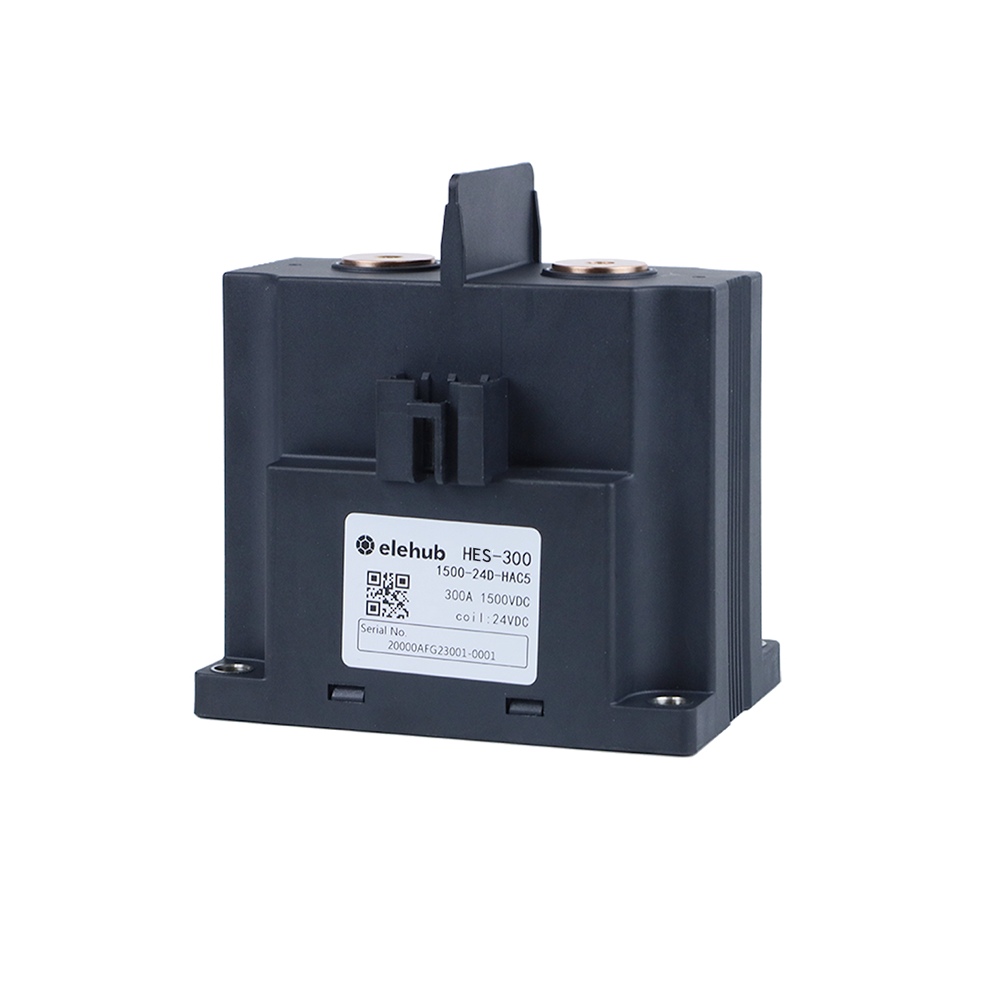
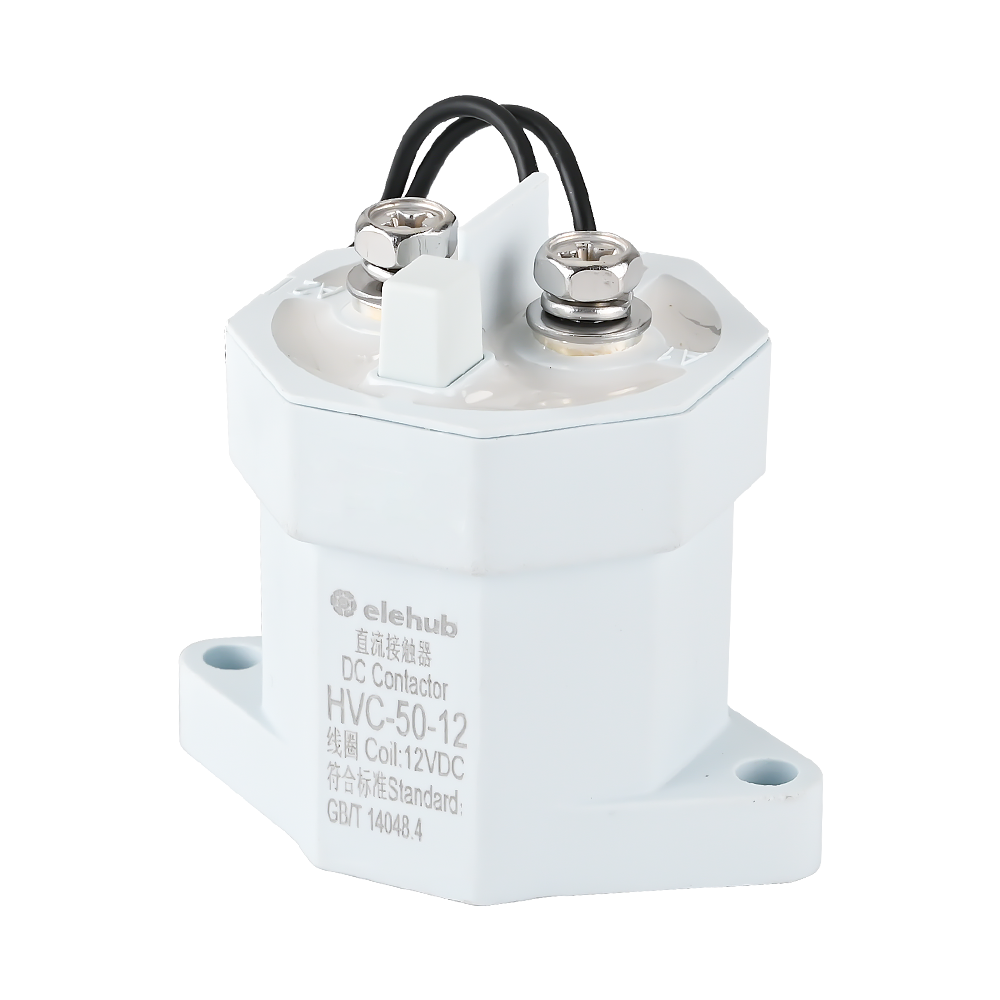
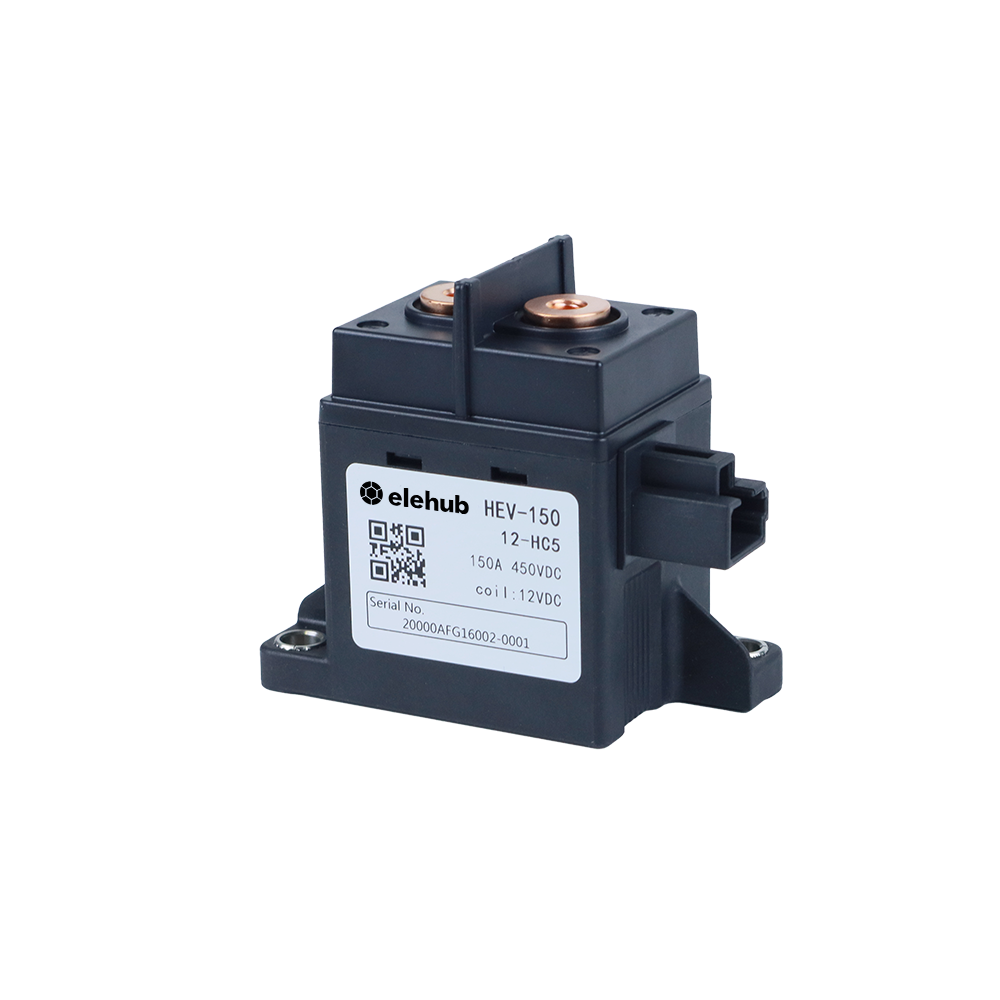
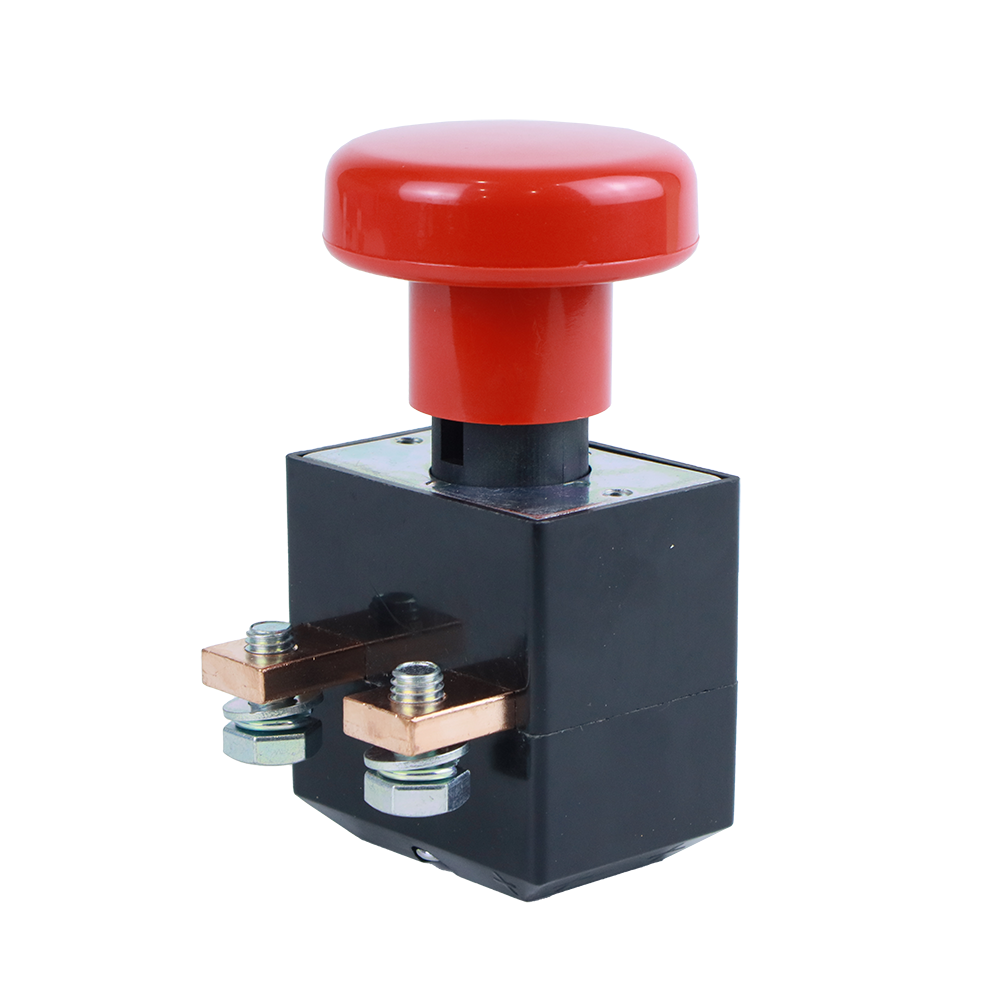
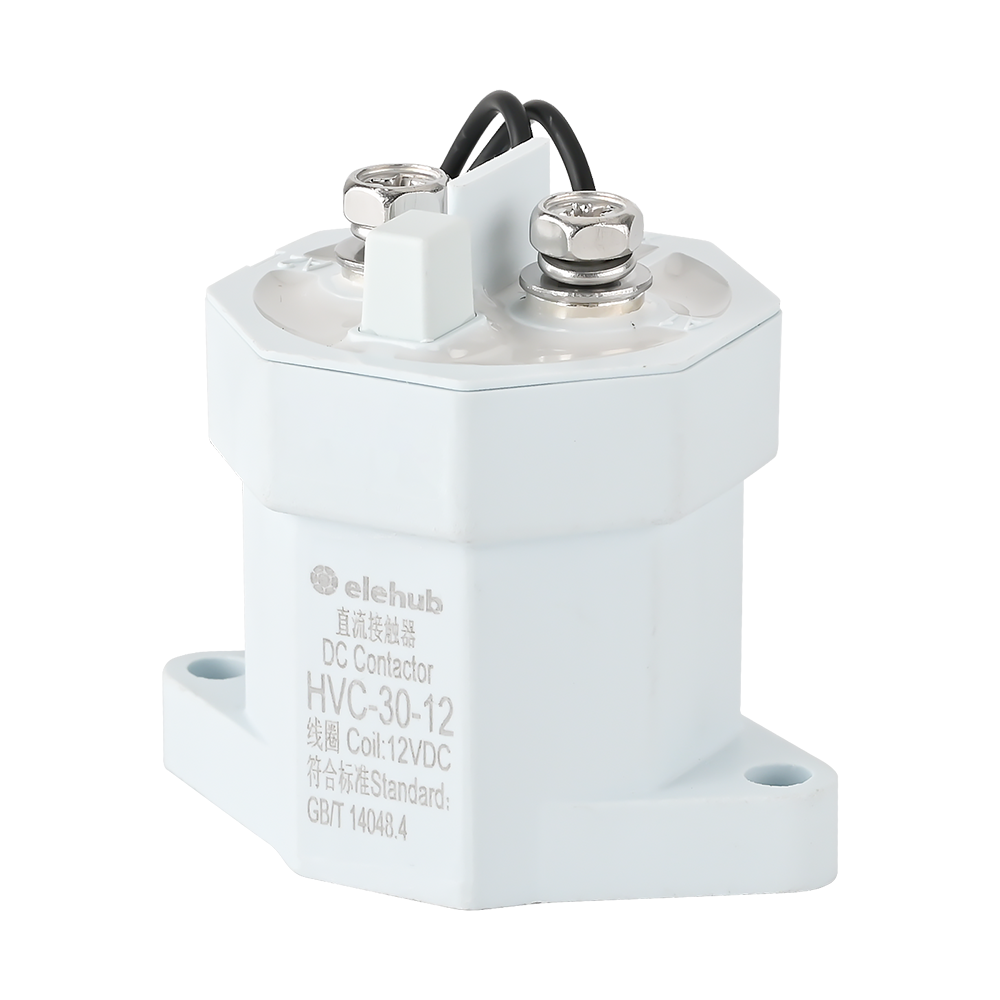
A key element of this transformation is a reliable DC-based control system. High-quality components like DC contactors are essential for accurate switching, precise motor control, and effective power management in industrial automation systems.
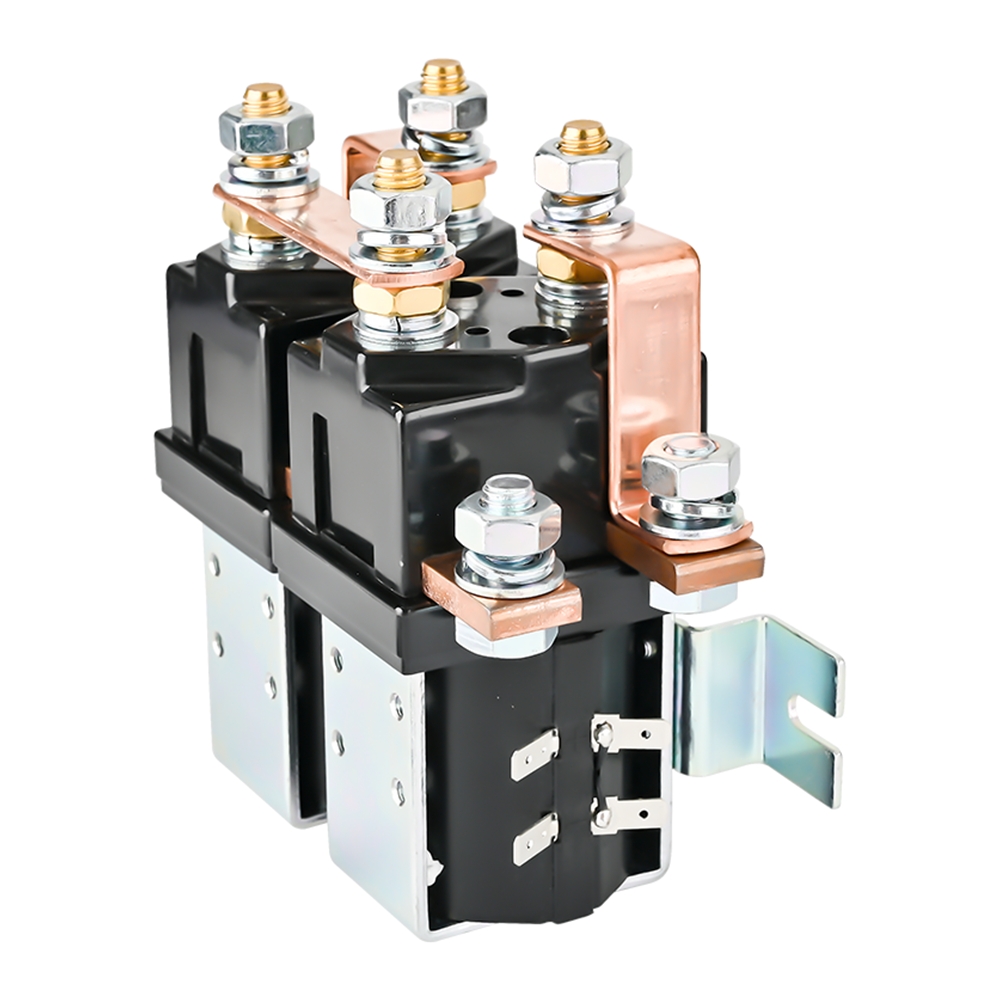
For example, DC reversing contactors are important devices for controlling motor direction in applications such as lifting systems and conveyors. Universal DC contactors provide flexible switching solutions for different industrial applications.
Elehub supports these high-demand requirements by providing specialized DC components designed for automation systems. They offer products such as DC reversing contactors and universal DC contactors, helping engineers build complete system assemblies that are efficient and easy to integrate.
With the reliable integration of Elehub components, industries can develop automation systems that deliver high performance and are future-ready, scalable, and safe.