Commercial solar PV systems represent one of the most significant opportunities for businesses to reduce operating costs while contributing to environmental sustainability. These large-scale photovoltaic installations convert sunlight directly into electricity, providing clean energy that can power everything from small office buildings to massive industrial facilities.
What Are Commercial Solar PV Systems

A commercial solar PV system is a photovoltaic installation to meet the energy needs of businesses, institutions, and organizations. Unlike residential solar installations that typically range from 3-10 kilowatts, commercial solar arrays range from 25 kilowatts to several megawatts, depending on facility size and energy requirements.
Commercial solar PV systems serve diverse applications including office buildings, retail centers, manufacturing facilities, schools, hospitals, warehouses, and agricultural operations. These systems can offset a significant portion of a facility’s electricity consumption, reducing utility bills and providing long-term energy cost predictability.
The scale of commercial solar arrays allows for economies of scale that make them highly cost-effective. Larger installations spread fixed costs like permitting, design, and installation across more solar panels, resulting in lower per-watt installation costs compared to smaller residential systems.
Commercial installations also benefit from more favorable financial incentives, including federal tax credits, accelerated depreciation schedules, and power purchase agreement options that make solar adoption financially attractive for businesses of all sizes.
Core Components of Commercial Solar Arrays

Commercial solar PV systems consist of several integrated components that work together to convert sunlight into usable electricity for business operations.
1. Solar Panels form the foundation of any commercial solar array. Most commercial installations use either monocrystalline or polycrystalline silicon panels, with monocrystalline panels offering higher efficiency but at a premium cost. Commercial panels typically produce 300-500 watts each and are designed for durability in harsh environmental conditions.
2. Inverters convert the direct current (DC) electricity produced by solar panels into alternating current (AC) electricity used by commercial electrical systems. Commercial installations typically use either string inverters that serve multiple panels or power optimizers that maximize energy production from each panel individually.
3. Mounting Systems secure solar panels to rooftops or ground-mounted structures. Commercial mounting systems must withstand significant wind and snow loads while providing proper drainage and access for maintenance. Roof-mounted systems require careful engineering to distribute weight evenly across building structures.
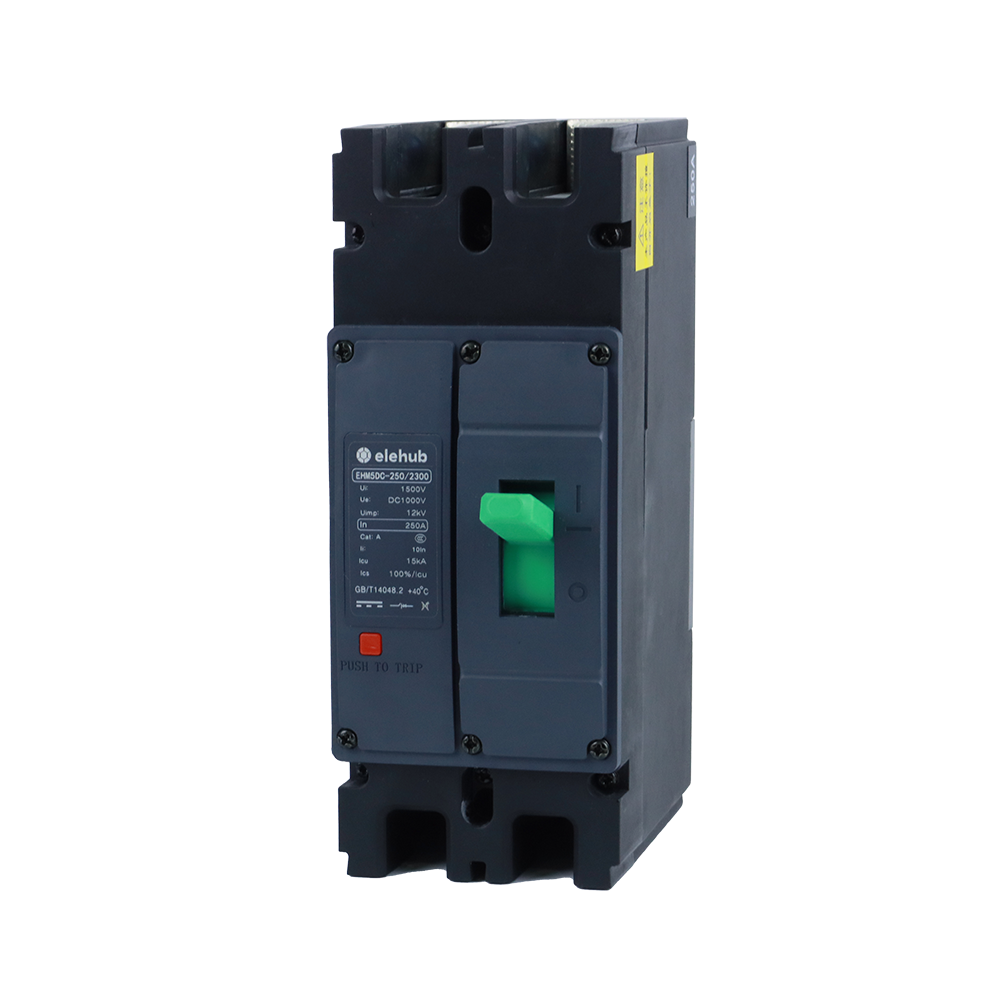
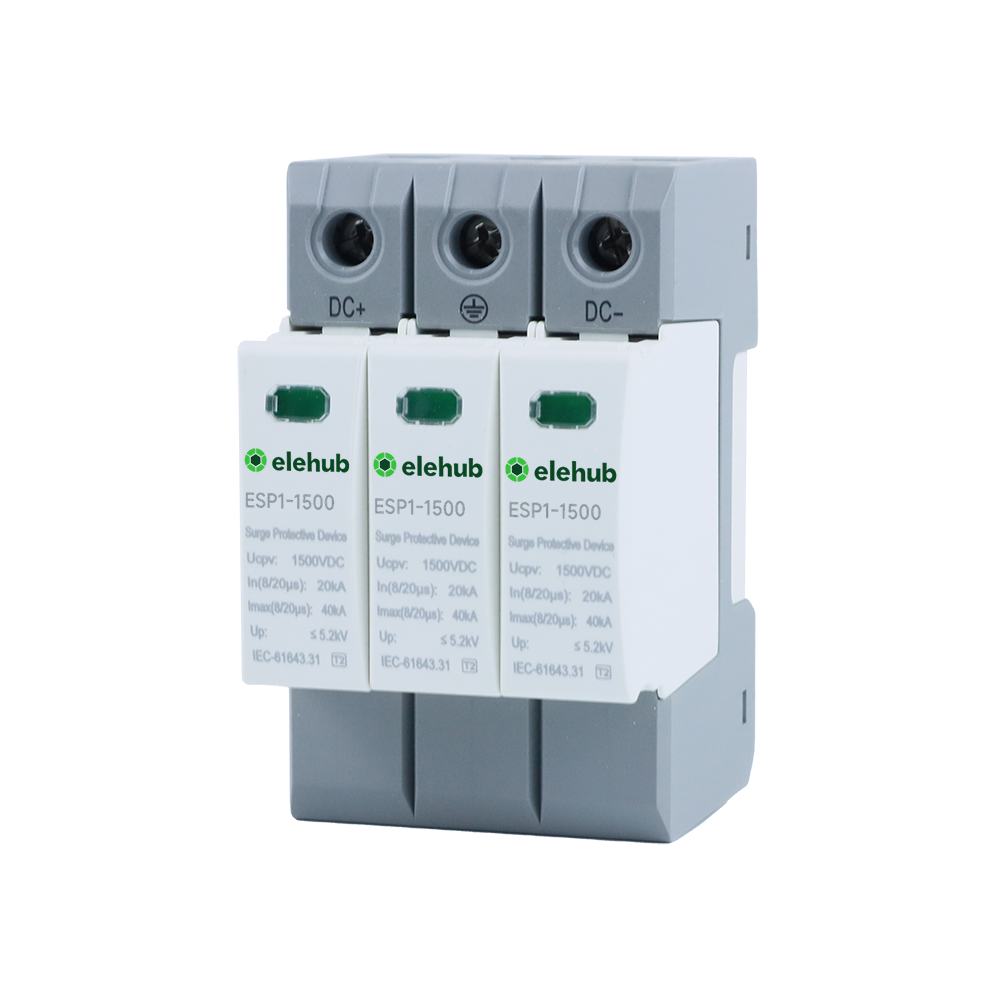
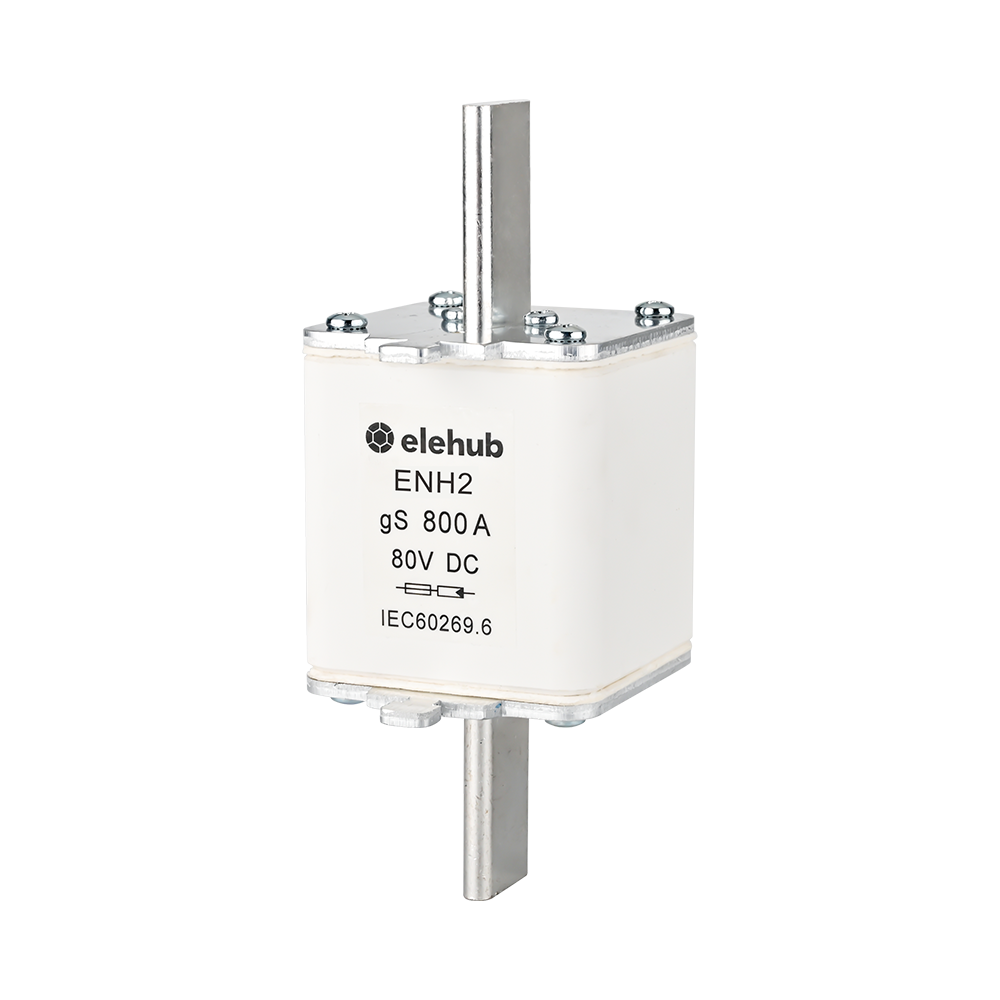
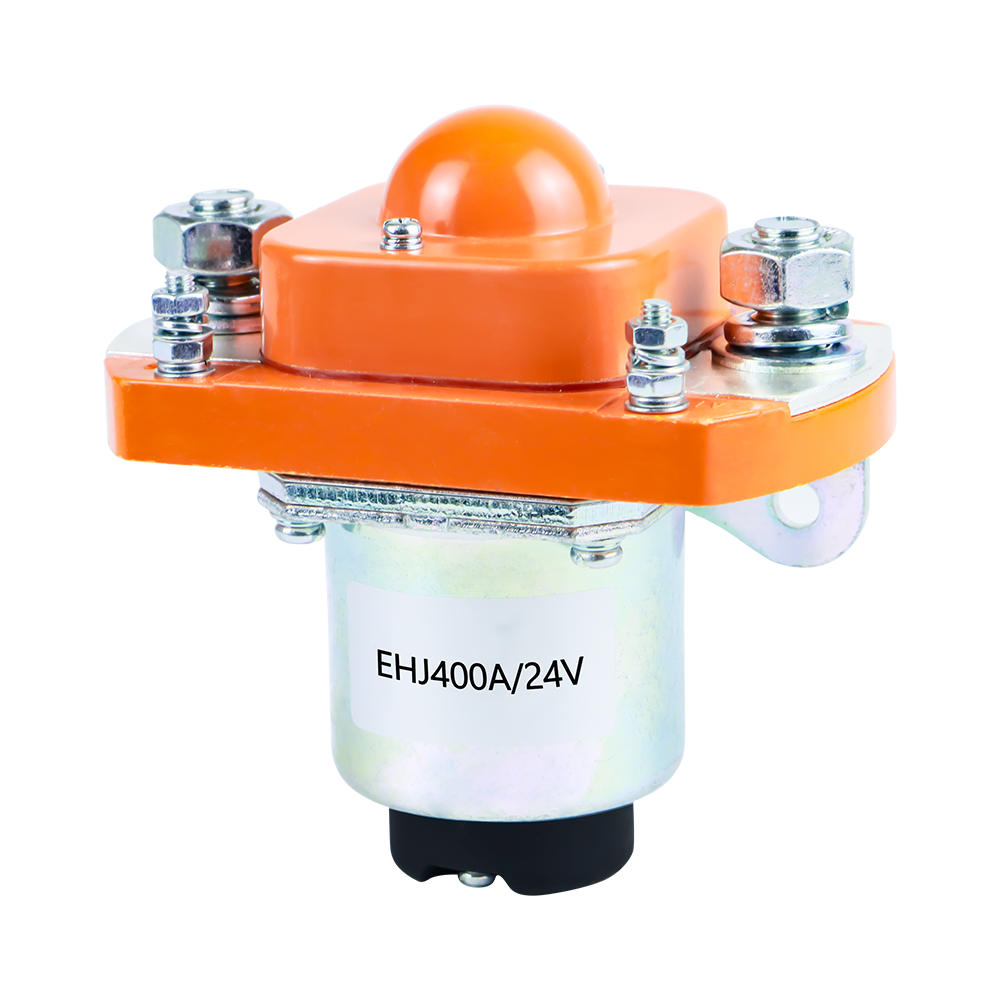
4. DC Electrical Infrastructure forms the critical foundation of commercial solar arrays, handling high-voltage DC power generated by solar panels before conversion to AC electricity. DC combiner boxes consolidate multiple panel strings into fewer, larger conductors, reducing installation complexity and improving system reliability. DC disconnect switches provide safe isolation points for maintenance and emergency shutdown, while DC surge protection devices guard against lightning and electrical transients that could damage expensive system components.
5. AC Electrical Infrastructure includes AC disconnect switches, monitoring systems, production meters, and grid interconnection equipment. Commercial installations require more sophisticated electrical systems to handle higher power levels and integrate safely with existing facility electrical systems.
6. Monitoring and Control Systems track energy production, system performance, and maintenance needs. These systems provide real-time data on energy generation, identify underperforming components, and help optimize system operation for maximum energy production.
DC Electrical Components in Commercial Solar PV Systems
DC electrical components represent the backbone of commercial solar PV systems, handling the high-voltage direct current electricity generated by solar panels before it reaches inverters for AC conversion. Understanding these components is vital for system safety, performance, and longevity.
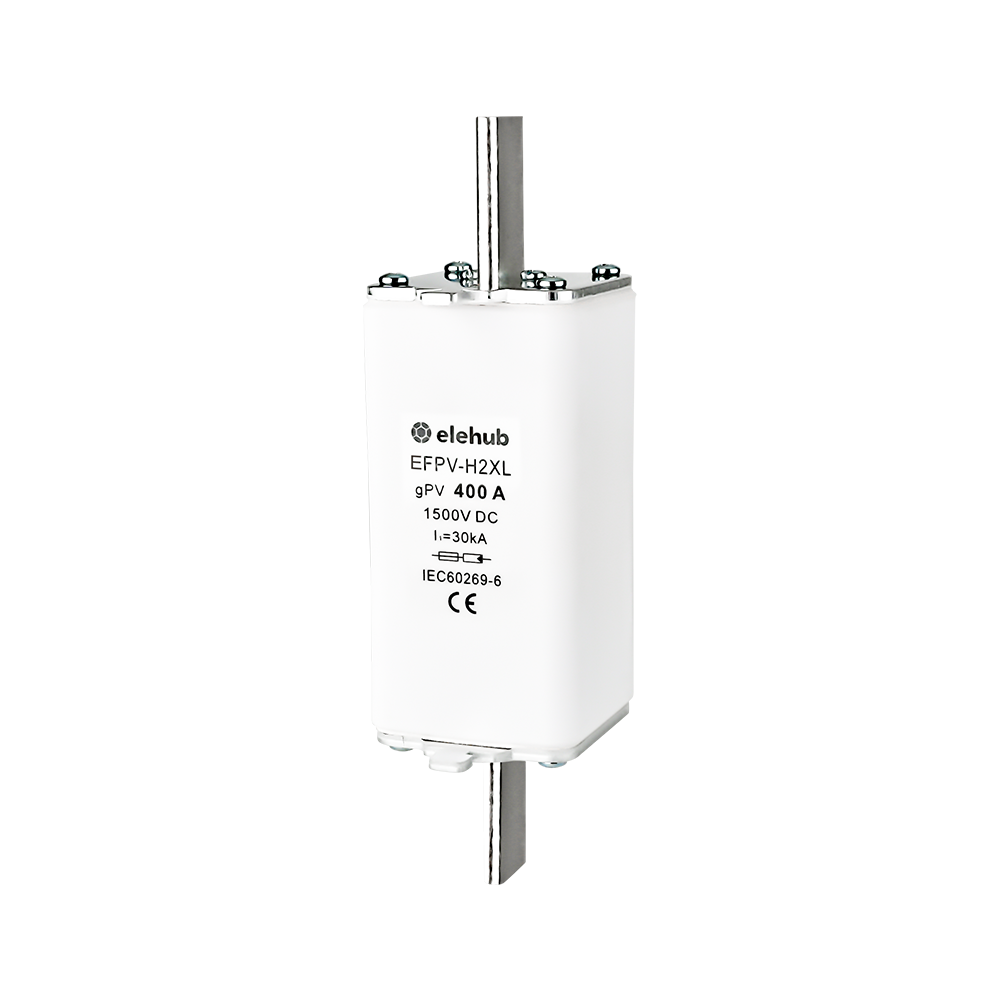
DC Combiner Boxes serve as central collection points where multiple solar panel strings connect together. These weatherproof enclosures house fused connections that protect individual strings from overcurrent conditions while combining their outputs into fewer, larger conductors. In large commercial solar arrays, combiner boxes significantly reduce the number of home runs to inverters, simplifying installation and reducing material costs.
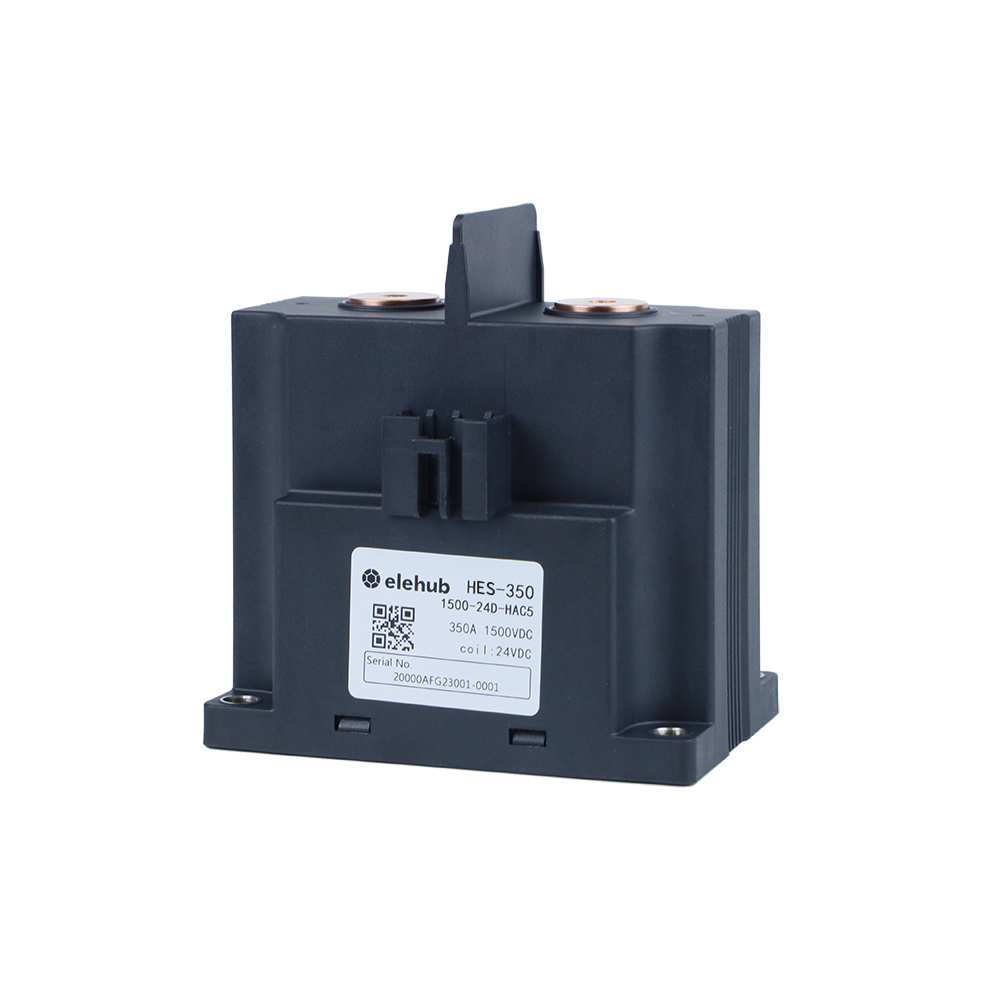
DC Disconnect Switches provide critical safety isolation points throughout the DC electrical system. These manually operated switches allow technicians to safely de-energize sections of the solar array for maintenance or emergency response. Commercial installations require multiple DC disconnects at strategic locations, including combiner boxes, inverter locations, and main electrical panels.
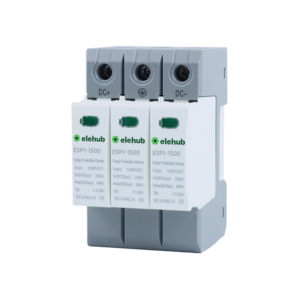
DC Surge Protection Devices protect expensive system components from voltage spikes caused by lightning strikes or electrical grid disturbances. These devices detect overvoltage conditions and divert dangerous currents safely to ground, preventing damage to solar panels, combiner boxes, and inverters that could result in costly repairs and extended downtime.
DC Wiring and Cable Management systems must handle potentially dangerous voltage levels while providing decades of reliable service in outdoor environments. Commercial solar installations use specialized DC cables with enhanced UV resistance, temperature ratings, and moisture protection. Proper cable management prevents damage from wind, thermal cycling, and wildlife while maintaining safe clearances from building structures.
DC Monitoring Equipment provides real-time visibility into the performance of individual solar panel strings. String-level monitoring can quickly identify underperforming sections of large commercial solar arrays, enabling rapid maintenance response that minimizes energy production losses. Advanced DC monitoring systems can detect issues like ground faults, arc faults, and individual panel failures.
DC Grounding Systems ensure safe operation by providing paths for fault currents and preventing dangerous voltage differences between system components. Commercial solar installations require both equipment grounding for safety and system grounding for proper operation, with specialized grounding electrode conductors sized appropriately for large-scale installations.
Types of Commercial Solar Array Configurations
Commercial solar PV systems can be configured in several ways depending on site characteristics, energy needs, and financial considerations.
Rooftop Solar Arrays

They represent the most common commercial solar installation type. These systems utilize existing roof space on warehouses, office buildings, retail centers, and manufacturing facilities. Rooftop installations typically cost less than ground-mounted systems because they use existing structures and require minimal additional land use.
Flat roof installations allow for optimal panel orientation and spacing, while sloped roof systems must work within existing roof angles and may require additional mounting hardware to achieve optimal performance.
Ground-Mounted Solar Arrays
These work well for businesses with available land area and high energy consumption. These systems can be oriented and tilted optimally for maximum sun exposure and are easier to maintain than rooftop installations. Ground-mounted commercial solar arrays often incorporate tracking systems that follow the sun throughout the day, increasing energy production by 15-25%.
Carport Solar Systems

This type of solar system combines parking infrastructure with energy generation, providing covered parking while generating clean electricity. These dual-purpose installations maximize land use efficiency and are popular for retail centers, schools, and office complexes.
Agrovoltaics

Its installations combine solar energy generation with agricultural activities, allowing farmers to generate electricity while continuing crop production or livestock grazing beneath raised solar panel arrays.
Installation Process and Considerations
Commercial solar PV system installation involves multiple phases from initial assessment through system commissioning and utility interconnection.
Design and Engineering phases develop detailed system layouts, electrical schematics, and structural analysis. Commercial installations require professional engineering to address building codes, electrical codes, and utility interconnection requirements.
Permitting and Approvals involve building permits, electrical permits, and utility interconnection agreements. Commercial projects often require more extensive permitting than residential installations due to their size and complexity.
Installation Timeline for commercial solar arrays typically ranges from several weeks to several months, depending on system size and complexity. Large installations may be completed in phases to minimize disruption to business operations.
Safety Protocols during installation address fall protection, electrical safety, and coordination with ongoing business activities. Commercial installations often require work during non-business hours to avoid disrupting normal operations.
System Commissioning includes testing all electrical connections, verifying proper system operation, and training facility personnel on system monitoring and basic maintenance procedures.
Financial Benefits and ROI Analysis
Commercial solar PV systems provide multiple financial benefits that improve business profitability and provide long-term cost stability.
Electricity Cost Reduction represents the primary financial benefit, with many commercial solar arrays offsetting 50-90% of facility electricity consumption. Fixed solar energy costs provide protection against future utility rate increases.
Federal Tax Incentives include the Investment Tax Credit (ITC), which allows businesses to deduct a significant percentage of solar installation costs from federal taxes. Commercial customers can also take advantage of accelerated depreciation schedules that provide additional tax benefits.
State and Local Incentives vary by location but may include rebates, tax credits, or renewable energy certificates that provide additional revenue streams. Some states offer special incentives for commercial solar installations that improve project economics.
Power Purchase Agreements (PPAs) allow businesses to install solar systems with no upfront costs, instead purchasing solar electricity at predetermined rates that are typically lower than utility rates. These agreements transfer ownership and maintenance responsibilities to third-party providers.
Energy Independence reduces exposure to volatile electricity prices and provides more predictable energy costs for long-term business planning.
Environmental and Sustainability Impact
Commercial solar arrays provide significant environmental benefits that align with corporate sustainability goals and environmental stewardship commitments.
Carbon Footprint Reduction from commercial solar PV systems can be substantial, with large installations offsetting hundreds of tons of carbon dioxide emissions annually. These reductions help businesses meet sustainability targets and reduce environmental impact.
Corporate Social Responsibility benefits include demonstrating environmental leadership, attracting environmentally conscious customers and employees, and meeting green building certification requirements.
Community Benefits include job creation during installation, reduced strain on electrical grid infrastructure, and contribution to local renewable energy goals.
Future Trends and Technology Advances
Commercial solar technology continues advancing through improved panel efficiency, smarter inverters, and integrated energy storage systems.
Energy Storage Integration allows commercial solar arrays to store excess energy for use during peak demand periods or when solar production is insufficient. Battery storage systems can provide backup power and help optimize electricity costs through peak shaving.

Smart Grid Integration enables commercial solar PV systems to participate in grid services, potentially providing additional revenue through demand response programs and grid stabilization services.
Commercial solar PV systems represent a mature, proven technology that provides significant financial and environmental benefits for businesses. Understanding system components, installation requirements, and financial considerations helps business owners make informed decisions about solar adoption that can provide decades of clean energy and cost savings.
Related Blogs
A Complete Look at Components of Solar Power Systems
How Does a Solar Power System Work? (Why DC Components Are Essential)