In the world of electrical engineering, safety is the top priority. One way to ensure this is the use of high-efficiency fuses, like HRC fuses.
High rupturing capacity (HRC) fuses not only uphold safety but also enhance the reliability of electrical systems. Also known as high-breaking capacity fuses, HRC fuses protect electrical circuits and equipment during excess current flow.
An HRC fuse blocks high current from flowing through the circuit, preventing potential damage to the circuit and fires. Hence, the fuses are an important electrical element with a huge role in modern electrical circuits and equipment, especially in electrical installations where fault currents are inevitable.
But how do HRC fuses work, what are their advantages, and what are their areas of application?
Here is a comprehensive guide to all you should know about HRC fuses:
What are HRC Fuses?
From inception, fuses have been a crucial part of electrical circuits and installations. The first fuse to debut in the electrical field can be traced back to the 19th century. However, earlier models of fuses faced the challenge of deteriorating under high stress, leading to failure when needed.
While improvements have been made, traditional fuses still lack the capacity to contain their damage, instead of spreading it to their environment. This always results in damage to neighboring components or, in worst cases, fire outbreaks.
HRC fuses come to the rescue by offering a reliable solution that can withstand various voltage levels and interrupt high currents without causing damage to the surrounding area.
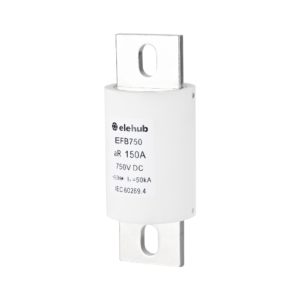
An HRC fuse features a fuse element with a heat-resistant casing filled with arc-quenching materials. When excessively high currents (fault current) pass through the fuse, the fuse element, commonly silver, melts and disconnects the circuit while the casing absorbs the resulting heat to prevent melting and fire hazards in the environment.
With the ability to handle up to 80kA, HRC fuses are suitable for applications with high reliability requirements.
How Do HRC Fuses Work?
Every circuit or electrical installation has its operating conditions, and its fuses are designed to support the conditions; HRC fuses are no exception.
Under normal operating conditions, an HRC allows the flow of normal current, and no harm or deformation is caused. However, when an overcurrent passes through the circuit, the fuse swings into action and quickly melts its fuse element before the current reaches its maximum, which can cause damage.
For example, during overload, the fuse element doesn’t blow off immediately but continues to monitor the event until it reaches its melting point. With prolonged overload on the circuit, the fuse element reaches its melting point and starts to dissolve and later blow off to disconnect current flow.
Construction of HRC Fuses
An HRC fuse consists of a body, metal end caps, a fuse element, and fillers.

The fuse body is typically made from heat-resistant materials such as ceramics, providing mechanical strength and thermal stability. The metal end caps complete the assembly, enabling secure and reliable electrical connections.
The fuse body is filled with power materials like quartz, marble, or even dust. The filler performs two major functions in the construction mechanism. While it absorbs heat generated during normal operation to prevent the fuse from overheating, it plays a part in arc quenching.
The fuse element, usually copper or silver, comprises two or more sections connected with tin joints for varying melting points. While silver has a melting point of 980℃, tin has a lower melting point of 240℃. Hence, the tin joints melt first to create a series of arcs in the system.

HRC manufacturers construct the fuses in such a way that the heat generated triggers a chemical reaction between the filling material and the vaporized metal element. This ultimately results in a high-resistance material that absorbs energy and cools the plasma, ultimately quenching the arc.
How the Construction Enables High Breaking Capacity
HRC fuse stands for High Rupturing Capacity, also known as a High Breaking Capacity Fuse—the ability of a fuse to safely interrupt very high fault currents.
This comes from its specialized construction. The ceramic fuse body provides exceptional mechanical strength and heat resistance, preventing cracks, deformation, or explosions under severe faults. Inside, quartz or marble filler surrounds the fuse element and aids in arc quenching.
During a fault, the fuse element melts and vaporizes, creating an electric arc. The filler reacts with the vaporized metal to form high-resistance silicate, absorbing energy and collapsing the arc. Multi-section tin-jointed fuse elements create smaller arcs, which are easier to quench, ensuring safe interruption.
Types of HRC Fuses
It is worth noting that HRC fuses are classified into different types: Cartridge, Blade, Liquid, Expulsion, NH, and Din fuses. While the different types share the common aim of interrupting overcurrents, their modes of operation differ slightly with applications.
Cartridge Type HRC Fuse
Cartridge HRC fuses are compact, cylindrical, and highly reliable, protecting motors, transformers, switchgear, and distribution panels from overloads and short circuits. Available in various current ratings and voltages, they are easy to install, require minimal maintenance, and provide long-lasting, precise protection for industrial and residential electrical systems.
Blade Type HRC Fuse
A blade HRC fuse, also known as a spade or plug-in fuse, comprises a plastic body and two metal caps for easy insertion into a socket. Blade fuses are commonly used for safeguarding automotive devices for enhanced protection. Their unique features include lightweight, low cutoff current, and a wide range of sizes and shapes, making them versatile for different circuit configurations.
Liquid Type HRC Fuse
Liquid-type HRC fuses use an insulating liquid to quench arcs rapidly, minimizing damage to transformers, motors, and switchgear. Suitable for high-voltage, high-fault-current systems, the liquid absorbs heat and enhances reliability. They ensure safe operation, consistent performance, and excellent arc suppression, making them ideal for critical industrial and high-voltage installations.
Expulsion Type HRC Fuse
Expulsion HRC fuses safely interrupt large fault currents by expelling ionized gases to extinguish arcs, protecting switchgear, transformers, and industrial equipment. Robust and fast-acting, they are ideal for high-voltage applications. Enclosures are required due to hazardous gases, ensuring safe operation while maintaining reliable fault isolation under extreme electrical stress.
NH Type HRC Fuse
NH (Norm-Hochleistungs) type high rupturing capacity fuse is compact and lightweight and is found in low- and medium-voltage applications. Their compact construction buys them a place in shielding motor starts and similar devices for protection against potential hazards from overloading and short circuits.
DIN Type HRC Fuse
DIN-type fuses offer a wide range of rated currents to suit diverse application requirements. The fuses are custom-built to target the temperature conditions of their applications. Thanks to their adaptability to accommodate high voltage levels, they are a suitable choice for high-end applications like transformer renewable energy installations.
🆚 Comparison Table
| Type | Key Features | Applications | Highlights |
| Cartridge | Cylindrical, compact, robust; wide range of current ratings and voltages | Industrial and residential circuits; motors, transformers, switchgear, distribution panels | High reliability, long service life, minimal maintenance, precise matching to circuits |
| Blade | Plastic body with two metal caps; lightweight; low cutoff current; various sizes and shapes | Automotive and low-voltage applications; sensitive electronics | Quick and secure insertion, easy replacement, protects automotive electronics |
| Liquid | Uses insulating liquid to quench arcs; absorbs heat; robust design | High-voltage and industrial systems; transformers, switchgear, large motors | Excellent arc suppression, rapid fault interruption, reliable under extreme conditions |
| Expulsion | Expels ionized gases to extinguish arcs; requires dedicated enclosure | High-voltage industrial and utility installations; switchgear, transformers | High interrupting capacity, fast response, reliable fault isolation, safe with proper enclosure |
| NH | Compact, lightweight, sturdy; high interrupting capacity | Low- and medium-voltage applications; motor starters, distribution boards, industrial equipment | Easy installation/replacement, precise ratings, reliable protection in industrial/commercial setups |
| DIN | Custom-built for temperature and voltage conditions; wide current ratings | High-end applications; transformers, renewable energy systems, industrial installations | Versatile, precise construction, excellent overload/short circuit protection, suitable for advanced electrical systems |
Advantages and Disadvantages of HRC Fuse
High Rupturing Capacity (HRC) fuses offer safe, efficient fault interruption in modern electrical systems. Understanding their advantages and limitations helps ensure proper selection for industrial, commercial, and residential protection needs.
Advantages of HRC Fuse
HRC fuses have become a force to reckon with in the electrical world for their load of advantages over traditional fuses. Their advantages include:
- High Interrupting Capacity: Safety is one area where HRC fuses shine. With the capacity to safely interrupt fault currents without fire or explosion risks, HRC fuses reduce the risk of damage and hazard to circuits and surrounding equipment.
- Compact Size: Modern electrical equipment and circuits are compact and hence require compact fuses, which HRC fuses offer. Thanks to their compact size, high rupturing capacity fuses are suitable for applications with little space to spare for fuses.
- High Reliability: Since HRC fuses are available in different sizes and types to meet different requirements, reliability is high, and devices are highly protected. This gives them an edge over traditional fuses that deteriorate with continuous use. Thanks to their intelligent construction and materials, HRC fuses offer high performance for a long time.
- No Maintenance: Despite their sophisticated construction, HRC fuses require no maintenance, and installation is fast and simple. This makes them a cost-effective option for long-term use.
Disadvantages of HRC Fuse
Despite their many advantages, HRC fuses have certain limitations that should be considered:
- Higher Initial Cost: Compared to traditional fuses, HRC fuses are more expensive upfront. However, their reliability, long life, and minimal maintenance often offset this initial investment over time.
- Non-Reusable: Once an HRC fuse operates (blows) due to a fault, it cannot be reused. This means a replacement is required after every fault, unlike some circuit breakers that can be reset.
- Sensitivity to Overcurrent: HRC fuses are designed to react quickly to overcurrents, which is excellent for safety but can sometimes lead to nuisance blows if transient surges occur, requiring careful selection based on the application.
- Limited Indication of Fault: Unlike some modern protective devices, HRC fuses don’t always provide a visual or electronic indication of the exact fault location, which may make troubleshooting slightly more time-consuming.
HRC Fuse Speeds
In the HRC fuse space, you’ll often encounter speed codes such as aR, gG, gM, and gPV. The term “speed” refers to how quickly a fuse clears a fault relative to its rated current—a faster fuse blows sooner under overcurrent conditions.
The selection of speed depends on whether you’re protecting semiconductors, motors, cables, or general circuits. Below is a clear breakdown of common HRC fuse speed codes and their typical applications:
| Speed Code | Characteristics | Typical Applications |
| aR / gR | Ultra-fast, semiconductor protection | Sensitive solid-state equipment, diodes, thyristors, IGBTs, power electronics with high inrush |
| aBAT | Battery protection, partial-range, DC-optimized | DC battery circuits, energy storage systems, EV battery protection |
| gG / gL / gF | General-purpose, medium speed | Typical circuit protection, moderate inrush, lighting, cable feeders, general loads |
| aM / gM | Motor protection, slow-acting (delayed) | Motors, pumps, and loads with high starting current to prevent nuisance blows |
| gPV / gB / gTr | Special-purpose, tailored speed | Photovoltaic strings, battery banks, transformer secondaries, other specialized systems |
Why This Matters to Applications
Given you’re involved in heavy-equipment / industrial machinery (construction machinery, production equipment, etc.) and you may be specifying protection for motors, large cables, and perhaps drive systems, the correct fuse speed classification is crucial to ensure you get both protection and reliability.
- If you use a fuse that’s too fast (e.g., aR) on a motor with high start-inrush, you risk nuisance blowing.
- If you use one that’s too slow (e.g., gM) in a circuit with sensitive semiconductors, you may allow excessive energy let-through and damage downstream equipment.
- Also note: HRC fuses’ breaking capacity (i.e., the maximum fault current they can interrupt) must match your system’s prospective fault current. The speed code doesn’t replace checking the interrupt rating and the voltage rating.
Applications of HRC Fuses
Applications of HRC fuses cut across various industries, providing reliable overcurrent and short-circuit protection. Their applications can be broadly classified into industrial, commercial, and utility uses.
Industrial Applications
- Power Distribution: Protect transformers and switchgear from overcurrent and short circuits, preventing winding damage reliably.
- Motor Protection: Handle startup inrush currents and isolate fault currents to prevent motor damage and downtime.
- Industrial Machinery: Protect machinery in metal, chemical, and other heavy industries from electrical faults safely.
- Mining Operations: Ensure heavy-duty mining equipment operates safely by preventing damage from electrical surges.
- Control Panels & Switchboards: Protect critical industrial control panels and automation systems from overcurrent effectively.
- Semiconductor Applications: Protect sensitive electronic circuits and devices from overcurrent, enhancing device safety and longevity.
- Renewable Energy Systems: Manage current fluctuations and protect inverters in solar and wind power generation plants.
- Automotive Systems: Safeguard vehicle electrical systems, including EVs, from short circuits and overloads. ELEHUB provides high-quality HRC fuses for EV, ensuring reliable protection.

Commercial Applications
- Retail and Office Buildings: Protect lighting, HVAC, and distribution panels from overcurrents and electrical faults reliably.
- Data Centers: Safeguard UPS, transformers, and servers, ensuring uninterrupted power for critical electronics.
- Hotels and Hospitality: Protect elevators, kitchens, laundry, and lighting systems from electrical surges safely.
- Shopping Malls and Retail Complexes: Safeguard main switchboards, escalators, and refrigeration systems from electrical damage.
- Commercial Kitchens and Restaurants: Isolate ovens, fryers, and dishwashers safely during overcurrent faults.
- Medical Facilities: Protect imaging equipment, diagnostic machines, and life-support systems from overloads efficiently.
- Entertainment and Sports Venues: Safeguard lighting, sound systems, and HVAC equipment, ensuring continuous operation.

Utility Applications
- Power Generation Plants: Protect generators, transformers, and switchgear from overcurrent, preventing equipment damage and downtime.
- Substations: Safeguard transformers, busbars, and distribution lines, isolating faults to maintain grid stability reliably.
- Transmission Lines: Protect high-voltage transformers and feeders from overloads or short circuits efficiently.
- Distribution Networks: Safeguard feeders, street lighting, and residential or commercial connections from overcurrent safely.
- Renewable Energy Installations: Protect solar farms, wind turbines, and inverters from fault-related damage efficiently.
- Water and Wastewater Utilities: Safeguard pumps, motors, and control systems to ensure uninterrupted operations.
- Rail and Transport Electrification Systems: Protect railway, tram, and metro traction equipment, ensuring continuous and safe operation.

How to Choose the Right HRC Fuses
HRC fuses are in a wide range of designs and specifications, each with unique applications. This can make it difficult to pick the right model for your application. Hence, it makes sense to know what to look out for when choosing an HRC fuse. Here are a few tips to get you started:

Rated Current
You want to choose a fuse with a compatible current rating for your device. Hence, your task of picking the right fuse starts from considering the rating of your device or circuit to protect.
Operating Voltage
The rated current of your potential fuse is not enough. You also want to ensure its operating voltage matches the supply voltage of your circuit.
Breaking Capacity
The breaking capacity of your fuse is the maximum current it can interrupt without physical destruction. When choosing your High Rupturing Capacity fuse, ensure the breaking capacity covers the highest potential fault current possible in your circuit.
Time-Current Characteristics
Time-current characteristics are a graphical representation of how quickly a fuse will respond to different levels of overcurrent. Hence, you want to ensure your fuse responds adequately to fault currents to prevent premature or delayed activations.
Physical Dimensions
Although HRC fuses are compact, it still makes sense to check that your choice of fuse fits well in the allocated space in your application.
Purchasing HRC Fuses from ELEHUB
Regardless of your efforts in picking the best fuse for your use, patronizing the wrong supplier can mar your experience. Hence, it makes sense to consider the brand you are buying when making your choice. Buying from reputable HRC manufacturers known for quality helps optimize protection with circuits and installations.
ELEHUB is a trusted global manufacturer of high-performance HRC fuses. Our very fast-acting designs provide rapid and reliable overcurrent protection, ensuring maximum safety for industrial, commercial, renewable energy, and automotive applications. Each fuse is engineered for high breaking capacity, stable performance, and long service life.

ELEHUB HRC Fuse Specifications
| Model | Rated Voltage | Rated Current | Breaking Capacity | Operation Class |
| EFLL000 | 800VDC | 20A–630A | 50kA | aR |
| EFS-31 | 690VAC / 500VDC | 20A–630A | 80kA (AC) / 50kA (DC) | aR |
| EFS-18D | 240VAC / 150VDC | 20A–450A | 80kA (AC) / 50kA (DC) | aR |
| EFS-18 | 690VAC / 500VDC | 20A–630A | 80kA (AC) / 50kA (DC) | aR |
| EFB750 | 750VAC / 750VDC | 5A–800A | 100kA (AC) / 50kA (DC) | aR, aBAT |
| EFL000 | 1000VDC | 25A–500A | 50kA | aR |
| EFL00 | 800VDC | 20A–350A | 50kA | aR |
| EFB1000 | 1000VAC / 1000VDC | 5A–800A | 100kA (AC) / 50kA (DC) | aR, aBAT |
| EFB500 | 750VAC / 750VDC | 5A–800A | 100kA (AC) / 50kA (DC) | aR, aBAT |
Certified Quality You Can Trust
All ELEHUB HRC fuses are fully certified to IEC 60269-4, confirming compliance with international standards for safety, high breaking capacity, and reliable performance in demanding low-voltage industrial environments.
Conclusion
High Rupture Capacity (HRC) fuses are a breakthrough in protecting electrical circuits and installations. With the capacity to interrupt fault currents without damaging nearby components or equipment, HRC fuses are handy in enhancing safety and reducing downtime.
Thanks to their compact sizes and diverse designs, the fuses are suitable for various applications. With the necessary considerations made, you can choose the right HRC fuse that suits your application and gives you peace of mind with your installation.
FAQs
What is the difference between HRC and LBC fuses?
| Feature | HBC / HRC Fuse | LBC Fuse |
| Breaking Capacity | Very high | Low |
| Construction | Ceramic body + filler | Simple, often glass/plastic |
| Arc Quenching | Excellent | Limited |
| Safety | High | Moderate to low |
| Cost | Higher | Lower |
| Best for | Industrial, high-power | Low-power, light-duty |
Are there visual indicators when an HRC fuse blows?
Most standard HRC fuses do not have a built-in visual indicator, but some modern designs include blow indicators or external fuse holders with signaling to simplify fault detection.
Can HRC fuses be reused after they blow?
What’s the life span of HRC fuses?
HRC fuses are designed for long-term reliability and can last many years under normal operating conditions without any maintenance. Their lifespan primarily depends on operating current, voltage, ambient temperature, and environmental conditions. Unlike circuit breakers, HRC fuses do not wear out gradually—they remain fully functional until they operate (blow) during an overcurrent event.
Can HRC fuses protect both AC and DC circuits?
Yes. HRC fuses are designed for use in both AC and DC circuits. However, it is essential to choose the correct fuse type, voltage rating, and breaking capacity based on the specific characteristics of the circuit. DC circuits often require higher breaking capacities due to the difficulty in extinguishing DC arcs. ELEHUB offers a full range of AC and DC HRC fuses engineered to deliver safe, reliable protection across various applications.
Are HRC fuses suitable for electric vehicles (EVs)?
Yes. HRC fuses are used in EVs to protect batteries, inverters, and power electronics from overcurrent and short circuits, ensuring safe operation.
Can HRC fuses be used in outdoor installations?
Yes, but the fuse enclosure and installation must meet environmental protection requirements (e.g., IP-rated housings) to prevent moisture, dust, or corrosion from affecting performance.