Electricity powers everything in our world today, from household appliances to massive industrial machinery. On the other hand, electricity is capricious and when the system or some of its components break down, dangerous situations can develop that may result in injury or death. This is where circuit breakers come in. So, what is a circuit breaker? A circuit breaker is an indispensable device that protects electrical circuits from damage caused by overloads, short circuits, and other electrical faults, ensuring safety for both people and equipment.
In this page, we’ll explore everything about circuit breakers: their definitions, types, working principles, applications, installation, troubleshooting, and future trends.
What is a Circuit Breaker?
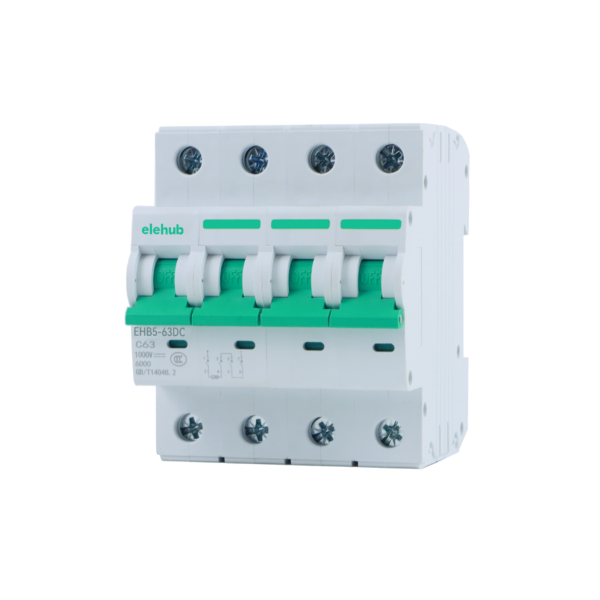 At heart, a circuit breaker is an automatic electrical switch that breaks the flow of electricity in certain conditions – such as an overload, short circuit, and so forth. Contrary to what you might think, a circuit breaker’s main role is to protect electrical circuits. It cuts off the power when there’s a problem so that devices or wires in the walls won’t become damaged.
A circuit breaker is an easy-to-use device for long-term use. Once the circuit is fixed, the circuit breaker can be manually or automatically reset to restore power.
👉 Read more: Functions and Purpose of Circuit Breakers
Circuit Breaker vs Fuse
|
Feature |
Circuit Breaker
|
|
|---|---|---|
|
Reusability |
Resettable |
One-time use |
|
Response Time |
Slightly slower |
Faster |
|
Cost |
Higher |
Lower |
|
Maintenance |
Low, periodic testing |
Replacement required |
|
Application |
Residential, industrial, EV, solar |
Residential, industrial, automotive |
|
Overcurrent Protection |
Adjustable in some models |
Fixed |
|
Durability |
High |
Medium |
|
Environmental Impact |
Lower waste |
Higher waste |
|
Safety Features |
Optional auxiliary contacts, alarms |
Basic |


In short, circuit breakers offer resettable, versatile, and safer overcurrent protection, while fuses are simpler, one-time-use devices with faster response but higher replacement needs.
👉 Read more: Fuse vs Circuit Breaker
Why Are Circuit Breakers Essential in Electrical Systems?
Without circuit breakers, electrical faults could cause electrical fires and equipment damage. Circuit breakers are a safety net to protect people and electrical devices from damage.
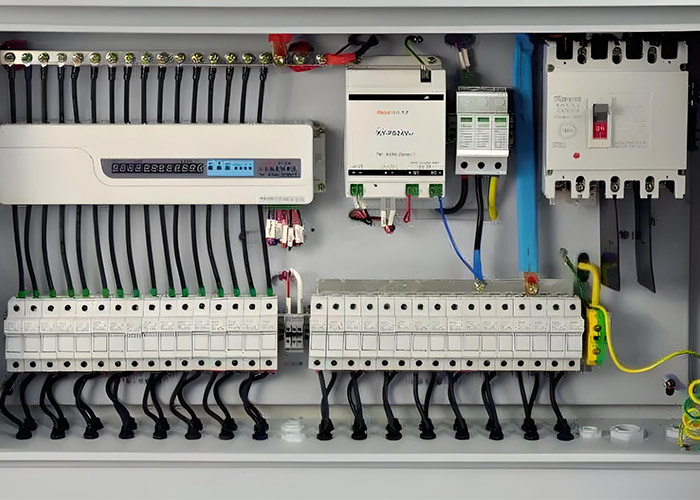
Preventing Overload and Damage
One of the major functions of circuit breakers is to prevent overloads. An overload occurs when excessive electrical power is drawn through the circuit to the levels that the circuit is unable to handle safely.
Overloads may cause wires to overheat and could trigger fire. Circuit breakers interrupt the flow of electricity when the current through them has exceeded a specified limit to prevent damage.
Fire and Shock Prevention
Circuit breakers further protect against short circuits, which will allow too much current to flow through the system and could cause fire hazards. Moreover, devices like Ground Fault Circuit Interrupters (GFCI) breakers are designed to prevent electrical shocks in wet areas such as kitchens and bathrooms.
Cost-Effective Long-Term Safety
Circuit breakers protect electrical systems, and they also bring a long-term cost-saving advantage. If using DC fuses, they have to be replaced every time they blow. On the contrary, circuit breakers are economical because they can simply be reset and reused, offering wider protection to electrical systems.
Circuit Breaker Working Principle
In essence, the circuit breakers are electromechanical switches. They will keep an eye on the working of the electrical current. Once the intensity of the current exceeds a particular limit, the breaker trips off and prevents damage.
Thermal Protection
Thermal-protection-type circuit breakers use a bimetallic strip. When the current through the breaker exceeds the safe operating limit, the strip heats up and bends. This moves the switch away from its closed position and breaks power. The thermal protection process is relatively slow and works well for gradual overloads.
Magnetic Protection
The magnetic circuit breaker, on the contrary, makes use of an electromagnet that strengthens with increasing current. When the current exceeds an unsafe value, the electromagnet pulls on a mechanism to trip the breaker. Such protection is for short circuits with the abrupt, dangerously rising current.
Arc Extinguishing Systems
When a circuit breaker interrupts current, an electrical arc is formed between the contacts. Arc extinguishing systems are designed to quickly suppress this arc using arc chutes, cooling methods, or magnetic forces, ensuring safe operation and minimizing contact damage.
👉 Read more: How Does a Circuit Breaker Work?
How Circuit Breakers Prevent Overload and Short Circuits
Overload Protection
An overload condition occurs when a number of devices or appliances are connected to a single circuit and the total current drawn exceeds the limits that the circuit handles.
Such a condition results in overheating, melting of wires, and, in some cases, fire. A circuit breaker usually acts as a disconnection of the electrical supply when the current exceeds the rated limit.
Short Circuit Protection
A short circuit occurs when the live and neutral wires create direct contact, bypassing the actual resistance and allowing an unsafe surge of current. Circuit breakers can detect this spike in current and trip instantly to avert danger from escalating.
Main Components of a Circuit Breaker
A circuit breaker consists of several critical components that work in harmony to ensure safe and reliable operation:

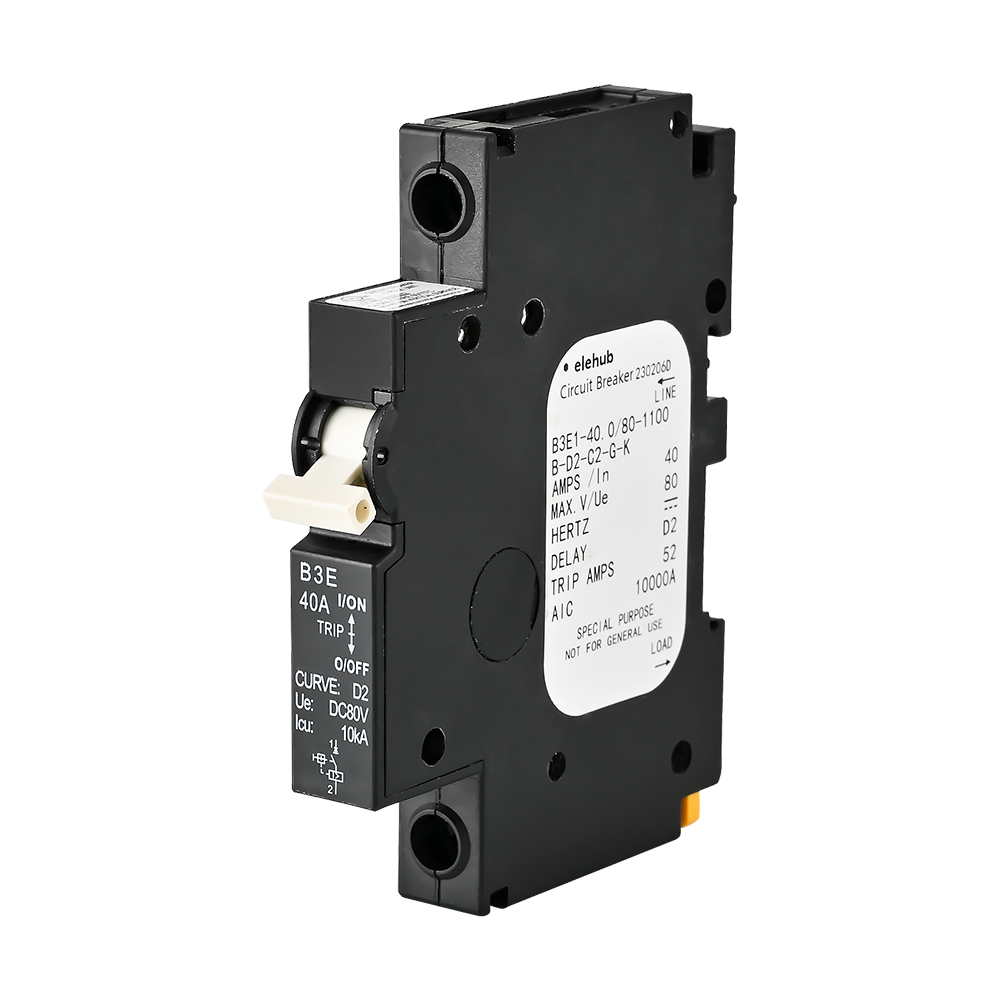
Take a hydraulic-magnetic circuit breaker as an example
- Contacts: Contacts are the core parts that carry electrical current. They include fixed contacts, which remain stationary, and moving contacts, which open or close the circuit. The design and material of contacts are crucial for minimizing wear and handling high currents.
- Arc Chute: The arc chute is a specialized structure that safely dissipates and extinguishes the electrical arc generated when the contacts open. By directing the arc into segmented paths or cooling it rapidly, the arc chute prevents damage to the contacts and maintains system safety.
- Trip Unit: The trip unit acts as the brain of the breaker, monitoring current levels and triggering the opening mechanism when abnormal conditions, such as overloads or short circuits, are detected.
- Operating Mechanism: The operating mechanism translates the trip signal into physical movement, opening or closing the contacts.
Types of Circuit Breakers
Circuit breakers are of many types, depending on the protection that would be given for a specific application.
Residential and Small Circuit Breakers
Residential circuit breakers are designed for low-voltage systems, typically up to 250V, and moderate current ratings, often below 100A. They are commonly used in homes, apartments, and small offices to protect lighting circuits, household appliances, and small electronic devices.

Source: By Jimbob82 (at en.wikipedia.org) – [1], Public Domain
https://commons.wikimedia.org/w/index.php?curid=2462572
- Residual Current Circuit Breakers (RCCB): Found in homes, offices, and industrial facilities. To prevent shocks, RCCBs are designed to recognize any difference between the current into a circuit and coming out of it. The breaker is tripped whenever there is an imbalance of the current, indicating a possible leakage or exposure to electric shocks.
- Ground Fault Circuit Interrupters (GFCI): GFCIs are commonly found in bathrooms, kitchens, and outdoors. These are for the protection of humans from electric shocks. They detect current dual leakage in the ground wire and immediately cut off power as soon as the leakage is detected.
- Arc Fault Circuit Interrupters (AFCI): Installed in modern homes to prevent fires caused by electrical arcs. Whenever an electric connection is loose or damaged, high voltage discharges form within the elements. These are called Arc. AFCI-type circuit breakers provide an additional layer of protection against electrical fires.
Industrial and Medium/High Voltage Circuit Breakers
Industrial circuit breakers are designed to handle medium to high voltage systems, often ranging from 1kV to 36kV or more, and high currents in industrial machinery, commercial buildings, and energy infrastructure.
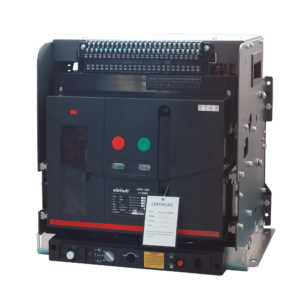
- Air Circuit Breakers (ACBs): Utilize air as the arc-extinguishing medium. Ideal for low- and medium-voltage industrial applications, they offer easy maintenance and robust protection for large electrical panels.
- Vacuum Circuit Breakers (VCBs): Employ a vacuum to quench arcs quickly. Suitable for medium-voltage systems, they provide high reliability, minimal maintenance, and long service life.
- SF6 Gas-Insulated Circuit Breakers: Use sulfur hexafluoride gas to suppress arcs. Common in high-voltage grids, they are compact, highly reliable, and suitable for outdoor or substation environments.
- Miniature Circuit Breakers (MCBs): Typically used in low-voltage distribution systems, MCBs protect circuits from overloads and short circuits in industrial or commercial settings. They are compact, modular, and easy to install, suitable for motor and lighting circuits.
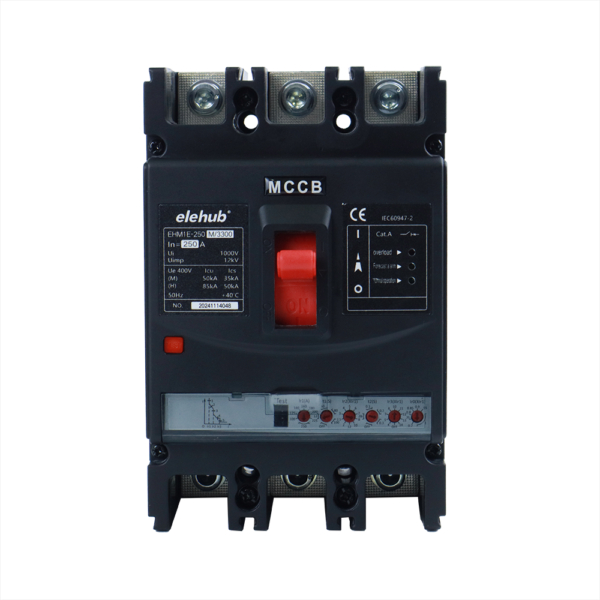
- Molded Case Circuit Breakers (MCCBs): Provide overload and short-circuit protection for industrial circuits up to a few hundred amps. They are compact, modular, and often used in motor control panels.
- Hydraulic-Magnetic Circuit Breakers: Combine thermal and magnetic tripping mechanisms to protect electrical systems against overloads and short circuits. These are commonly found in industrial control panels and specialized machinery.
👉 To understand more about circuit breaker types, read this article: Different Types of Circuit Breakers.
Applications of Circuit Breakers
Circuit breakers play a crucial role in safeguarding electrical systems across residential, industrial, and renewable energy applications. Their versatility and reliability make them indispensable in protecting circuits from overloads, short circuits, and other electrical faults.

Residential Systems
In homes, circuit breakers protect lighting, appliances, and general household wiring from damage caused by electrical surges or faults. Properly installed breakers prevent hazards like electrical fires and ensure the safe operation of everyday devices.
Industrial Systems
Industrial applications require circuit breakers capable of handling high currents and heavy machinery. They safeguard motors, production lines, and manufacturing equipment, preventing costly downtime and ensuring worker safety in demanding environments.
👉 Read more: Residential vs Industrial Circuit Breaker
Electric Vehicles (EVs)
EV charging stations and battery management systems rely on circuit breakers to protect sensitive components. They prevent overcurrent events during charging and discharging, ensuring the safety and longevity of EV batteries.
👉 Read more: What Size Breaker for EV Chargers?
Solar Energy Systems
Circuit breakers are essential in solar PV arrays, inverters, and energy storage systems. They protect against overcurrent conditions, preventing damage to solar panels and ensuring reliable energy production.
👉 Read more: Solar Panel Circuit Breakers
How to Choose the Right Circuit Breaker
Selecting the correct circuit breaker is critical for protecting electrical systems and ensuring safety. Choosing the wrong breaker can lead to equipment damage, frequent trips, or even fire hazards. When making your selection, consider the following key factors:
1. Voltage Rating
The voltage rating of a circuit breaker must match or exceed the system voltage. Using a breaker with too low a voltage rating can lead to failure during normal operation, while an appropriately rated breaker ensures reliable protection.
2. Current Rating
The current rating defines the maximum continuous current the breaker can safely handle. Select a breaker that matches the expected load to prevent nuisance trips while protecting the circuit from overload.
3. Breaking Capacity
Breaking capacity (or interrupting rating) indicates the maximum fault current the breaker can safely interrupt without damage. High fault-current environments, such as industrial or commercial systems, require breakers with higher breaking capacities.
4. Application Type
Different applications have unique requirements. Residential systems need lower-rated breakers for lights and appliances, industrial machinery requires high-capacity breakers, EV charging stations need specialized DC breakers, and solar PV systems require breakers suited for renewable energy protection.
For sourcing high-quality breakers suitable for your specific needs, check our guide:
👉 Where to Buy Circuit Breakers (For B2B Buyers)
Common Issues and Troubleshooting Circuit Breakers

Why Do Circuit Breakers Trip?
- Circuit Overload: Too many devices on one circuit.
- Short Circuit: Faulty wiring or a device causing an uncontrolled flow of current.
- Ground Fault: Current flowing through unintended paths (like water or a person).
- Faulty Breaker: A circuit breaker can wear out or get damaged over time, causing it to trip often or fail to reset.
What to Do When a Breaker Trips?
- Step 1: Unplug appliances on the affected circuit.
- Step 2: Reset the breaker by switching it to the “off” position and then back to “on.”
- Step 3: If the breaker trips again, check for overloaded devices, damaged wiring, or a faulty appliance in the circuit.
When to Replace a Circuit Breaker?
For example, a breaker might trip frequently, make strange noises, or show signs of wear and tear (like burning or corrosion). Most circuit breakers can be replaced over the course of 10-20 years due to natural aging effects.
Circuit Breaker Installation and Maintenance Tips
- Follow Electrical Codes: Always install breakers according to local and national electrical regulations.
- Ensure Proper Wiring: Verify correct wire gauge, polarity, and secure connections for safety.
- Regular Inspections: Circuit breakers should be inspected at intervals for any visible signs of damage.
- Test the Breakers: Some breakers have a test button (e.g., for GFCIs or AFCIs). Press it regularly to ensure proper functioning.
- Keep the Panel Clean: Dust and debris can create problems with breaker performance. Always keep the breaker panel clean and dry.
- Hire a Professional: For any serious issues or if you’re not sure what to do, get in touch with a licensed electrician to inspect and service the system.
👉 Read More:
How to Install Circuit Breakers
How to Replace a Circuit Breaker
Future Trends: Smart & IoT Circuit Breakers
The future of electrical protection is shifting toward smart and IoT-enabled circuit breakers, which bring advanced intelligence to traditional systems. These breakers offer remote monitoring, allowing operators to track voltage, current, and load conditions in real time from anywhere. Predictive maintenance helps prevent faults before they occur, reducing downtime and improving safety.
Additionally, integration with smart grids enables more efficient energy management, load balancing, and automated fault response. IoT circuit breakers are increasingly adopted in industrial plants, commercial buildings, and residential smart homes, making electrical systems safer, more efficient, and future-ready.
👉 Explore: IoT Circuit Breakers: Next Generation
Final Thoughts
Circuit breakers prevent electrical hazards, protect valuable equipment, and ensure that electrical systems operate efficiently. Understanding how circuit breakers work, knowledge of the different types available in the market, as well as understanding their maintenance requirements could help us choose the right one to protect ourselves.
Pick the type of circuit breaker, look it over often, and make sure to maintain it for years of insurance. A professional electrician is likely the safest route to go for advice if anything is unclear in terms of electrical problems.
About ELEHUB
ELEHUB is one of the major suppliers of advanced electrical solutions for electric vehicles, solar energy, energy storage systems, and other industries.
Having been a DC electrical components manufacturer in the industry for many years, ELEHUB has built a reputation as a valued partner for companies and organizations seeking reliable, high-performance solutions to power system needs.
At ELEHUB, we work hard to offer high-performance and innovative solutions concerning the needs of individual applications. We are one of the top high voltage DC contactor suppliers in China.
Moreover, our portfolio comprises high voltage DC contactors, circuit breakers, and DC protective switches, among other devices, with superior quality and reliability standards to ensure optimum performance even under demanding conditions.
FAQs
Why is a circuit breaker important for electrical safety?
Circuit breakers prevent damage that can be caused by overload, short circuits, and ground faults. They disconnect electrical current upon sensing dangerous conditions and shield people and electrical equipment from hazardous fire, shock, and damage.
Why does a circuit breaker keep tripping?
There are various reasons a circuit breaker may trip often. They include overloaded circuits, damaged wiring, a faulty appliance, or a short circuit. If it continues tripping, unplug the electrical devices that are on the same circuit and check for possible wiring problems. If not, contact a licensed electrician.
Can I install a circuit breaker myself?
Technically, one can install the circuit breaker independently. However, that would sound stupid compared to hiring a licensed electrician in such a case. Install or replace a breaker without the touch of a qualified electrician whose life may become endangered. Clearly, it will be guaranteed to comply with electrical safety standards and be safe for use.
When should I replace a circuit breaker?
If the circuit breaker has visible signs of damage in its physical form, it does not reset properly, or it frequently trips without visible reason, it’s time to consider its replacement. If the breaker is aged about 10 to 20 years, breakers are easily considered for replacement due to lesser effectiveness with age.
How to choose the right circuit breaker for my electrical system?
Consider at least the following factors:
- The voltage and current rating of your system.
- The type of load (e.g., residential appliances, industrial machines).
- The size of the breaker is based on the number of poles (single-pole, two-pole, etc.).
- Safety features like RCCBs, GFCIs, or AFCIs, depending on the environment and specific needs.
It’s always best to consult with a licensed electrician to determine the most suitable circuit breaker for specific needs.