The global shift toward renewable energy and grid modernization has accelerated the adoption of battery energy storage systems (BESS). Among the various deployment options, the BESS container has emerged as one of the most popular and practical solutions for utility-scale and commercial energy storage projects. But what is a BESS container, and why has it become the preferred choice for so many energy storage applications?
A BESS container is a pre-engineered, self-contained battery energy storage system housed within a standardized shipping container or purpose-built enclosure.
These modular units integrate all essential components, including battery modules, power conversion systems, thermal management, safety systems, and control equipment into a single, transportable package that can be rapidly deployed for grid-scale energy storage applications.
What Is a BESS Container & Why Does It Matter?

A BESS container represents a revolutionary approach to energy storage deployment, offering a plug-and-play solution that dramatically reduces installation complexity and time.
Unlike traditional battery installations that require extensive on-site construction, a BESS container arrives at the deployment site as a complete, factory-tested system ready for immediate grid connection.
The standardized container format, typically based on 20-foot or 40-foot shipping container dimensions, provides several key advantages.
The robust steel construction offers excellent protection against environmental conditions, while the standardized dimensions ensure compatibility with existing transportation and handling infrastructure worldwide.
Core Components of a BESS Container
Battery Systems
The heart of every BESS container consists of lithium-ion battery modules arranged in optimized configurations. These modules typically utilize lithium iron phosphate (LFP) or nickel manganese cobalt (NMC) cell chemistries, selected for their safety characteristics and performance profiles suitable for grid applications.
Environmental Control Systems
BESS containers incorporate sophisticated HVAC systems to maintain optimal operating temperatures. These systems include both heating and cooling capabilities, humidity control, and air filtration to ensure reliable operation across diverse climate conditions.
Safety and Protection Systems
Comprehensive safety systems include fire detection and suppression equipment, gas monitoring sensors, emergency shutdown systems, and personnel safety devices. These systems are specifically designed for the confined space of a container environment.
Control and Monitoring Equipment
Advanced energy management systems (EMS) coordinate all container operations, providing real-time monitoring, automated control, and grid integration capabilities through sophisticated software platforms.
DC Electrical Components in BESS Containers

DC electrical components play an absolutely crucial role in BESS container design and operation, serving as the backbone that ensures safe, efficient, and reliable energy storage performance within the confined container environment.
DC Power Distribution Challenges in Containers
The compact nature of a BESS container presents unique challenges for DC electrical systems. High-current DC power must be efficiently distributed between battery modules while maintaining safety and accessibility for maintenance.
This requires specialized DC electrical components designed specifically for containerized applications.
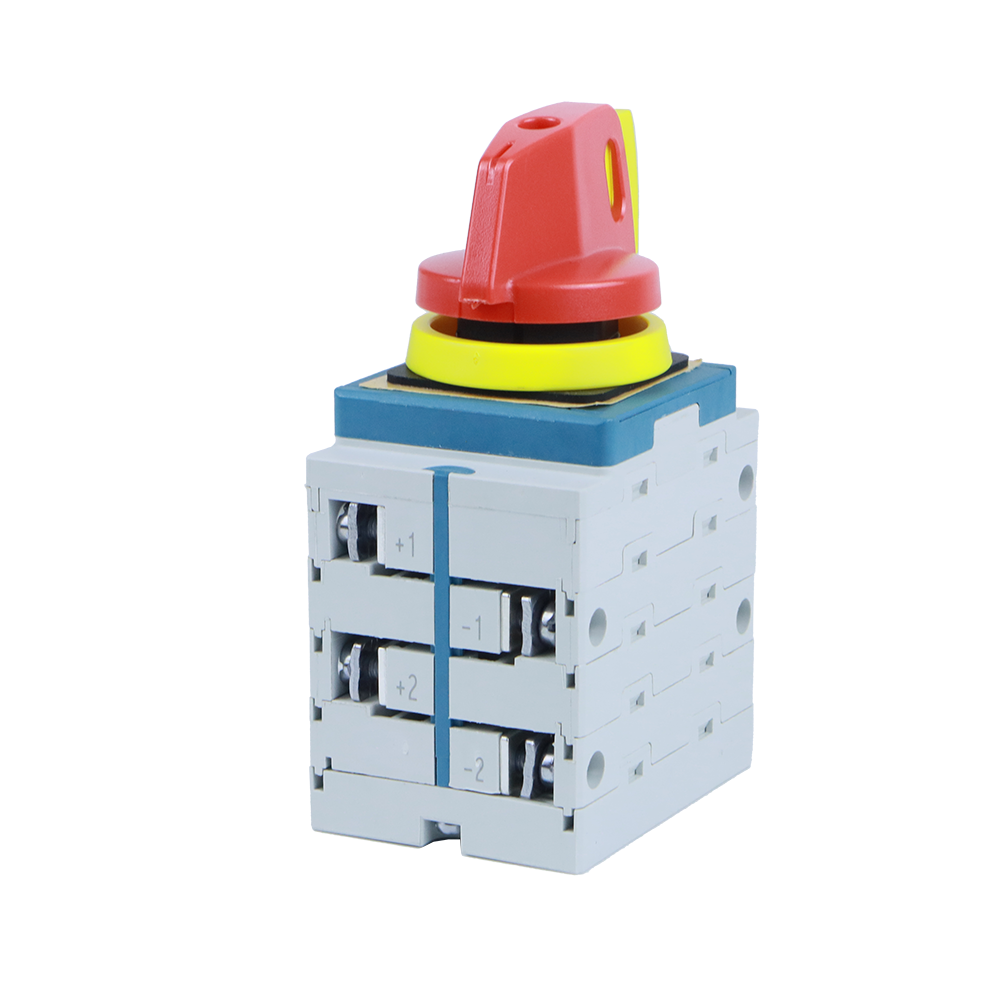
DC Bus Systems: BESS containers utilize robust copper bus bar systems that can handle the high currents generated by utility-scale battery banks. These bus systems must be compact yet provide excellent electrical conductivity while incorporating proper insulation for safety in the confined container space.
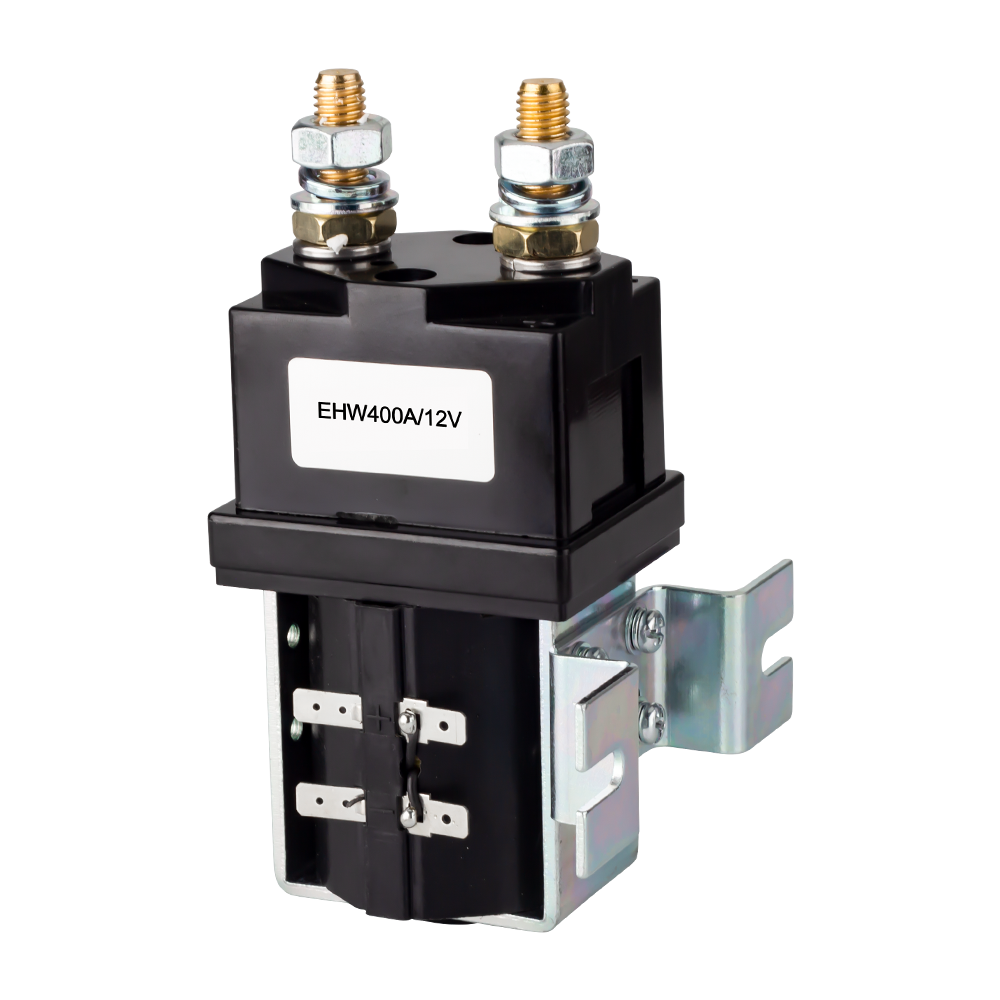
DC Protection Devices: Containerized installations require specialized DC circuit breakers and contactors capable of safely interrupting high DC fault currents. Unlike AC systems, DC electrical components must deal with the challenge that DC arcs do not naturally extinguish at zero crossings, making proper DC protection critical for container safety.
Advanced DC Monitoring and Control
Real-Time DC Monitoring: BESS containers incorporate sophisticated DC monitoring systems that track voltage, current, and power flow at multiple points throughout the DC electrical system. This monitoring is essential for optimizing performance and detecting potential issues before they become critical problems.
DC-DC Conversion Systems: Many BESS containers include DC-DC converters that optimize battery voltage levels for improved efficiency and performance. These converters help maintain optimal DC bus voltages as battery state of charge varies during operation.
Battery Management Integration: The DC electrical components work seamlessly with battery management systems to ensure proper cell balancing, thermal management, and safety protection.
This integration is particularly critical in container applications where space constraints require optimized component placement.
Safety Considerations for DC Systems in Containers

The confined space of a BESS container makes DC electrical safety paramount. High-voltage DC systems can pose significant risks, requiring specialized safety measures including ground fault detection, arc fault protection, and emergency shutdown capabilities.
These safety systems must be specifically designed for the container environment where personnel access is limited and evacuation times may be constrained.
For comprehensive guidance on DC electrical components and their critical role in containerized energy storage systems, industry professionals can find detailed technical resources at Elehub.com.
BESS Container Applications and Benefits

Utility-Scale Grid Applications
BESS containers excel in utility-scale applications where rapid deployment and scalability are essential. Multiple containers can be deployed together to create large-scale energy storage installations, with each container operating independently or as part of a coordinated system.
Grid Stabilization: BESS containers provide frequency regulation services, helping maintain grid stability by rapidly responding to supply and demand imbalances. The fast response characteristics of battery systems make them ideal for these critical grid support functions.
Renewable Energy Integration: As renewable energy sources become more prevalent, BESS containers help smooth output variations from solar and wind installations, providing dispatchable clean energy when renewable sources are not producing.
Commercial and Industrial Benefits
Peak Shaving: Commercial facilities use BESS containers to reduce peak demand charges by discharging stored energy during high-demand periods. This application can result in significant cost savings for businesses with high electricity costs.
Backup Power: BESS containers provide reliable backup power for critical facilities, offering a cleaner and quieter alternative to diesel generators while providing an instantaneous response to power outages.
Rapid Deployment Advantages
The containerized format enables unprecedented deployment speed compared to traditional battery installations. A BESS container can be transported to a site and commissioned within days rather than months, making it ideal for emergency response, temporary installations, or rapidly evolving energy needs.
BESS Container Specifications and Performance
Standard Container Configurations
20-Foot BESS Containers: Typically offer 1-3 MWh of energy storage capacity, suitable for smaller commercial applications or as building blocks for larger installations.
40-Foot BESS Containers: Usually provide 3-5 MWh capacity, optimized for utility-scale applications requiring higher energy density and power output capabilities.
Performance Characteristics
Round-Trip Efficiency: Modern BESS containers achieve round-trip efficiencies of 85-95%, depending on the specific battery chemistry and power electronics design.
Response Time: BESS containers can respond to grid signals within milliseconds, making them excellent for frequency regulation and other fast-response grid services.
Cycle Life: Container systems are designed for 6,000-10,000+ cycles over their operational lifetime, depending on depth of discharge and operating conditions.
Installation and Operational Considerations
Site Requirements
BESS container installations require minimal site preparation compared to traditional battery buildings. Basic requirements include level concrete pads, electrical connections, and communication infrastructure. The standardized container format simplifies permitting and reduces construction complexity.
Grid Integration
Connecting a BESS container to the electrical grid requires coordination with utility companies and compliance with grid codes. Modern containers include sophisticated grid-tie equipment that automatically manages synchronization, power quality, and protection requirements.
Maintenance and Service
The modular design of BESS containers facilitates maintenance operations. Many systems allow individual battery modules to be serviced without affecting overall container operation, maximizing system availability and reducing maintenance costs.
BESS Environmental and Safety Standards
BESS containers are designed to operate in diverse environmental conditions, with NEMA 4X or IP65 ratings providing protection against dust, moisture, and temperature extremes. Advanced thermal management systems maintain optimal operating conditions regardless of external weather.
Reputable BESS container manufacturers obtain certifications from organizations like UL (Underwriters Laboratories) and IEC (International Electrotechnical Commission), ensuring compliance with international safety standards for energy storage systems.
Choosing the Right BESS Container Solution
Application-Specific Considerations
Selecting the optimal BESS container requires careful consideration of specific application requirements, including energy capacity, power output, response time, and operational environment. Working with experienced energy storage professionals ensures that systems are properly sized and configured.
Economic Factors
BESS container economics depend on multiple factors, including energy arbitrage opportunities, demand charge reductions, grid service revenues, and available incentives. Comprehensive financial analysis helps determine the optimal investment strategy.
Integration Requirements
Successful BESS container deployment requires seamless integration with existing electrical infrastructure, control systems, and operational procedures. Professional installation and commissioning ensure optimal performance and safety.
Final Thoughts
The BESS container represents a transformative approach to energy storage deployment. From utility-scale grid support to commercial peak shaving, these modular systems offer reliable and efficient energy storage solutions that adapt to evolving energy needs.
They offer a proven, scalable solution that delivers immediate value while providing the flexibility to adapt to future energy requirements.
At the same time, the critical role of DC electrical components in BESS containers cannot be overstated. These specialized components ensure safe, efficient operation while maximizing system performance and reliability.
As battery technology continues advancing and grid integration requirements evolve, BESS containers will remain at the forefront of the energy storage revolution.
Related Articles: