In modern electrical and electronic engineering, performance is no longer defined only by voltage, current, or switching capability. Environmental resistance has become equally critical. Equipment deployed in solar power plants, battery energy storage systems (BESS), EV charging infrastructure, industrial automation, and outdoor telecommunications must operate reliably under continuous exposure to dust, rain, humidity, vibration, and sometimes temporary immersion.
Without proper protection, even high-performance electrical components can fail due to corrosion, insulation breakdown, leakage current, or short circuits caused by moisture ingress. This is why engineers rely on a standardized classification system known as the IP rating (Ingress Protection rating), which defines the environmental sealing capability of electrical enclosures and devices.
📍 Quick Answer: IP Ratings in Electrical Systems
| Environment | Recommended IP Rating |
| Indoor dry control panels | IP20–IP30 |
| Industrial indoor systems | IP40–IP54 |
| Outdoor general equipment | IP65 |
| Harsh outdoor / solar / EV | IP66–IP67 |
| Temporary immersion / marine | IP67–IP68 |
| High-pressure wash-down | IP69K |
What Is an IP Rating?
An IP rating (Ingress Protection rating) is an international standard (IEC 60529) that classifies how well an electrical enclosure is protected against dust, accidental contact, and water ingress.
It classifies the level of protection provided by electrical enclosures and components against:
- Solid objects: dust, tools, debris, accidental contact
- Liquids: rain, splashing water, jets, and immersion
IP Rating Format: IPXY
- X = protection against solid objects (dust, tools, fingers)
- Y = protection against liquids (water, moisture, jets, immersion)

For example:
- IP65 = dust-tight + protected against water jets
- IP67 = dust-tight + temporary immersion
- IP68 = dust-tight + continuous immersion under specified conditions
This simple format is widely used across industrial, commercial, and consumer electrical products.

IP65 LED lamp
Source: By Judgefloro – Own work, CC0, https://commons.wikimedia.org/w/index.php?curid=60469850
Understanding the Two Digits
Each IP rating consists of two independent protection levels. The first digit addresses solid particle protection, while the second digit indicates liquid resistance.
🌫️ First Digit: Solid Object Protection (0–6)
The first digit defines the enclosure’s resistance to solid foreign objects and dust. In electrical engineering, IP5X and IP6X are most commonly required.
| First Digit | Protection | Description | Typical Risk Prevented |
| 0 | No protection | No barrier against contact or dust | Free ingress |
| 1 | >50 mm objects | Large body surfaces (hands) | Accidental contact |
| 2 | >12.5 mm objects | Fingers or similar size objects | Finger access |
| 3 | >2.5 mm objects | Tools, thick wires | Mechanical intrusion |
| 4 | >1 mm objects | Small wires, screws | Fine tool entry |
| 5 | Dust protected | Limited dust ingress, no harmful effect | Dust accumulation |
| 6 | Dust tight | Completely sealed against dust | Fine dust failure |
Dust protection is especially critical for outdoor cabinets, solar installations, and industrial environments. Fine dust particles can cause insulation degradation, overheating, and eventual system failure if not properly controlled.
For example, in photovoltaic systems, outdoor combiner boxes and junction enclosures often require at least IP65 protection to ensure stable operation in desert or coastal environments.
💦 Second Digit: Liquid Protection (0–9)
The second digit defines resistance to water ingress, ranging from dripping water to high-pressure jets and immersion.
| Second Digit | Protection | Description | Typical Application Scenario |
| 0 | No protection | No water resistance | Indoor dry use |
| 1 | Dripping water | Vertical drops only | Basic indoor electronics |
| 2 | Dripping (15° tilt) | Slight angle water exposure | Light indoor moisture |
| 3 | Spraying water | Water spray up to 60° | Light outdoor exposure |
| 4 | Splashing water | Water from any direction | Outdoor sheltered devices |
| 5 | Water jets | Low-pressure jets | Industrial cleaning areas |
| 6 | Powerful water jets | High-pressure water exposure | Heavy-duty outdoor systems |
| 7 | Temporary immersion | 1m depth for ~30 min | Flood-risk equipment |
| 8 | Continuous immersion | Manufacturer-defined conditions | Subsea / deep systems |
| 9 | High-pressure + high-temp jets | Industrial wash-down | Automotive / heavy industry |
In real-world electrical systems, water protection is essential for outdoor reliability. Rain, cleaning processes, condensation, and flooding can all damage unprotected electrical components.
This is especially important in EV charging systems, marine applications, and renewable energy infrastructure.
IPX9 vs IPX9K: What’s the Difference?
IPX9 and IPX9K both represent the highest levels of protection against water ingress, but they originate from different testing standards and application requirements.
IPX9 is defined under the IEC 60529 standard and provides protection against close-range, high-pressure, high-temperature water jets applied from multiple directions.
IPX9K, on the other hand, was originally introduced under the ISO 20653 standard for road vehicles and heavy-duty equipment, where the “K” designation indicates more severe testing conditions commonly found in transportation and industrial environments:
| Test Parameter | Specification |
| Water temperature | Approximately 80°C |
| Pressure | 8–10 MPa (80–100 bar) |
| Flow rate | 14–16 L/min |
| Spray angles | 0°, 30°, 60°, 90° |
| Test duration | 30 seconds per angle (total 2 minutes) |
| Product rotation | Mounted on a rotating turntable at 5 rpm to ensure full surface exposure |
Today, many manufacturers use IP69 and IP69K interchangeably in marketing, but the exact certification depends on the testing standard used.
What Does “X” Mean in an IP Rating?
“X” in an IP rating does not mean zero protection. It means the product has not been tested or certified for that specific protection category under IEC 60529.
For example, a device rated IPX7 (commonly seen in audio or marine components) is highly resistant to water immersion, but its dust protection level is untested or not declared—even though its tight liquid seals naturally provide some level of physical dust resistance.
Common IP Ratings Used in Electrical Systems
| IP Rating | Meaning | Typical Use |
| IP20 | Finger protection | Indoor electrical panels, control cabinets, office equipment with no dust or moisture exposure |
| IP44 | Splash resistant | Household appliances, indoor/outdoor lighting, bathroom and kitchen equipment with light moisture exposure |
| IP54 | Dust protected | Industrial control systems, machinery panels, workshops with dust and limited moisture exposure |
| IP65 | Dust tight + water jets | Outdoor electrical enclosures, solar combiner boxes, EV charging stations, street lighting systems |
| IP66 | Strong water jets | Outdoor industrial equipment, railway systems, wind power components, heavy rain and wash-down environments |
| IP67 | Temporary immersion | Solar connectors (MC4), underground cable joints, EV battery connectors, outdoor energy storage interfaces |
| IP68 | Long immersion | Marine electronics, underwater sensors, offshore platforms, deep-water equipment with continuous immersion requirements |
| IP69K | High-pressure hot wash | Automotive manufacturing lines, food processing equipment, heavy machinery, agricultural and sanitation wash-down systems |
Among these ratings, IP54, IP65 and IP67 are the most widely used in electrical engineering.
Why IP Rating Is Critical in Electrical Systems
Electrical systems such as solar PV, EV charging, and energy storage are particularly sensitive to environmental conditions because they often operate at high voltage and continuous current.
Key reasons IP rating is essential:
- Prevents short circuits caused by water ingress
- Reduces corrosion of conductive materials
- Ensures stable insulation resistance over time
- Improves system uptime and reliability
- Enhances safety for maintenance personnel
For example, a poorly sealed connector in a solar string can introduce leakage current, leading to performance loss or even fire hazards under extreme conditions.
IP Rating in Real Electrical Applications
IP ratings are not just theoretical specifications—they directly influence product selection and system design. In modern energy systems such as solar and battery storage, multiple components must meet different protection levels depending on their installation location.
| Application | Typical IP |
| Solar PV | IP65–68 |
| BESS | IP54–66 |
| EV charging | IP54–67 |
| Industrial control | IP54–65 |
| Telecom | IP65–68 |
| Marine | IP67–68 |
☀️ Solar Photovoltaic (PV) Systems
Solar PV systems operate in fully outdoor environments for 20–25 years, making environmental sealing a critical design requirement.

Key components include:
- Solar modules and string wiring
- Combiner boxes
- Inverters
- DC isolator switches
- Connectors
Typical IP requirements:
- PV modules and connectors: IP67–IP68
- Combiner boxes: IP65–IP66
- Inverter enclosures: IP65
In PV string wiring, the MC4 connector is widely used to ensure stable DC transmission under rain, dust, and UV exposure. Its sealing structure prevents oxidation and leakage current, ensuring long-term electrical stability.
For photovoltaic installations, IP67 MC4 connectors are commonly used to maintain reliable sealing under rain, UV exposure, and dust accumulation. ELEHUB’s waterproof MC4 connector series supports 30A–50A systems up to 1500VDC and is available in multiple branch configurations, including 1-to-1, 1-to-2, 1-to-3, 1-to-4, and 1-to-5 T-branch connectors, enabling flexible parallel connections for different solar array layouts and system requirements.

⭐️ Further Reading:
MC3 vs MC4 vs MC6 Solar Connectors: Key Features, Advantages, and Applications
🔋 Battery Energy Storage Systems (BESS)
Battery energy storage systems require extremely high reliability due to high energy density and safety risks associated with lithium-ion technology.

Energy Storage Project
Source: By Sandia National Laboratories – https://www.sandia.gov/ess-ssl/publications/SAND2015-5242.pdf, Public Domain, https://commons.wikimedia.org/w/index.php?curid=90112254
Key components:
- Battery modules and racks
- Battery management systems (BMS)
- Power conversion systems (PCS)
- DC distribution units
Typical IP levels:
- Container systems: IP54–IP65
- Outdoor battery cabinets: IP65–IP66
Electrical connectors play a critical role in high-current battery interconnections, ensuring safe and reliable power transmission between battery modules and system components. In BESS applications, connectors must withstand continuous current loads, vibration, thermal cycling, and moisture exposure over long operating lifecycles.
ELEHUB offers ESS connectors in both IP54 and IP67 protection levels for energy storage applications, supporting systems up to 1500VDC and current ratings up to 400A, ensuring reliable high-power connectivity in demanding energy storage environments.
🚘 EV Charging Systems
EV charging infrastructure operates in highly variable environments, from urban streets to industrial sites, requiring robust environmental protection.

Key components:
- Charging station enclosures
- Power modules
- Charging cables and connectors
Typical IP requirements:
- Charging stations: IP54–IP65
- Charging connectors: IP44–IP67
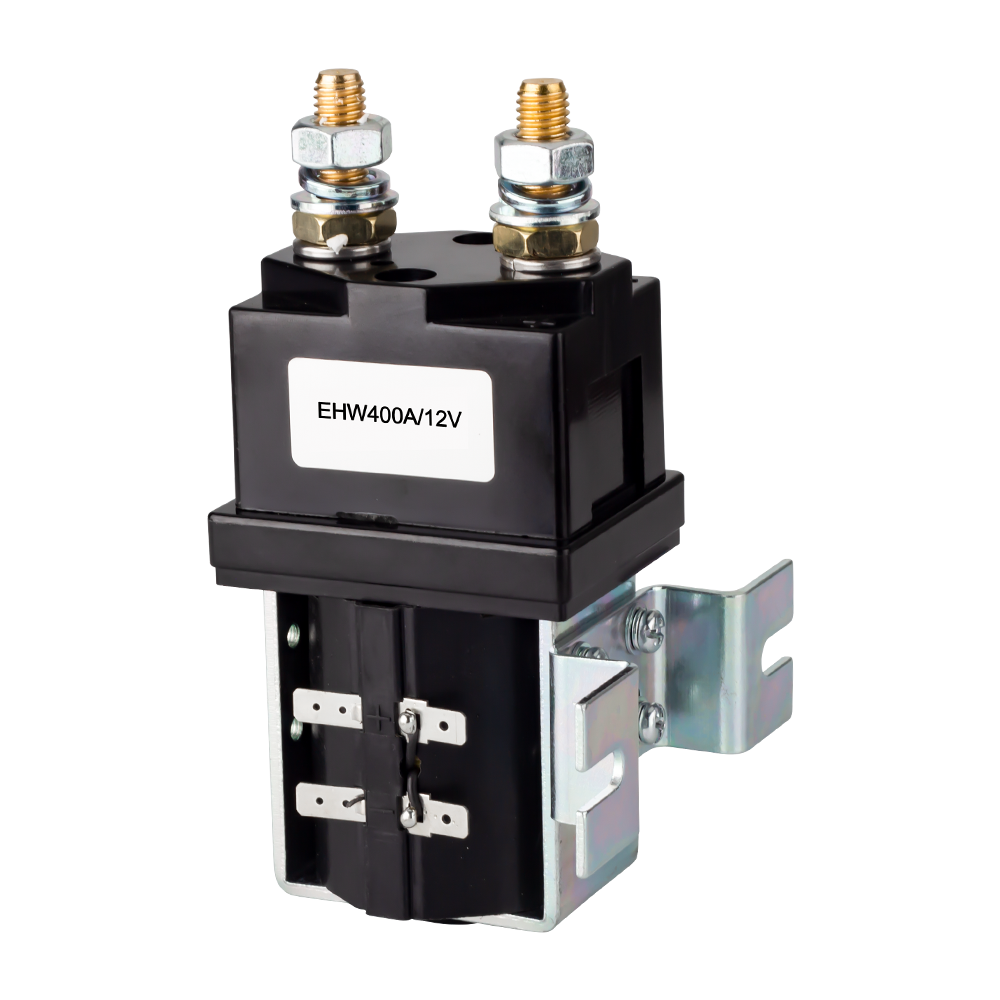
High-voltage contactors are essential components in EV charging systems, enabling safe switching and control of high-voltage DC circuits. They play a critical role in power distribution, charging control, and system protection by ensuring reliable operation under high-current conditions. To maintain long-term reliability in outdoor charging environments, effective sealing against dust and moisture is equally important.
ELEHUB provides IP67-rated HVDC contactors with epoxy and ceramic sealing technology, designed to ensure stable operation, arc suppression, and enhanced durability in demanding EV charging applications.

🏭 Industrial Control Systems
Industrial environments introduce additional challenges such as dust, oil mist, vibration, and electromagnetic interference.

Key systems:
- PLC control cabinets
- Relay panels
- Power distribution units
Typical IP range:
- Clean indoor environments: IP30–IP40
- Industrial workshops: IP54–IP65
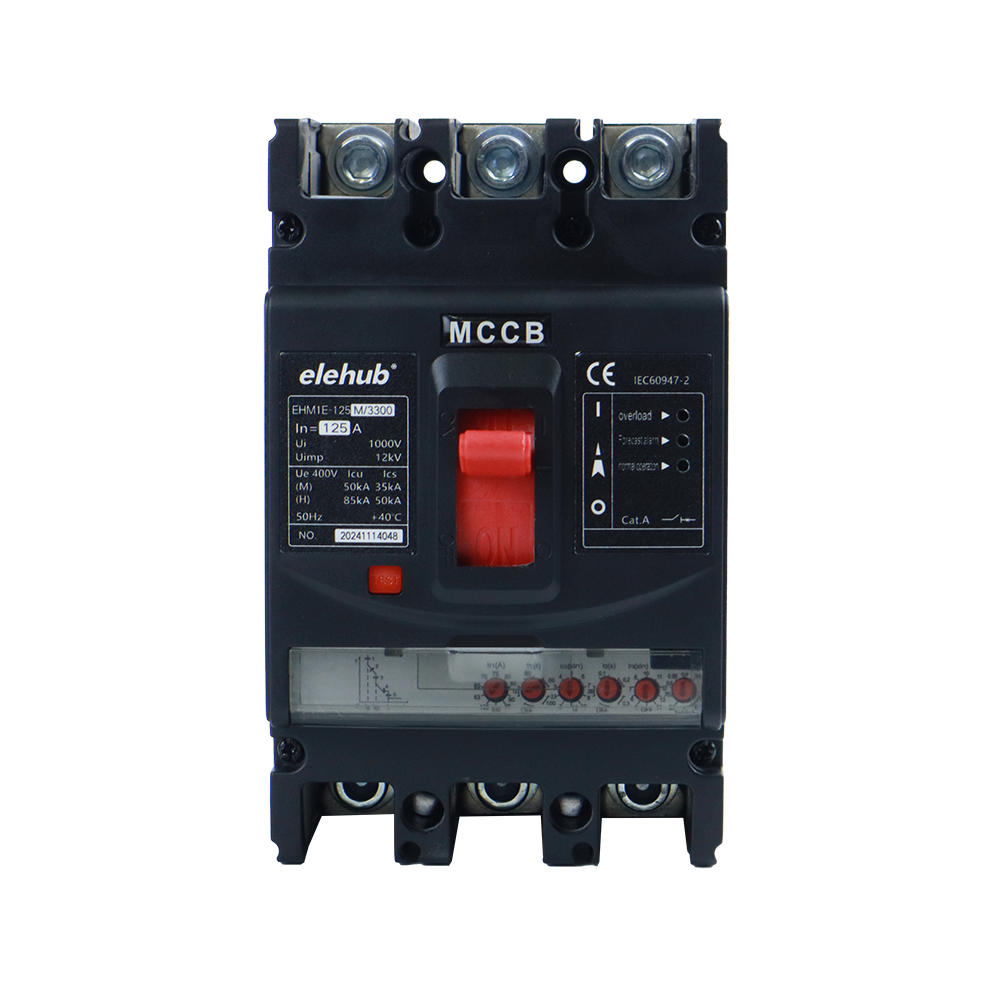
For industrial applications, IP54 and IP65 circuit breakers are among the most commonly used ratings, balancing protection, cost, and maintenance requirements. Higher IP ratings are typically required for outdoor equipment, wash-down areas, or severe operating environments. Since many circuit breakers are installed inside panels or cabinets, the system enclosure IP rating is often more important than the breaker itself.
🚢 Transportation & Marine Systems
Transportation systems such as electric forklifts, rail auxiliary systems, and marine electronics operate under vibration-heavy and moisture-prone conditions.

Key components:
- Vehicle battery connectors
- DC contactors
- Battery disconnect switches
- Marine power distribution systems
Typical IP levels:
- Vehicle connectors: IP54–IP67
- Marine systems: IP67–IP68
📡 Telecommunications & Outdoor Infrastructure
Telecommunication systems require continuous operation in remote and unattended environments.

Key components:
- Base station power systems
- Outdoor communication cabinets
- Fiber distribution enclosures
Typical IP levels:
- Outdoor cabinets: IP65–IP66
- Underground enclosures: IP67–IP68
Sealing integrity is essential to ensure long-term uptime. Isolator switches are used for safe maintenance operations, while sealed connectors prevent moisture-related failures. ELEHUB offers IP66 waterproof DC isolator switches (1000VDC / 1200VDC / 1500VDC) designed for demanding outdoor environments, providing reliable circuit isolation and enhanced protection against dust, rain, and harsh weather conditions.
IP Rating vs Real-World Reliability
While IP ratings provide a standardized measure, real-world performance depends on additional factors:
- Material aging under UV exposure
- Thermal expansion and contraction
- Mechanical stress from vibration
- Improper installation or connector mismatch
- Seal degradation over time
Therefore, engineers must consider IP rating as part of a broader environmental design strategy rather than a standalone guarantee.
IP Ratings vs NEMA
IP rating and NEMA are both protection standards, but they are not directly equivalent and are based on different testing philosophies.
| Feature | IP Rating | NEMA Rating |
| Standard | IEC (global) | North America |
| Scope | Dust + water only | Dust + water + corrosion + ice |
| Format | IP65, IP67 | NEMA 1, 3R, 4, 6P |
| Testing | Lab-controlled | Real-world simulation |
| Detail level | Narrow | Broader system protection |
| Typical Applications | Solar systems, EV charging, global product specifications, connector-level protection | US industrial control panels, utility power distribution, enclosures requiring corrosion/ice resistance |
Approximate mapping:
- IP54 ≈ NEMA 12
- IP65 ≈ NEMA 4
- IP66 ≈ NEMA 4X
- IP67 ≈ NEMA 6
How to Choose the Right IP Rating
When designing or selecting electrical components, the following guidelines are commonly used:
- Indoor clean environments → IP20–IP30
- Industrial indoor environments → IP40–IP54
- Outdoor protected installations → IP65
- Harsh outdoor or marine environments → IP66–IP67
- Temporary immersion risk → IP67–IP68
For systems like solar farms or EV charging infrastructure, combining IP-rated components such as waterproof MC4 connectors, sealed isolator switches, and protected battery disconnect switches ensures system-level robustness.
FAQs
Is IP rating important?
Yes, IP rating is very important because it defines protection against dust and water ingress, directly affecting safety, reliability, and lifespan of electrical equipment in indoor, outdoor, and harsh environments.
What Does “X” Mean in an IP Rating?
In an IP rating, the “X” means no data (or not tested) for that protection level.
What IP rating is suitable for outdoor use?
For outdoor use, IP65 is the most common standard, providing dust-tight protection and resistance to water jets. For harsher environments, IP66 or IP67 is recommended for stronger water or temporary immersion protection.
What is the highest IP rating?
The highest IP rating is IP69K, providing complete dust protection and resistance to high-pressure, high-temperature water jets. It is mainly used in automotive, industrial, and heavy wash-down environments.
Is higher IP rating better?
Higher IP ratings generally mean better protection against dust and water, but not always. The “best” rating depends on the application, cost, and environmental conditions where the device is used.
Can IP65 be used in rain?
Yes. IP65 devices are dust-tight and protected against low-pressure water jets, making them suitable for outdoor rain exposure.
Is IP67 better than IP65?
IP67 adds temporary immersion protection, while IP65 focuses on resistance to water jets. The better choice depends on the environment.
Can an IP68 device be submerged forever?
Not necessarily. Immersion depth and duration are manufacturer-defined.
Are connectors and enclosures rated separately?
Yes. A cabinet may be IP66 while internal connectors have different ratings.
Conclusion
The IP rating system is a foundational concept in electrical engineering that directly impacts safety, durability, and system performance. From connectors to switching devices, every component exposed to the environment must be evaluated for ingress protection.
In modern energy systems, components such as waterproof MC4 connectors, battery disconnect switches, isolator switches, and Anderson connectors all rely on proper IP-rated design integration to ensure stable operation under demanding conditions.
Understanding IP ratings is not just about compliance—it is about building electrical systems that can survive real-world environmental stress over long service lifetimes.