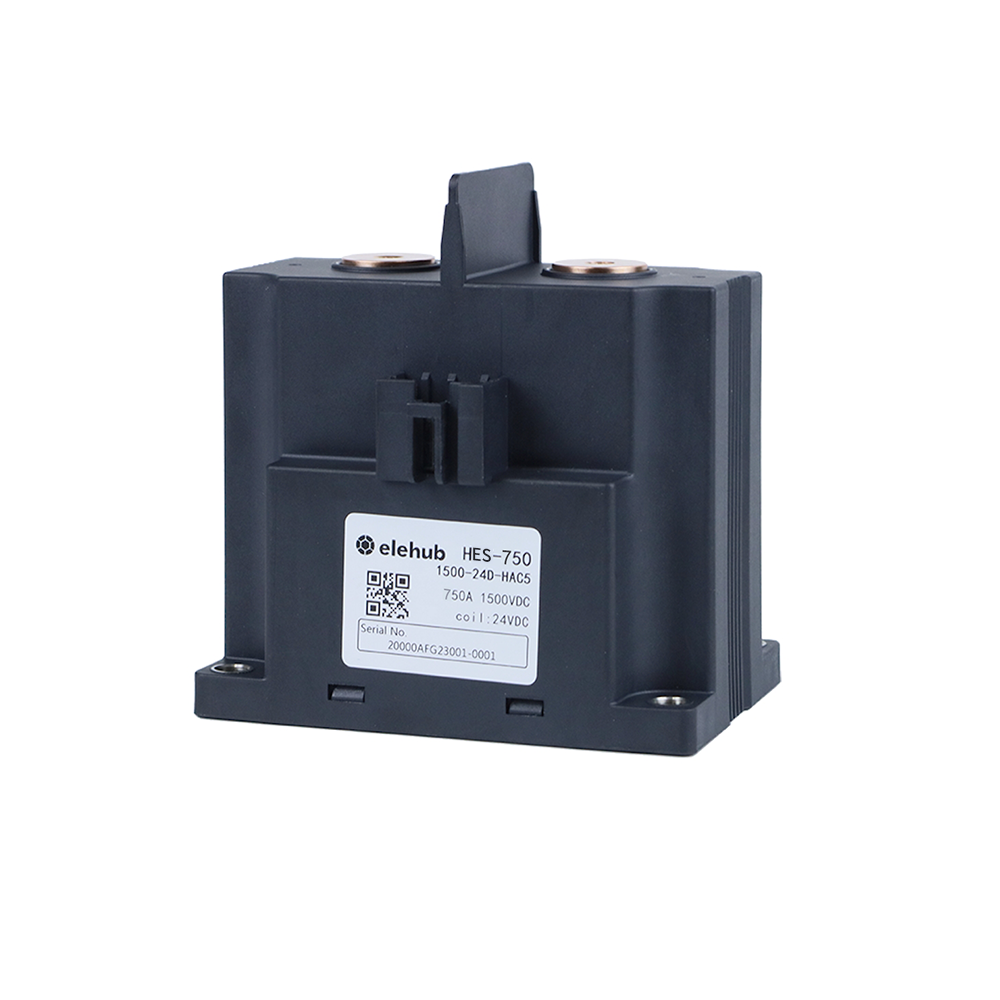
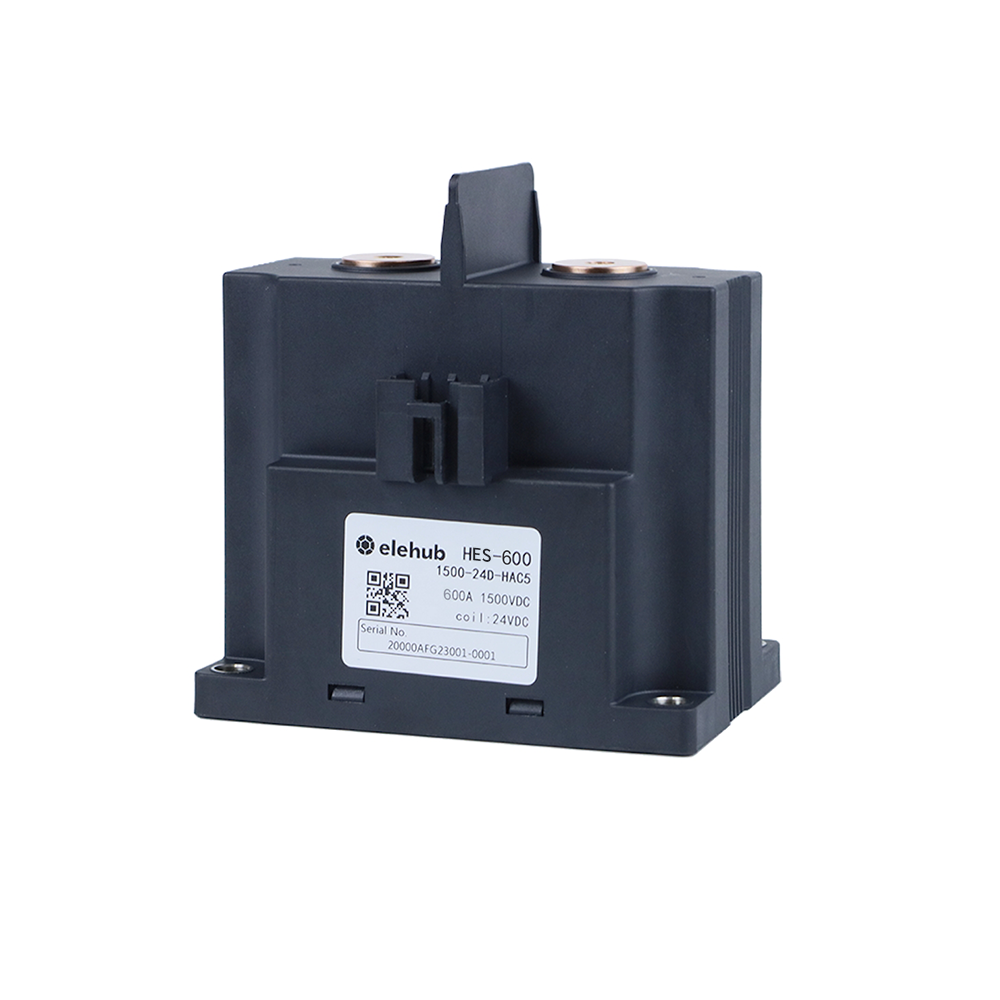
A contactor is an electrically controlled switch used to control high-power electrical loads such as motors, HVAC systems, EV charging equipment, battery energy storage systems, and industrial power systems. Under normal operation, the contactor coil creates a magnetic field that pulls the contacts closed and keeps them securely engaged.
However, when a contactor repeatedly opens and closes instead of staying energized, it is experiencing contactor chatter. A chattering contactor is more than just a noisy electrical problem. Continuous vibration and rapid switching can cause contact arcing, coil overheating, premature failure, and even safety issues in critical power systems.
Understanding what causes a contactor to chatter and how to troubleshoot the problem can help prevent unexpected downtime, contact damage, and equipment failure.

Chattering Contactor
Source: https://www.youtube.com/shorts/KXZKe4PV72I
What Is Contactor Chatter?
Contactor chatter occurs when the contactor’s armature cannot maintain a stable connection after the coil is energized. Instead of remaining closed, the magnetic force repeatedly increases and decreases, causing the contacts to rapidly move between open and closed positions.
Normal Contactor Operation
- Control voltage is applied to the coil terminals (usually A1 and A2).
- The coil generates a magnetic field.
- The magnetic field pulls the armature toward the coil.
- The main contacts close and remain closed.

Contactor Working Principle
Source: https://www.electricaltechnology.org/2020/06/electrical-contactor.html
During Contactor Chatter
During chatter:
- The coil receives unstable or insufficient voltage.
- Magnetic force becomes too weak to hold the armature.
- The armature releases.
- The cycle repeats rapidly.
Common symptoms include:
- Rapid clicking sounds
- Loud buzzing or humming
- Visible contact movement
- Intermittent power delivery
- Burned or damaged contacts
- Excessive coil heating
What Causes a Contactor to Chatter?
1. Insufficient or Unstable Coil Voltage
Low or unstable coil voltage is the most common cause of contactor chatter.
A contactor coil requires sufficient voltage to generate the magnetic force needed to pull in and hold the armature. If the voltage drops below the holding level, the contactor releases and repeatedly attempts to close.
Common causes include:
- Weak or unstable power supply
- Undersized control wiring
- Excessive cable length
- Loose connections
- Battery voltage sag
- Voltage drop during startup
- Large inrush current
For example, a 24VDC contactor supplied with only 16–18VDC may fail to maintain a stable connection.
2. Incorrect Coil Voltage Selection
Using a contactor with the wrong coil voltage can also cause chatter.
Common coil ratings include:
- 12VDC
- 24VDC
- 48VDC
- 120VAC
- 240VAC
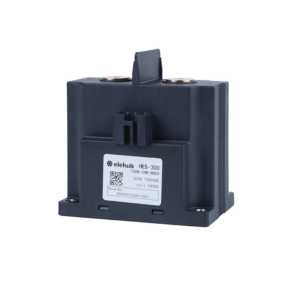
If the applied voltage does not match the coil rating, the contactor may not operate correctly.
Common mistakes include:
- 24VDC coil powered by 12VDC → insufficient magnetic force
- 12VDC coil powered by 24VDC → overheating and coil damage
- 24VAC coil used with 24VDC supply → incorrect operation
Always verify the coil marking before installation.
3. Loose Wiring or Poor Electrical Connections
Loose connections in the control circuit can interrupt coil power and create contactor chatter.
Common problem areas include:
- A1 and A2 coil terminals
- Control relay terminals
- Terminal blocks
- Connector pins
- Ground connections
Signs of poor connections include:
- Heat discoloration
- Burn marks
- Corrosion
- Intermittent operation

Corroded, burnt electrical contactor terminal with heavy green verdigris.
Source: https://www.elektro.info.pl/
The solution is usually to tighten connections, clean terminals, or replace damaged wiring.
4. Control Circuit Interlocking Problems
In systems using multiple contactors, incorrect interlocking logic can cause rapid switching.
Possible causes:
- Forward/reverse motor contactors competing with each other
- ATS systems switching between power sources repeatedly
- Faulty auxiliary NC/NO contacts

Forward/Reverse Motor Contactor Interlocking Control Wiring Diagram
Source: YouTube @Earth Bondhon
A worn auxiliary contact may create a race condition where one contactor turns off another and the cycle repeats.
5. DC Contactor Coil Driver or Economizer Failure
Many modern DC contactors used in EVs, battery systems, and charging equipment do not drive the coil directly.
Instead, they use:
- PWM coil drivers
- Economizer circuits
- Electronic holding-current control

Economizer Circuit for Contactor Coil Control
Source: https://www.eletimes.ai/using-current-mode-pwm-controllers-in-a-high-voltage-economizer
During operation, the driver provides higher current for pull-in and reduces current after closing to prevent overheating. A failed driver may cause unstable holding force.
Possible causes:
- Faulty coil driver
- Incorrect PWM signal
- BMS control failure
- Insufficient holding current
- Damaged driver electronics
6. HVDC Pre-Charge Circuit Failure
In HVDC applications, failed pre-charge circuits can cause repeated contactor open-close commands.
A typical HVDC system uses:
Battery → Pre-charge resistor → DC bus voltage check → Main contactor closing

EV HVDC Pre-Charge Circuit Block Diagram
Source: https://www.linkedin.com/pulse/revx-bms-ensuring-highest-level-functional-safety-high-voltage-mk9we/
Possible causes:
- Damaged pre-charge resistor
- Faulty pre-charge contactor
- Incorrect timing sequence
- DC bus voltage mismatch
- BMS pre-charge fault
When the pre-charge process fails, the controller may repeatedly attempt to close the main contactor, appearing as chatter.
7. Internal Mechanical or Magnetic Problems
Even with correct coil voltage, internal damage can prevent stable operation.
Possible causes:
- Dirty or corroded magnetic surfaces
- Foreign objects inside the mechanism
- Damaged armature
- Weak return spring
- Mechanical misalignment
- Worn moving parts
Symptoms include:
- Clicking sounds
- Vibration or humming
- Delayed closing
- Intermittent operation
If the internal mechanism is damaged, replacing the contactor is usually recommended.
8. Contact Damage or Welding
Excessive current, short circuits, or switching loads beyond the contactor rating can damage the main contacts.
Possible problems include:
- Contact welding
- Burned contact surfaces
- Increased contact resistance
- Contact misalignment

Severely arced, pitted, and carbonized electrical contactor contacts
Damaged contacts may prevent smooth mechanical operation and cause intermittent switching or abnormal noise.
Common causes include:
- Incorrect contactor selection
- Insufficient DC breaking capacity
- Frequent high-current switching
- Short-circuit events
9. AC Contactor Shading Ring Failure
AC contactors use shading rings to maintain magnetic force when AC voltage crosses zero.

Shading Ring
Source: By Ulfbastel – Own work, CC BY-SA 3.0, https://commons.wikimedia.org/w/index.php?curid=19786556
A damaged shading ring may cause:
- Loud humming
- Excessive vibration
- Contact chatter
This problem applies mainly to AC contactors and does not normally occur in DC contactors.
10. Installation and Environmental Factors
External conditions can also affect contactor operation.
Possible causes:
- Incorrect mounting orientation
- Strong vibration
- Dust contamination
- Moisture corrosion
- Extreme temperatures
These conditions may prevent the armature from moving smoothly or maintaining reliable contact.
AC Contactor Chatter vs DC Contactor Chatter
| Feature | AC Contactor | DC Contactor |
| Common applications | HVAC, motors, industrial equipment | EVs, BESS, DC charging |
| Common cause | Low AC voltage, shading ring failure | Coil driver problems, unstable DC supply |
| Main test | Measure AC coil voltage | Measure DC coil voltage stability |
| Magnetic issue | AC zero-crossing effect | Holding current control |
How to Troubleshoot a Chattering Contactor
The recommended troubleshooting order is:
Coil voltage → Coil type → Wiring → Control signal → Mechanical condition → Coil resistance
Step 1: Check the Coil Voltage
Set the multimeter to voltage (V) mode, and check voltage across A1 and A2.
Verify:
- Correct voltage level
- Stable voltage
- No voltage drop during operation

Multimeter measuring voltage across AC contactor coil
Source: YouTube@Apartment Maintenance Pro
Step 2: Confirm the Contactor Coil Type and Rating
Check:
- AC or DC coil type
- Rated voltage
- Frequency (for AC coils)
- Polarity requirements (for some DC coils)

Wiring diagram of a DC contactor with polarized coil
Source: ELEHUB
Step 3: Inspect Wiring Connections
Check:
- Loose terminals
- Damaged cables
- Corrosion
- Connector condition
Step 4: Check Control Signals and Protection Circuits
Verify:
- PLC output
- BMS command
- Relay operation
- Interlocking logic
- Pre-charge sequence
Step 5: Inspect Mechanical Operation
Check:
- Armature movement
- Contact alignment
- Return spring
- Physical damage
Step 6: Measure Coil Resistance
Set the multimeter to resistance (Ω) mode, and measure across A1 and A2 terminals.
Resistance measurement can identify:
- Open coil
- Shorted winding
- Coil damage

A resistance test of a contactor
https://control.com/technical-articles/How-to-Measure-Resistance-with-a-Multimeter/
However, resistance values vary depending on:
- Coil voltage
- Contactor size
- Manufacturer design
Resistance testing should always be compared with manufacturer specifications.
How to Fix a Chattering Contactor
Depending on the cause, solutions include:
Correct Coil Voltage Problems
- Replace incorrect power supplies
- Reduce voltage drop
- Use properly sized wiring
Repair Control Wiring
- Tighten terminals
- Replace damaged connectors
- Repair control circuits

Tighten terminal screw on the contactor to secure wire
Source: https://electriceng.tistory.com/1577#google_vignette
Replace a Damaged Contactor
Replacement is recommended when:
- Coil is burned
- Contacts are severely worn
- Mechanical parts are damaged
- Internal components fail
Improve System Design
For high-power applications:
- Select the correct AC or DC contactor
- Match coil voltage correctly
- Use appropriate protection devices
- Follow manufacturer installation guidelines
Can a Chattering Contactor Damage Equipment?
Yes. Continuous chatter can create several problems:
Contact Damage
Rapid switching creates electrical arcing, which can:
- Burn contact surfaces
- Increase resistance
- Cause contact welding
Coil Failure
Repeated energizing cycles increase:
- Heat generation
- Mechanical stress
- Coil aging
System Reliability Issues
In applications such as EVs and battery systems, contactor failure can interrupt:
- Charging
- Power distribution
- Safety disconnect functions
Why Contactor Chatter Is Critical in EV and Battery Systems
Contactor chatter is especially important in EVs, charging stations, and battery energy storage systems because these systems operate at high DC voltage and current.
Unlike AC systems, DC arcs are harder to extinguish. Unstable contact operation can quickly damage contact surfaces and reduce system safety.
Reliable DC contactor operation requires:
- Correct coil voltage
- Stable coil control
- Proper pre-charge design
- Suitable DC breaking capability

Standards Related to Contactor Performance
Contactor design and testing are commonly based on standards including:
- IEC 60947-4-1 — Low-voltage contactors and motor-starters
- IEC 60947-1 — Low-voltage switchgear and controlgear
- UL 508 — Industrial control equipment
- UL 2231 — EV charging protection requirements
These standards define requirements for switching performance, endurance, insulation, and safety.
Conclusion
A chattering contactor is usually caused by
unstable coil voltage, incorrect coil selection, wiring problems, or mechanical failure
. The fastest troubleshooting method is to first measure the voltage across the coil terminals and confirm that it matches the contactor rating.
For AC contactors, issues such as shading ring failure are common, while DC contactors used in EVs and battery systems often require attention to coil drivers and holding current control.
Proper contactor selection, correct wiring, and regular maintenance can prevent chatter and extend the service life of electrical systems.
FAQs
Why is my contactor buzzing but not closing?
A buzzing contactor usually indicates insufficient coil voltage, a damaged magnetic core, or mechanical problems.
Why does my contactor keep clicking on and off?
Repeated clicking usually means the coil is losing power or cannot generate enough magnetic force to maintain the closed position.
How do I stop a contactor from chattering?
Start by checking coil voltage. If voltage is correct, inspect wiring, control signals, and mechanical components.
Can low battery voltage cause a contactor to chatter?
Yes. Low battery voltage can reduce coil power below the holding level, causing the contactor to repeatedly release and close. This commonly occurs during high-current startup conditions.
How long can a chattering contactor operate before failing?
There is no fixed lifespan. Continuous chatter increases arcing, heat, and mechanical stress, causing failure within minutes, hours, or days depending on operating conditions.
Does contactor chatter increase power consumption?
Yes. Repeated energizing cycles increase coil power consumption, generate additional heat, and accelerate mechanical wear. Electronic coil drivers may also fail to maintain efficient holding-current operation.
Should I replace a chattering contactor or repair it?
Replacement is usually recommended when the coil, contacts, or internal mechanism are damaged. Repairing high-voltage contactors is often impractical due to safety requirements.