Underwriters Laboratories (UL) was founded in 1894 as a global safety science organization that develops over 1,300 standards for the safety of products, particularly electrical uses.
Those standards are typically adopted in codes like the National Electrical Code (NEC), thus compliance becomes mandatory in the majority of jurisdictions. On DC electrical equipment, which is essential in current applications like renewable energy and electric vehicles, UL standards ensure protection from dangerous situations such as fire, shock, and equipment malfunction.
Related article: UL 489 vs UL 1077, UL 508 vs UL 489
UL Certification in General
Knowing about kinds of UL certification is necessary prior to entering individual components:
UL Recognized: Equipment like transformers and power supplies, safe for use in UL-listed products but not tested individually.
UL Listed: Parelled-up products, such as industrial machines, tested for national safety standards, safe under typical conditions.
UL Classified: Products that pass specific safety tests, like fire resistance, but are not thoroughly tested for everything.
UL Standards for DC Electrical Components
UL standards ensure DC electrical components’ functionality and safety. Below is a detailed description of the components and relevant UL standards:
| Component | Primary UL Standard(s) | Key Focus Areas |
| High Voltage DC Contactors | UL 60947-4-1 | Durability, dielectric strength, arc handling |
| DC Contactors | UL 60947-4-1, possibly UL 508 | Mechanical and electrical safety |
| Circuit Breakers | UL 1066, UL 489 | Overcurrent protection, fault current tests |
| DC Shunt Resistors | UL 1412 (general resistor standard) | Precision, stability (performance-focused) |
| DC Fuses | UL 248 | Current/voltage ratings, interruption |
| DC Connectors | UL 4128 | Safety, reliability for DC power |
| DC Isolator Switch | UL 508i | Safety, reliability, proper isolation of DC circuits |
| DC Surge Protection Devices | UL1449 | Voltage protection, endurance tests |
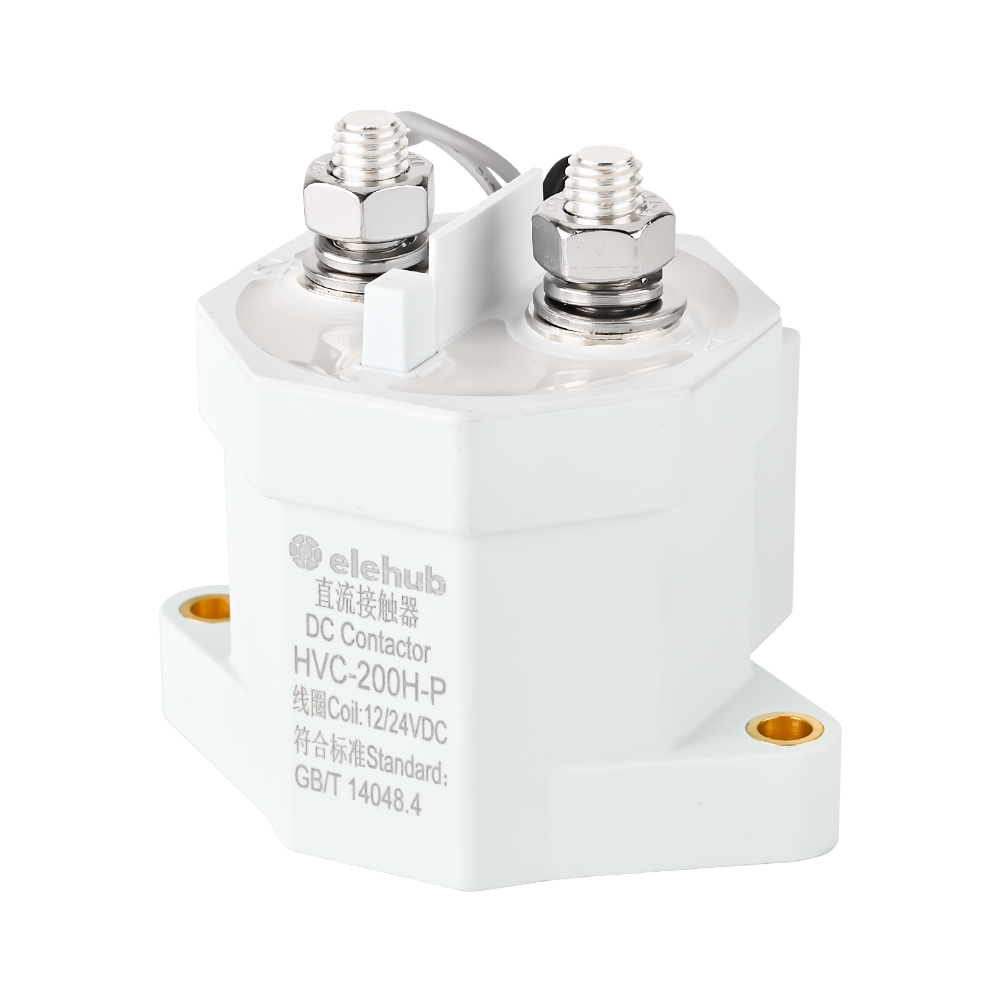
High Voltage DC Contactors

High voltage DC contactors are high DC current and voltage switches, found in electric and renewable energy devices. They direct power flow with the purpose of efficiency and safety. A high voltage DC contactor is typically tested to UL 60947-4-1, the low-voltage switchgear and controlgear standard, for contactors and motor-starters, based on research.
But for high voltages, there may be a requirement of special certifications or adherence to general high voltage equipment standards as there is no special standard for high voltage DC contactors.
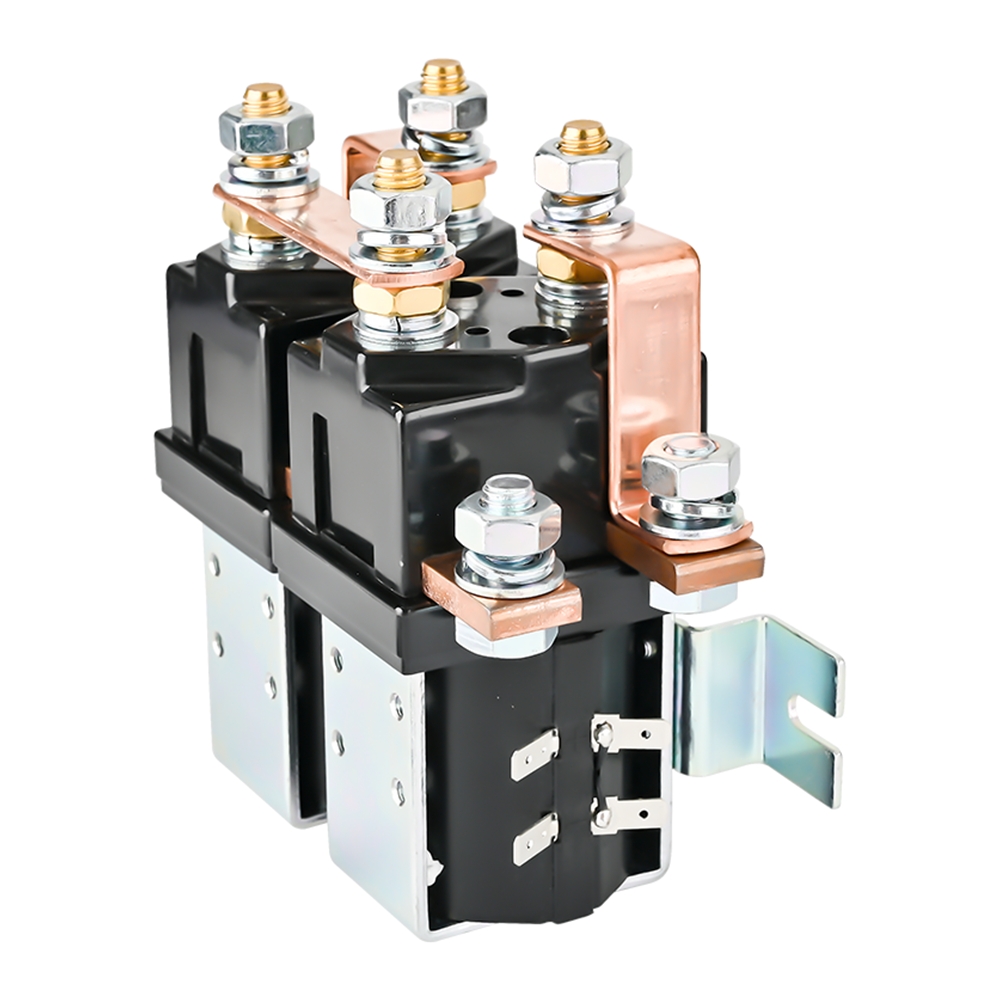
DC Contactors

DC contactors are used to switch DC circuits, which is important in solar systems and battery management. The evidence is in support of UL 60947-4-1 to incorporate their safety standards, which will guarantee that they can handle the constant current without failure.
Circuit Breakers

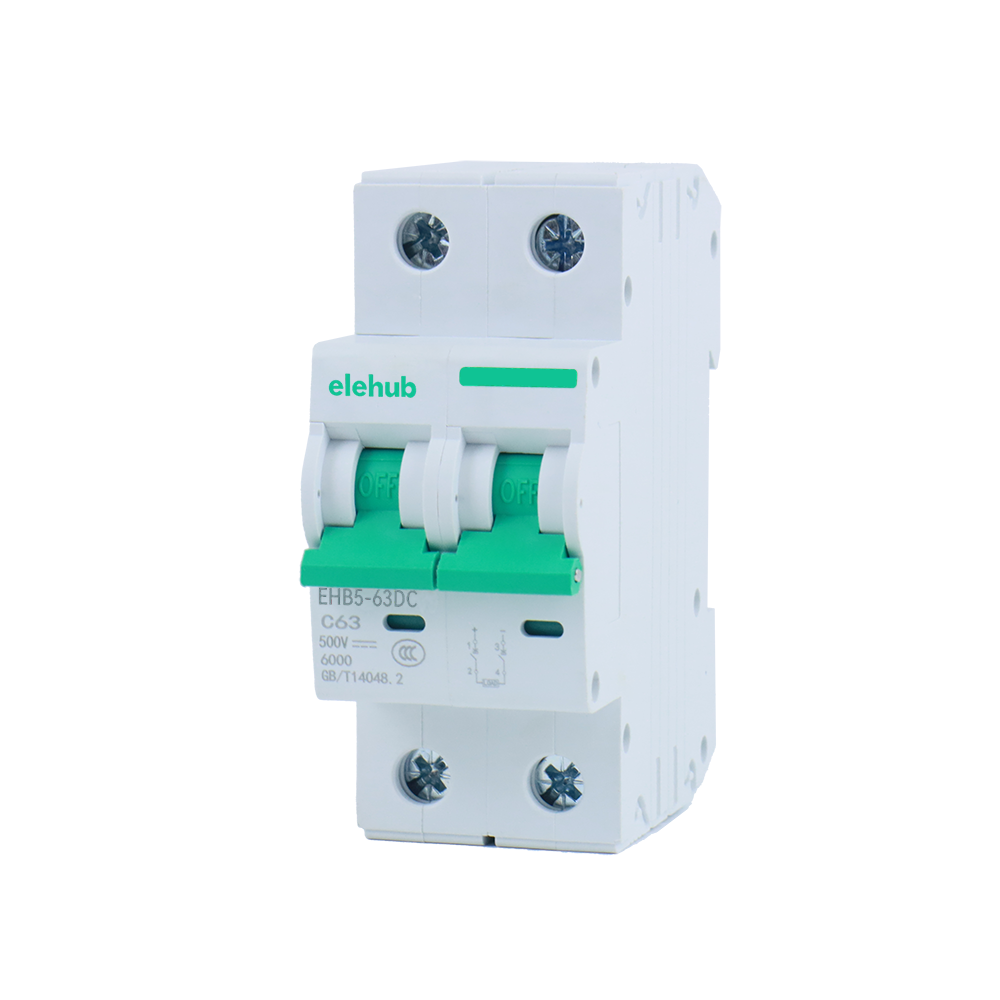
DC circuit breakers protect against short circuits and overcurrent, which is critical in high voltage DC applications. UL 1066 and UL 489 are the standards for power circuit breakers rated at up to 1000 V AC and 1500 V DC mounted in enclosures to confirm that they can handle the electrical stresses of these applications.
DC Shunts

DC shunts are precision resistors for current measurement, which create a small voltage drop that is directly proportional to the current. There is no UL standard for DC shunts per se, but they can be covered under generic resistor standards, e.g., UL 1412 for fusing resistors and temperature-limited resistors, or as part of the equipment they are mounted in like metering devices.
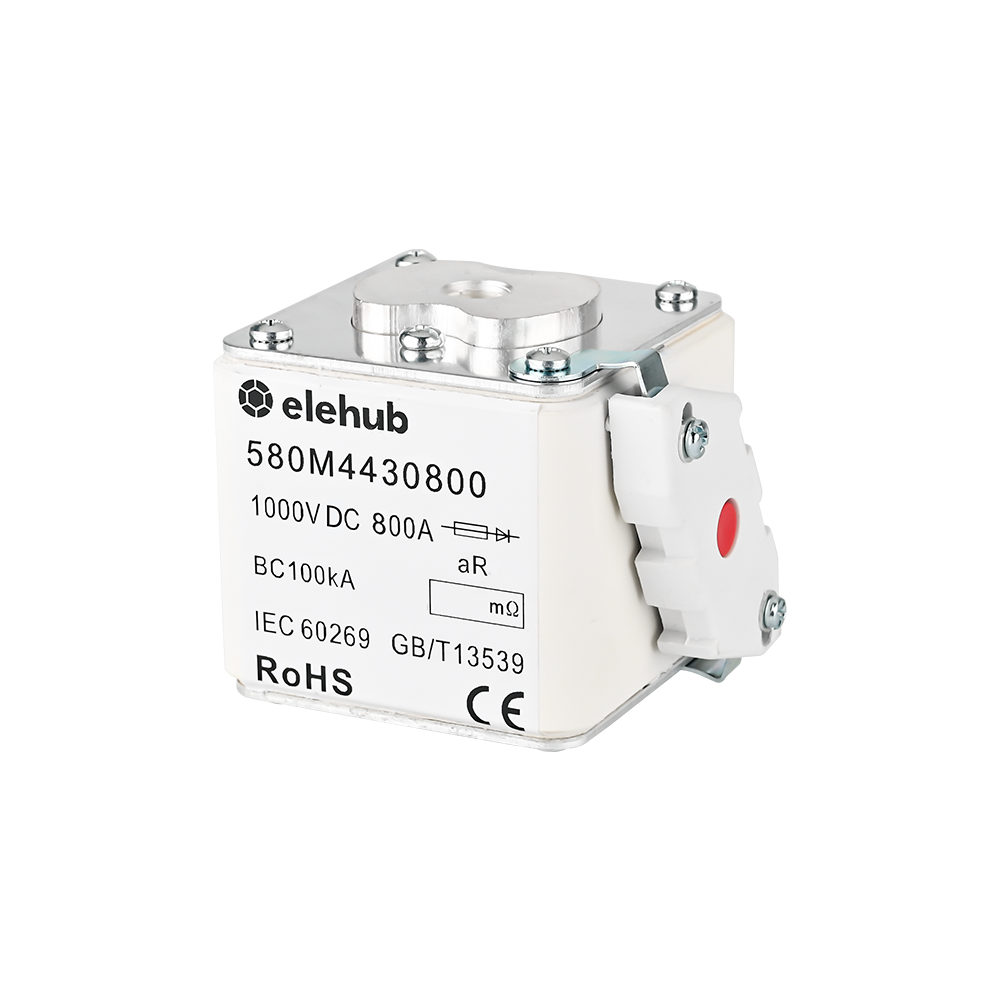
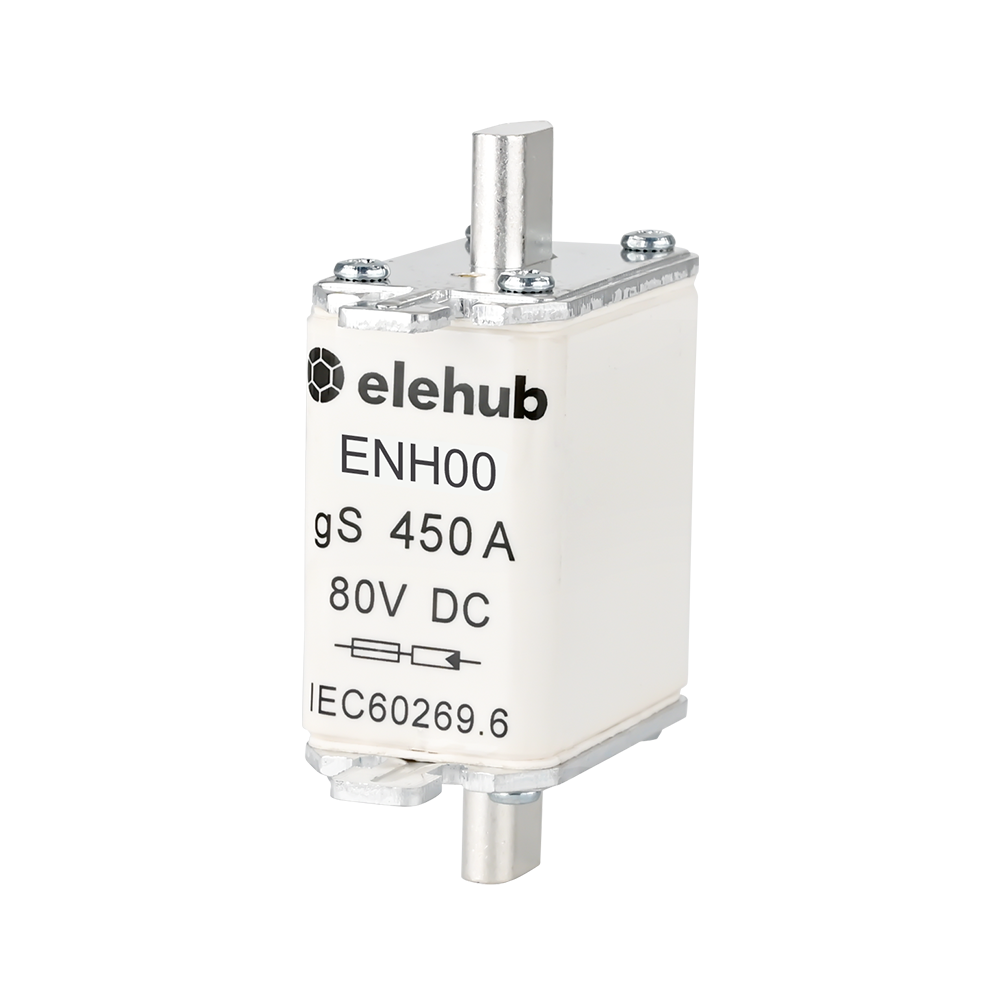
DC Fuses

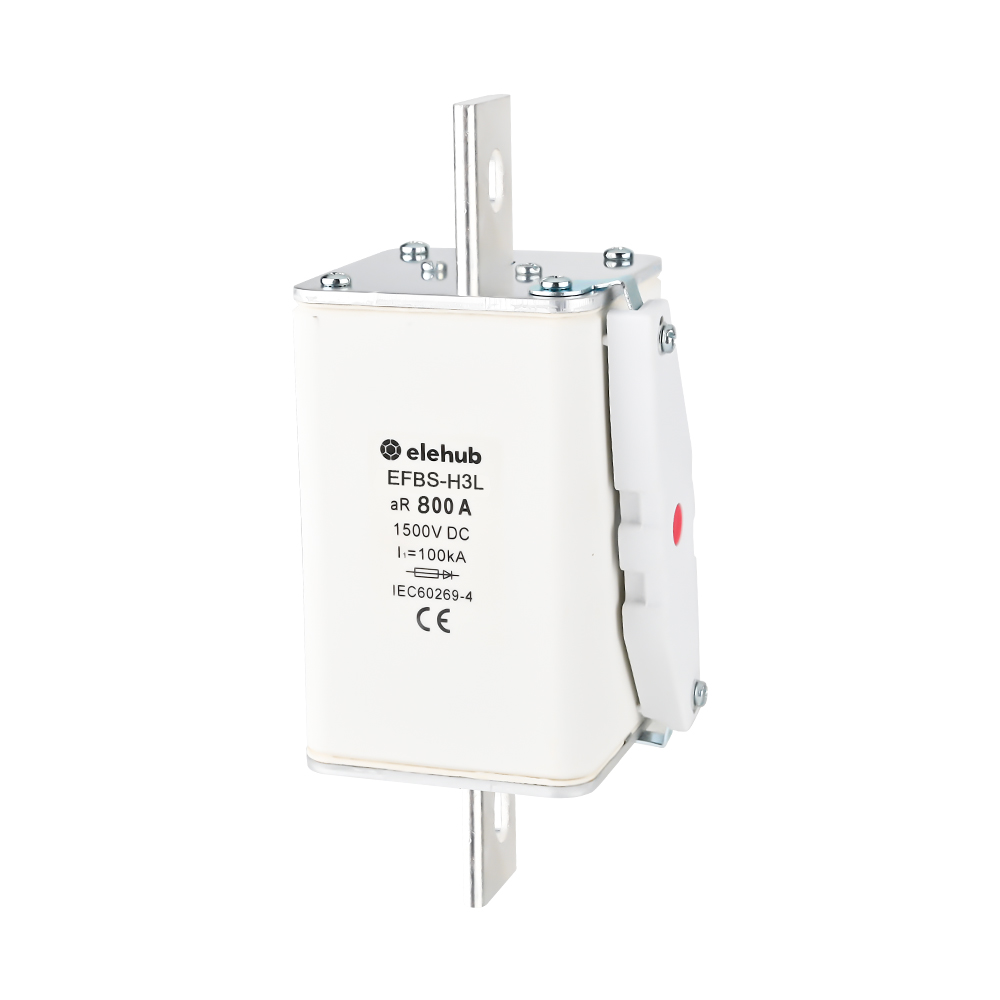
DC fuses provide overcurrent protection, melting when high current passes through to break the circuit. The low-voltage fuse standard is UL 248, with sections covering different classes. Class C fuses, for example, are applied in AC and DC circuits to ensure safety in photovoltaic applications, among others.
DC Connectors

Applicable standards are UL 4128 for DC connectors. Electrical connectors offer safe and reliable connections in DC applications, which are critical in high voltage systems to prevent arcing and insulation failure.
DC Isolator Switches

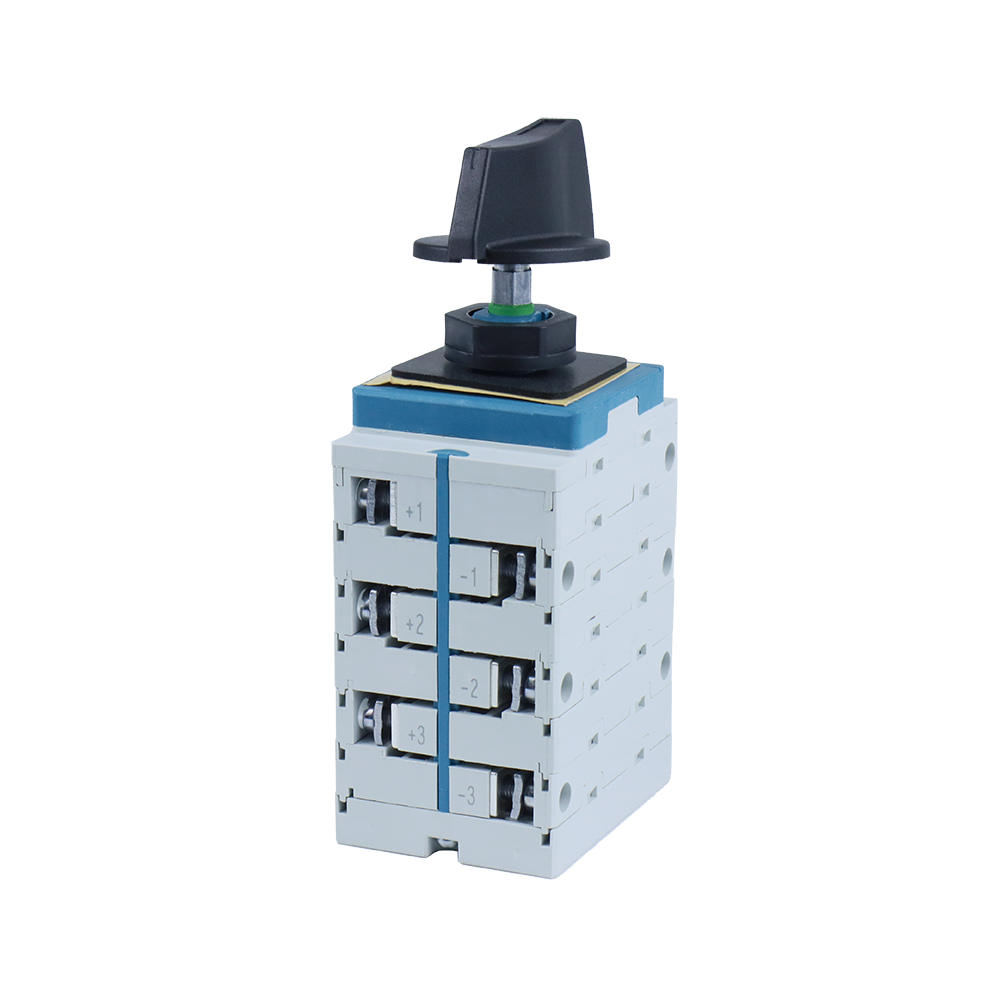
Related standard of DC isolator switches is UL 508i. These switches regulate circuits, necessitating safe handling of DC voltages.
DC Surge Protection Devices (SPDs)

SPDs protect the equipment from voltage spikes such as those caused by lightning in DC installations. The standard, updated with standards for DC surge protection, UL 1449 guarantees these SPDs’ ability to meet the unique needs in DC surge protection, particularly for solar and EV charging purposes.
UL Standards for High Voltage DC Applications
High voltage DC (HVDC) systems used in power transmission and renewable energy require robust UL standards since they are more exposed to hazards like arcing and overheating. This is how the components fit into high voltage applications:
- High Voltage DC Contactors: As stated, there is no specific standard, but they are tested on their ability to meet high DC voltages, typically under general high voltage equipment standards, for safety for use in energy storage systems, etc.
- Circuit Breakers: UL 1066 and UL 489 cover up to 1500 V DC, suitable for HVDC power transmission, for protection from overcurrent.
- DC Connectors: Must meet UL 4128, enabling them to handle high voltages without failing, which is necessary for EV charging stations.
- DC Isolator Switches: UL 508i DC isolator switches are safe for use in high voltage DC, say as, in case of emergency disconnection.
- Surge Protection Devices: UL 1449 addresses DC SPDs, which protect against surges in high voltage systems, which is a requirement for solar installations.
Why UL Standards Matter in High Voltage Applications
- Preventing Electrical Fires: High-voltage DC systems generate heat, and UL standards subject contactors and fuses to fire-resistance and thermal-stability testing.
- Avoiding Equipment Malfunctions: Reliability matters and UL certification assures components function reliably, reducing downtime in mission-critical uses.
- Ensuring Worker and Public Safety: High-voltage systems pose dangers, and UL certification reduces accident potential, saving lives.
- Facilitating Compliance with Regulations: Many jurisdictions require UL certification, averting legal entanglements and wasted time on marketing.
Closing Words
UL standards guarantee the security, dependability, and function of electrical devices, especially for DC systems and high-voltage applications. Having knowledge of and conforming to these standards enables manufacturers to supply products that comply with the rigorous safety requirements of the North American market.
To organizations handling high-voltage DC components, the importance of UL certification cannot be overasserted. It assures them that their products are safe, durable, and regulatory compliant, thus boosting their marketability and trustworthiness among consumers.
As innovations in DC and high-voltage go on increasing, the role of UL standards will grow progressively more pivotal in ensuring that such systems are reliable, efficient, and safe.
About ELEHUB
ELEHUB is one of the major suppliers of advanced electrical solutions for electric vehicles, solar energy, energy storage systems, and other industries.
Having been a DC electrical components manufacturer in the industry for many years, ELEHUB has built a reputation as a valued partner for companies and organizations seeking reliable, high-performance solutions to power system needs. Our products meet the UL standards, TÜV, ROHS compliance, and CE standards.
At ELEHUB, we work hard to offer high-performance and innovative solutions concerning the needs of individual applications. We are one of the top high voltage DC contactor suppliers in China.
Moreover, our portfolio comprises high voltage DC contactors, circuit breakers, and DC protective switches, among other devices, with superior quality and reliability standards to ensure optimum performance even under demanding conditions.
FAQ
What is the difference between UL and IEC standards?
Both UL (Underwriters Laboratories) and IEC (International Electrotechnical Commission) standards have a focus on performance as well as safety.
UL standards are predominantly used in North America and focus on electrical product safety, being prone to emphasize fire hazards and electrical shock protection.
IEC standards, on the other hand, are international and cover a broader range of safety, performance, and environmental aspects of electrical and electronic products.
What is the difference between UL certification and the CE Mark?
The UL Mark addresses product safety requirements for products sold in North America, while the CE Mark states compliance with European Union legislation. The UL Mark appears on products sold in the US and Canada, while the CE Mark must appear on products being sold in the European marketplace.
What role do UL standards play in high voltage DC applications?
High voltage DC (HVDC) systems used in power transmission and renewable energy require components to be tested for their ability to withstand electrical stresses.
UL standards render the components such as contactors, fuses, and connectors strong, fireproof, and safe at high voltages, preventing accidents and reducing downtime in mission-critical applications.
Are there other DC system standards apart from UL certifications?
Yes, there are other standards that one can use in addition to UL certifications, such as UL 1741 for solar inverters, UL 1577 for optical isolators, and UL 60079-0 for explosion-proof equipment.
These standards are used to cover a broader scope of safety and performance concerns in niche applications, offering overall protection for DC systems.