Have you ever wondered why your expensive electronics suddenly stop working after a thunderstorm? Or maybe you’ve experienced the frustration of replacing multiple devices after a power outage?
These costly incidents often result from electrical surges that could have been prevented with proper protection. Understanding what are surge protectors and how they work is crucial for safeguarding your valuable electronics and maintaining a safe electrical environment.
What is a Surge Protector?
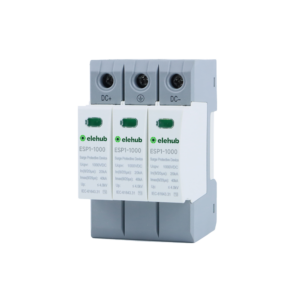
A surge protector, also known as a Surge Protection Device (SPD), is an electrical device that protects electronic equipment from voltage spikes and power surges.
They limit or block excessive voltage and divert it safely to ground. These devices act as a crucial barrier between your sensitive electronics and potentially damaging electrical events.
Understanding Electrical Surges: The Hidden Threat
Before diving into what is a surge protection device, it’s essential to understand the problem it solves. Electrical surges are sudden increases in voltage that exceed the normal flow of electricity in your home or business circuits. These voltage spikes can range from minor fluctuations to massive surges that can instantly destroy electronic equipment.
Common causes of electrical surges include:
- Lightning strikes: The most dramatic but less common cause.
- Power grid switching: Utility company operations affecting power distribution.
- Large appliance cycling: Air conditioners, refrigerators, and motors turning on/off.
- Electrical wiring problems: Faulty wiring or overloaded circuits.
- Downed power lines: Accidents or weather-related power line damage.
Even small, frequent surges that don’t immediately damage equipment can gradually degrade DC electrical components, shortening their lifespan and reducing performance. This is why understanding what surge protectors do is so important for protecting your investment in electronic devices.
What Is a Surge Protection Device: Components & Technology

Source: https://www.eaton.com/us/en-us/products/backup-power-ups-surge-it-power-distribution/surge-protection/surge-protection-explained.html
A surge protection device works through several key components working together to detect and divert excess voltage:
Metal Oxide Varistors (MOVs)
The heart of most surge protectors, MOVs are semiconductor devices that change their electrical resistance based on the applied voltage. Under normal conditions, they have high resistance and don’t affect electrical flow. When voltage exceeds a specific threshold, their resistance drops dramatically, creating a path for excess electricity to flow to ground.
Gas Discharge Tubes (GDTs)
These components handle larger surges, particularly those caused by lightning. GDTs contain inert gas that ionizes when exposed to high voltage, creating a conductive path that diverts the surge away from protected equipment.
Suppressor Diodes
Fast-acting components that respond to voltage spikes in nanoseconds, providing protection for sensitive digital equipment that requires immediate response to voltage variations.
Thermal Protection
Many modern surge protectors include thermal fuses or circuit breakers that disconnect the device if it overheats due to repeated surge events, preventing fire hazards.
Types of Surge Protection Devices
Understanding what is a surge protector involves recognizing that different types serve various protection needs:
Type 1 SPDs (Service Entrance)
Installed at the main electrical panel, these devices protect against large external surges, particularly lightning-induced surges. They handle the highest energy levels and provide whole-building protection.
Type 2 SPDs (Distribution Panel)
Located at sub-panels or distribution boards, these devices provide secondary protection for specific circuits or areas of a building. They’re the most commonly installed type in residential applications.
Type 3 SPDs (Point-of-Use)
These are the familiar plug-in surge protectors and power strips found in homes and offices. They provide localized protection for individual devices or small groups of electronics. Check out our complete comparison guide on Type 1 vs Type 2 vs Type 3 SPD.
Whole-House Surge Protectors
Installed at the main electrical panel, these devices protect all circuits in a building. They’re particularly effective against utility-related surges and provide a foundation layer of protection.
AC SPD
Designed for AC power systems, these devices protect household appliances, industrial equipment, and commercial electrical systems from voltage spikes on the AC side. They are widely used in residential, commercial, and industrial power distribution networks.
DC SPD
Specifically designed for DC systems, these devices are essential in applications such as solar photovoltaic (PV) systems, battery storage, electric vehicles, and telecommunications. They protect sensitive DC equipment from lightning surges and switching transients, ensuring system stability and longevity. Read more in What Is the Difference Between AC and DC SPDs?
How Surge Protectors Work: The Protection Process
When you understand what surge protectors do during an electrical event, their importance becomes clear:
- Voltage Monitoring: The device continuously monitors incoming voltage levels.
- Surge Detection: When voltage exceeds the predetermined threshold (clamping voltage), protection components activate.
- Energy Diversion: Excess electrical energy is diverted away from connected equipment to the ground wire.
- Normal Operation Restoration: Once the surge passes, the device returns to normal monitoring mode.
- Status Indication: LED lights or other indicators show the device’s operational status.
This process happens in microseconds, providing protection faster than surges can damage sensitive electronic components.
Key Specifications and Ratings
Understanding what a surge protection device is requires familiarity with important specifications:
Clamping Voltage
This is the voltage level at which the surge protector begins diverting excess electricity. Lower clamping voltages (330V or 400V) provide better protection than higher levels (500V or 600V).
Energy Absorption Rating (Joules)
Measured in joules, this indicates how much energy the device can absorb before failing. Higher joule ratings generally mean longer-lasting protection, with ratings typically ranging from 200 to 4,000+ joules.
Response Time
The speed at which the device reacts to voltage spikes, measured in nanoseconds. Faster response times provide better protection for sensitive electronics.
Maximum Surge Current
The peak current the device can handle during a surge event, typically measured in kiloamperes (kA). Higher ratings indicate better ability to handle large surges.
Benefits of Proper Surge Protection

Implementing appropriate surge protection provides numerous advantages:
Equipment Protection
The primary benefit is safeguarding expensive electronics from voltage spikes. This includes computers, televisions, gaming systems, smart home devices, and appliances with electronic controls.
Data Preservation
Surges can corrupt data stored on computers and other digital devices. Surge protectors help prevent data loss that could be catastrophic for businesses or irreplaceable for personal users.
Fire Prevention
Electrical surges can cause overheating and potentially start fires. Quality surge protectors include safety features that reduce fire risk.
Insurance Benefits
Many insurance companies offer reduced premiums for properties with whole-house surge protection, recognizing the reduced risk of electrical damage claims.
Long-term Savings
While surge protectors require upfront investment, they’re far less expensive than replacing damaged electronics. The protection they provide typically pays for itself many times over.
Applications of Surge Protection Devices
Surge protectors are widely used in:
-
Residential Use: Protects TVs, computers, routers, and smart home devices from voltage spikes.
-
Commercial & Industrial: Safeguards servers, control panels, and manufacturing equipment, reducing downtime and maintenance costs.
-
Solar Energy Systems: Prevents damage from lightning strikes and grid fluctuations in photovoltaic systems.
-
Telecommunications & Data Centers: Ensures stable operation of sensitive communication and data processing equipment.
-
EV Charging Infrastructure: Protects charging stations and connected vehicles from electrical surges.
Installation and Placement Considerations
Proper installation is crucial for effective surge protection:
Professional Installation
Type 1 and Type 2 surge protectors typically require professional installation by licensed electricians, as they connect directly to electrical panels and require proper grounding.
Point-of-Use Installation
Plug-in surge protectors are user-installable but should be selected based on the specific needs of connected equipment. Avoid daisy-chaining surge protectors, which can create safety hazards.
Strategic Placement
Install surge protectors as close as possible to sensitive equipment. For comprehensive protection, use a layered approach combining whole-house protection with point-of-use devices.
Grounding Requirements
Proper grounding is crucial for the effectiveness of surge protectors. Ensure your electrical system has adequate grounding before installing surge protection devices.
Maintenance and Replacement

Surge protectors don’t last forever and require periodic attention:
Visual Inspection
Regularly check indicator lights and look for signs of damage such as burn marks, cracked cases, or unusual odors.
Performance Testing
Some advanced surge protectors include self-testing features or can be tested with specialized equipment to verify continued effectiveness.
Replacement Schedule
Most plug-in surge protectors should be replaced every 3-5 years or after major surge events. Whole-house units typically last longer but should be inspected annually.
Documentation
Keep records of surge protection installations, including dates, specifications, and any surge events that may have affected the devices.
Common Myths and Misconceptions
Several misconceptions exist about surge protection:
Myth: “Surge protectors protect against all electrical problems.”
Reality: They specifically protect against voltage spikes but don’t address other issues like voltage drops or frequency variations.
Myth: “All power strips provide surge protection.”
Reality: Basic power strips only provide additional outlets; only those specifically labeled as surge protectors provide voltage spike protection.
Myth: “One surge protector provides complete protection.”
Reality: Comprehensive protection often requires multiple devices in a layered approach.
Choosing the Right Surge Protection

Consider the value and sensitivity of equipment to be protected, the local electrical environment, and the frequency of storms or power issues in your area.
Quality Standards
Look for devices certified by recognized testing laboratories such as UL (Underwriters Laboratories) and ensure they meet current safety and performance standards.
Warranty and Support
Quality manufacturers often provide equipment warranties and warranties for connected equipment, demonstrating confidence in the effectiveness of their products.
Final Thoughts
Understanding what is a surge protection device and implementing appropriate surge protection is a wise investment in protecting your electronic equipment, data, and property. From simple plug-in units protecting individual devices to comprehensive whole-house systems, surge protectors provide essential defense against the unpredictable nature of electrical surges.
The relatively small cost of surge protection devices pales in comparison to the potential cost of replacing damaged electronics or dealing with electrical fires. Whether you’re protecting a home office setup or an entire commercial facility, proper surge protection is an essential component of electrical safety and equipment preservation.
Remember that surge protection is most effective when implemented as part of a comprehensive electrical safety strategy, which includes proper grounding, regular electrical system maintenance, and selecting devices that meet your specific needs. Consult with qualified electrical professionals to design a surge protection system tailored to your particular needs and requirements.