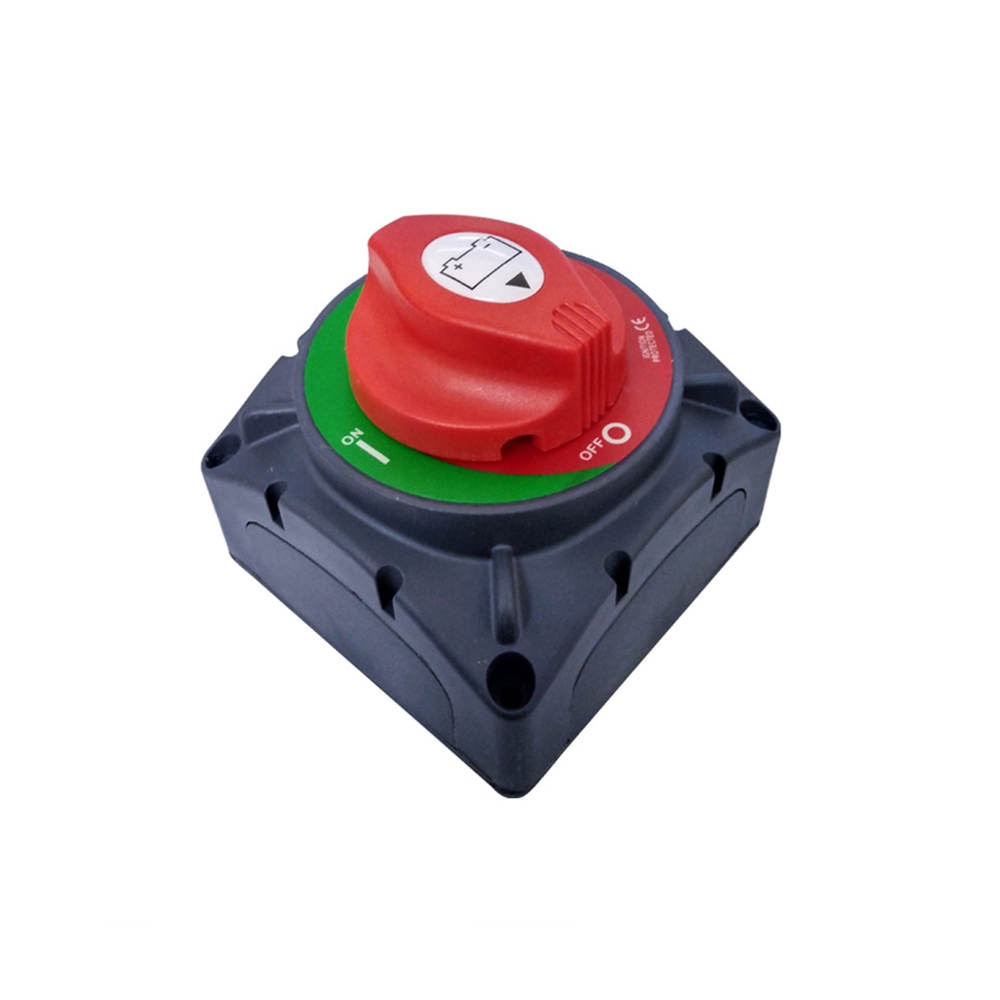
Understanding UL 508 (industrial control equipment) vs UL 489 (branch circuit protection) is critical for ensuring electrical safety and compliance in complex electrical systems.
Related articles for further reading:
UL 508 vs UL 489 at a Glance
For those needing a quick reference, here’s a table summarizing the key differences between UL 489 and UL 508:
| Feature | UL 489 | UL 508 |
| Focus | Branch circuit protection | Industrial control equipment |
| Devices | Circuit breakers, switches | Contactors, motor starters, PLCs, relays, pushbuttons |
| Testing | Short-circuit withstand, overload performance | Endurance, mechanical operations, temperature rise, fault tolerance |
| Applications | Residential, commercial, industrial (panelboards, load centers) | Factories, automation systems, machinery controls, HVAC |
UL 489: Circuit Breaker Standards
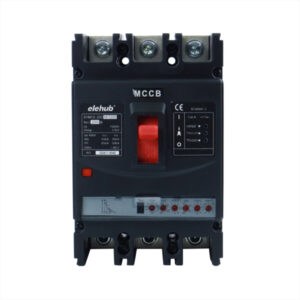
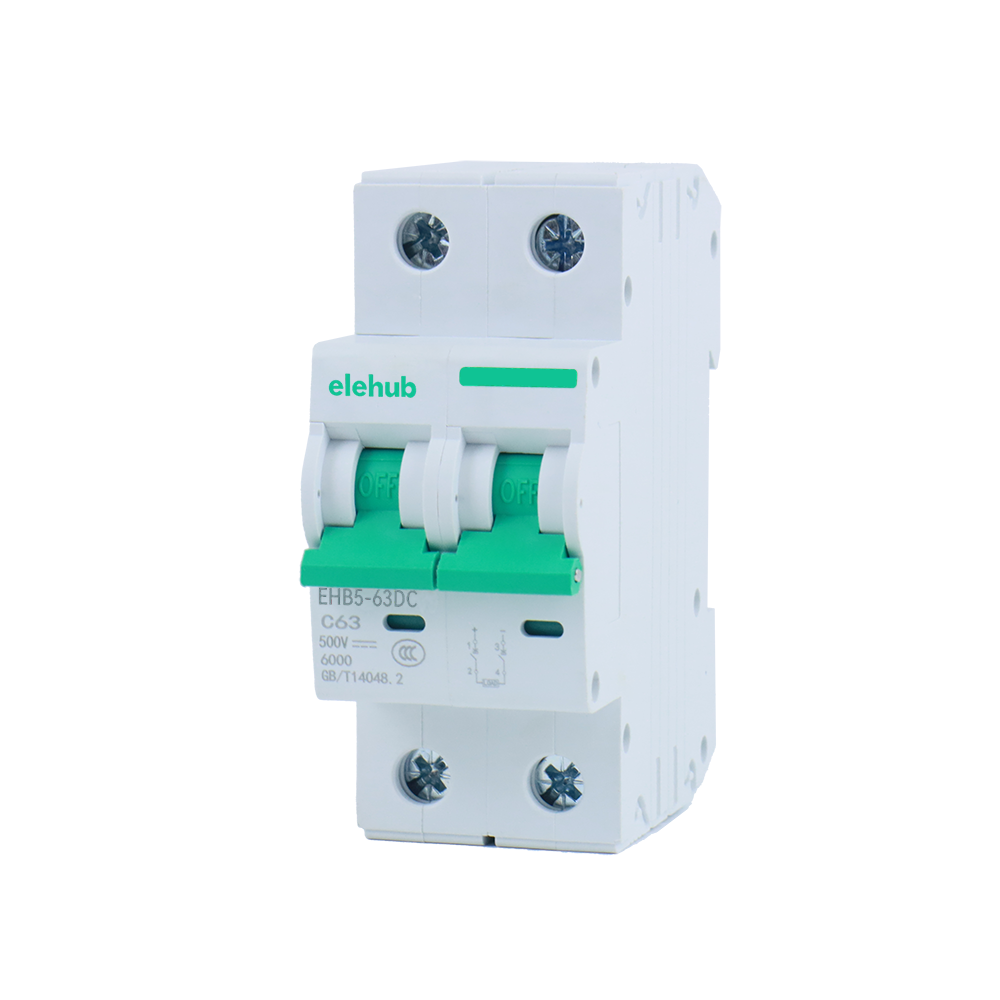
UL 489 defines the standards for molded case circuit breakers and electrical switches designed to protect branch circuits from overcurrent conditions of short circuits and overloads.
These products are the guardians of electrical safety, interrupting the electrical flow in the event of a fault to save equipment and, most importantly, to save people from electrical harm.
Testing Protocols: UL 489 subjects devices to a rigorous regimen of testing, including:
- Short-circuit Withstand: Testing the ability of the device to interrupt high fault currents safely without catastrophic failure. Interrupting capacities can be as high as 100 kA, depending on the application.
- Overload Performance: Testing the performance of the device to trip within a specified time when subjected to prolonged overcurrents, typically starting at 6 times the rated current.
- Environmental Tests: Ensuring reliable operation under varied environmental conditions, including temperature extremes and humidity.
Applications: UL 489-listed equipment finds extensive use in:
- Residential Panels: Providing protection for individual circuits for lighting, appliances, and outlets.
- Commercial Buildings: Protecting power distribution systems for offices, retail outlets, and other commercial establishments.
- Data Centers: Providing critical protection for sensitive electronic equipment.
Take an example of a hospital power distribution system. UL 489 circuit breakers serve their essential function at every level.
From the main service entrance to receptacles in individual patient rooms, any electrical fault is quickly isolated to prevent widespread power outages and potential harm to patients and staff.
UL 508: Industrial Control Standards
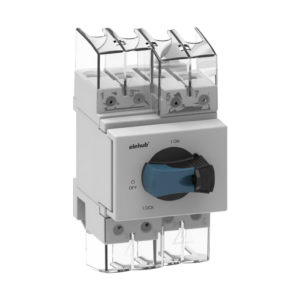
UL 508 covers safety standards for industrial control equipment and related devices intended for connection to circuits not exceeding 1000 volts. The standard covers a broad category of components used for controlling and monitoring machinery and industrial processes.
Testing Protocols: UL 508 testing focuses on the reliability and durability of control equipment:
- Endurance: Verifying the ability of the device to withstand several mechanical operations (i.e., a contactor closing and opening) over 10,000 times.
- Temperature Rise: Ensuring that the components of the device do not exceed safe operating temperatures (typically a maximum of 65°C above the ambient temperature) under normal and fault conditions.
- Fault Tolerance: Testing the functioning of overload relays and other protection devices in the control equipment to prevent damage to motors and other equipment attached to it.
Applications: UL 508 compliant equipment is critical in:
- Manufacturing Plants: Control of motors, pumps, and other equipment on the production floor.
- Conveyor Systems: Coordination of the movement of materials in distribution centers and warehouses.
- HVAC Controls: Control of heating, ventilation, and air conditioning systems in commercial and industrial buildings.
Here is an example: Consider an auto assembly line. UL 508 compliant motor starters and contactors are the workhorses that control the numerous motors powering robotic arms, welders, and conveyor belts. The equipment must operate reliably for extended periods under severe conditions.
UL 508 vs UL 489: Key Differences in Practice
Though both standards play a part in electrical safety, their day-to-day significance varies enormously.

1. Installation: UL 489 circuit breakers have to be installed within enclosures of specific short-circuit current ratings (AIC ratings) to guarantee the enclosure can hold a fault.
However, UL 508 devices often require careful coordination with upstream and downstream protective devices to ensure correct operation and prevent cascading failure.
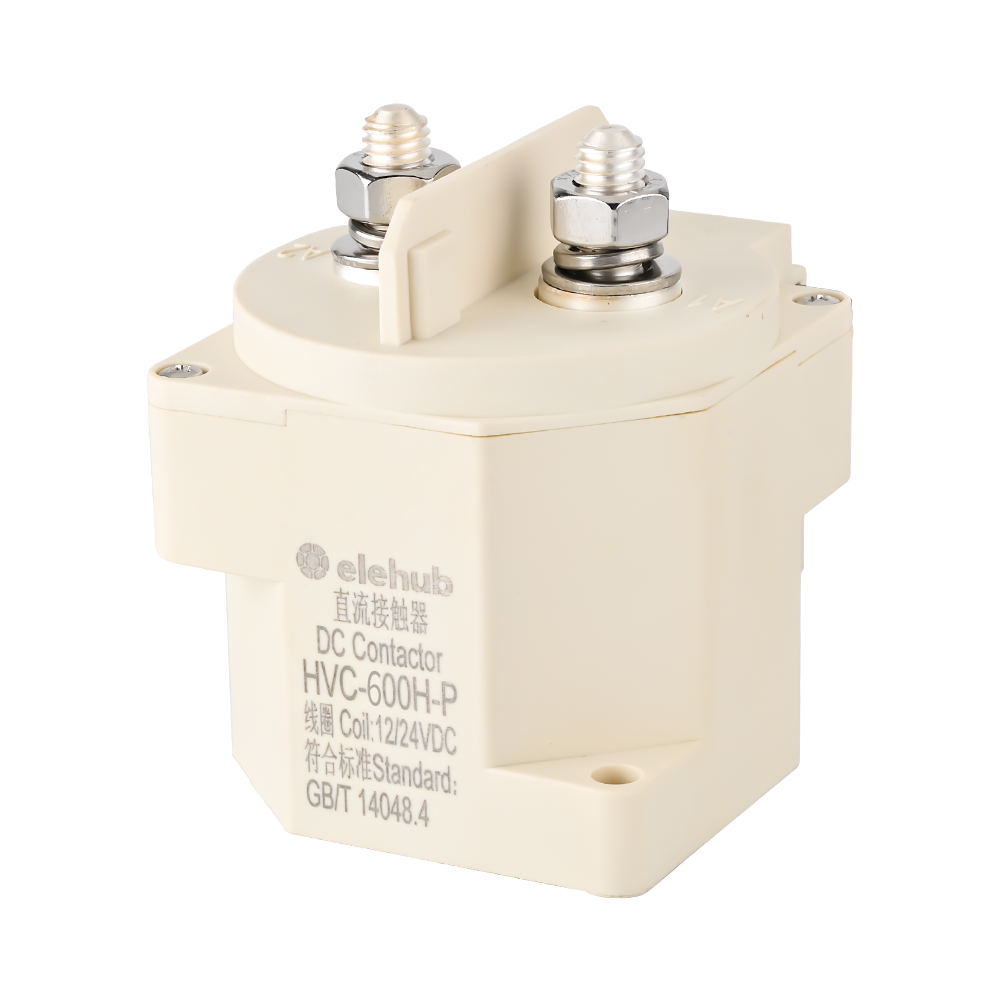
2. Misapplication Risks: A common and risky mistake is to use a UL 508 listed DC contactor or motor starters for branch circuit protection. They are not designed to interrupt high fault currents like UL 489 circuit breakers and can lead to equipment failure, fire hazard, and potential injury.
3. Cost and Lifecycle: Generally, UL 489 circuit breakers will cost more at the beginning due to their heavy construction and high interrupt ratings. They will go a long time before they need repair with very little maintenance.
UL 508 devices may cost less at the beginning, but may require more maintenance or replacement of wear-intensive parts like contacts.

A single factory experienced a great deal of downtime when a UL 508 contactor, incorrectly applied to supply branch circuit protection, experienced a total meltdown when there was a minor electrical malfunction.
This resulted in a lengthy shutdown of an essential production line, illustrating the importance of utilizing the correct standard for the application.
UL Standards vs International Equivalents

Although UL standards are mostly known in North America, it is important for businesses with a global presence to understand how they relate to global standards.
- UL 489 vs. IEC 60947-2: IEC 60947-2 is the global standard for circuit breakers. Although there are similarities in the basic principles, there are differences in testing practices, performance requirements, and labeling.
- UL 508 vs. IEC 61131: IEC 61131 is a series of programmable logic controller (PLC) standards. Again, while both UL 508 and IEC 61131 address the safety of industrial control equipment, there are some differences in requirements and testing procedures.
The growing globalization of trade is propelling the movement towards the harmonization of electrical standards. Collaborations between the EU and the US are in the process of simplifying certification procedures and diminishing obstacles to international trade.
| Feature | UL Standard | IEC Equivalent | Key Differences |
| Circuit Breakers | UL 489 | IEC 60947-2 | Testing procedures, interrupting ratings, labeling |
| PLCs | UL 508 | IEC 61131 | Specific safety requirements, environmental testing |
Case Study: Real-World Application Gone Wrong
Suppose a medium-sized factory, in an exercise to save costs, used UL 508 listed contactors instead of UL 489 circuit breakers to protect branch circuits of individual machines.
When there was a minor insulation fault in one machine, the contactor, without high fault current interruption capability, could not clear the fault within time.
This resulted in a contained fire, which caused damage to the machine and the surrounding wiring. This painfully illustrates how vital it is to use the exact guidelines for application in every standard. Using the wrong type of protection device can have catastrophic financial as well as safety consequences.
Ensuring Safety and Efficiency in the Electrical Systems
It is important to understand the fundamental differences between UL 489 and UL 508 for anyone who is designing, installing, or repairing electrical systems.
Remember that UL 489 is your go-to for branch circuit protection with quality overcurrent protection, and UL 508 covers the safe and reliable operation of industrial control equipment.
By seriously considering the application requirements, test methods, and practical implications of each standard, you can make sound decisions that prioritize safety, efficiency, and compliance.
FAQs
Can UL 508 devices replace UL 489 circuit breakers?
No. UL 508 devices are control devices, not protectors of branch circuits. To use them otherwise is a serious safety hazard.
How do I choose between UL 489 and UL 508 for my project?
Make the major application decision. If you need to protect branch circuits from overcurrent, use UL 489. If you need to control motors or industrial processes, use UL 508.
What are the penalties for non-compliance with UL standards?
Penalties can be anything from fines and project delays to legal obligations in the event of an accident or equipment failure. Insurance coverage might even be affected.
Are UL 489 breakers compatible with UL 508 controllers?
Yes, they are used together routinely. UL 489 breakers provide the necessary overcurrent protection for circuits supplying UL 508 controllers and equipment they control.
How do UL standards align with NEC requirements?
UL standards are often referenced in the National Electrical Code (NEC). Compliance with UL standards ensures that electrical installations meet safety standards as outlined in the NEC.
References
- UL Solutions. (2025). UL 489: Standard for Molded-Case Circuit Breakers, Molded-Case Switches, and Circuit-Breaker Enclosures.
- UL Solutions. (2025). UL 508: Standard for Industrial Control Equipment.
- International Electrotechnical Commission. (2023). IEC 60947-2: Low-voltage switchgear and controlgear – Part 2: Circuit-breakers.
- International Electrotechnical Commission. (2022). IEC 61131-3: Programmable controllers – Part 3: Programming languages.
- National Fire Protection Association. (2023). NFPA 70: National Electrical Code (NEC).
- IEEE Standards Association. (2024). IEEE C37.13: Standard for Low-Voltage AC Power Circuit Breakers Used in Enclosures.
- Schneider Electric. (2024). Technical Guide: Circuit Protection and Control Standards.
- Eaton Corporation. (2024). White Paper: UL Standards for Electrical Safety.