PV system certification serves as the foundation for safe, reliable, and high-performing solar installations worldwide. Understanding the various types of photovoltaic certification helps manufacturers, installers, and system owners navigate complex regulatory requirements while ensuring optimal system performance and safety compliance.
Photovoltaic Certification Fundamentals

Source: https://www.solarenergy.org/nabcep/
Photovoltaic certification encompasses multiple testing and validation processes that verify solar system components and installations meet established safety, performance, and quality standards.
These certifications protect consumers, installers, and the electrical grid from substandard products while promoting industry standardization and technological advancement.
The certification landscape includes component-level testing for individual parts like solar panels and inverters, system-level validation for complete installations, and ongoing compliance monitoring that ensures continued performance throughout system’s lifetime. Each certification type addresses specific aspects of system safety, performance, and reliability.
Certification bodies operate independently from manufacturers and follow rigorous testing protocols established by international standards organizations. These third-party validations provide an objective assessment of product capabilities and compliance with applicable codes and standards.
The global nature of the solar industry requires harmonized certification standards that enable product acceptance across multiple markets while maintaining consistent safety and performance requirements regardless of installation location.
Component-Level Photovoltaic Certification
Individual component certification forms the building blocks of reliable photovoltaic systems, with each major component requiring specific testing and validation procedures.
Solar Panel Certification

It follows IEC 61215 standards for crystalline silicon modules and IEC 61730 for safety qualification.
These standards verify panel performance under standard test conditions, evaluate long-term reliability through accelerated aging tests, and confirm electrical safety characteristics. Panels undergo thermal cycling, humidity freeze testing, mechanical load testing, and electrical isolation verification.
Inverter Certification
This requires compliance with multiple standards, including UL 1741 for safety and IEEE 1547 for grid interconnection. Inverter testing validates electrical safety, electromagnetic compatibility, environmental durability, and grid protection functions.
Modern inverter certification includes anti-islanding protection verification, power quality testing, and communication protocol validation.
DC Electrical Component Certification
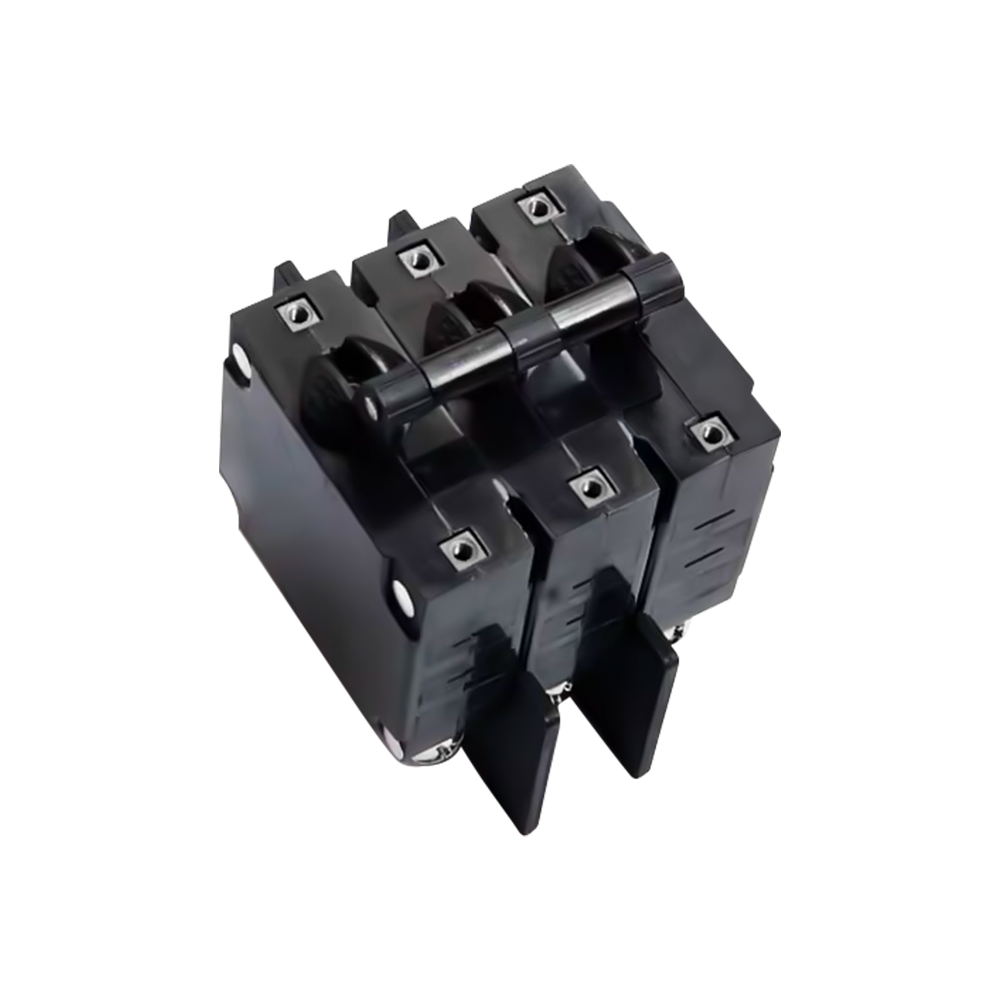
This certification represents a critical aspect often overlooked in system planning. DC combiner boxes, disconnect switches, surge protection devices, and DC cables require specific certifications that verify their ability to handle high DC voltages safely over decades of operation.
UL 1741 and UL 508A standards cover many DC electrical components, while specialized standards address specific component types.
DC fuses and circuit breakers must meet DC-specific ratings because DC electrical behavior differs significantly from AC systems. DC arc interruption proves more challenging than AC, requiring specialized testing to verify safe operation under fault conditions. Certification testing includes DC arc extinction capability, contact erosion resistance, and long-term mechanical reliability.
Mounting System Certification
validates structural integrity, corrosion resistance, and electrical grounding effectiveness. Mounting systems undergo wind and snow load testing, seismic qualification, and accelerated corrosion testing to verify performance in harsh environmental conditions.
Safety and Performance Standards
Safety-focused photovoltaic certification addresses electrical, fire, and mechanical hazards associated with solar installations.
Electrical Safety Certification

It covers shock protection, ground fault detection, arc fault detection, and electrical isolation. UL 2703 specifically addresses mounting systems and grounding requirements, while UL 6703 covers DC arc-fault circuit interrupters that protect against dangerous DC arcs.
DC electrical safety certification requires specialized testing because solar panels generate electricity whenever exposed to light, creating permanently energized systems during daylight hours. Testing validates proper insulation resistance, ground fault protection sensitivity, and emergency shutdown capabilities.
Fire Safety Standards
This includes UL 790 for roof fire resistance and building code compliance, ensuring solar installations do not increase fire hazards. These standards evaluate flame spread characteristics, heat release rates, and structural fire resistance under various fire exposure scenarios.
Environmental Durability Testing
The testing subjects components to extreme temperature cycles, UV exposure, salt fog corrosion, and mechanical stress testing. IEC 61215 qualification testing includes 200 thermal cycles between -40°C and +85°C, 1000 hours of UV exposure, and mechanical loading equivalent to wind and snow loads.
System-Level Photovoltaic System Certification
Complete system certification validates the integration and interaction of individual certified components within complete photovoltaic installations.
Grid Integration Certification
verifies that photovoltaic systems can safely connect to electrical grids without causing power quality problems or safety hazards. IEEE 1547 standards establish requirements for interconnection equipment and testing procedures that validate proper grid interaction.
System Performance Certification
evaluates energy production capabilities, efficiency characteristics, and degradation rates under real-world operating conditions. Performance testing includes peak power tracking accuracy, temperature derating verification, and long-term degradation assessment.
Communication and Monitoring Certification
validates data collection systems, remote monitoring capabilities, and cybersecurity protection. As photovoltaic systems become increasingly connected, certification standards address communication protocol security and data integrity requirements.
Integrated System Testing
This examines interactions between components that may not be apparent from individual component testing. System-level testing can reveal compatibility issues, performance optimization opportunities, and potential failure modes that emerge from component interactions.
Installation and Workmanship Certification

Professional installation certification ensures that even the highest-quality certified components perform safely and reliably when properly installed and maintained.
- Installer Certification Programs validate technician knowledge of electrical codes, safety procedures, and proper installation techniques. Programs like NABCEP (North American Board of Certified Energy Practitioners) provide standardized training and testing for solar installers.
- Installation, Inspection, and Commissioning verify that completed installations comply with design specifications, electrical codes, and manufacturer requirements. Inspection procedures include electrical testing, mechanical inspection, and performance verification testing.
- DC Electrical Installation Verification requires specialized attention due to the unique characteristics of DC electrical systems. Inspection procedures verify proper DC combiner box wiring, adequate DC disconnect placement, appropriate DC cable management, and effective DC grounding systems. Improper DC electrical installation can create significant safety hazards that may not be apparent until system failure occurs.
- Quality Assurance Programs provide ongoing oversight of installation practices and can identify systemic issues before they affect multiple installations. These programs often include random inspections, performance monitoring, and corrective action procedures.
International Certification Standards
Global photovoltaic markets require harmonized certification standards that enable international trade while maintaining consistent safety and performance requirements.
IEC Standards provide the foundation for international photovoltaic certification. IEC 61215 covers crystalline silicon module qualification, IEC 61730 addresses module safety requirements, and IEC 61727 covers photovoltaic system characteristics and test methods.
Regional Adaptations modify international standards to address local climate conditions, electrical grid characteristics, and regulatory requirements. These adaptations maintain core safety and performance requirements while accommodating regional differences.
Mutual Recognition Agreements between certification bodies enable products tested in one region to gain acceptance in other markets without redundant testing. These agreements reduce certification costs and accelerate global market access for certified products.
Emerging Market Standards in developing solar markets often adopt established international standards while developing local testing capabilities and certification infrastructure.
Testing Procedures and Validation Methods
Photovoltaic certification relies on standardized testing procedures that provide repeatable, objective assessment of component and system performance.
- Laboratory Testing Environments recreate environmental conditions and operational stresses that photovoltaic systems experience during decades of operation. Climate chambers, UV exposure systems, mechanical testing equipment, and electrical testing apparatus enable accelerated aging and performance validation.
- Field Testing and Validation complements laboratory testing by evaluating performance under actual operating conditions. Field testing can reveal performance characteristics and failure modes that may not emerge during laboratory testing.
- Accelerated Life Testing subjects components to intensified environmental stresses that simulate decades of operation in compressed timeframes. These tests help predict long-term reliability and identify potential failure mechanisms before they affect installed systems.
- DC Electrical Testing Protocols require specialized equipment and procedures because DC electrical behavior differs significantly from AC systems. DC voltage withstand testing, insulation resistance measurement, and DC arc extinction testing require equipment specifically designed for high-voltage DC applications.
Regulatory Compliance and Market Access
Photovoltaic certification enables market access by demonstrating compliance with local codes, standards, and regulatory requirements.
Building Code Compliance
This requires photovoltaic systems to meet structural, electrical, and fire safety requirements established by local authorities. Certification provides documentation that supports permitting and inspection processes.
Utility Interconnection Requirements
These requirements mandate specific safety and performance characteristics for grid-connected photovoltaic systems. Certification demonstrates compliance with utility technical requirements and facilitates interconnection approval processes.
Insurance and Financing Requirements
They often specify certified equipment and professional installation as conditions for coverage or financing approval. Certification reduces perceived risks and enables favorable financing terms for photovoltaic projects.
Import and Export Regulations
Many countries require certified products for market access. Certification documentation supports customs clearance and regulatory approval processes for international trade.
Quality Assurance and Continuous Monitoring
Ongoing quality assurance ensures that certified products maintain their performance and safety characteristics throughout their operational lifetime.
Manufacturing Quality Control programs verify that production units match the performance characteristics of certified prototypes. These programs include incoming material inspection, production testing, and statistical quality control procedures.
Field Performance Monitoring tracks actual system performance and compares results to certification test predictions. Performance monitoring can identify degradation patterns, manufacturing defects, or installation issues that affect system reliability.
Corrective Action Procedures address situations where certified products fail to meet expected performance or safety requirements. These procedures may include product recalls, design modifications, or enhanced testing requirements.
Continuous Improvement Programs use field performance data and failure analysis to refine certification requirements and testing procedures. These programs help certification standards evolve with technological advancement and operational experience.
Photovoltaic Certification
Emerging technologies and evolving market requirements drive the continuous development of photovoltaic certification standards and procedures.
Bifacial Panel Certification addresses unique testing requirements for panels that generate electricity from both front and rear surfaces. New testing protocols account for rear-side illumination and albedo effects that influence bifacial panel performance.
Energy Storage Integration certification covers hybrid systems that combine photovoltaic generation with battery storage. These systems require specialized testing that validates safe integration and optimal performance coordination between generation and storage components.
Smart Grid and Communication Certification addresses cybersecurity, communication protocol validation, and grid service capabilities as photovoltaic systems become increasingly integrated with smart grid infrastructure.
Floating Solar Certification develops specialized standards for photovoltaic systems installed on water surfaces, addressing unique environmental challenges and installation requirements.
Understanding the comprehensive landscape of photovoltaic system certification enables informed decision-making about component selection, system design, and installation practices.
Proper certification ensures safe, reliable, and high-performing photovoltaic systems that provide decades of clean energy generation while meeting all applicable safety and performance requirements.
Related Articles
A Complete Look at Components of Solar Power Systems
How Does a Solar Power System Work? (Why DC Components Are Essential)
What is a Commercial Solar PV System (Also Commercial Solar Arrays)