A solar system represents a significant investment in clean, renewable energy, but without proper surge protection, that investment remains vulnerable to devastating electrical surges that can destroy expensive components in milliseconds. Whether caused by lightning strikes, grid fluctuations, or switching operations, electrical surges pose one of the greatest threats to solar photovoltaic systems.
Understanding and implementing comprehensive surge protection for solar systems isn’t just recommended – it’s essential for any solar installation. From residential rooftop arrays to massive commercial solar farms, every system needs robust protection against the unpredictable nature of electrical surges.
Solar System Vulnerabilities

Solar photovoltaic systems create unique surge protection challenges that traditional electrical systems don’t face. Unlike conventional electrical installations, solar arrays are inherently exposed to the elements.
Most critically, the DC nature of solar power generation requires specialized protection devices explicitly designed for direct current applications.
The DC Challenge: Direct current electrical systems present fundamentally different protection challenges compared to alternating current systems.
DC electrical components must handle continuous current flow without the natural zero-crossing points that AC systems provide for arc extinction. This makes DC circuit breakers, DC fuses, and DC surge protection devices far more complex and critical for safe operation.
The interconnected nature of modern solar systems means that a surge entering at any point can cascade through the entire installation.
From the solar panels themselves through the DC combiner boxes, inverters, monitoring systems, and grid connection points, every component represents both a potential entry point for surges and a valuable asset requiring protection.
Modern solar installations also incorporate sophisticated monitoring and control systems that, while improving efficiency and performance tracking, introduce additional sensitive electronics vulnerable to even small voltage fluctuations.
These systems often contain microprocessors and communication circuits that can be damaged by surges too small to affect the main power components.
Types of Surges Threatening Solar Systems

Lightning-Induced Surges
Direct lightning strikes represent the most dramatic surge threat, but they’re actually less common than indirect lightning effects.
When lightning strikes nearby, it creates electromagnetic pulses that induce voltages in nearby conductors, including solar array wiring. These induced surges can reach thousands of volts, easily overwhelming unprotected equipment.
The elevated mounting position of most solar arrays, combined with their large metallic surface area, makes them particularly attractive to lightning. Even with proper grounding systems, lightning-induced surges remain a significant threat requiring dedicated protection strategies.
Grid-Related Surges
Utility grid operations generate numerous surge conditions that can backfeed into solar systems through the grid connection point.
Switching operations, capacitor bank switching, transformer energization, and fault clearing operations all create voltage transients that can propagate into connected solar installations.
These grid-related surges are typically smaller than lightning-induced events but occur much more frequently. Their cumulative effect can degrade system components over time, leading to premature failures and reduced system performance.
Switching Surges
Internal switching operations within solar systems also generate surges. DC contactors, inverter switching, and protection device operations can create voltage spikes that affect sensitive components.
While these internally generated surges are generally smaller, their frequent occurrence makes protection important for long-term system reliability.
The Critical Role of DC Electrical Components

DC System Fundamentals: Solar photovoltaic systems operate on direct current, creating unique electrical challenges that require specialized components.
Unlike alternating current, which naturally crosses zero 120 times per second (in 60Hz systems), direct current flows continuously in one direction without interruption.
Why Standard AC Components Fail in DC Applications: Traditional AC electrical components rely on the natural zero-crossing of alternating current to extinguish arcs and interrupt fault currents. In DC systems, this natural interruption doesn’t exist, making standard AC components inadequate and potentially dangerous when applied to solar installations.
Essential DC Components for Solar Systems:
DC Circuit Breakers: These specialized devices must physically force arc extinction in DC systems through advanced arc-chute designs and magnetic blow-out coils. ELEHUB’s DC circuit breakers are engineered specifically for solar applications, providing reliable overcurrent protection while handling the challenges of DC arc interruption.
DC Fuses: DC fuses must be rated for DC voltage and current characteristics, with different arc extinction properties compared to AC fuses. The continuous current flow in DC systems requires fuses designed to safely interrupt fault currents without the assistance of natural current zeros.
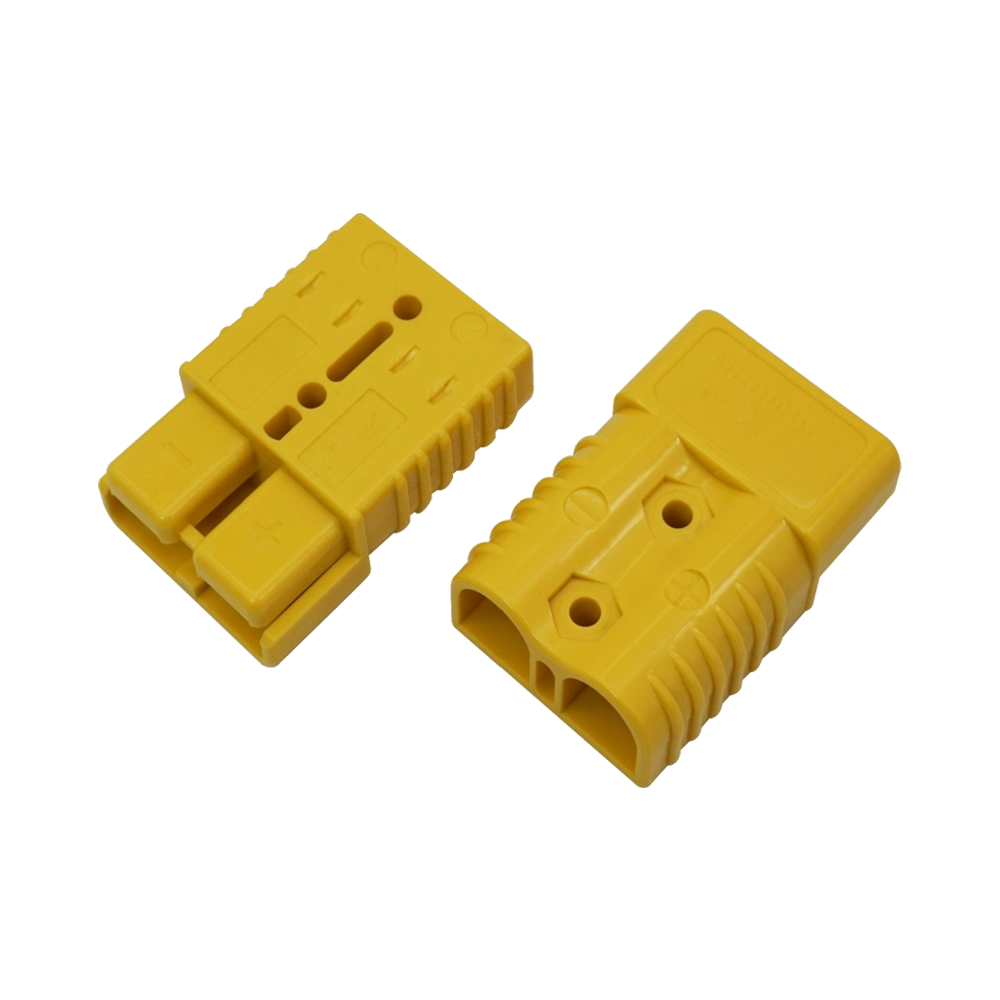
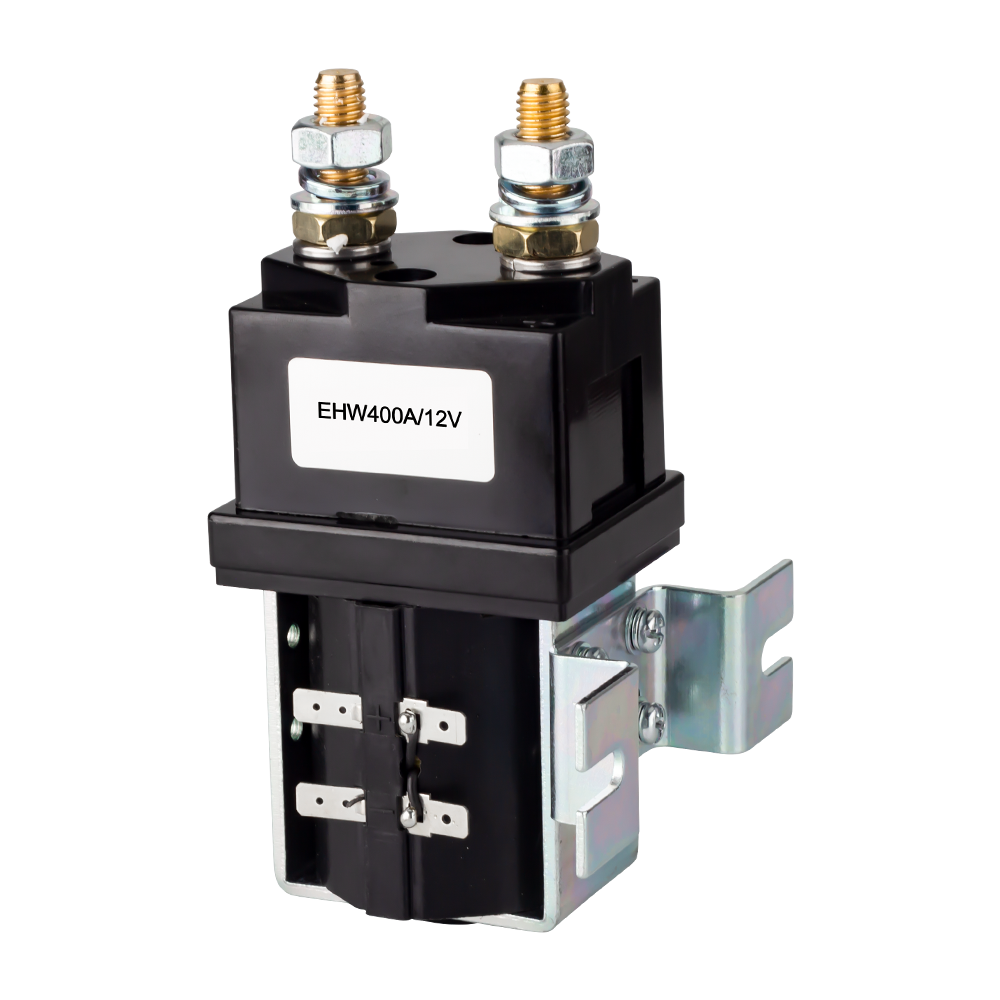
DC Contactors and Switches: These components handle normal switching operations in DC systems, requiring specialized contact materials and arc suppression techniques to ensure reliable operation and long service life.
The sophistication required for effective DC electrical components explains why partnering with specialists like ELEHUB is crucial for solar system safety and reliability. Their expertise in DC applications ensures that all protective components work together seamlessly to provide comprehensive system protection.
Essential Surge Protection Components
DC Surge Protection Devices (SPDs) – The Critical First Line

The heart of any solar surge protection strategy lies in properly selected and installed DC surge protection devices. DC electrical components are fundamentally different from their AC counterparts – they must handle the unique characteristics of direct current, including the absence of natural current zero crossings that help extinguish arcs in AC systems.
Why DC Components Are Critical: In DC systems, once an arc forms, it tends to sustain itself because there’s no natural current interruption. This makes DC surge protection devices, DC circuit breakers, and DC fuses essential safety components that require specialized engineering and materials to function effectively.
Quality DC SPDs designed for solar applications incorporate specialized components like metal oxide varistors (MOVs) or gas discharge tubes (GDTs) configured to handle DC voltages effectively. The challenge of DC arc extinction requires advanced materials and design techniques that make these components more sophisticated than standard AC protection devices.
Companies like ELEHUB specialize in manufacturing high-quality DC electrical components specifically engineered for solar photovoltaic applications. Their DC surge protection devices, DC circuit breakers, and DC fuses are designed to handle the unique challenges of direct current systems, ensuring optimal protection for both residential and commercial installations.
When selecting DC SPDs, consider factors including maximum continuous operating voltage (MCOV), voltage protection rating (VPR), and surge current handling capability. The MCOV must exceed the maximum DC voltage your system can produce, while the VPR should be low enough to protect downstream equipment but high enough to avoid nuisance tripping.
AC Surge Protection
While DC protection handles the solar array side, AC surge protection protects the grid-connected portions of your system. Quality AC SPDs installed at the main electrical panel and at the inverter AC output provide comprehensive protection against grid-related surges.
AC surge protection devices should be coordinated with DC protection to ensure proper operation during surge events. This coordination prevents protection devices from interfering with each other and ensures that surges are diverted at the most appropriate points in the system.
Grounding and Bonding Systems
Effective grounding and bonding form the foundation of surge protection, providing the reference point for protection devices and creating safe paths for surge currents. Solar systems require both equipment grounding for safety and potentially separate grounding electrode systems for surge protection.
Proper bonding between all metallic components ensures that surge currents don’t create dangerous potential differences between system parts. This includes bonding solar panel frames, mounting structures, conduits, and equipment enclosures into a unified grounding system.
Strategic Protection Placement
Array-Level Protection
Installing surge protection at the DC combiner boxes or at string-level provides the first line of defense against surges entering from the solar array. These locations catch surges before they can propagate deeper into the system, protecting expensive inverters and other downstream equipment.
String-level protection offers the finest granularity, potentially isolating surge damage to single strings rather than entire arrays. However, combiner box protection provides a more cost-effective solution for larger installations while still offering effective protection.
Inverter Protection
Inverters represent some of the most expensive and surge-sensitive components in solar systems. Installing dedicated surge protection at both the DC input and AC output sides of inverters provides comprehensive protection for these critical components.
Modern inverters often include built-in surge protection, but external protection devices typically offer superior performance and easier replacement if damaged by surge events.
Distribution Panel Protection
Installing surge protection at the main electrical distribution panel protects the entire facility from grid-related surges while providing backup protection for the solar system’s AC components. This whole-house or whole-facility protection complements the solar-specific protection devices.
Installation Best Practices
Conductor Length Minimization
The effectiveness of surge protection devices depends heavily on minimizing the length of conductors connecting the SPDs to the protected circuits. Long conductors introduce inductance that reduces protection effectiveness, potentially allowing dangerous voltages to appear across protected equipment during fast-rising surges.
Keep SPD connection leads as short as possible, ideally less than 12 inches for optimal performance. When longer runs are unavoidable, use larger conductors to minimize inductance and consider installing additional protection devices closer to sensitive equipment.
Proper Grounding Connections

Surge protection devices must have solid, low-impedance connections to the grounding system to effectively divert surge currents. Use appropriately sized grounding conductors and ensure all connections are clean, tight, and protected from corrosion.
Multiple grounding connections may be required for large surge protection devices or installations with high expected surge currents. Follow manufacturer specifications and local electrical codes for grounding conductor sizing and installation requirements.
Coordination and Selectivity
When installing multiple levels of surge protection, ensure proper coordination between devices to prevent conflicts during surge events. Upstream devices should have higher surge current handling capabilities and slightly higher protection voltages than downstream devices.
This coordination ensures that large surges are handled by devices designed for high current levels, while smaller surges are intercepted by more sensitive downstream protection. Proper coordination prevents nuisance tripping and ensures that each protection device operates within its design parameters.
Final Thoughts
Effective surge protection for solar systems requires a comprehensive approach that addresses the unique vulnerabilities of photovoltaic installations. Surge protection systems provide decades of reliable service, ensuring that the solar system continues generating clean energy safely and efficiently.
Remember that surge protection is not a one-time installation but an ongoing commitment to system protection requiring regular inspection, maintenance, and updates as systems evolve and expand. By partnering with experienced suppliers like ELEHUB, you can ensure the solar investment.
Related Articles
A Complete Look at Components of Solar Power Systems
How Does a Solar Power System Work? (Why DC Components Are Essential)