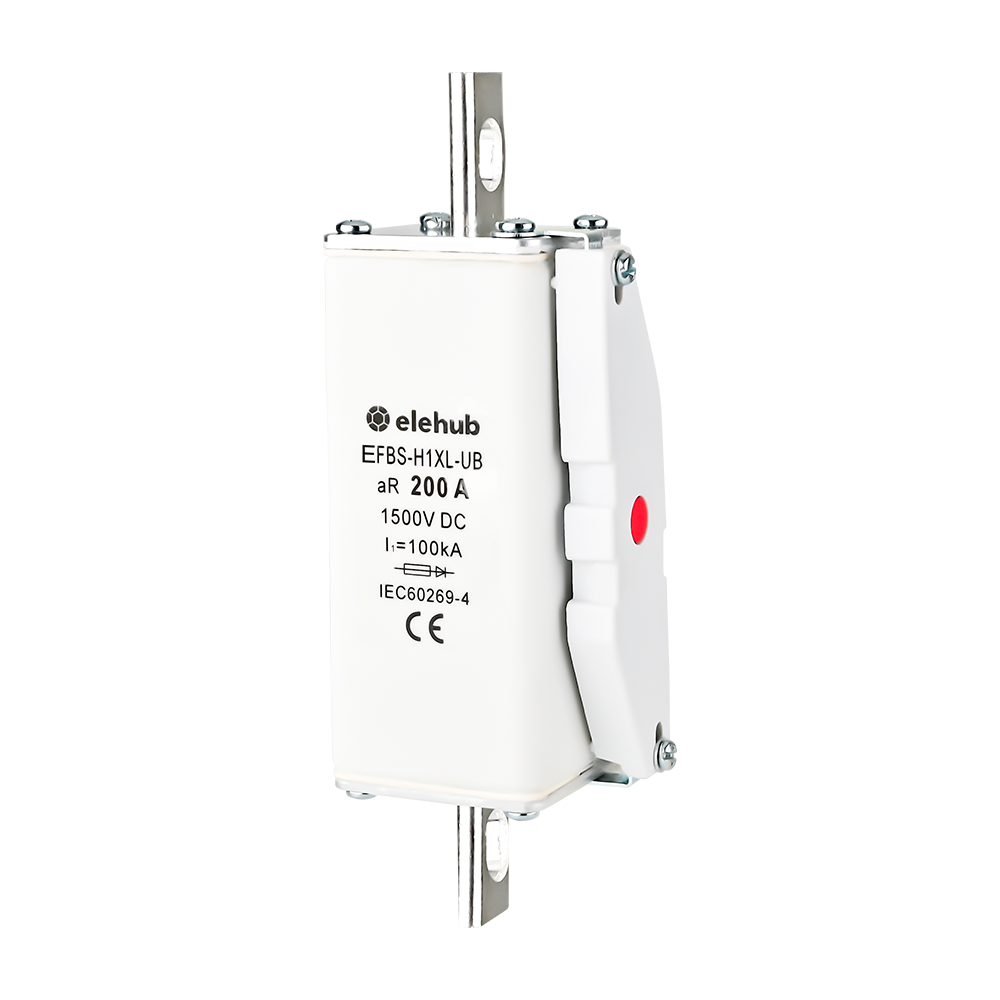
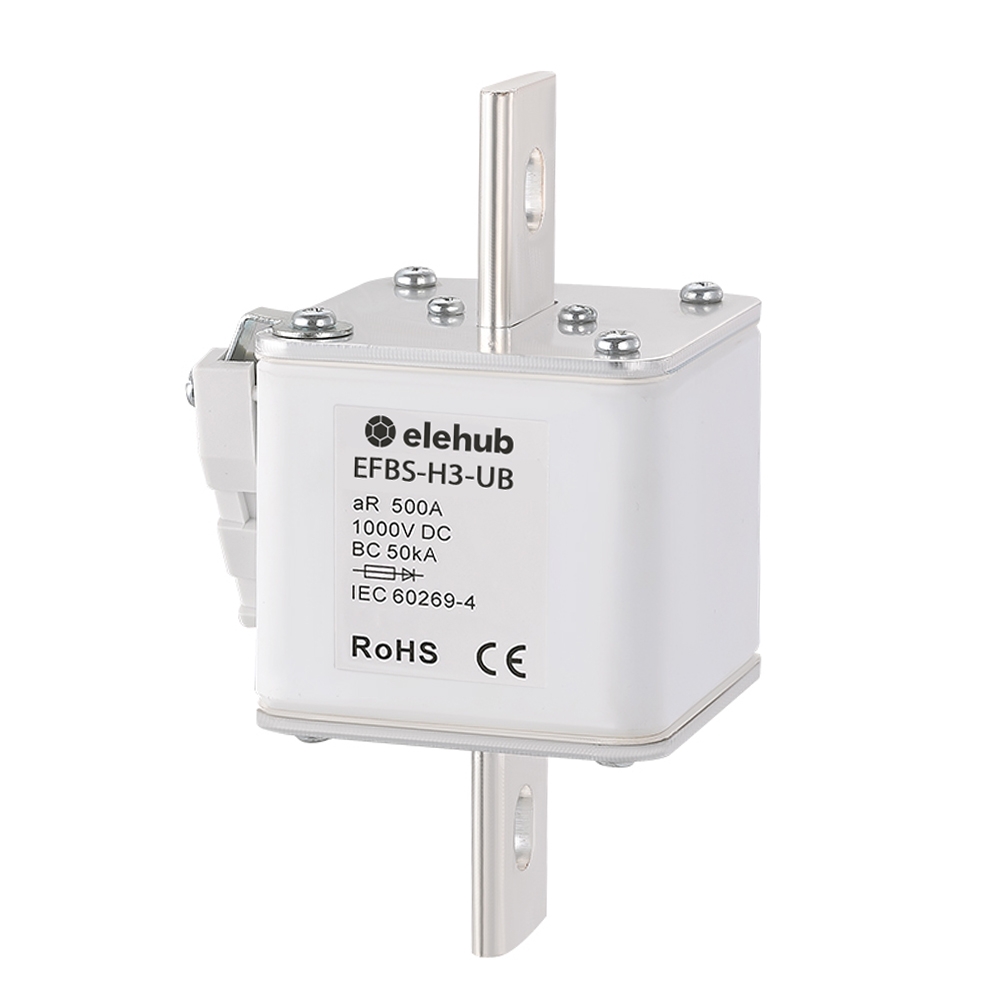
Solar power provides a clean, renewable future—until an electrical fault threatens your system. That’s where circuit breakers enter the picture. The solar panel circuit breakers quietly watch over solar systems to prevent disaster. Learning about circuit breakers is not optional for us.
This article discusses solar panel circuit breaker types, sizes, mounting, and maintenance. For more fascinating facts, continue reading the article!
What Is a Solar Panel Circuit Breaker
A circuit breaker looks out for electrical current and turns it off when damage is imminent—think overloads, short circuits, or ground faults.
On a solar installation, it safeguards your panels from burning up, your inverter from fire, and your home from fire danger. You can explore more to know how does a circuit breaker work.
According to the U.S. National Renewable Energy Laboratory (NREL), overcurrent protection like breakers is critical to prevent system failure in photovoltaic (PV) arrays [1].
AC vs. DC Solar Circuit Breakers
A solar power system is equivalent to two types of current: DC (direct current) is traveling from solar panels to the inverter, and AC (alternating current) from the inverter to the home or grid.
DC breakers deal with raw one-way power from solar panels that have huge interruption capacity: between a few thousand and 10,000 amps in some models. DC does not “zero out” like AC would, so this is required.
AC breakers, built into home grids, handle oscillating current following inversion. How to combine them in one? A typical AC breaker on a DC line might just not trip and melt instead. National Electrical Code (NEC) Section 690.9 mentions specific requirements for each [2].
Different Types of Solar Panel Circuit Breakers
Standard Breakers
These are for low-voltage solar systems, typically rated 1.25 times the short-circuit rating (Isc) of your panels—25A for a 20A output, for instance. They’re cheap, reliable, and intended for small residential use (1-5 kW). Think of them as the tough pickup truck of breakers: no extras, just heavy-duty protection.
GFCI Breakers
Ground-fault circuit interrupter (GFCI) breakers sense leakage of current, e.g., a live wire touching wet ground, and shut off power in a matter of a fraction of a second to prevent shock. They’re necessary on rooftop or coastal installations where rain or wet environments raise the risk.
The Occupational Safety and Health Administration (OSHA) says GFCIs lower electrical injury rates significantly [3].
AFCI Breakers
Arc-fault circuit interrupter (AFCI) breakers detect dangerous sparks or “arcs”, like loose cable or frayed insulation, that may cause fires.
These are more costly but necessary in certain systems under NEC 690.11, especially where there are high-voltage configurations above 80V or risk zones like California [2].
A research study by the National Fire Protection Association (NFPA) in 2023 blamed arcing for 40% of electrical fires [4].
Miniature Circuit Breakers (MCBs)

Miniature circuit breakers (MCBs) fit protection into a compact package, 10-63A rated and typically under 2 inches wide. They’re perfect for small spaces, like a microgrid in a shed, and are less expensive than larger models. But the DC MCB circuit breaker lacks arc or ground-fault detection, so they’re best placed in simple, low-risk systems.

Comparison Table: Solar Panel Circuit Breaker Types
| Type | Size | Best For | Safety Codes | Interrupt Rating |
| Standard | Medium | Small setups | Basic (NEC 690.9) | 5,000-10,000A |
| GFCI | Medium | Wet areas | Ground faults | 10,000A |
| AFCI | Larger | Fire prevention | NEC 690.11 | 10,000-20,000A |
| MCB | Compact | Space-limited systems | Basic (NEC 690.9) | 6,000-10,000A |
Why Circuit Breaker for Solar Panels Is Non-Negotiable

In 2024, a homeowner in Texas escaped disaster when an AFCI breaker tripped due to a panel fault, preventing a fire that would have consumed the solar-powered barn. Overloads (too much current), short circuits (wires touching), or arcs (sparks) can turn your green energy dream to ash—breakers can help stop that.
The NEC specifies overcurrent protection (Section 690.9) for solar arrays, and bypassing breakers can cause failing inspections or voided insurance claims [2].
Efficiency and Longevity
An inverter and batteries aren’t cheap. A breaker absorbs power surges, prolonging its lifespan. The Solar Energy Industries Association (SEIA) adds that systems properly protected maintain peak efficiency for a longer time [5].
EV and Battery Integration
It takes higher currents to charge an electric vehicle (EV) or store energy in a 10 kWh battery, sometimes 40A or more. Breakers can rate the system correctly, without blenching.
How to Choose the Solar Panel Circuit Breaker
Step 1: Measure the Breaker
Too small, and a breaker keeps tripping; too big, and it won’t even work.
Calculate: Breaker rating = 1.25 x Isc (short-circuit current from your panel spec sheet).
Add a 1.2x factor for Voc (open-circuit voltage) to compensate for temperature spikes. Example: A 20A Isc and 50V Voc needs a 25A, 60V-rated breaker. The International Electrotechnical Commission (IEC) endorses this standard [6].
Step 2: Match the System
- Wattage: For a 5 kW system, it could supply 20-30A—scale accordingly.
- Wire Size: Longer installations require heavier gauge (e.g., 10 AWG for 30A up to 50 ft).
- Inverter Distance: Distance more than 20 ft? Increase wire size or breaker rating.
- Climate: Breakers must be able to handle -25°C to 70°C for rooftop survival.
Step 3: Balance Cost and Features
MCBs save money and space but sacrifice arc protection. AFCIs cost more than MCBs but meet stringent fire codes. GFCIs are best in wet locations. It’s a decision on money vs. safety.
Quick Tip:
Putting in panels in the future? Oversize a breaker—i.e., 30A instead of 25A—to avoid rewiring. It’s a little upfront cost for excellent flexibility.
How to Install a Circuit Breaker for Solar Panels
Step-by-Step Wiring
- Power Off: Shut off panels and grid—double-check with a multimeter (0V).
- Wire It: For DC, connect panels to the breaker input, and the breaker output to the inverter.
For AC, link the inverter to the breaker, then the breaker to the grid.
Polarity matters—red to +, black to -, or it won’t trip right.
- Ground It: Join a grounding conductor (6 AWG copper) to the terminal of the breaker as per NEC 690.47 [2].
- Test: Breaker switch on; voltage measuring (e.g., 48V DC prior to inverter).
Avoid Installation Pitfalls
- Reverse Polarity: Reverse + and -, and current flows freely—mark wires first.
- Undersized Wires: A 30A breaker with 14 AWG wire overheats—use 10 AWG.
- Loose Connections: Loose screws spark; torque to 20 in-lbs with a screwdriver.
You can learn more about circuit breaker replacement in another article. It should be highlighted that: AFCI installations, multi-string arrays, or local code inspections (e.g., NEC inspections) need an electrician.
Maintaining the Solar Circuit Breaker

Breaker Tripping?
- Overload: A 20A breaker with a 25A load trips—trim devices or upgrade.
- Short Circuit: Wires touching frayed? Flashlight check; tape insulation.
- Loose Connections: Loose terminals cause heat to trip it—tighten to specification (e.g., 25 in-lbs).
No Power? How to Do:
- Reset the breaker and check the click.
- Test the inverter—If the green light is off? Then it’s dead.
- Test panels—Why does the multimeter show 0V? Check the connections.
Maintenance for Longevity
- Annual Check: Look for corrosion (green buildup), wipe terminals with a dry cloth.
- Test Trip: Flip it off/on—stiff? Replace it.
- Enclosure: A dust-proof box cuts wear in windy spots, per IEC guidelines [6].
Circuit breakers protect the solar system, mainly by protecting it from faults, functioning efficiently, and meeting safety requirements. You can read other blogs to know what is a circuit breaker and circuit breaker replacement.
Choosing the Best Equipment Supplier for Electrical Safety

Circuit breakers for solar systems have their place in electrical applications. These circuit breakers are safer, reusable, and adaptable to modern lifestyles, and thus are the pick for renewable energy systems.
For dependable electrical solutions, think ELEHUB—a reputable electrical components manufacturer providing high-quality circuit breakers, DC fuses, and accessories that will make clients’ and your systems safe and efficient. Contact ELEHUB today for more product information!
FAQs of Solar Panel Circuit Breakers
Do all solar systems need breakers?
Yes, NEC 690.9 requires overcurrent protection for all PV installations [2].
Can I use a regular AC breaker for my solar panels?
No, DC power behaves differently and needs to be protected by specially rated DC breakers. Normal AC breakers might not trip on a fault, leading to a very dangerous fire hazard.
Do solar systems require both AC and DC circuit breakers?
Most grid-connected systems need both. DC breakers protect the solar panel side before the inverter, and AC breakers protect the output of the inverter to your house or the grid. Off-grid or microinverter configurations may be different—check your installation.
What’s the best breaker for a tight space or shed-based system?
Miniature Circuit Breakers (MCBs) are the way to go—they’re compact, cheap, and perfect for low-hazard, small systems.
How to test if a solar breaker is still working?
Flip the breaker manually—if it’s hard to roll or won’t remain in the new position, replace it. You may also test voltage flow with a multimeter. Watch for discoloration or corrosion as indications that something is amiss.
Can a solar breaker be upgraded later when adding more solar panels?
Yes, but it’s better to oversize the breaker when you initially install it. For example, install a 30A breaker if you’re currently running 25A—future-proofing is less expensive than rewiring.
References
- National Renewable Energy Laboratory (NREL). “Photovoltaic System Overcurrent Protection.” https://www.nrel.gov/docs/
- National Fire Protection Association (NFPA). “NEC 2023: Article 690 – Solar Photovoltaic Systems.” https://www.nfpa.org/codes-and-standards/
- Occupational Safety and Health Administration (OSHA). “Ground-Fault Protection on Construction Sites.” https://www.osha.gov/publications/
- National Fire Protection Association (NFPA). “Home Electrical Fires.” https://www.nfpa.org/education-and-research
- Solar Energy Industries Association (SEIA). “Solar System Maintenance Best Practices.” https://www.seia.org/research-resources/
- International Electrotechnical Commission (IEC). “IEC 60947-2: Circuit Breakers Standards.” https://www.iec.ch/standards/