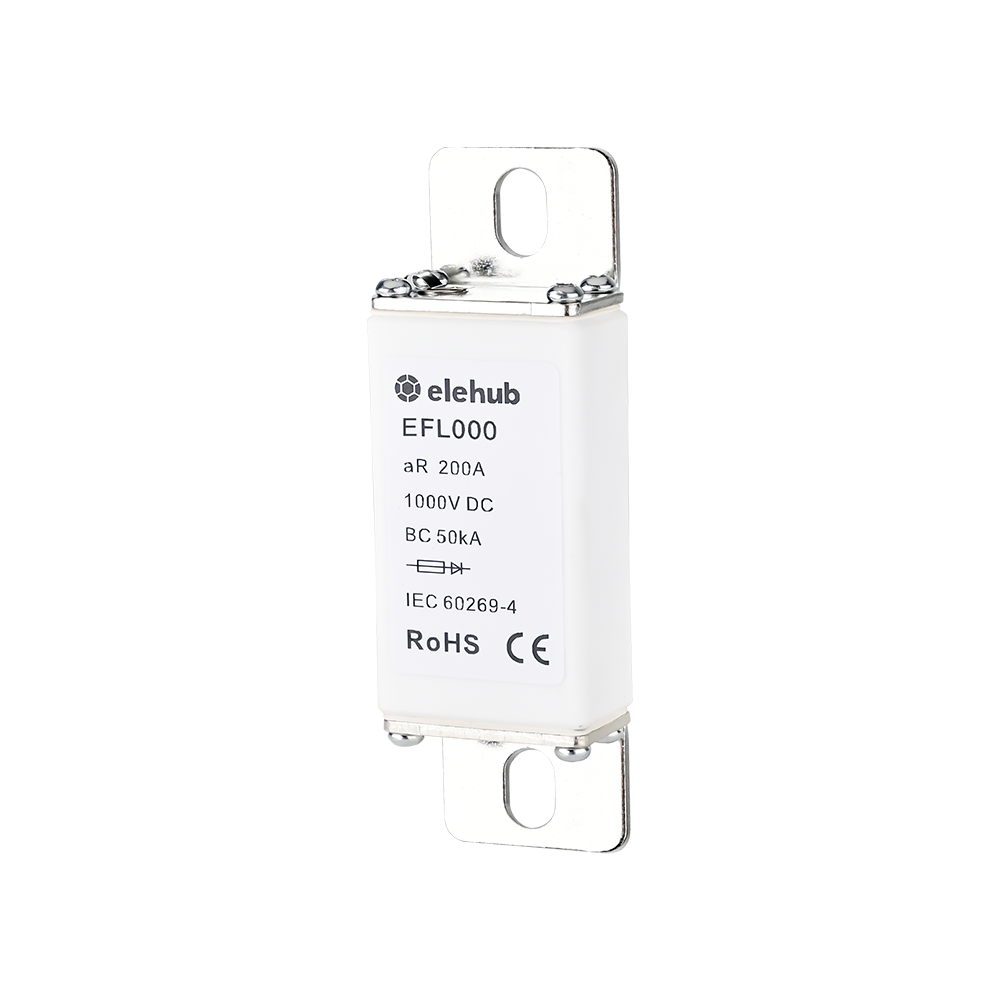
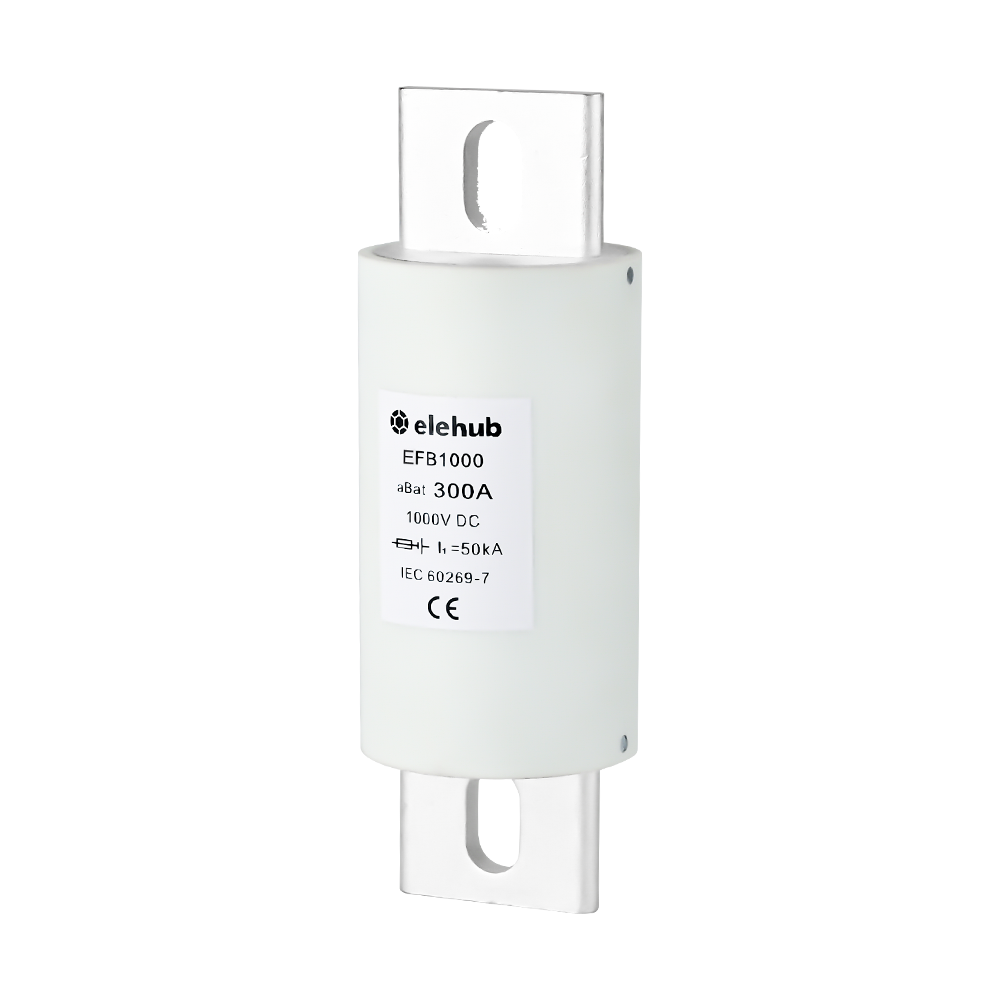
Circuit breakers are critical in commercial, industrial, and multi-unit residential projects. Single vs double pole circuit breaker is an inevitable question for system reliability, compliance, and efficiency in high-demand environments. If you’re managing a large facility or planning a project, understanding these will streamline your decision-making process.
Circuit Breakers in Electrical Systems
What is a circuit breaker? Circuit breakers protect electrical systems by interrupting power flow during overloads, short circuits, or faults. They are helpful in preventing fires and equipment damage.
In large-scale settings, such as office buildings, manufacturing plants, or apartment complexes, breakers must handle diverse loads while meeting strict safety standards. Single-pole and double-pole breakers serve distinct purposes.
Additionally, specialized types are ground-fault circuit interrupter (GFCI) and arc-fault circuit interrupter (AFCI) breakers. Compliance with the standards ensures that installations and circuit breaker replacement meet rigorous safety and performance requirements.
Single-Pole Circuit Breakers: Specifications & Applications
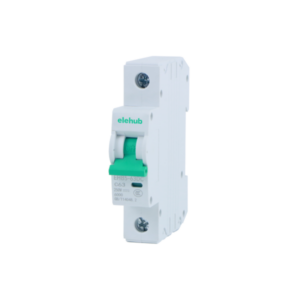
Single-pole circuit breakers manage one circuit, typically for standard loads in commercial and residential settings, such as lighting, receptacles, and small appliances.
They occupy one slot in an electrical panel, feature a single switch, and connect to one hot wire. These breakers are designed for both AC and DC applications, with distinct characteristics.
| Specifications | AC Single-Pole Circuit Breakers | DC Single-Pole Circuit Breakers |
| Voltage Type | Standard AC voltages | Standard DC voltages |
| Panel Space | One slot | One slot |
| Applications | Office lighting, retail receptacles, small appliances | Solar panels, battery backups, telecommunications equipment |
Double-Pole Circuit Breakers: Specifications & Applications

Also supporting AC and DC systems, double-pole circuit breakers handle two circuits, essential for high-power equipment like industrial machinery, HVAC systems, or large appliances.
They occupy two panel slots, feature dual switches, and connect to two hot wires for balanced power delivery.
| Specifications | AC Double-Pole Circuit Breakers | DC Double-Pole Circuit Breakers |
| Voltage Type | Standard AC voltages | Standard DC voltages |
| Panel Space | Two slots | Two slots |
| Applications | HVAC units, industrial compressors, electric vehicle (EV) chargers | Solar inverters, wind energy systems, DC motor drives |
Single vs Double Pole Circuit Breaker Comparison Table
Read the table below. We’ve collected the information to help you get a quick overview of one and two-pole circuit breakers.
| Features | Single-Pole Breakers | Double-Pole Breakers |
| Circuit Type | AC or DC, single circuit | AC or DC, dual circuits |
| Panel Space | 1 slot | 2 slots |
| Applications (AC) | Lighting, receptacles, small appliances | HVAC, industrial equipment, large appliances |
| Applications (DC) | Solar panels, battery backups, telecom | Solar inverters, DC motors, energy storage |
| Scalability | Ideal for smaller, distributed circuits | Centralized, high-power systems |
Compliance and Safety Standards for Large-Scale Projects

For large-scale electrical projects, avoiding fines, delays, or hazards requires following the related standards. In the following content, we take the NEC standard as an example.
The NFPA 70 (National Electrical Code) specific requirements for circuit breakers, including:
- Labeling: Clear identification of breaker types and circuit functions.
- Arc-Fault Protection: Mandatory AFCI breakers for certain residential circuits, with commercial applications under review.
- High-Voltage Safety: Double-pole breakers must meet stringent insulation and fault-interruption standards.
Standard Difference
In North America, circuit breakers should carry UL (Underwriters Laboratories) or CSA (Canadian Standards Association) certifications for reliability in commercial and industrial applications. Non-compliance risks include electrical fires, equipment failure, or regulatory penalties.
When using a circuit breaker, consider the regional standard in your place. For instance, the U.S. and Canada have their own regional standards.
Check their differences:
- U.S. (NEC): Emphasizes arc-fault and ground-fault protection for AC systems, with specific DC requirements for renewable energy.
- Canada (CEC): Similar to NEC but includes unique testing and bilingual labeling requirements for AC and DC breakers.
Strategies for Large-Scale Breaker Purchases
Selecting breakers for large projects involves more than technical specifications. Efficient procurement ensures project timelines and budgets are met.
According to our clients’ experience, we’ve concluded some strategies for you. Consider these:
- Inventory Planning: Match AC and DC breaker quantities to project phases. For example, a commercial complex may require phased delivery of single- and double-pole breakers.
- Compatibility Verification: Confirm breakers align with panel specifications for AC or DC systems.
- Logistics: Coordinate delivery to align with project milestones.
- Reliability: Prioritize breakers with robust warranties for high-demand AC and DC environments.
Integration with Modern Electrical Systems

In terms of the purpose of circuit breaker, single- and double-pole breakers integrate with advanced technologies for AC and DC systems.
- Smart Panels: Support IoT-enabled panels with energy monitoring, ideal for facilities using AC or DC power.
- Renewable Energy: DC double-pole breakers are critical for solar inverters and energy storage; AC double-pole breakers support EV charging stations.
Alternatives:
- Tandem Breakers: Maximize panel space for AC circuits.
- Subpanels: Expand capacity for large AC/DC projects.
- Smart Breakers: Offer Wi-Fi monitoring for predictive maintenance.
Comparison of Alternatives
| Option | Use Case | Pros | Cons |
| Tandem Breakers | High-density panels | Space-saving | Limited by NEC restrictions |
| Subpanels | Large/expanding facilities | Scalable | Higher installation complexity |
| Smart Breakers | IoT-enabled systems | Remote monitoring | Higher cost, tech dependency |
How to Choose the Right Breaker for Your Project
Choosing breakers for large-scale projects requires balancing technical, regulatory, and logistical factors. Key considerations include:
- Load Requirements: Match breaker type to AC or DC circuit demands (e.g., single-pole for lighting, double-pole for solar inverters).
- Panel Compatibility: Verify fit with AC or DC panel specifications.
- Compliance: Adhere to NEC or CEC standards for AC and DC systems.
- Scalability: Plan for expansions, such as additional circuits or renewable energy integration.
Based on our clients and their cases, they often use AC single-pole breakers for lighting and DC single-pole breakers for telecom systems. Meanwhile, deploy DC double-pole breakers for inverters and AC double-pole breakers for grid connections.
Bottom Line
Single-pole circuit breakers power standard AC or DC circuits, while double-pole breakers handle higher power AC or DC systems.
For large-scale projects, success depends on selecting breakers that meet technical specifications, comply with local standards, and integrate with modern technologies like smart panels or renewable energy systems.
FAQ
What certifications are required for breakers in commercial projects?
Breakers should have UL or CSA certifications to ensure safety and compliance with NEC or CEC standards.
Are single-pole breakers sufficient for commercial use?
Yes, but only for low-load circuits such as lighting, office outlets, or small appliances. High-demand systems like HVAC or industrial motors require double-pole breakers or other specialized solutions.
What are the benefits of planning breaker purchases for large projects?
Strategic procurement reduces costs, ensures timely delivery, and aligns with project phases, improving efficiency.
Can double-pole breakers support smart or renewable energy systems?
Yes, double-pole breakers are ideal for high-voltage applications like solar inverters, EV chargers, and smart panels with IoT features.
What is the lifespan of a circuit breaker in industrial applications?
Typical lifespan ranges from 15 to 30 years, but this varies with load intensity, environmental conditions, and maintenance. Smart panels and IoT monitoring can help predict wear and improve safety.
Can single- and double-pole breakers be mixed in the same panel?
Absolutely. Most commercial panels are designed to accommodate both types, allowing mixed voltage applications across the same system, provided total panel capacity isn’t exceeded.