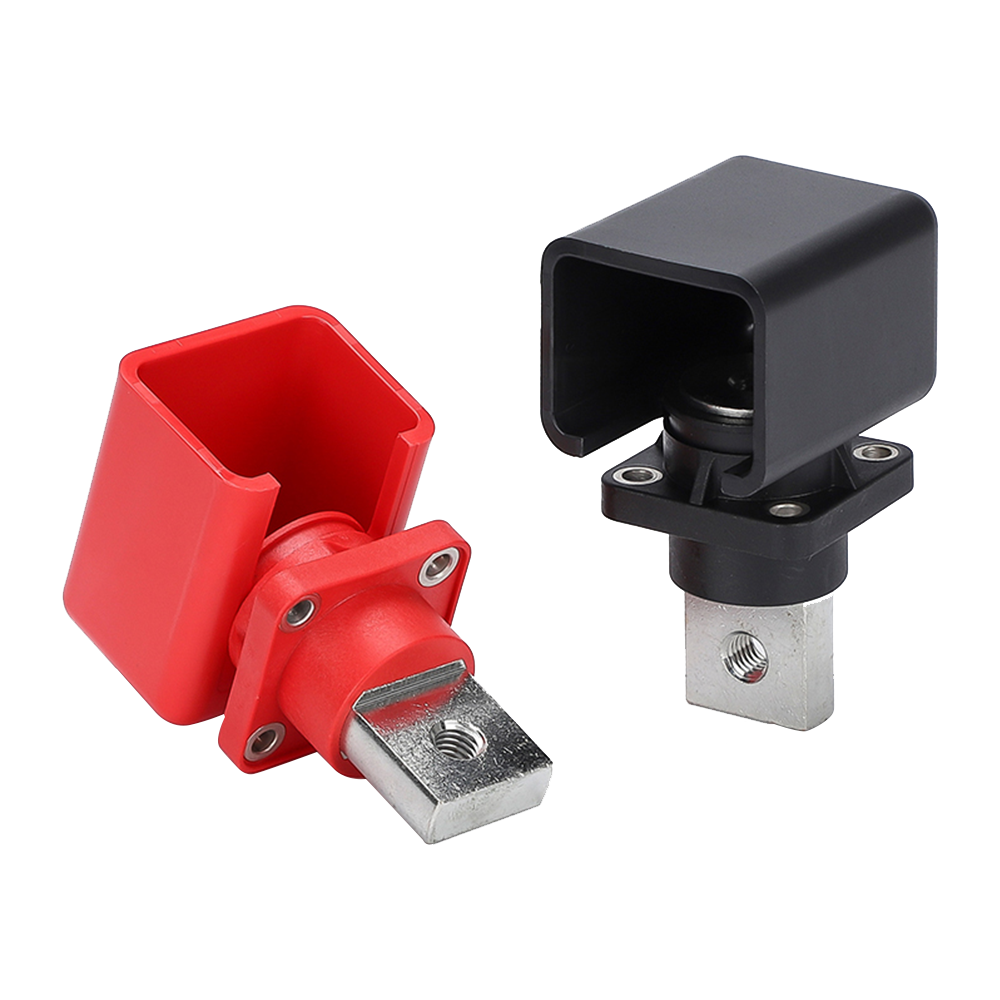
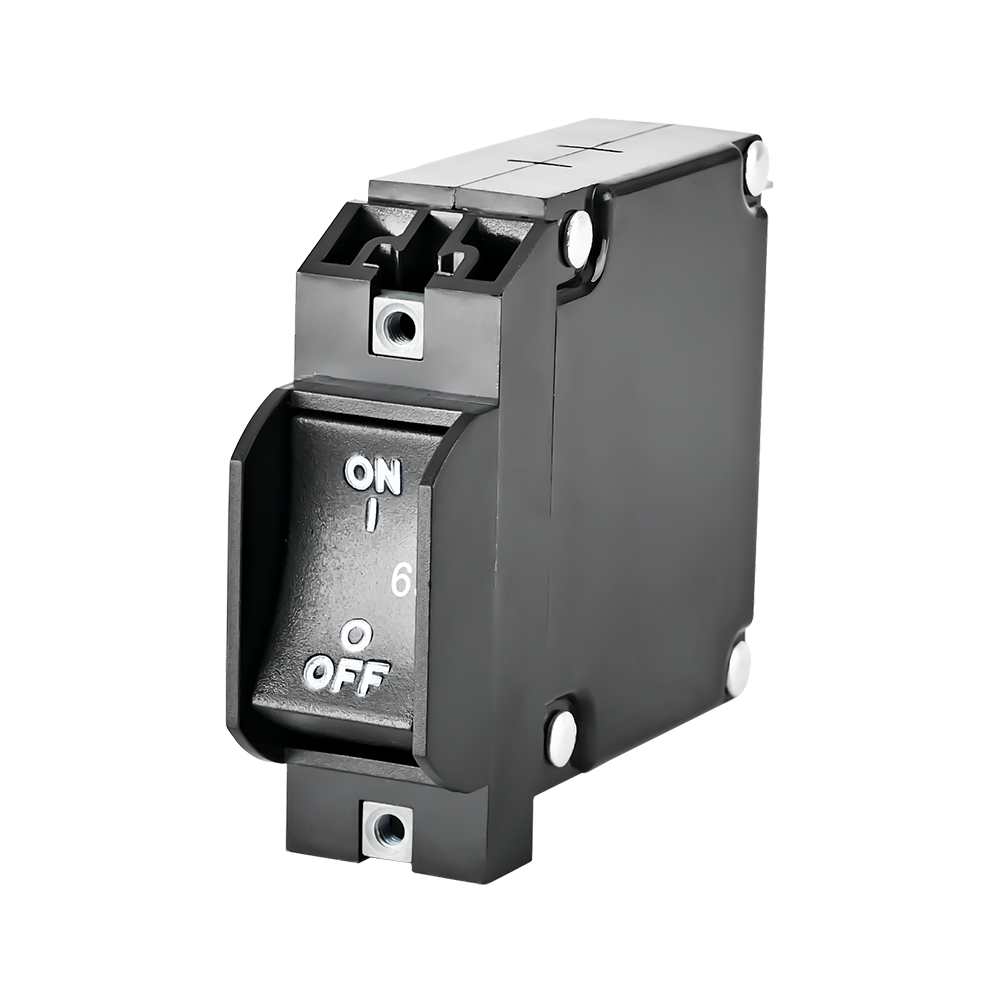
A shunt resistor is a main component of a current-sensing system and is commonly used in power electronics, electric vehicles, battery management systems, and precision instrumentation. Its primary function is to detect current by generating a small voltage drop. For accurate performance, selecting the right shunt resistor materials is important to ensure high accuracy, thermal stability, and long-term reliability.
In this post, we will cover details about shunt resistor materials, their features, and related factors.
TL;DR Table
| Material | TCR (ppm/°C) | Accuracy | Stability | Cost | Typical Use |
| Manganin | ±10–20 | High | High | Medium | BMS, EV sensing |
| Constantan | ±20–40 | Medium | Medium | Low | Industrial sensing |
| Zeranin | < ±5 | Very High | Very High | High | Calibration systems |
| NiCr | ±50–100 | Low–Medium | High temp stable | Low–Medium | Power/high temp |
| Ni–Cr–based Alloys | ±5–20 | Very High | Excellent | High | Aerospace, precision |
Performance Requirements for Shunt Resistor Materials
For proper current sensing results, shunt resistor materials must have suitable electrical, thermal, and mechanical properties. Each factor directly affects measurement precision. A detailed technical explanation is provided below.
Low Temperature Coefficient of Resistance (TCR)
TCR explains how a material’s resistance varies with temperature changes.
𝑅(𝑇)=𝑅0(1+𝛼Δ𝑇)
- α = TCR (ppm/°C)
- Lower α = more stable resistance
When current flows through a shunt resistor, heat is generated. Materials with a high TCR increase in resistance as temperature rises, which affects measurement accuracy.
Stable Resistivity
The material must maintain consistent resistivity over time and under continuous electrical and thermal loading.
In practical applications, resistance is not only affected by temperature but also by:
- Long-term electrical stress
- Microstructural changes in the alloy
- Thermal cycling effects
- Mechanical strain
Materials with poor stability may exhibit gradual resistance drift, even under constant operating conditions, which directly impacts measurement accuracy in precision current sensing systems.
In shunt design, controlled resistivity is more critical than high conductivity.
High Electrical Conductivity
Materials should have low resistivity to allow efficient current flow. This minimizes voltage drop, reduces heat losses, and improves overall efficiency. While high conductivity reduces power loss, materials with extremely high conductivity often have poor TCR performance, so a proper balance is required.
Thermal Stability
Materials should maintain stable electrical characteristics during continuous current flow and repeated heating and cooling cycles. Shunt resistors usually operate under high-current conditions, and over time, repeated thermal cycling can alter the material structure and cause resistance drift.
Low Thermoelectric EMF
When two different metals are connected and exposed to temperature differences, a small voltage (thermoelectric EMF) is generated. This unwanted voltage can introduce measurement errors, especially in low-voltage (millivolt range) applications.
Mechanical Strength
Shunt resistor materials must withstand thermal expansion, vibrations, and mechanical stress during operation. For example, in electric vehicles and industrial systems, vibrations and shocks combined with heating can cause expansion and contraction.
Corrosion Resistance
Materials must resist oxidation and chemical degradation. Moisture, chemicals, and air can affect material properties and lead to corrosion. Corrosion increases resistance and reduces measurement accuracy.
To solve this issue, corrosion-resistant alloys such as manganin and constantan are commonly used, often along with protective coatings.
Common Shunt Resistor Core Materials (Sensing Part)
These materials form the precision resistance element, responsible for accurate current measurement. They are characterized by low TCR, low thermal EMF, and long-term stability:
Manganin (Cu–Mn–Ni Alloy)
Manganin is one of the most widely used materials for precision shunt resistors. It is a copper alloy with manganese and nickel, used for providing stable electrical features.

The main features of this material are:
- Very low TCR (~±10 to ±20 ppm/°C)
- Good long-term stability
- Low thermoelectric EMF against copper
- High accuracy in current measurement systems
Manganin offers constant resistance with temperature variation when current flows, so it is preferred for precision current sensing since, in these conditions, small resistance variations result in calculation faults.
Common uses of this material are:
- Precision ammeters and instrumentation
- Calibration-grade shunt resistors
- Energy metering systems
- Battery Management Systems (BMS)
Constantan (Cu–Ni Alloy)
Constantan, a copper-nickel alloy, is widely used in general-purpose shunt resistors due to its stable resistance characteristics and excellent durability.

Source: By Besserwisser16 – Own work, CC0
https://commons.wikimedia.org/w/index.php?curid=21971736
Its main features are:
- Moderate TCR (~±20 to ±40 ppm/°C)
- Corrosion resistance
- Good stability over a wide temperature range
- High thermal EMF against copper
- Relatively lower cost than manganin
Its common uses are:
- General-purpose current sensing
- Industrial devices
- Medium-accuracy measurement systems
Zeranin® (Cu-Mn-Sn Alloy)
It is a trade name for a family of Cu-based precision resistance alloys (composition varies by manufacturer, typically Cu–Mn–Sn or Cu–Mn–Ni–Sn systems).
The main features are:
- Low TCR (< ±5 ppm/°C) between +20 and +60 °C
- Good long-term drift performance
- Low thermal EMF against copper
- Lower maximum operating temperature limits compared to Manganin
They are part of high-end metrology and measurement systems where high accuracy is needed, such as
- Laboratory-grade instruments
- Calibration equipment
Nickel-Chromium (NiCr)
Nickel-chromium alloys are more commonly known for heating elements, but they are also used in certain shunt designs.
Its main features are:
- Higher resistivity compared to copper alloys
- Less accurate than manganin-based shunts
- Good oxidation and heat resistance
- Stable at elevated temperatures
NiCr works well in high-temperature and oxidation conditions.
Common uses are in:
- High-temperature current sensing
- Power electronics
- Heating elements
Ni-Cr-Based Precision Alloys (e.g., Evanohm® / Isaohm® / Karma®)
Evanohm®, Isaohm®, and Karma® alloys are advanced nickel–chromium-based precision resistance materials developed for high-stability and low-drift applications.
These alloys are optimized through controlled additions of elements such as aluminum, iron, silicon, or copper to enhance long-term electrical performance and thermal reliability.
Main features:
- Low TCR at ~±5 to ±20 ppm/°C
- Excellent long-term stability with minimal resistance drift
- Low thermal EMF when paired with copper
- Good oxidation and corrosion resistance
- Good mechanical stability under thermal cycling and vibration
Compared with standard Ni–Cr heating alloys, advanced Ni–Cr precision alloys offer much lower TCR, superior long-term stability, and minimal thermal EMF, making them ideal for accurate current sensing rather than heating applications.
Common uses:
- Precision current sensing shunt resistors (EVs, battery management systems)
- High-accuracy measurement instruments and calibration equipment
- Aerospace and defense electronics requiring long-term stability
- Power electronics and industrial control systems
- Medical devices with strict accuracy requirements
- Energy monitoring, smart grids, and metering systems
🆚 Comparison Table
| Material | Advantages | Limitations | Applications |
| Manganin (Cu–Mn–Ni) | Low thermal EMF against copper, excellent long-term stability. | Non-linear parabolic TCR curve at elevated temperatures. | Precision ammeters, instrumentation, calibration shunts, BMS. |
| Constantan (Cu–Ni) | Highly cost-effective, excellent corrosion resistance. | Very high thermal EMF against copper (induces voltage errors). | General-purpose current sensing, industrial devices, medium accuracy. |
| Zeranin (Cu-Mn-Sn Alloy) | Ultra-low TCR, near-zero thermal EMF against copper. | Lower maximum operating temperature limit than Manganin. | High-end laboratory metrology, calibration instruments. |
| Nickel-Chromium (Ni–Cr) | High oxidation resistance, stable at extreme temperatures. | Lower accuracy than copper-based precision alloys. | High-temperature current sensing, power electronics, heating elements. |
| Ni–Cr–based Alloys | High specific resistivity, high resistance to thermal aging, low drift, very low TCR | Higher raw material and processing costs | Aerospace/defense micro-shunts, automotive traction inverters, harsh environment instruments. |
Terminal / Structural Materials (Connection & Support Parts)
These materials are not used for precision resistance, but for current conduction, mechanical support, and electrical connection:
Brass (Copper-zinc Alloy)
Brass is a copper-zinc alloy with better mechanical properties than pure copper. It offers good wear resistance and excellent machinability, making it a widely used material in electrical and structural applications.

Key characteristics:
- Higher strength and hardness than pure copper
- Good corrosion resistance
- Easy to machine, stamp, and process
- Lower electrical conductivity than pure copper
- Higher resistivity, but lower stability compared to precision resistance alloys
Brass is commonly used for:
- Connection terminals
- Mounting and support structures
- Housings and connection components
- Non-precision conductive components
Due to its large temperature drift and poor stability, brass cannot be used as the core resistive element in shunt resistors; it is only suitable for mechanical and conductive connections.
Pure Copper (Red Copper)
Pure copper (commonly referred to as red copper) typically contains 99.9% or higher copper content and is known for its excellent electrical and thermal conductivity, making it one of the most widely used conductive materials in electrical systems.

The main features are:
- Extremely low resistivity
- High electrical conductivity
- High TCR (~3930 ppm/°C)
- Low cost and easy availability
- Good ductility and ease of processing
- Not suitable as the primary resistive element for high-precision shunt resistors
Its main uses are:
- Conductive terminals
- Busbars having known resistance
- Current-carrying connection strips
- Composite structures combined with precision resistance alloys such as manganin
🆚 Comparison of Brass and Red Copper
| Property | Brass | Red Copper |
| Electrical conductivity | Lower (~15–28 MS/m) | Very high (~58 MS/m) |
| Resistivity | Higher (~6–8 μΩ·cm) | Very low (~1.7 μΩ·cm) |
| TCR | Moderate | Relatively high |
| Mechanical strength | Harder and stronger | Softer |
| Corrosion resistance | Better in some environments | Good |
| Machinability | Excellent | Moderate |
| Typical role in shunts | Structural parts / terminals | Current terminals / busbars |
Shunt Resistor Material Pairing
Shunt resistors rely on specific material pairings—often a resistive alloy paired with highly conductive terminals—to provide accurate current sensing. Proper pairing help minimizes mechanical stress and resistance drift during thermal cycling.
Manganin + Copper
This is the most widely used pairing, where manganin provides stable resistance while copper ensures efficient current conduction and heat dissipation. The thermal compatibility between the two materials helps reduce stress at the junction, making it suitable for precision measurement systems such as BMS and industrial sensing.
Constantan + Copper
Constantan is typically paired with copper in wire-wound structures because both materials can be formed into stable geometries while maintaining reliable electrical contact. The combination supports moderate-precision sensing, especially in environments with frequent temperature variation where mechanical flexibility is important.
Ni–Cr–based Alloys + Copper
In ultra-precision shunt designs, Evanohm or Isaohm is combined with copper using low-EMF connection techniques to minimize thermoelectric errors at the junction. This pairing is optimized for long-term measurement stability, making it suitable for calibration systems and high-end instrumentation where micro-level accuracy is required.
Zeranin + Copper
Zeranin paired with copper terminals is commonly used in high-current plate or strip-based shunts. The focus of this pairing is not only conductivity but also joint reliability under high thermal load. Advanced welding techniques such as electron-beam welding are often used to ensure uniform current distribution and reduce localized heating effects.
Copper Alloy + Pure Copper
For extremely low resistance current sensing applications (<0.5 mΩ), ultra-low resistance shunts are typically based on heavy pure copper structures (such as copper busbars or copper plates) combined with precision resistive alloy strips, such as manganin or constantan.
In these designs, the copper body serves as the main current-carrying and heat-dissipating path, while the precision alloy strip defines the controlled resistance element. This structure allows very high current handling capability while maintaining measurement accuracy.
Material Selection Based on Application
Different applications impose different demands on TCR, thermoelectric EMF, mechanical durability, and long-term drift performance.
Battery Management Systems (BMS)
Operations conditions are continuous current monitoring, small voltage signals (50–100 mV), and temperature changes with battery heating.
BMS needed highly accurate current measurements for:
- State of Charge (SoC)
- State of Health (SoH)
- Safety protection
Manganin is widely used in BMS due to its low TCR, stable resistance, and stable design with temperature changes. In addition, its low thermoelectric EMF reduces faults of low-voltage sensing. It has good stability for preventing drift for thousands of cycles.
For ultra-high-precision BMS, such as grid-scale BESS or medical-grade packs, Zeranin is used as an upgrade over Manganin. With a TCR of < ±5 ppm/°C and near-zero thermal EMF, Zeranin eliminates micro-ampere accumulation errors during long idle periods, ensuring flawless SoC tracking.
Automotive (EV/HEV Systems)
Operating conditions are:
- Varied temperature range (–40°C to 150°C or higher)
- Constant vibration and mechanical stress
- High current loads
It also faces some design limitations, like thermal cycling resulting in expansion/contraction, and mechanical stress resulting in fatigue or cracks.

Manganin is widely used in EV current sensing due to its low TCR and good stability. In mass production, cost is critical, so Manganin–Copper composite structures are commonly used and joined by Electron Beam Welding. This design balances measurement stability and current-carrying capability, with copper improving heat dissipation.

Illustration of keyhole electron beam welding: 1) object, 2) electron beam, 3) keyhole, 4) weld.
Source: By Erik Wannee – Own work, CC0, https://commons.wikimedia.org/w/index.php?curid=15894378
In addition, automotive-grade Manganin variants are often heat-treated to maintain stable TCR performance within the core operating window (20°C to 60°C).
For higher stability requirements, nickel-chromium alloys such as Evanohm, Isaohm, and Karma are used. They offer lower drift, good vibration resistance, and stable performance under harsher conditions.
Industrial Power Systems
Operating conditions are:
- Moderate to high currents
- Controlled environments
- Long operational hours
It needs accuracy, durability, and cost efficiency.

For general industrial monitoring and non-precision current sensing applications, Constantan is often used due to its moderate TCR, good corrosion resistance, and cost efficiency compared to manganin. It is suitable for applications where moderate accuracy is acceptable and cost is a key consideration.
However, in high-power industrial equipment such as solar inverters, welding systems, and motor drives (where currents can exceed 100 A), Manganin-based shunt designs are preferred. Constantan becomes less suitable in these cases due to higher thermoelectric EMF and thermal gradient sensitivity, which can introduce significant measurement errors under heavy load conditions.
High-Temperature Environments
Operating conditions are:
- Elevated temperatures (often >200°C)
- Facing air, oxidation, or harsh atmospheres
Design limitations are material oxidation and resistance drift when facing heat.

For these conditions, NiCr is used, which offers oxidation resistance, maintains structural quality at high temperature conditions, and offers stable resistivity in heat. It has a high TCR compared to manganin and low accuracy with good thermal durability.
For high-temperature applications that also demand strict precision—such as aerospace engine controls or downhole oil/gas drilling instrumentation—advanced Ni–Cr–based alloys are specified. It maintains an ultra-low TCR (~±5 to ±20 ppm/°C) and resists thermal aging at elevated temperatures, though it incurs significantly higher machining costs.
Low-Cost Consumer Electronics
Operating conditions are:
- Low to moderate currents
- Short product lifecycles
- Cost-sensitive manufacturing
Design requirements are low-cost manufacturing, simple design, and good accuracy.
Materials such as copper or high-zinc brass are sometimes used in low-cost sensing structures, but they are rarely used as standalone precision elements due to their extremely high thermal drift. Instead, they are often combined with Manganin or Constantan layers in composite structures to improve measurement stability while maintaining cost efficiency.
In actual high-volume consumer products (such as smartphones, chargers, and white goods), manufacturers utilize mass-produced Metal Strip/Foil SMD resistors made of low-grade Constantan or Mn-Cu variants. These commercial-grade elements offer an acceptable TCR of ~±50 to ±100 ppm/°C at a fraction of the cost of metrology-grade alloys.
Aerospace & Defense
Operating conditions are:
- Extreme vacuum environments
- ionizing radiation exposure
- intense thermal shock (−65°C to +125°C within seconds)
- zero-failure reliability requirements over long service lifetimes

In aerospace and defense applications, long-term stability and drift-free performance are more critical than cost or ease of processing. Materials must maintain calibrated resistance values despite radiation exposure, repeated thermal cycling, and mechanical stress in vacuum conditions.
Advanced Ni–Cr–based alloys dominate this space due to their high specific resistivity and resistance to thermal aging. They ensure that flight control computers and satellite power distribution systems maintain calibration over decades in orbit.
Thermal Behavior and Stability
The thermal performance of a shunt resistor directly affects measurement accuracy and long-term reliability. Heat generated through shunt resistors is according to:
P=I2R
Where:
- P = power dissipated in the form of heat
- I = current through the resistor
- R = resistance
Although shunt resistors typically have very low resistance values, they often carry currents ranging from tens to hundreds of amperes. Since power dissipation increases with the square of the current, even a small increase in current can produce a significant rise in heat generation.
Several factors influence the thermal behavior and stability of shunt resistors:
Self-Heating (I²R Losses)
When current flows, the resistor increases heating. That increases resistor temperature, resistance value variations, and measurement errors.
Example:
A 100 A current through a 1 mΩ shunt generates:
P = 100² × 0.001 = 10 watts
A heat output of 10 watts is substantial for a compact component and can significantly affect performance if not properly managed.
Heat Dissipation Capability
Heat dissipation refers to the resistor’s ability to transfer generated heat into the surroundings. This capability depends on several factors:
- Material thermal conductivity
- Resistor structure and geometry
- Mounting method
- Airflow and cooling conditions
Common thermal management approaches include:
- Using larger metallic components
- Improving airflow
- Using heat sinks in high-current applications
If heat is not dissipating properly, temperature increases continuously, resistance drifts, and component life is affected.
Thermal Expansion Mismatch
Different materials expand at different rates when exposed to temperature changes. Expansion mismatch commonly occurs between:
- Shunt materials and copper terminals
- Resistors and PCB
- Multi-layer or welded structures
Differences in thermal expansion coefficients (CTE) can create mechanical stress, leading to micro-cracks, structural fatigue, and resistance variation over time.
To reduce these effects, designers often select materials with compatible thermal expansion characteristics and incorporate flexible mechanical structures to absorb stress.
Manufacturing Considerations
Over time, shunt resistors may degrade due to:
- Thermal fatigue and micro-cracking
- Oxidation or corrosion of material surfaces
- Resistance drift from prolonged heating cycles
- Mechanical stress from vibration or mounting strain
Therefore, it is important to consider these potential failure modes during material selection and manufacturing process.
Some manufacturing factors must be considered:
Form Factor Design
It comes with a physical shape and a shunt resistor structure. So common types are:
- Metal strips
- Busbar-type resistors
- Etched foil designs
Its important factors are:
- Heat Dissipation: Larger surface area offers good cooling; Thicker materials provide higher current handling
- Current Distribution: Uniform geometry prevents hot spots; Poor design leads to uneven current flow
- Mechanical Reliability: Shape affects the distribution of stress and flexible design manages cracking
Alloy Processing
Alloy processing for shunt resistor materials requires careful control of composition, rolling, and heat treatment to achieve stable resistivity and uniform grain structure.
Precision resistance alloys such as manganin or Karma must be processed under tightly controlled conditions to minimize internal stress and ensure consistent electrical behavior across production batches.
Annealing
Annealing is used to relieve mechanical stress introduced during forming and machining. By heating the material to a controlled temperature and then slowly cooling it, the internal crystal structure becomes more stable, reducing drift in resistance over time.
Proper annealing is critical for maintaining long-term accuracy and improving thermal stability, especially in precision current-sensing applications.
Precision Forming
Precision forming ensures the shunt resistor reaches its final geometry without introducing defects or uneven stress distribution. Processes such as stamping, rolling, or CNC machining must maintain tight tolerances because even small dimensional variations can affect current flow and resistance value.
Well-controlled forming also improves thermal distribution and mechanical reliability under high current loads.
Welding and Joining
A shunt resistor is made with a combination of resistive alloy with conductive terminals like copper. The joint is the current path where any fault adds resistance that affects calculations.
Manganin alloy has sensitivity toward heat, so faulty welding changes material features, causes varied resistance surface, and adds long-term drift.
For these conditions, apply accurate welding techniques like laser welding, and control heat input for managing material structure changes. Make uniform and repeatable joints.
Surface Treatment
Use coating for the protection of resistor materials since air, moisture, and chemicals cause oxidation. Variations in oxidation affect surface features and increase resistance.
Common surface treatments are:
- Anti-oxidation coatings
- Nickel or tin plating
- Protective passivation layers
These treatments are preferable in automotive systems, outdoor energy systems, and industrial conditions.
Material Compatibility
Different alloys must be compatible with manufacturing processes such as stamping, etching, and machining. Poor compatibility can cause edge deformation, internal stress, or dimensional instability, which directly affects resistance accuracy and repeatability.
Laser Trimming
Laser trimming is a precision adjustment process used during manufacturing to fine-tune resistance values. A controlled amount of resistive material is removed to slightly increase resistance and bring the component within specification.
This process enables tight tolerance control that cannot be achieved through primary manufacturing alone.
Calibration
Calibration is the final verification stage used to confirm that the shunt resistor meets its target resistance value and specified tolerance (typically ±1% or better). It ensures accuracy under real operating conditions and validates the stability and consistency of the manufacturing process.
Performance Optimization Techniques
4-Terminal (Kelvin) Connection
It is a measurement technique that employs distinct terminals for current and voltage measurements.
In a standard 2-terminal design, the measured voltage comes with shunt resistance, lead, and contact resistance
In a Kelvin connection:
- Current moves through one pair of terminals
- Voltage is taken over a separate pair
It removes the errors of resistance and wiring. The voltage measured shows only the shunt resistance.
Thermal Symmetry Design
Resistor design such that heat is distributed uniformly over the structure, since it manages uneven heat generation and temperature gradients.
That causes uneven resistance variations, measurement drift, and instability.
For getting it, there is a need for symmetrical geometry, uniform current distribution, and balanced material layout.
Geometric Optimization
Geometric optimization focuses on optimizing the physical shape of the shunt resistor to improve electrical and thermal performance.
Proper geometry helps:
- Ensure uniform current density
- Reduce localized hot spots
- Improve heat dissipation efficiency
- Enhance mechanical stability under vibration and thermal cycling
Common optimization strategies include adjusting trace width, thickness, and current path layout to achieve balanced electrical and thermal behavior.
Emerging Trends in Shunt Resistor Materials
Driven by the rapid growth of electric vehicles, high-power AI data centers, and Wide Bandgap (WBG) semiconductors like GaN and SiC, the materials and manufacturing methods for shunt resistors are undergoing significant evolution.
1. Shift Toward Bulk Metal Alloys and Pure Metal Plates
To minimize power loss in high-current EV applications, designers are replacing traditional thick-film pastes with pure metal plate elements and specialized copper-manganese-nickel formulations.
These solid metal alloys achieve sub-milliohm values while providing massive surge current tolerances, eliminating the risk of layer delamination under heavy thermal cycling.
2. Adoption of Direct Bonded Copper (DBC) & Aluminum Nitride (AlN) Substrates
Integrating shunts directly into high-power modules requires advanced substrate engineering to effectively dissipate extreme localized thermal loads. Aluminum Nitride substrates offer significantly higher thermal conductivity than standard alumina, ensuring the resistive element maintains an ultra-low TCR during severe self-heating.
3. Precision Electron-Beam (E-Beam) and Laser Welding
The physical interface between the resistive alloy and copper terminals is a notorious failure point and a primary source of parasitic inductance. Advanced manufacturing relies on continuous Electron-Beam welding to merge the alloy strip directly with pure copper bands at an atomic level, minimizing thermal EMF and maximizing structural reliability.
4. Advanced Geometric Structuring (Low-Inductance & Wide-Terminal)
High-frequency switching in modern power electronics forces current to the outer edges of conductors, causing measurement errors in traditional resistor geometries.
Flipping packages into a wide-terminal orientation (such as 1020) or utilizing inverted-U designs dramatically optimizes the current path, lowering parasitic inductance to fractions of a nanohenry to match GaN and SiC switching speeds.
These developments are enabling more accurate and intelligent power measurement systems.
5. Smart Shunts with Co-packaged Semiconductor Materials
The industry is transitioning from isolated passive components toward active, integrated sensing nodes that co-package the structural metal shunt directly with silicon dies.
The embedded ASIC utilizes an on-chip memory map of the alloy’s exact TCR curve to actively nullify thermal drift in real time, delivering fully calibrated digital current readings over SPI or CAN bus.
Conclusion
Shunt resistor material is a system-level engineering selection that affects thermal performance, component reliability, and accuracy.
Key Takeaways
- Shunt resistors rely on controlled resistance, not high conductivity
- Manganin is the industry standard for precision sensing
- NiCr-based alloys are better for high-temperature environments
- Thermal stability and TCR are more important than raw conductivity
- Material pairing (e.g., Manganin + Copper) affects accuracy and durability
Modern systems such as EVs, renewable energy systems, and battery storage need high current handling and tight tolerances that make optimized material selection and design important. Through a combination of accurate materials, quality manufacturing, and design techniques, engineers offer correct current sensing, effective thermal management, and reliable operations.

To meet different application needs, ELEHUB provides a range of advanced DC shunt resistor solutions for vehicles, industrial systems, and energy applications. We offer different types of high-precision Manganin + Brass shunt resistors with 0.5% and 0.2% accuracy classes, designed to operate reliably from –40°C to +60°C. By combining manganin’s excellent resistance stability with the structural strength and machining advantages of brass terminals, these shunts deliver dependable performance across demanding environments.

For applications requiring lower power loss and higher current-carrying capability, pure copper terminal versions can also be customized according to specific requirements, offering enhanced conductivity for high-current systems. Contact Us Now!
FAQs
What material is best for shunt resistors?
Manganin is widely considered the best shunt resistor material because it provides low TCR, low thermal EMF, excellent long-term stability, and accurate current sensing in EV, BMS, and industrial systems.
Why is manganin commonly used in shunt resistors?
Manganin is used in current sensing because its low temperature coefficient, stable resistance, and low thermoelectric EMF minimize measurement errors and maintain accuracy across changing temperatures and operating conditions.
What affects shunt resistor accuracy?
Shunt resistor accuracy is affected by temperature changes, TCR, thermal EMF, resistance drift, self-heating, mechanical stress, manufacturing quality, and poor heat dissipation during long-term operation and cycling.
What is the most important feature of a shunt resistor material?
The temperature coefficient of resistance has a direct effect on the measurement accuracy of a shunt resistor.
Can copper be used as a shunt resistor?
Yes, copper can be used in shunt resistors for low-cost or structural applications, but its high TCR causes resistance changes with temperature, limiting precision current measurement performance significantly.
What is low TCR material?
Low TCR material exhibits minimal resistance variation with temperature changes. Materials like manganin, Zeranin, and Karma improve measurement stability and maintain accurate current sensing under varying conditions.