Imagine flipping a switch to light up your bedroom—a modest 120 volts does the trick. Now imagine the enormous transmission lines running across the countryside, buzzing at 500,000 volts to power cities. What’s the magic behind low voltage vs high voltage?
Voltage—the pressure of electricity that pushes current down wires. From your charger to the grid, voltage comes in two big flavors: low and high.
Low Voltage and High Voltage
Voltage is the “push” of electricity—think of it like fire hose pressure, forcing current to do work. Yet not every job needs the same blast, so we split voltage into low- and high-grade. These terms aren’t random; they are for safety, efficiency, and scale, from toaster to transformer station.
The International Electrotechnical Commission (IEC) international standard:
| Voltage Type | Range (AC) | Range (DC) | Notes |
| Low Voltage | ≤1,000 V | ≤1,500 V | IEC; ≤600 V per NEC in U.S. |
| High Voltage | >1,000 V | >1,500 V | IEC; >115 kV for U.S. grids (ANSI) |
| Medium Voltage | 1,000 V–35,000 V | 1,500 V–50,000 V | Common subset of high voltage |
Why the Voltage Variation?
The IEC truncates at 1,000 V AC because that’s where electricity gets nippy—sparks will leap through the air (about 1 mm per kV), and shock becomes deadly. The U.S. National Electrical Code (NEC) confines low voltage to 600 V for more rigid building safety, reflecting more rigorous insulation requirements.
Meanwhile, the American National Standards Institute (ANSI) tags 115 kV–230 kV as high voltage for U.S. power lines, with 345 kV–765 kV as “extra-high.”
Medium voltage (1 kV–35 kV) isn’t an official IEC class but a practical range for the industry—like a middleweight boxer between featherweight and heavyweight. Context shapes these thresholds; a car engineer might call 48 V “high,” but we’re sticking with IEC’s lens.
Low Voltage – The Everyday Powerhouse

Low voltage—up to 1,000 V AC or 1,500 V DC—is electricity’s friendly face. It’s tame enough for homes and gadgets yet potent enough to run your daily life. Think of it as a gentle stream, not a raging river.
You can find it in the following applications:
- Residences: U.S. retailers offer 120 V AC for lights and appliances; Europe and the rest of the world use 240 V. Split-phase systems even get to 240 V for dryers.
- Electronics: USB chargers whine at 5 V DC, laptops at 19 V, and telecom systems at 48 V for backup reliability.
- Solar Power: Panels offer 12–48 V DC, sometimes complemented with inverters for household AC.
Low Voltage Equipment
- Wiring: 12–14 AWG thin, flexible wires—like your coffee machine’s power cord—carry 15–20 amps.
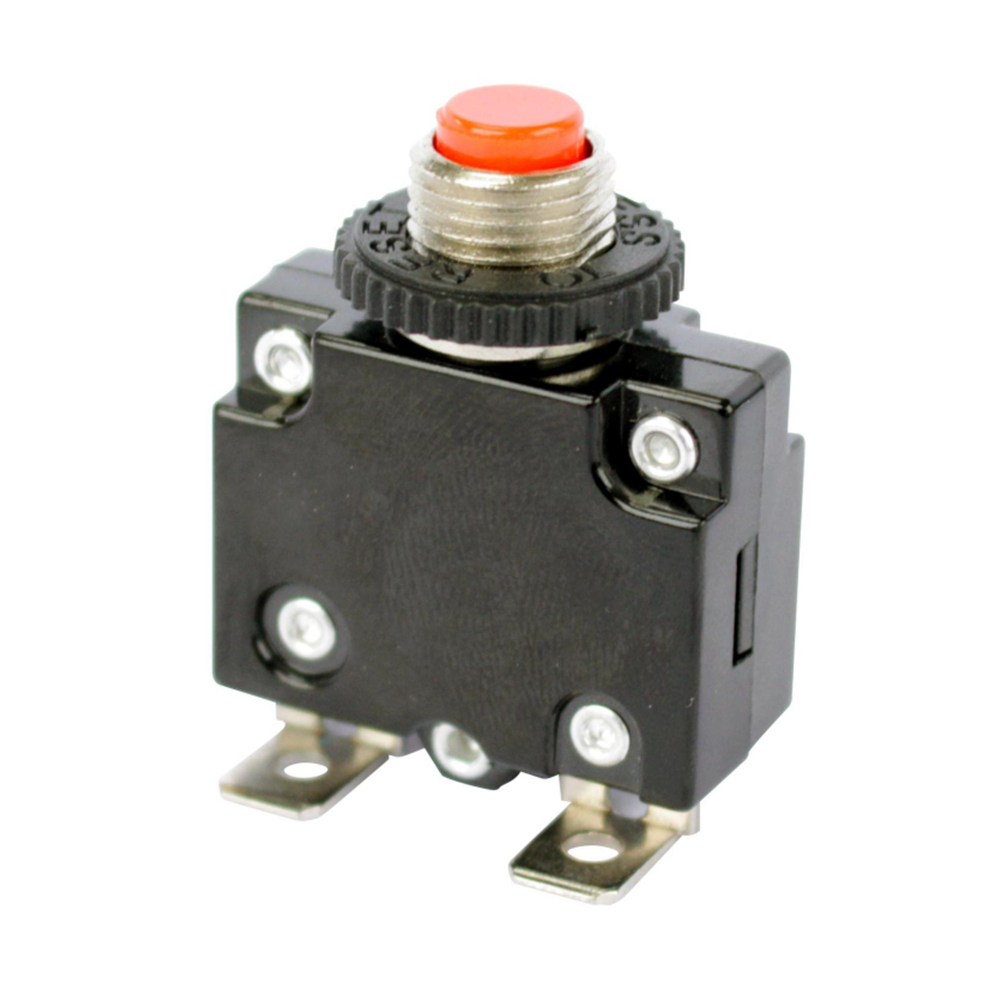
- Circuit Breakers: Panel switches rated 15–50 amps trip to prevent fires.
- Transformers: Shoebox-sized equipment reduces 7,200 V at poles to 120/240 V at the meter.
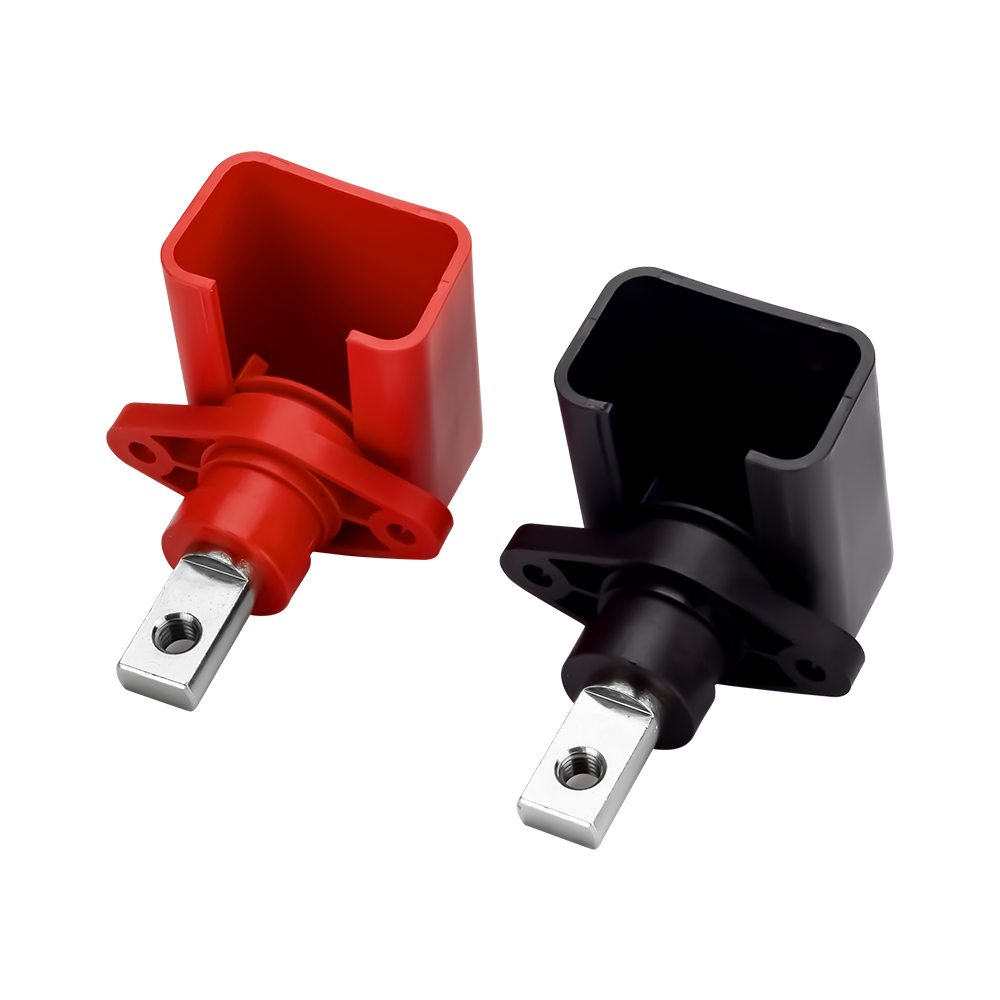
- Battery Connectors: In some e-mobility and energy storage applications, battery connectors are reliable to ensure efficient current flow. Check the Anderson 50A 600V 2-Pole APP Battery Connector for Forklift and C Type 200A 1000V Battery Connector.

Low Voltage Pros and Cons
It’s safer—50 V AC can tickle, but 120 V requires wetter weather or bad luck to kill (current also plays a factor, ~10 mA through the heart). It’s easy to install, using standard parts. The downside? It’s short-range.
High current (amps) creates more heat and loss with distance—I²R losses double for every doubling of current. A 120 V line sag after a few hundred feet.
Even low voltage is hazardous. A 240 V dryer outlet will arc when wires touch, and 48 V DC in a wet basement? Still hazardous. Grounding regulations.
High Voltage – The Long-Distance Champion

High voltage—above 1,000 V AC or 1,500 V DC—is the titan of electricity. It’s built for scale, hurling power across miles or fueling massive machines. Think of it as a roaring river, unstoppable over vast stretches.
High voltage is common in the following scenarios:
- Power Grids: ANSI’s 115 kV–765 kV lines span states; Europe hits 400 kV. Step-up transformers at plants boost to these levels.
- Industry: A steel mill takes 69 kV to arc furnaces; mines take 25 kV to haul trucks.
- Science: X-ray tubes rotate 30–150 kV; particle accelerators are millions of volts.
High Voltage Equipment
It’s colossal:
- Transformers: Substation goliaths, 20 feet tall, transform 13.8 kV to 230 kV or higher.
- Insulators: Ceramic or glass stacks, 10–20 discs high, quench arcs up to 500 kV.
- Towers: Steel towers, 100+ feet, space lines 20 feet apart to avoid flashovers.
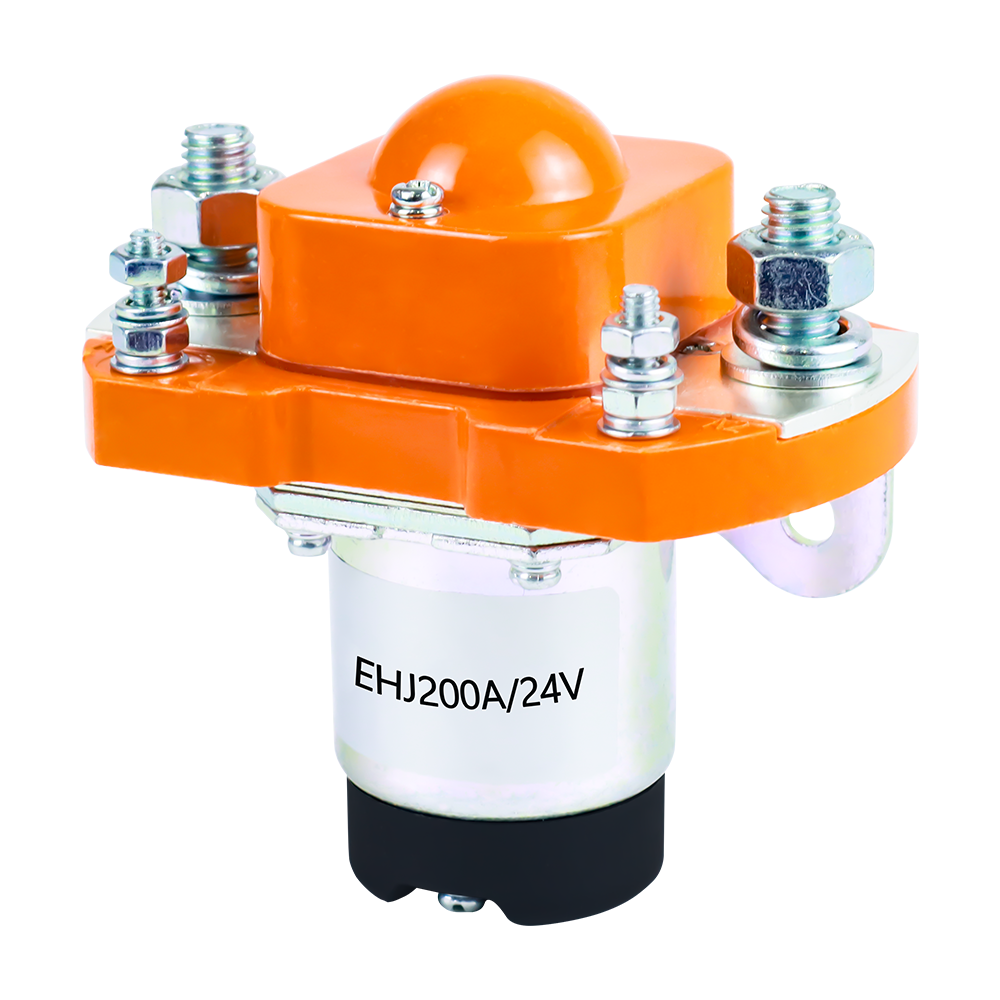
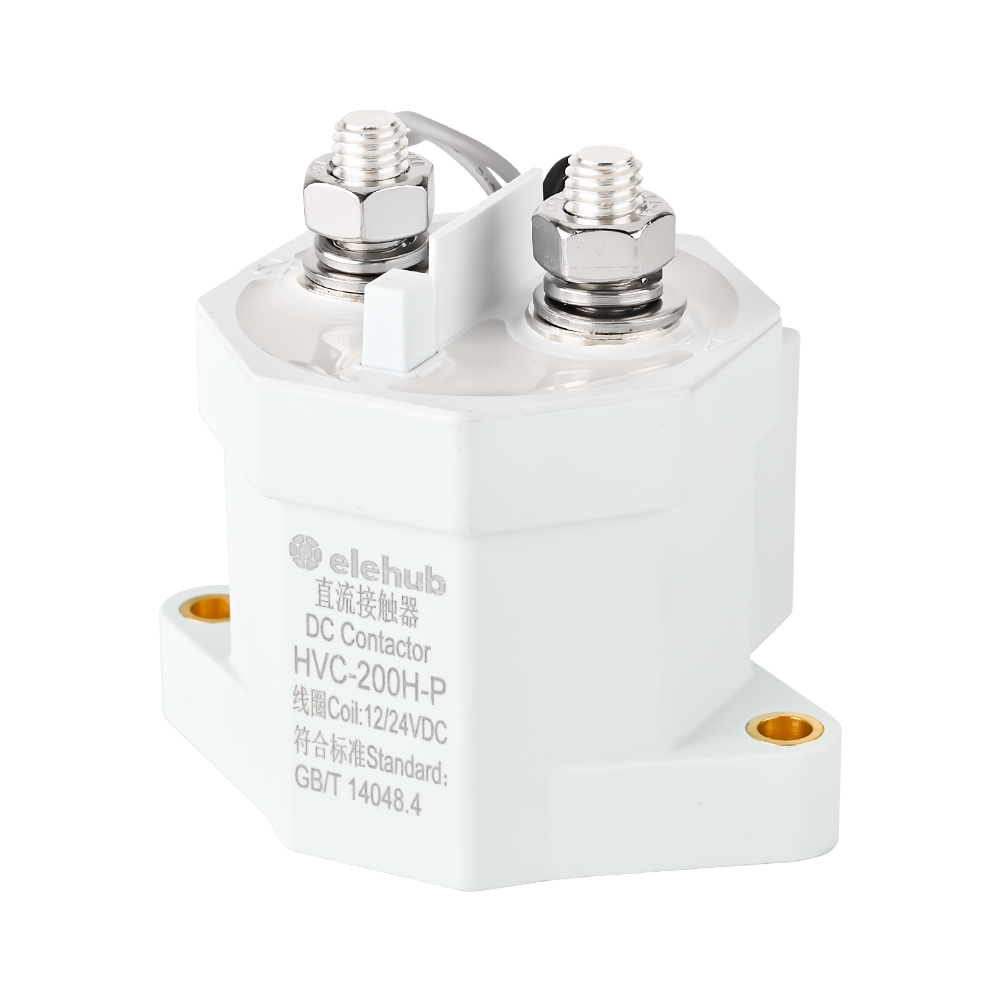
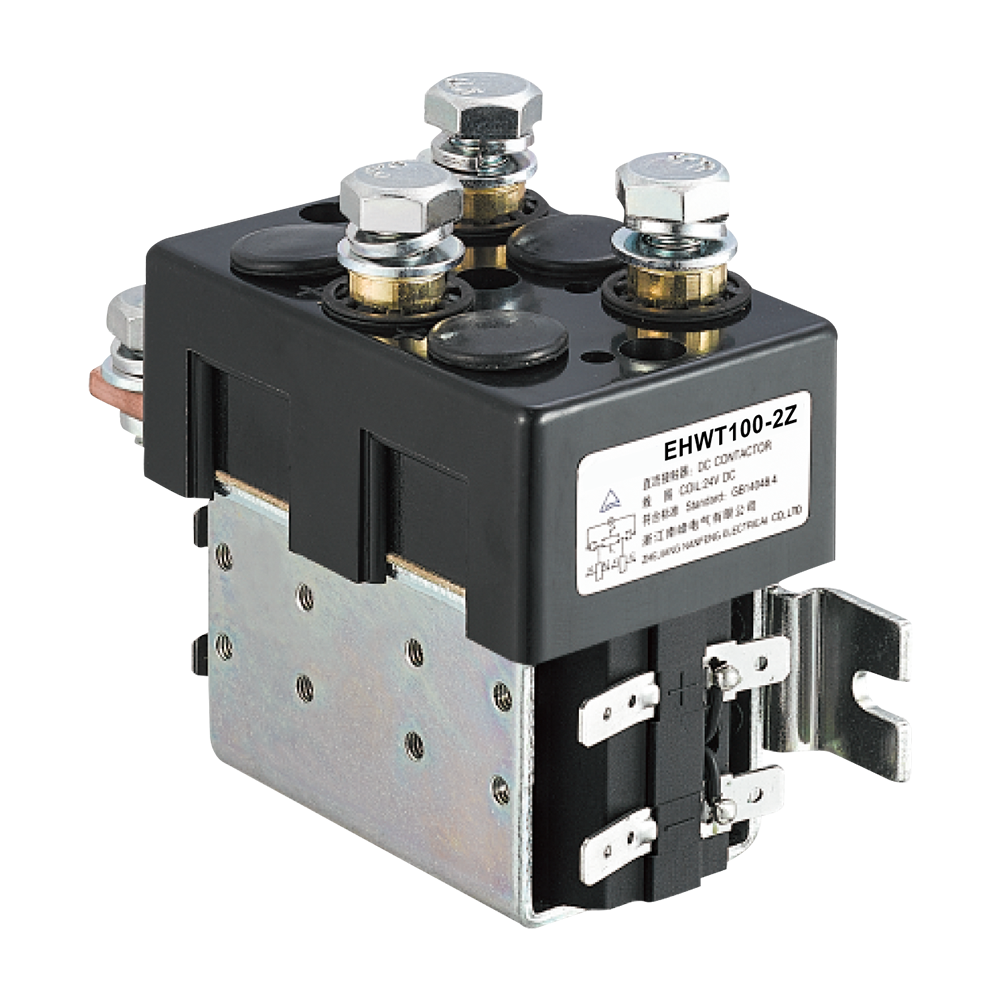
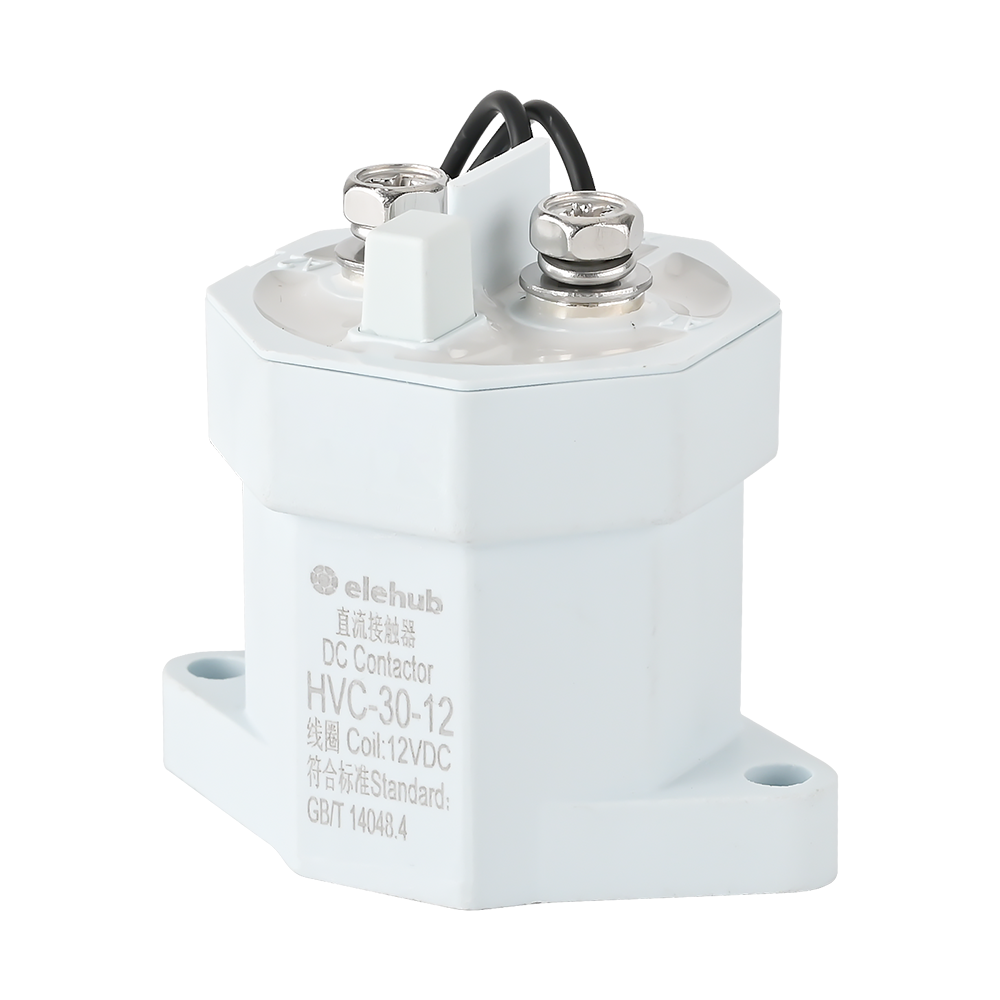
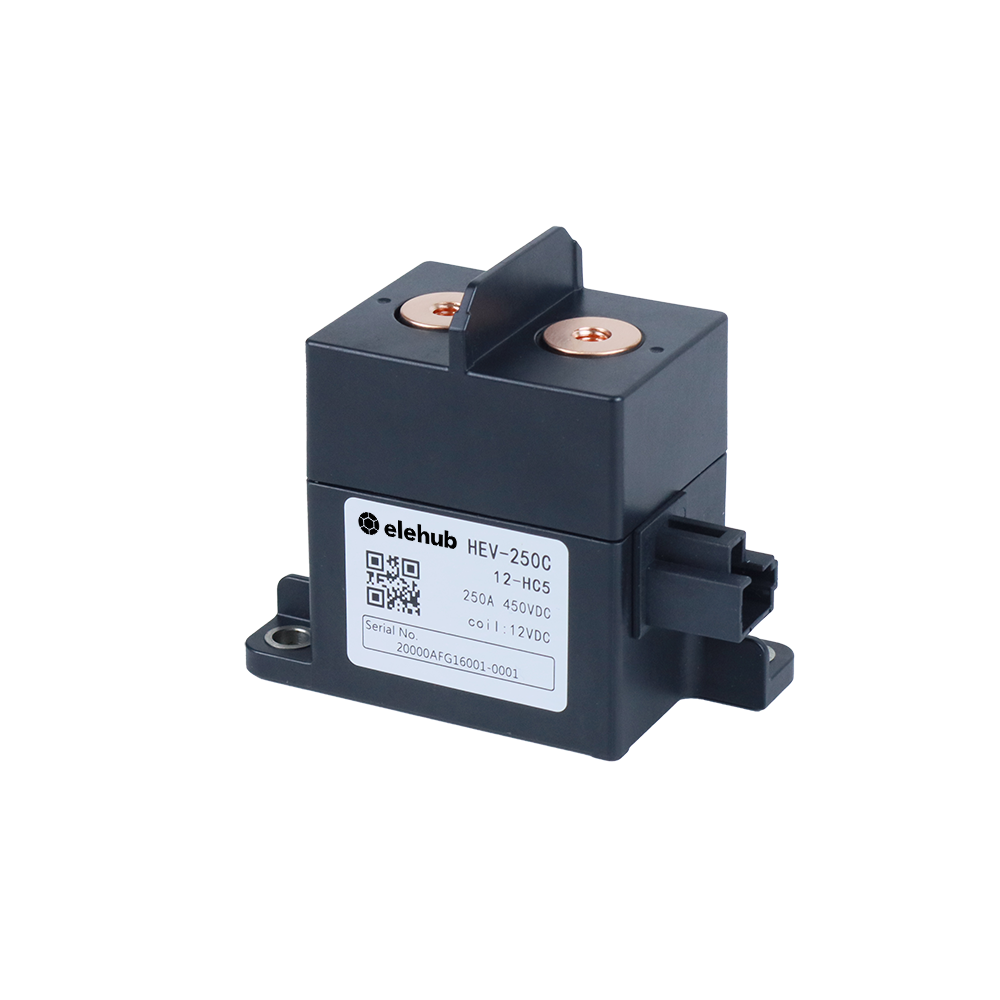
- High Voltage DC Contactors: High voltage DC contactors ensure efficient operation with minimal energy loss. Check the HVC350 350A 12V Coil DC1000V DC Contactor and HES600 600A DC1500V High Voltage DC Contactor for Energy Storage System.
- DC Shunts: They support precise current measurement in DC systems for efficient energy management through accurate readings. Check the FL-15 USA-Type 100A 500A 75mV DC Current Shunt and FL-2D German-Type 60A 60mV DC Current Shunt.
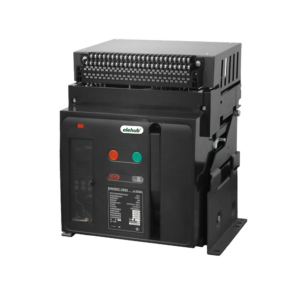
- Circuit Breakers: In high voltage uses, circuit breakers provide robust protection for DC electrical systems by detecting and interrupting faults efficiently. Check the EHW5DC-2500 DC800V 2500A 3P Fixed-type ACB Circuit Breaker and B3E 40A DC80V Hydraulic-Magnetic Circuit Breaker.
High Voltage Pros and Cons
High voltage trounces long distance—low current cuts I²R losses (i.e., 1 amp at 500 kV vs. 4,000 amps at 120 V for an equal amount of power). It’s a beast to handle, however. Towers cost money, land litigation takes forever, and a 230 kV arc will melt steel—or worse.
A 115 kV line can arc 4 inches through the air—step near it, and you’re toast. It’s not just voltage; 100 mA at 10 kV kills as dead as 120 V.
Medium Voltage – The Missing Middle Ground
Medium voltage (1,000 V–35,000 V AC) is the convenient middle child, technically high voltage but of a different sort. It’s the optimal size for mid-size power—too big for homes, too small for grids.
It’s good for a few miles—less loss than low voltage, less overkill than high. It’s the workhorse nobody writes songs about, the gap-filler.
This type of voltage suits many different uses. Here are some examples:
- Factories: 13.8 kV energizes motors and welders in auto factories.
- Buildings: A 33 kV feed powers a mall’s escalators and chillers.
- Renewables: Wind turbines boost 690 V to 34.5 kV for grid interface.
Common Medium Voltage Equipment
- Switchgear: Metal boxes with breakers and relays, rated 5–38 kV.
- Transformers: Mid-sized, stepping 69 kV down to 13.8 kV.
- Cables: Arm-thick, rubber-insulated, buried, or hung on poles.
Low Voltage vs High Voltage
| Aspect | Low Voltage | High Voltage |
| Range | ≤1,000 V AC | >1,000 V AC |
| Applications | Homes, gadgets | Grids, industry |
| Equipment | Thin wires, breakers | Towers, transformers |
| Safety Needs | Grounding, GFCI | PPE, insulation |
| Efficiency | Short-range | Long-range |
Key Differences
- Efficiency: Low voltage’s high current (e.g., 20 A at 120 V) heats wires—I²R losses go through the roof. High voltage’s low current (e.g., 1 A at 500 kV) stays cold.
- Safety: 50 V AC can shock; 50 kV ignites feet and burns flesh.
- Scale: A 120 V wire wraps around your hand; a 230 kV line needs a 100-foot tower.
Low Voltage vs High Voltage in Real Life
Low Voltage: Solar-Powered Cabin
A Colorado cabin with no connection to a grid lives off 48 V DC of four 12 V solar panels. A 3 kW inverter converts it into 120 V AC and powers LED lamps, a fridge, and a pump—noiseless, environmentally friendly, self-reliant.
High Voltage: Dam-to-City Grid
Washington’s Grand Coulee Dam drives 500 kV 200 miles to Seattle. Step-up transformers take it to 500 kV at the generator; substations drop it to 115 kV, then 13.8 kV for subdivisions.
Safety and Efficiency in Voltage Systems
Safety Standards
For Low Voltage, wet hands over a 50 V wire—30 mA across your chest will stop your heart. Follow the OSHA mandates grounding—bare wires cause fires to break out without grounding. GFCIs cut power in 1/40th of a second when current escapes.
For high voltage, a 230 kV arc jumps 9 inches, vaporizing tools and skin. One should follow the IEC 60071 requirements to insulate—10 kV requires 4-inch spacings. Workers utilize arc-rated coveralls (40 cal/cm²) and 12-foot hot sticks.
Efficiency Explained
Power = Voltage × Current (P = VI)
A 20 A 120 V line carries 2,400 W but loses 80 W in 100 feet (I²R). A 1 A 500 kV line carries 500 kW with a very small amount lost—current’s the killer.
Final Thoughts
Low voltage keeps your coffee brewing and your phone buzzing. High voltage ties cities together over vast distances. Medium voltage quietly powers the middle ground—factories, campuses, and more. Each has its superpower: safety for low, reach for high and balance for medium. Now you’re wired to see the difference.
About ELEHUB
ELEHUB is one of the major suppliers of advanced electrical solutions for electric vehicles, solar energy, energy storage systems, and other industries.
Having been a DC electrical components manufacturer in the industry for many years, ELEHUB has built a reputation as a valued partner for companies and organizations seeking reliable, high-performance solutions to power system needs.
At ELEHUB, we work hard to offer high-performance and innovative solutions concerning the needs of individual applications. We are one of the top high voltage DC contactor suppliers in China.
Moreover, our portfolio comprises high voltage DC contactors, circuit breakers, and DC protective switches, among other devices, with superior quality and reliability standards to ensure optimum performance even under demanding conditions.
FAQ
What is the distinction between low voltage and high voltage?
Low voltage is ≤1,000 V AC (or ≤1,500 V DC) and occurs in houses, electronics, and small appliances. High voltage is >1,000 V AC (or >1,500 V DC) and is used for power grids, machines in industry, and transmission lines.
What voltage is used in homes?
In the United States, house voltage is 120 V AC (with 240 V AC for heavy equipment like dryers and ovens). In Europe and everywhere else, homes are 230–240 V AC.
What is dangerous voltage?
- 50 V AC or higher can cause serious electric shocks.
- 120 V AC can be under the right conditions (e.g., wet hands, prolonged exposure).
- High voltage (above 1,000 V) can arc through the air and cause fatal injuries even without direct contact.
Why do power lines use high voltage?
High voltage reduces current, which in turn reduces energy wasted as heat (I²R losses). This allows electricity to be economically transmitted at a distance.
Can low voltage still be dangerous?
Yes. Although low voltage is less dangerous, 120 V AC can also cause electric shock or fire if the wiring is faulty. Even 48 V DC is risky if there is moisture.