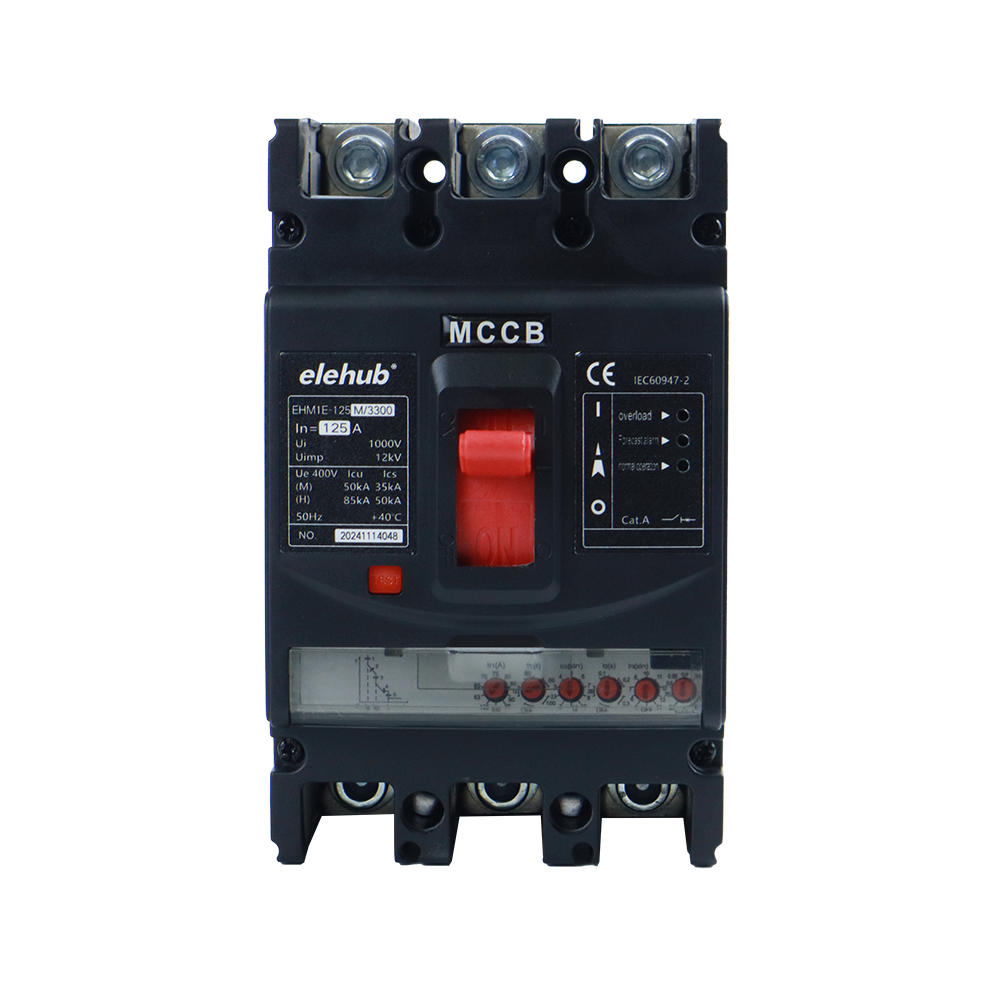
As electrical systems become increasingly complex and interconnected, they face growing challenges in ensuring reliable and safe operation. Nowadays, conventional circuit breakers remain an essential foundation, delivering dependable, fail-safe protection in both basic and legacy electrical systems. At the same time, IoT Circuit Breakers represent the next generation of intelligent electrical protection, leveraging IoT, AI, and advanced sensors to monitor, analyze, and respond to faults in real time. These advanced solutions improve safety, operational efficiency, and system reliability across smart grids, industrial automation, and modern building management systems.
Introduction to Modern Electrical Protection Systems
Electrical power is an important part of daily life, operating homes, hospitals, data centers, and industries. It is delivered through safe and reliable electrical protection systems.
Conventional protection devices, such as circuit breakers and fuses, remain essential, providing fail-safe operation and ensuring safety even when digital or IoT systems are offline. Their simplicity, reliability, and immediate response make them indispensable as the first line of defense.
However, electrical infrastructure has evolved significantly. Modern power systems are highly interconnected and are increasingly integrated with renewable energy sources, digital monitoring platforms, and distributed power generation.
Next-generation intelligent electrical protection is transforming how electrical systems are safeguarded. Instead of simply disconnecting power when a fault occurs, intelligent protection systems can monitor various electrical parameters, predict potential failures, and respond quickly to abnormal conditions.

A SPAN Smart Panel for homes combines intelligent breakers, real-time monitoring, remote control, and efficient energy management
By Rsparks3 – Own work, CC0, https://commons.wikimedia.org/w/index.php?curid=170372781
These systems combine several advanced technologies, including artificial intelligence, the Internet of Things (IoT), smart sensors, and cloud computing, to provide a higher level of safety and reliability.
IoT circuit breakers extend the functionality of conventional devices, functioning as a connecting component in a digital ecosystem. They make communication between operators and cloud platforms, and also the electrical structure. This connectivity converts circuit breakers from passive protection devices into active data-operated decision-based components.
These advancements demonstrate how digital technologies are transforming and improving electrical protection. Modern protection systems now offer predictive and preventive capabilities rather than relying solely on reactive fault protection.
Principles of Circuit Protection
The core objective of an electrical power system is to protect equipment, infrastructure, and human life from electrical failures.
A protection system should fulfill four main features:
- Speed: Faults must be cleared quickly to prevent damage.
- Selectivity: Only the faulty part should be disconnected.
- Reliability: Protection devices must operate correctly whenever required.
- Sensitivity: The system must be able to detect even small abnormal conditions.
Conventional circuit breakers continue to serve as the first line of defense, relying on mechanical, thermal, and magnetic mechanisms to isolate faults immediately. Their simplicity and proven reliability make them indispensable, especially where IoT connectivity may be unavailable or network failures occur.

As electrical systems become more complex, achieving effective protection becomes increasingly difficult. Distributed energy resources, bidirectional power flow, and renewable energy systems introduce new dynamics that require smarter and more adaptive protection techniques.
In an IoT-based system, these functions are enhanced with continuous data streaming, helpful for high-speed detection, proper decision-making features, and adaptive sensitivity according to real-time operating conditions.
Conventional vs IoT Breakers
Different electrical devices operate with each other for accurate circuit protection. Each component is important for performing a certain role that detects faults and interrupts power flow.
Common protection devices come with circuit breakers, relays, fuses, and protective sensors. Conventional circuit breakers are based on thermal and magnetic mechanisms to detect overloading and short circuits. However, they lack intelligent features for analyzing system conditions.

Smart protection systems integrate digital sensors and monitoring modules to collect real-time data and enable advanced protection capabilities. IoT breakers help to expand systems with integrated embedded controllers, edge processors, and wireless communication modules like WiFi, LTE, and Zigbee. These components help breakers not just trip circuits but also gather and transmit data after analysis.
Advanced smart breakers can monitor parameters such as current, voltage, power factor, temperature, and frequency, with sampling rates of up to 4,000 measurements per second. Data is regularly transmitted to cloud platforms with advanced analytics offering details of system working and any relevant faults or risks. This high-resolution data allows for detailed analytics, improving fault detection accuracy and reducing response time.
Comparison Table
Here are the differences between conventional and IoT circuit breakers in detail:
| Feature | Conventional Circuit Breaker | IoT Circuit Breaker |
| Fault Detection Time | 300–350 ms (sufficient for most standard electrical systems) | 100–120 ms (high-speed detection for complex systems) |
| Monitoring & Visibility | Limited (manual or local inspection) | Real-time remote monitoring via cloud; high system visibility |
| Data Collection & Analysis | Minimal, simple fault indication | Continuous high-frequency data (up to 4000 samples/sec); AI-based fault classification and predictive analytics |
| Control & Operation | Manual / local operation; reactive mode | Remote + automated control; predictive + preventive operation |
| Maintenance | Reactive maintenance | Predictive & condition-based maintenance |
| Downtime | Higher | Reduced by up to 30% |
| Integration & Scalability | Standalone device; limited scalability without advanced integrations | Integrated with IoT ecosystem; easily scalable with other smart devices and renewable energy sources like solar |
| Communication | Fewer cyber risks due to lack of digital components | More vulnerable to cyber threats; requires encryption and cybersecurity measures |
| Safety & Cybersecurity | None, no network dependency (advantage in secure, isolated systems) | MQTT, Modbus, IEC 61850 enabled; supports over-the-air updates; requires secure protocols |
| Installation | Simple, requires basic electrical knowledge | May require professional installation for integration with smart systems |
While traditional circuit breakers provide reliable, instant fault isolation without relying on digital networks, IoT circuit breakers offer advanced monitoring, predictive maintenance, and remote control.
IoT Integration Architecture
Components of IoT-Based Protection Systems
The integration of the Internet of Things (IoT) into electrical protection systems is an important step in the evolution of power infrastructure. IoT enables devices, sensors, and control systems to communicate easily, helping monitor and manage power systems more efficiently.
An IoT-based protection architecture consists of several components:
- The first part includes smart sensors and intelligent circuit breakers connected to the electrical power system. These devices measure different parameters such as current, voltage, temperature, and energy usage.
- The second part includes communication gateways that collect data from field devices and send it to a centralized system. These gateways use communication protocols such as MQTT, Modbus, or Ethernet for data exchange.
- The third layer is the cloud or edge computing system, where the received data is processed and analyzed. Advanced analytics and machine learning algorithms evaluate the data to identify errors, detect potential faults, and improve system performance.
- The final layer includes the user interface and control systems, such as SCADA platforms and mobile applications.
These components allow users to visualize electrical data accurately, receive alert notifications, and control devices remotely.

How the IoT is being utilized to connect a home thermostat
By Leenaborbarua – Own work, CC BY-SA 4.0, https://commons.wikimedia.org/w/index.php?curid=84481263
By connecting protection devices with intelligent systems, IoT transforms isolated devices into a coordinated network capable of real-time monitoring and decision-making.
With that, IoT breakers compatible with edge computing features provide instant fault response locally and simultaneously deliver data to the cloud for detailed analysis.
Communication Protocols
Proper communication is essential for IoT-based protection systems. Electrical devices must transmit data quickly and reliably to ensure a fast response to faults.
Modern systems use various communication protocols, such as IEC 61850 and MQTT, to enable seamless connectivity between devices from different manufacturers:
|
Protocol
|
Use Case
|
Key Advantage
|
|
IoT communication
|
Lightweight & high-speed data transfer
|
|
|
Industrial systems
|
Reliable and commonly used
|
|
|
Substations
|
High interoperability
|
|
|
Industrial automation
|
Secure data exchange
|
|
|
Web integration
|
Easy cloud connectivity
|
These protocols allow easy integration of protection devices with substations, automation systems, and cloud platforms.
Data Flow
Data flows through the system in several stages:
- Sensors first measure electrical parameters and send the data to controllers or gateways.
- Gateways process the data and forward it to a central system for further analysis.
- If abnormal conditions are detected, a signal is sent to the protection devices to isolate faults or adjust system parameters.
This bidirectional communication enables advanced features such as remote control, automated load management, and predictive maintenance.
IoT breakers also provide firmware updates over the air, making devices up-to-date with advanced protection systems and security modules.
Instead of waiting for a failure to occur, operators can detect potential issues early and take preventive measures.
Advanced Functionalities in IoT Circuit Breakers
1. Real-Time Monitoring and Instant Feedback
The main advantage of IoT circuit breakers is real-time monitoring. Conventional systems operate in a limited manner, with little visibility into system conditions until a fault occurs.
Intelligent breakers continuously monitor electrical parameters and provide instant feedback.
Real-time monitoring allows engineers to track electrical loads, detect abnormal temperature increases, and identify unusual current patterns.
2. Predictive Maintenance
By analyzing historical and real-time data, IoT circuit breakers can identify early signs of component failure. This approach reduces the chances of unexpected outages and improves overall system efficiency.
The integration of predictive analytics into smart circuit breakers can reduce maintenance costs by about 30 percent by preventing unplanned downtime.
IoT breakers provide accurate predictive maintenance through continuous cloud-based learning and real-time data configuration over different devices.
For industries where downtime is extremely costly, this feature is highly valuable.
3. Enhanced Safety
Intelligent breakers improve safety by proactively detecting overloads, short circuits, or ground faults before they escalate into hazardous situations.
High-precision sensors, combined with AI analytics, allow the system to isolate only the affected circuit while maintaining power to the rest of the network, reducing risk to personnel and equipment.
4. Remote Monitoring and Control
IoT connectivity enables remote monitoring and management via cloud platforms, SCADA systems, or mobile applications. Operators can view live data, receive alerts, and control breakers remotely, ensuring fast intervention even when personnel are off-site.
This capability is particularly valuable for distributed power systems, smart grids, and critical infrastructure.
5. AI and Machine Learning in Fault Detection
AI is rapidly becoming a key component of electrical protection systems. AI algorithms can analyze large amounts of electrical data and identify patterns that are difficult for humans to detect.
Machine learning models can distinguish between different types of electrical faults, such as short circuits, ground faults, and overload conditions. These capabilities help improve fault classification accuracy and reduce unnecessary shutdowns.
AI also supports the development of self-healing power grids. In such systems, the protection system can automatically detect faults, isolate the affected section, and restore power to the remaining network. This approach improves the reliability and resilience of the grid.
AI-based systems can also continuously learn from new data. As the system collects more information about faults and operating conditions, its predictive accuracy improves over time.
IoT-based connectivity helps AI operations by offering larger real-time datasets from different breaker systems.
Technical Considerations
1. Cybersecurity
IoT and digital technologies offer many advantages, but they also introduce new security challenges. Connected electrical devices can be vulnerable to cyberattacks if proper protection systems are not implemented.
Cybersecurity measures include authentication protocols, data encryption, and regular firmware updates to protect IoT-based protection systems.
Modern security solutions, such as AI-based detection systems, are used to monitor network activity and identify potential threats. These systems help detect unauthorized access and prevent attacks before they affect electrical operations.
2. Data Integrity
Since IoT circuit breakers rely on real-time data for decision-making, any corruption, delay, or loss of data can lead to incorrect fault detection or delayed response.
To maintain data integrity, IoT systems utilize secure communication layers, error-checking mechanisms, and encrypted data transmission protocols. Redundant data validation processes and time synchronization techniques further ensure that the information used for analysis is precise and trustworthy.
High data integrity enables more accurate fault diagnostics, better predictive maintenance, and improved overall system performance.
3. System Reliability
Reliability is a critical component of any protection system. Intelligent protection devices, such as IoT-based circuit breakers, must operate correctly under various conditions, including system disturbances and extreme environments.
To ensure reliability, these systems are designed with robust hardware, fail-safe mechanisms, and real-time self-diagnostics. Even in the event of communication loss or partial system failure, the breaker must still be capable of performing its core protection functions independently.
4. Interoperability
Interoperability is another important factor. Electrical systems often include equipment from different manufacturers, and all devices must communicate effectively.
IoT circuit breakers are designed to integrate easily with other devices such as relays, sensors, SCADA systems, and energy management platforms. This compatibility enables efficient system expansion, simplified maintenance, and improved operational flexibility.
5. Standard Communication Protocols
Standard communication protocols ensure compatibility and simplify system integration. They enable consistent data exchange across different platforms and devices, reducing integration complexity and supporting unified system architecture.
Standardization also allows easier upgrades, vendor flexibility, and long-term system sustainability.
6. Backup Mechanisms and System Redundancy
Engineers also consider backup mechanisms and system redundancy. If the communication system fails, protection devices must still operate independently to maintain safety.
Applications of IoT Circuit Breakers
IoT circuit breakers provide real-time monitoring, fault detection, and predictive capabilities, ensuring safety, reliability, and efficiency across grids, industries, and buildings:
Smart Grids
Smart grids are a major application of intelligent electrical protection. These advanced power systems integrate renewable energy sources, digital communication technologies, and energy storage systems to improve efficiency.
IoT breakers help manage the complexity of smart grids by detecting faults quickly and maintaining stable power flow.
They are also helpful for managing distributed energy resources and balancing power dynamics in smart grids.

Traditional centralized electrical system (left) vs smart grid (right)
By Bartz/Stockmar, CC BY-SA 4.0, https://commons.wikimedia.org/w/index.php?curid=69505750
Renewable Energy Systems
With the rapid adoption of renewable energy sources such as solar and wind power, electrical systems are becoming more decentralized and variable. This increases the demand for intelligent and adaptive protection solutions.
IoT circuit breakers enhance the integration of renewable energy by providing real-time monitoring, fast fault response, and improved control over fluctuating power generation. These capabilities help ensure reliable operation and efficient energy distribution in modern power systems.

Industrial Automation
Industries and factories are also adopting intelligent protection systems. Modern industrial operations rely on continuous electrical power to maintain processes and ensure system reliability.
Smart circuit breakers and monitoring systems help track energy consumption, detect faults, and optimize electrical loads.
They also enhance safety by identifying potential hazards before they cause damage to equipment.

Smart Buildings
IoT circuit breakers enhance the safety and efficiency of commercial and residential buildings. They monitor power consumption and electrical conditions continuously, providing alerts for overloads, short circuits, or unusual energy patterns.
Connected to building management systems (BMS) or mobile apps, intelligent breakers allow operators to manage circuits remotely, schedule load distribution, and implement energy-saving strategies. Predictive maintenance ensures that minor issues are addressed before they affect building operations, improving both safety and operational efficiency.

Challenges and Future Trends in Intelligent Electrical Protection
Integration Complications and Cost
Although intelligent protection systems offer many advantages, they also face certain challenges. Implementing IoT-based protection systems requires significant investment in infrastructure, software, and technical training.
The integration process can also be complex, especially in older electrical systems where outdated equipment is already installed. Therefore, systems must be carefully designed to ensure compatibility, reliability, and smooth integration.
Emerging Techniques in Electrical Protection
The future of electrical protection includes technologies such as solid-state circuit breakers, advanced AI analytics, and edge computing. Solid-state breakers use semiconductor switches instead of mechanical contacts, enabling high-speed switching and improved reliability.
Neuromorphic protection systems, inspired by biological neural networks, are also being developed. These systems can detect faults within 10–58 milliseconds with a detection accuracy of more than 98%.
Upcoming IoT breakers do not support digital twin technology and edge AI, which offer real-time predictive fault protection and simulation
Conclusion
Electrical protection systems are evolving rapidly in response to increasingly complex and interconnected power networks. While IoT-enabled circuit breakers provide advanced monitoring, predictive maintenance, and automated control, conventional circuit breakers remain an essential backbone, offering reliable, fail-safe protection—particularly in legacy systems or situations where network connectivity is limited.
Together, traditional and intelligent breakers form a complementary protection framework that balances reliability, speed, and adaptability.
Looking ahead, the integration of AI, IoT, and edge computing will further enhance fault detection, system resilience, and operational efficiency, ensuring that modern power systems—from smart grids and renewable energy installations to industrial automation and smart buildings—remain safe, efficient, and future-ready.
Related Articles:
What is a Circuit Breaker? Types, Working Principle, and Applications