Industrial wiring and electrical installation ensure safety, efficiency, and compliance in industrial settings. Get to know more about wiring types, installation processes, and the role of quality, affordable HVDC equipment. Suitable for both engineers and facility managers, discover best practices and insights to optimize industrial electrical systems.
Understanding Industrial Wiring

Industrial wiring refers to the electrical systems to power and control heavy machinery, automation systems, and instrumentation in industrial environments. Unlike residential or commercial wiring, it handles higher voltages, complex control systems, and stringent safety requirements.
Key components include:
- Power Wiring: High-voltage cables for heavy machinery, motors, and large equipment.
- Control Wiring: Low-voltage, shielded cables for automation and programmable logic controllers (PLCs).
- Instrumentation Wiring: Specialized cables for sensors and data acquisition systems.
Industrial wiring is vital in manufacturing plants, oil and gas facilities, logistics warehouses, and renewable energy installations.
Types of Industrial Wiring
Understanding the types of wiring used in industrial settings helps in selecting the right materials for specific applications.
1. Power Wiring

Materials: Copper conductors offer high conductivity and durability, while aluminum conductors are lighter and more cost-effective for large-scale installations.
Cases: Powering heavy machinery (e.g., CNC machines), industrial HVAC systems, and high-capacity motors in factories.
2. Control Wiring

Materials: Shielded low-voltage cables to minimize electromagnetic interference (EMI) from nearby high-power equipment.
Use Cases: Connecting control panels to PLCs, relays, or automated robotic arms in assembly lines.
3. Instrumentation Wiring
Materials: Twisted pair or coaxial cables engineered for accurate signal transmission with minimal noise.
Use Cases: Sensors for temperature, pressure, or flow monitoring, and data acquisition systems in chemical plants.
4. Specialized Wiring
Fiber Optics: Used for high-speed data transfer in smart factories, supporting real-time communication for IoT devices.
Fire-Resistant Cables: Essential for safety-critical environments, such as chemical plants or offshore platforms, to maintain functionality during emergencies.
Industrial Electrical Installation Process
Proper installation ensures reliability, safety, and efficiency in industrial wiring systems.
Planning and Design
- Conduct detailed load calculations to determine power requirements based on equipment demands and facility size.
- Develop wiring schematics and layouts using tools like AutoCAD to map cable routes, junction points, and equipment connections.
Installation Steps
- Site Preparation: Install conduits, cable trays, and junction boxes to protect and organize wiring. Ensure proper ventilation to prevent overheating.
- Cable Pulling and Termination: Carefully pull cables through conduits using pulling lubricants and connect them to terminals with secure crimping techniques.
- Testing and Commissioning: Perform continuity tests to verify connections, insulation resistance tests to detect faults, and full system validation to ensure operational readiness.
Safety Standards and Compliance
Compliance with safety standards is non-negotiable in industrial wiring to protect workers and equipment.
- National Electrical Code (NEC): U.S. standard outlining safe practices for electrical installations, including wire sizing and grounding requirements. (For electrical equipment, learn more about UL standards and UL 508 vs UL 489.)
- International Electrotechnical Commission (IEC): Global standards for wiring, equipment, and safety, widely adopted in international projects.
- OSHA: U.S. regulations mandating workplace safety, such as electrical hazard prevention and lockout/tagout procedures.
Safety Protocols
- Implement lockout/tagout (LOTO) procedures to de-energize systems during maintenance, preventing accidental energization.
- Require personal protective equipment (PPE), such as insulated gloves, arc-flash suits, and safety glasses, for all electrical work.
- Use grounding and bonding techniques to eliminate stray currents and reduce shock risks.
Common Violations and Fixes
| Violations | Fixes |
| Inadequate grounding | Install grounding rods and test continuity |
| Overloaded circuits | Conduct load audits and upgrade wiring |
Common Challenges and Solutions
Industrial wiring projects face challenges that can be mitigated with proper planning.
| Challenges | Solutions |
| Downtime During Installation | Use phased installations or temporary power setups to maintain operations. |
| Compliance Issues | Conduct pre-installation audits and hire certified electricians familiar with HVDC systems. |
| Cable Management | Implement wire ducts, color-coded labels, and software tools like AutoCAD for organization. |
Modern Industrial Wiring Trends

Emerging technologies are transforming industrial wiring for greater efficiency and connectivity.
1. Smart Wiring Systems
IoT-enabled wiring allows real-time monitoring of electrical systems.
Use cases: Predictive maintenance to reduce downtime, energy usage tracking.
2. Energy-Efficient Wiring
Low-loss conductors reduce energy waste in high-power systems.
Benefits: Lower operational costs and support for sustainability goals.
3. Automation and Control Integration
Wiring for PLCs, SCADA systems, and robotics requires high reliability.
Challenges: Mitigating electromagnetic interference with shielded cables.
Importance of HVDC Electrical Equipment
High Voltage Direct Current (HVDC) systems are increasingly used in industrial applications like renewable energy and large-scale manufacturing due to their efficiency in long-distance power transmission.

Why HVDC Matters
High Voltage Direct Current (HVDC) systems are transforming industrial operations, especially in renewable energy and large-scale manufacturing.
Unlike traditional alternating current (AC) systems, HVDC transmits power over long distances with less energy loss. This makes it perfect for applications like solar farms, wind turbines, and data centers.
Key HVDC Equipment
- HVDC Contactors: HVDC contactors act as switches for high-voltage DC circuits, ensuring smooth control in automation systems.
- DC Fuses: Protect circuits by stopping excessive current, like fast-acting 1500V DC fuses used in battery storage systems.
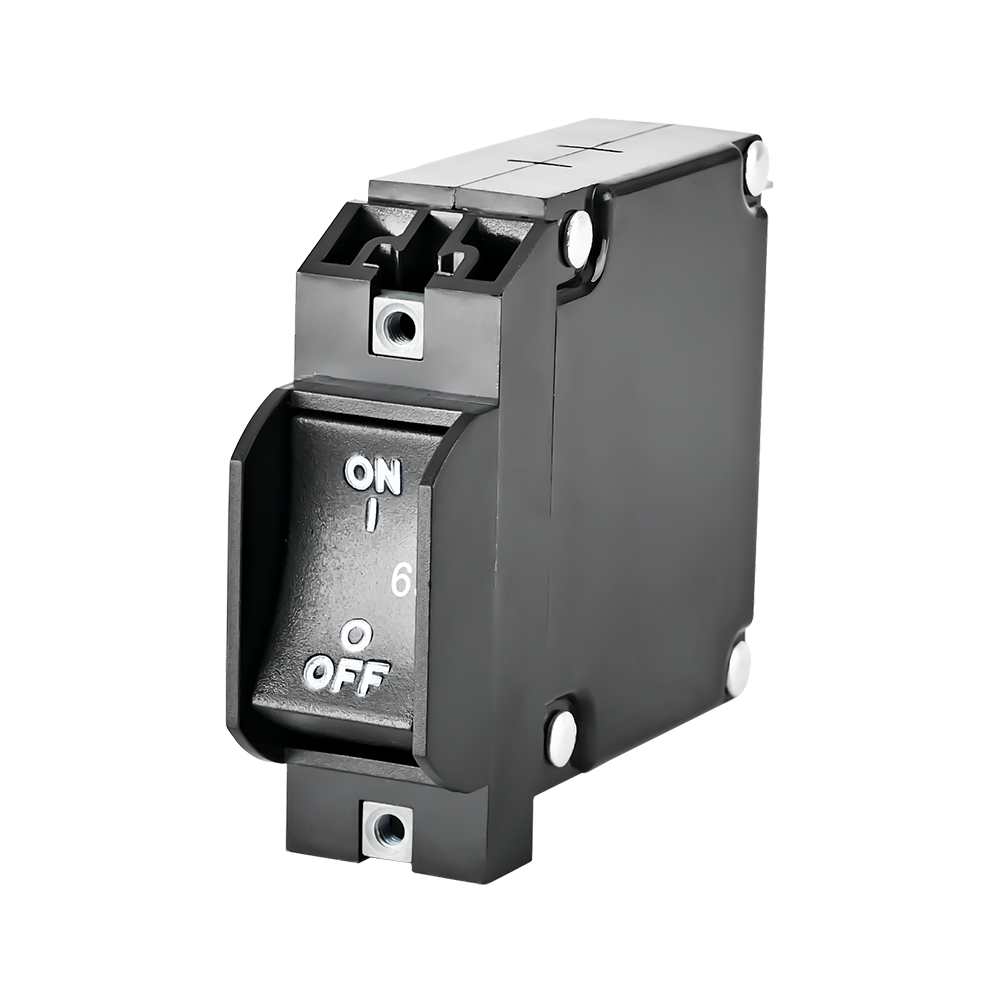
- DC Circuit Breakers: Equipped with arc suppression to prevent sparks, cut off faulty currents to protect equipment, such as in high-voltage DC motors.
Investing in reliable HVDC equipment brings clear advantages. It enhances safety by preventing electrical hazards like short circuits, thanks to dependable fuses and breakers. Second, durable components last longer, cutting maintenance costs. For instance, a high-quality HVDC contactor in a factory might run for years without replacement.
Finally, HVDC systems with efficient equipment reduce energy waste, especially in renewable energy setups, lowering utility bills and supporting sustainability.
ELEHUB: Reliable DC Electrical Equipment Supplier

When sourcing HVDC equipment, choosing a reliable supplier is critical for quality and affordability.
Why ELEHUB
- Specializes in DC electrical components, including HVDC contactors, DC fuses, and circuit breakers.
- Offers UL- and IEC-certified products, ensuring compliance and reliability.
- Competitive pricing through direct manufacturing and bulk order discounts.
Product Highlights
- HVDC Contactors: Ideal for renewable energy applications.
- DC Fuses: Fast-acting, high-breaking capacity for industrial DC systems.
- DC Circuit Breakers: Compact designs with arc suppression for safety.
FAQs
What is the difference between industrial and commercial wiring?
Industrial wiring is to support high-power equipment, automation systems, and harsh environments. It typically involves higher voltages, complex controls, and strict safety standards. Residential or commercial setups operate at lower power levels and under less demanding conditions.
How does HVDC equipment differ from AC equipment in industrial settings?
HVDC equipment supports direct current systems, offering lower transmission losses for applications like renewable energy, unlike AC equipment for traditional power distribution.
What are the common safety standards for industrial wiring?
Critical standards include:
- NEC (National Electrical Code) – U.S. safety code
- IEC standards – international guidelines
- OSHA – workplace safety compliance
What types of HVDC electrical components are most important?
- HVDC contactors for high-voltage switching
- DC fuses for circuit protection
- DC circuit breakers with arc suppression features
What are common challenges in industrial wiring projects, and how can they be solved?
- Downtime: Use phased installation or temporary power.
- Code compliance: Hire certified professionals and conduct audits.
- Cable management: Use labeling systems, wire ducts, and design software.