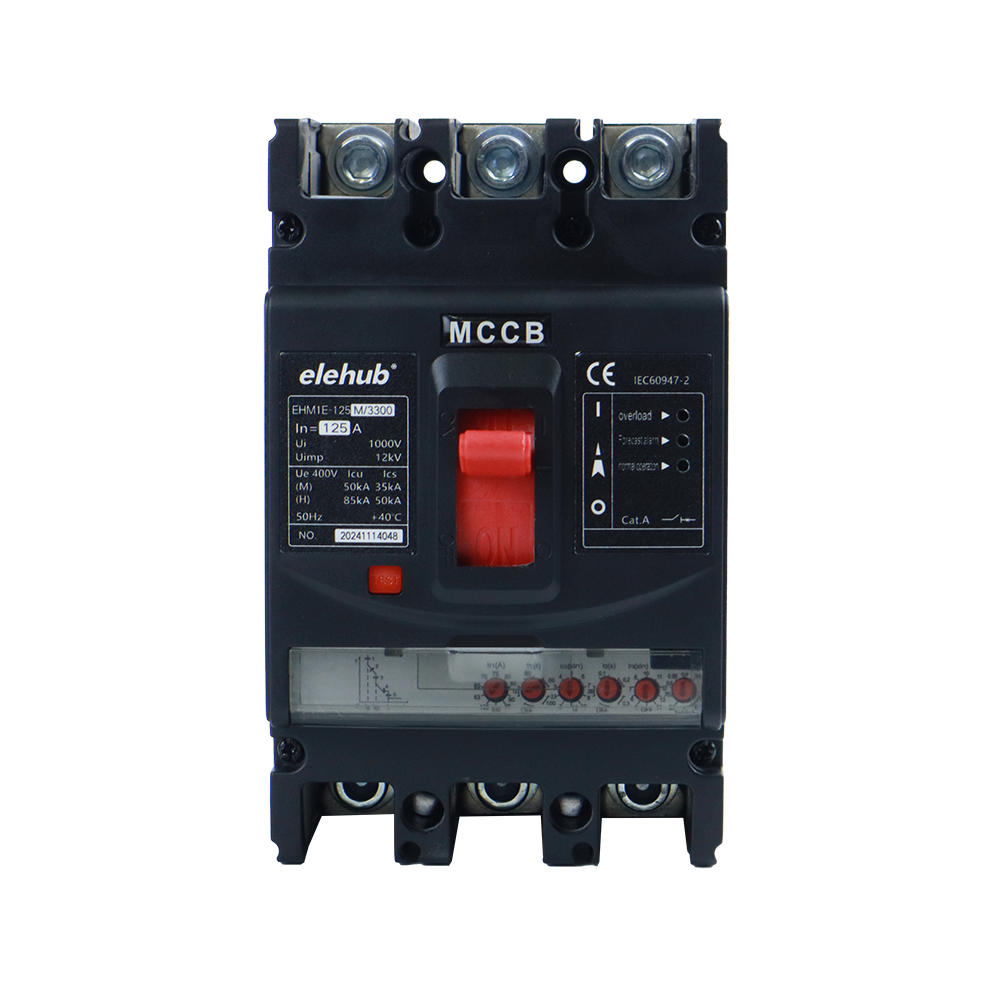
Circuit breakers are protective appliances that disable electrical currents from causing undue damage when there is excess current flow. They automatically short-circuit as current rises above safety points, preventing overheating, fire outbreaks, and appliance damage. How to replace a circuit breaker? Regardless of your position, it is prudent to understand how to replace a circuit breaker for safety and uninterrupted operation.
In this in-depth manual, we’ll discuss how to replace a circuit breaker, discuss typical troubleshooting methods, and safety protocols, and outline the way to replace a circuit breaker when working with a residential, commercial, or industrial electrical system.
You can also read other related articles:
What is a Circuit Breaker? Types, Working Principle, and Applications in 2026
Functions and Purpose of Circuit Breakers: Protecting Electrical Systems
Circuit Breaker Installation Guide: Step-by-Step Instructions
When to Replace a Circuit Breaker?

Circuit breakers are designed to last for decades, but sometimes a circuit breaker can develop an error that will need replacing. When one recognizes what to inspect for in necessitating a replacement breaker, one reduces the damage that may delay one with funds and avoid accidents.
Here are some signs we’ve collected that the circuit breaker should be replaced:
- Overheating: If a breaker is overheated or there is a smell near the panel, it may be defective or struggling to handle the load.
- Frequent Tripping: A breaker that constantly trips is likely not working properly, especially if it does so with normal loads. This may be an indication of a fault in the breaker or the circuit.
- Crackling or Buzzing Sounds: Electrical arcing is possible if a breaker is old. If you experience crackling or buzzing sounds, it’s a good indication that the breaker is not functioning properly.
- Visible Corrosion or Rust: Rust or corrosion around and on the circuit breaker is an indication that water or other sources have caused the deterioration of the breaker and it has become less efficient.
- Flickering Lights: If lights in your home or building flicker repeatedly, especially in one location, it might indicate the breaker cannot efficiently manage the circuit’s demand.
- Old Age: Circuit breakers generally have a lifespan of 25-40 years. If your breaker is older than 25 years, even if no apparent issues exist, it might be time to replace it.
How to Replace a Circuit Breaker Step by Step
It does require a basic understanding of electrical systems when replacing a circuit breaker. The following is a step-by-step instruction manual on safely and effectively replacing a circuit breaker.
Step 1: Safety First
Prior to doing any electrical work, always ensure that you follow safety precautions to protect yourself and others from injuries:
- Switch Off the Main Power Supply: The first and most important step is to turn off the main breaker that controls the entire electrical panel. This guarantees that no power is being supplied to the panel.
- Verify the Power Is Off: Verify no live power is delivered to the panel with a voltage tester or a multimeter prior to proceeding.
- Dry Working Area: Make sure the work area is dry because water will increase the electric shock risk.
- Wear Protective Equipment: For protection from electric shock, wear insulated tools and rubber-soled shoes. Protective glasses and gloves should also be worn while handling electrical components.
Step 2: Take Out the Faulty Breaker
Having ensured there is no electricity flowing to the electrical panel, here’s how to safely take out the faulty breaker:
- Open the Electrical Panel: Take off the cover of the electrical panel using a screwdriver.
- Find the Faulty Breaker: Locate the tripped or defective breaker. The breaker would typically be in the “off” position or between “on” and “off.”
- Pull Out the Wire: Take out the screw that holds the wire to the terminal of the defective breaker and slowly pull it out.
- Remove the Old Breaker: Carefully pull the breaker out of the panel, noting how it fits into place. This will come in handy when putting in the new breaker.
Step 3: Install the New Circuit Breaker
After the old breaker is taken out, it’s time to replace it with a new one.
- Place the New Breaker in the Slot: Install the new breaker in the exact location where the old one used to be and secure it in place firmly. Make sure that it is properly seated inside the panel.
- Attach the Wire: Attach the wire to the terminal of the new breaker and secure it with the screw to make a tight connection.
- Check the Connections: Before proceeding, double-check that all connections are tight. Loose connections can provide poor electrical contact, meaning there is a greater likelihood of damage or fire.
- Test the New Breaker: Test the new breaker with a multimeter. With the breaker in the “off” position, the multimeter should indicate an open circuit. When switched to the “on” position, it should indicate continuity.
Step 4: Turn the Power On
- Close the Panel Cover: Put back the electrical panel cover and lock it using screws.
- Turn on the Main Breaker: Switch on the main breaker to bring power back to the electrical system.
- Activate the Branch Breakers: Turn on the branch breakers one by one, starting from the new one. This ensures power is restored appropriately.
Step 5: Verify Everything Functions
- Verify Electrical Circuits: Ensure outlets, appliances, and lights connected to the circuit function normally.
- Check the Proper Working: If everything is working well, then the installation has been completed successfully!
Troubleshooting Circuit Breaker Issues
In some cases, a breaker may fail to reset or keep tripping. Below are some of the common causes and troubleshooting steps to correct such issues:
- Overloaded Circuit: An overloaded circuit is likely the most common cause of breaker trips. Too many appliances on one circuit can draw more power than the breaker is rated to handle. To fix this, turn off some of the appliances and reset the breaker. If the breaker stays on, the circuit may have been overloaded.
- Bad Appliances: Should the breaker trip again after a reset, it can be because there is something wrong with one of the devices or appliances using the circuit. Pull all appliances, and check if any appliances have been damaged. Plug in appliances individually one after the other in order to establish which is malfunctioning.
- Damaged Wiring: Defective wiring or a short circuit can cause a breaker to trip. In case of suspected damaged wiring, one should have the wiring checked by an electrician and repaired. This should specifically be done where the fault persists even when the appliances are off.
Circuit Breaker Replacement in Commercial and Industrial Uses
While replacement of a circuit breaker is easy for home use, commercial and industrial applications utilize larger electrical systems that require different considerations. Because the systems are bigger and more complex, replacing the breakers correctly is all the more important for safety in addition to ease of operation.
Commercial Applications

In commercial applications, electrical circuits are more complex and typically comprise larger electrical loads from heavy equipment, lighting, and air conditioning equipment. The following are things you need to know when replacing a breaker in a commercial setting:
- Load Requirements: Commercial circuits typically have heavier electrical loads compared to residential systems. You should ensure that the replacement breaker is equipped with the appropriate amperage and voltage rating for the application.
- Breaker Size: Breakers used in commercial buildings are of larger size and more powerful. Choosing an appropriate breaker size is important to prevent it from getting damaged due to the flow of current in the circuit.
- Breaker Labeling: Labeling each breaker appropriately is necessary for proper troubleshooting. Appropriate labeling will prevent loss of time and improve safety while performing maintenance or fixing future electrical issues.
Industrial Applications

At the industrial level, DC circuit breakers protect large machines, heavy-duty equipment, and complex electrical wiring. Replacing an industrial circuit breaker requires more caution and observation of safety procedures:
- High Voltage and Amperage Needs: Industrial uses often require breakers of extremely high amperage (even thousands of amperage). The new breaker must have the ability to cope with the special requirements of your machinery and equipment.
- Customized Breakers: Some industrial applications require special or custom breakers, particularly when handling specialized or high-usage equipment. Always ensure the new breaker is compatible with your system.
- Safety Protocols: Industrial environments have to have stringent safety protocols. Specialized electricians might be needed for installations, especially when operating in high-risk environments.
Closing Words
Replacing a circuit breaker is a basic skill for homeowners, business property owners, and industrial operators. By seeing the correct safety precautions and being aware of when to replace a breaker, you ensure the effectiveness and safety of your electrical systems.
Always use the correct breaker size, and if unsure, seek professional help to avoid any hazards. Maintenance and timely replacement keep your systems functioning and spare you costly damage.
About ELEHUB
ELEHUB is one of the major suppliers of advanced electrical solutions for electric vehicles, solar energy, energy storage systems, and other industries.
Having been a DC electrical components manufacturer in the industry for many years, ELEHUB has built a reputation as a valued partner for companies and organizations seeking reliable, high-performance solutions to power system needs.
At ELEHUB, we work hard to offer high-performance and innovative solutions concerning the needs of individual applications. We are one of the top high voltage DC contactor suppliers in China.
Moreover, our portfolio comprises high-voltage DC contactors, circuit breakers, and DC protective switches, among other devices, with superior quality and reliability standards to ensure optimum performance even under demanding conditions.
FAQ
Can I replace a circuit breaker myself?
If you know electrical systems well, you can install a circuit breaker yourself. But if you are not certain or not confident, it is always advisable to hire a licensed electrician, especially in commercial and industrial settings.
What size circuit breaker is used for residential?
The circuit breaker is sized based on the appliance or load it is protecting. General residential circuit breakers are typically 15 amps or 20 amps, but large appliances such as air conditioning units or ranges might need to be 30 amps or greater. Get more information in our guide: residential vs industrial circuit breaker.
How often should circuit breakers be replaced?
Circuit breakers usually last 25-40 years, but replacement is necessary if they are worn, damaged, or fail to trip. They may be inspected periodically every 5-10 years to search for any indication of issues.
Is a circuit breaker replacement the same in a commercial or industrial setting?
Yes, replacing a circuit breaker in commercial and industrial applications usually involves dealing with larger breakers, understanding higher amperage needs, and ensuring it is compatible with specialized gear. Industrial applications may require professional electricians due to the fact that it is more complicated and hazardous.
Can a faulty breaker cause a fire?
Yes, a defective or broken breaker can create a fire due to the ability of excess current to pass through the circuit and overheat the wires, eventually igniting the surrounding materials. Replace defective breakers at once.