Fuses are key protective devices in DC electrical systems for safety and performance. However, they come in different forms for unique purposes, thus requiring vital considerations when choosing one. Here, we’ll explore various fuse ratings and provide a guide on how to choose the right fuse suitable for your circuit. Read on!
What Is a Fuse Rating?
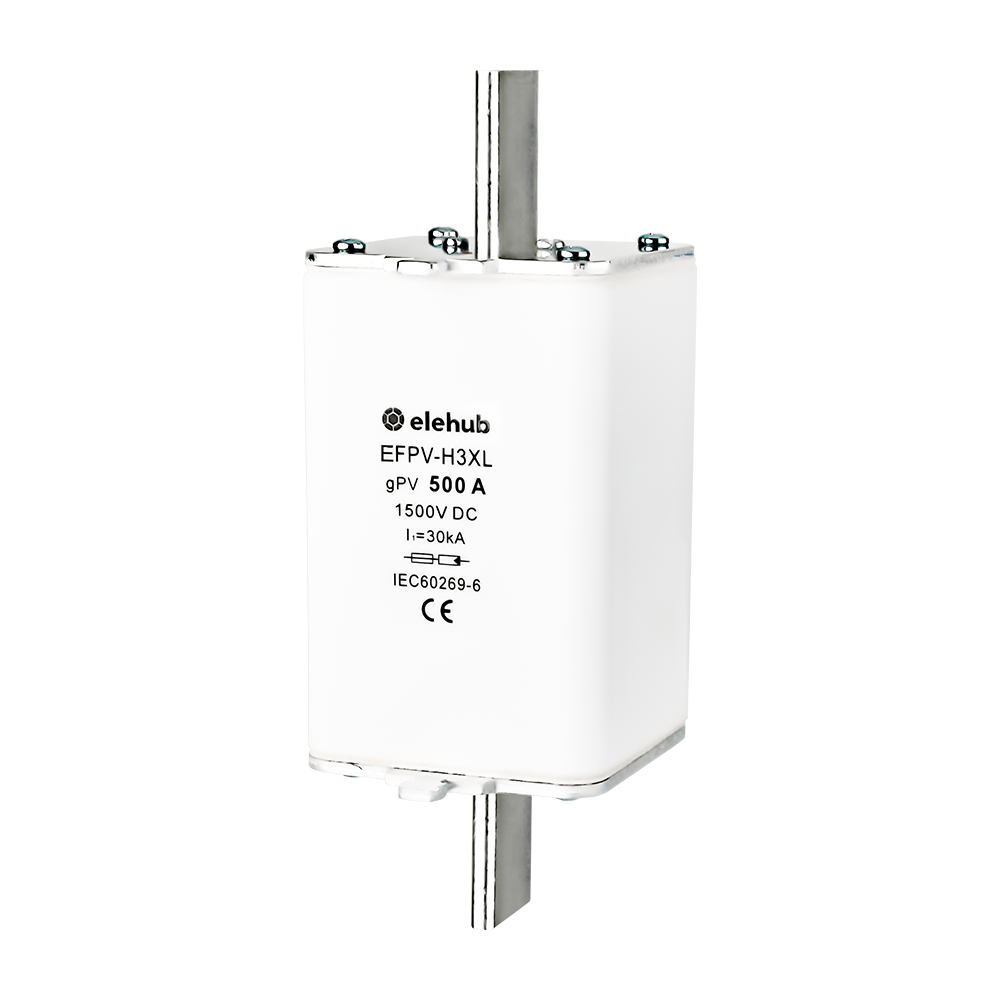
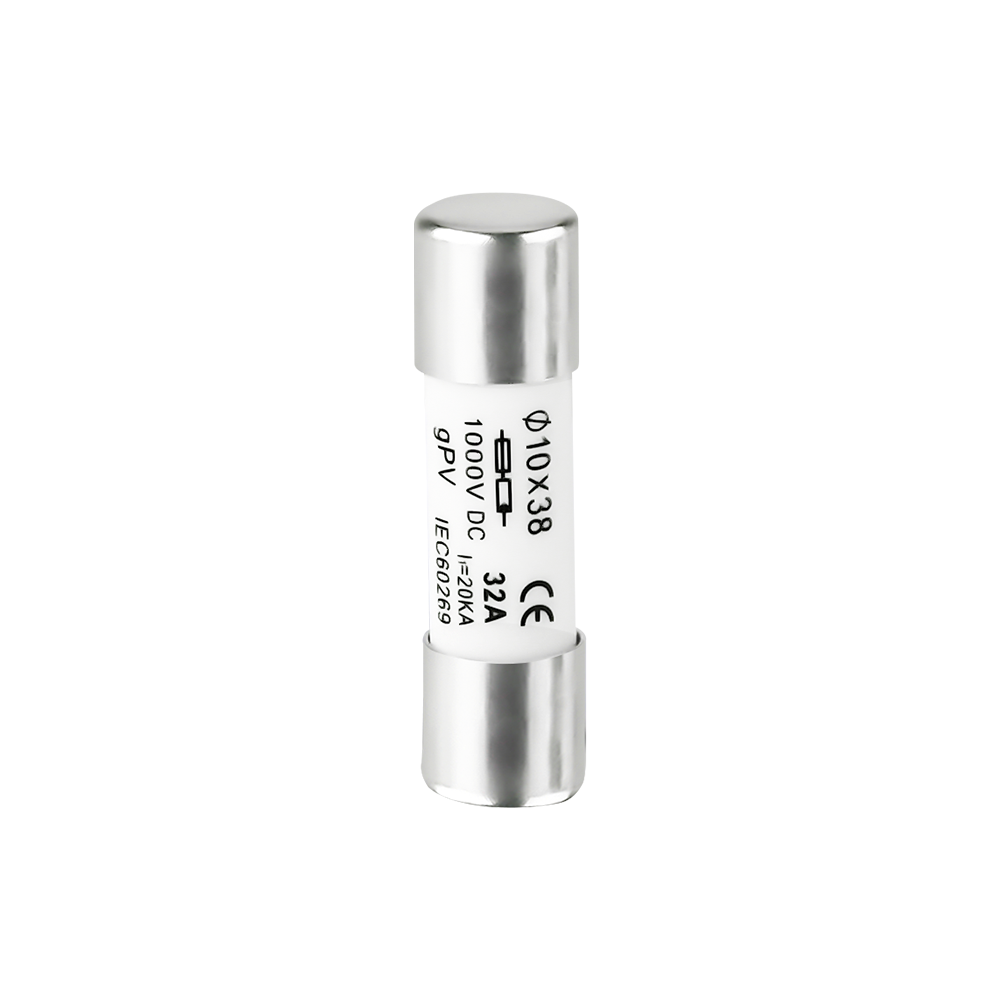
Fuse rating refers to the specific electrical limits a fuse can safely operate within. This limit can be determined by its voltage rating, current rating, and breaking capacity.
Several types of fuses are used in DC systems, including:
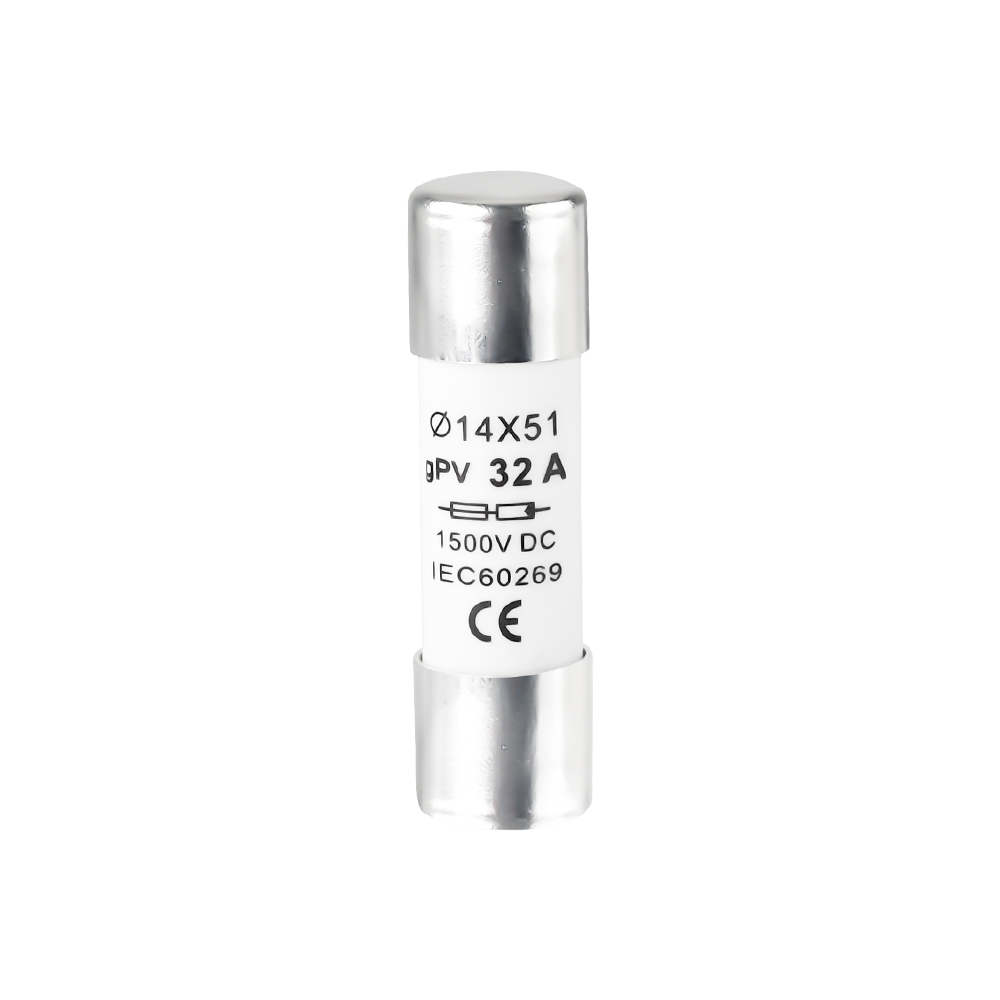
- cartridge fuses
- blade fuses
- resettable (PTC) fuses
- high-speed fuses, etc.
Each kind of fuse is suited to unique applications based on its size, response speed, and capacity. Matching the fuse rating to your application ensures safety, compliance with electrical standards, and reduced risk of failures.
Choosing a Fuse Rating: Key Factors
1. Current Rating

Source: Gettyimages
The current rating of a fuse is the maximum amount of electrical current it can carry continuously without blowing. For example, a 5A fuse is to carry 5 amperes of current continuously under normal operating conditions. Most fuses can tolerate small, brief overcurrents (e.g., 5.25A or 5.5A for a short time) without opening.
The current rating must suit the circuit’s normal operating current to ensure reliable performance. Selecting a fuse with a current rating that is too low can lead to unwanted tripping during regular operation. Also, an overly high rating might allow damaging overcurrents to persist without protection.
The current rating is often indicated on the fuse, as it’s a fundamental specification for proper selection and use.
2. Voltage Rating
The voltage rating is the maximum voltage a fuse can safely interrupt without the risk of electrical arcing. This is important for DC systems due to the constant nature of direct current, making arc suppression more difficult.
A 32V DC fuse might be suitable for automotive or low-voltage control systems, where the operating voltage remains below that threshold.
However, such a fuse would be inappropriate for industrial solar arrays where voltages can reach 125V or more. Always verify that the voltage rating meets or exceeds the system voltage to maintain safe operation under fault conditions.
3. Interrupting Rating
The interrupting rating or breaking capacity refers to the maximum fault current a fuse can safely interrupt without breaking or causing damage. This rating ensures that if a severe overcurrent or short circuit occurs, the fuse can open the circuit safely without becoming a hazard itself.
In high-energy DC systems, where fault currents can spike, selecting a fuse with a sufficient interrupting rating is crucial to prevent fatal failure.
4. Inrush Current
Inrush current refers to the short, high-current surge when specific electrical equipment is powered. Devices like motors, transformers, and power supplies can draw their normal operating current several times during startup. If not properly checked, this surge can cause standard fuses to blow unnecessarily, even under regular operation.
5. Temperature Derating

Source: https://www.eaton.com/us/en-us/products/electronic-components/topics/fuse-technology.html
Temperature derating describes how a fuse’s current-carrying capacity decreases as the ambient temperature rises. This behaviour must be considered when selecting fuses for environments with significant temperature fluctuations.
At higher temperatures, the fuse element heats up more quickly, which can cause it to blow at lower currents than its nominal rating.
Also, a fuse may tolerate higher-than-rated currents in very cold environments before opening. Manufacturers typically provide derating charts to help adjust fuse selection based on expected operating temperatures.
How to Choose the Right Fuse
Selecting the correct fuse for a DC application goes beyond the key factors discussed above. It also involves these key steps:
Define the Protection Objective
First, clarify what the fuse is intended to save. Is it to protect sensitive electronic components and cabling or to prevent circuit damage from overcurrent? Knowing your protection priority will guide the selection of fuse type and speed characteristics.
Understand the Nature of the DC Load
DC loads vary widely; some are constant, others experience fluctuations or heavy startup currents. Electric motors and DC drives may introduce inrush currents or regenerative feedback, which impact fuse behaviour. Understanding the load profile ensures the fuse can handle regular variations without breaking.
Evaluate the Installation Environment
Environmental conditions around the fuse can affect its performance and longevity. High ambient temperatures, dust, moisture, and confined enclosures can impact the fuse’s thermal response.
Maintenance and Replacement Needs
Fuse replacement can affect system downtime, safety, and service logistics in many applications. Ask whether the fuse will be easy to access once blown. Will technicians have clear visual indicators? Are spare fuses standardised across systems? It’s wise to choose fuses that are easy to replace and monitor, like those with built-in indicators.
Ensure Compliance with Standards
Fuses must comply with relevant safety and performance standards, especially in automotive, industrial, and energy sectors. Select fuses that carry the appropriate certifications (e.g., UL, IEC, ISO) and are specifically rated for DC usage. (Learn more about what are UL standards.)
Fuse Sizing for Common DC Applications
Automotive Circuits

Fuses are used in electric vehicles to protect both high- and low-voltage automotive circuits. Fuse sizing in automotive applications must account for steady-state currents and transient conditions, such as inrush currents and regenerative braking.
For example, a DC-DC converter drawing a continuous 40A load might require a fuse rated between 45A and 50A, depending on ambient temperature and mounting conditions.
In EV battery systems, high-voltage fuses (typically rated 400V–1000V DC) with fast blow characteristics help to protect sensitive electronics. For auxiliary circuits (lighting, infotainment), mini-blade or cartridge fuses rated for 12V or 48V DC are commonly used.
Industrial Systems

DC-powered industrial systems like robotics, conveyors, and control panels require precise overcurrent protection due to the sensitivity of the equipment. Fuse sizing must account for normal operating current, startup surges, and system redundancy.
For example, a 24V DC motor circuit drawing 10A nominally might be paired with a 12A or 15A time-delay fuse to tolerate startup currents. Compact DIN-rail-mounted fuses rated for 125V–600V DC are commonly used in control cabinets.
Solar PV Systems
Fuses are used in solar PV systems to protect DC circuits from overcurrent and fault conditions. DC currents in solar systems are continuous and unidirectional, and the solar fuses must interrupt fault conditions even under low-voltage but high-current scenarios.
In string-level protection, each PV string typically uses a fuse rated for 10A–20A, depending on the panel output. These fuses are usually rated for 600V, 1,000V, or 1,500V DC and have high interrupting ratings.
National Electrical Code (NEC) guidelines recommend sizing PV fuses at 1.25 times the maximum expected continuous current. For example, if a string is expected to deliver 8A, the fuse should be rated at least 10A (8A × 1.25) and rounded to the next available standard rating.
Fuse Selection: Common Mistakes
Using an Oversized Fuse
Using a fuse with a current rating much higher than the circuit requires is a dangerous mistake. An oversized fuse may not blow when an overcurrent occurs, allowing excessive current to damage wires and components. Always size the fuse according to the circuit’s load and manufacturer recommendations.
Ignoring Inrush Current
Failing to account for inrush current can lead to fuses blowing unnecessarily during normal equipment startup. This often happens when fast-acting fuses are used in circuits with motors, solenoids, or capacitive loads that momentarily draw high current.
Mismatching Voltage or Interrupting Rating
Selecting a fuse with a voltage or interrupting rating that doesn’t match the system’s requirements can result in risks during a fault. A fuse with an insufficient voltage rating might not extinguish a DC arc properly, while one with a low interrupting rating might rupture violently when exposed to high fault currents.
Neglecting Temperature Derating
Overlooking how ambient temperature affects fuse performance can result in unpredictable behaviour. High temperatures cause fuses to blow at lower-than-rated currents, while cold environments may delay fuse action.
Wrapping Up
Choosing the correct fuse for a DC electrical system is a critical decision that impacts system safety and reliability. The key factors discussed above can help you avoid common hazards and ensure that every fuse installed serves its protective role optimally.
It’s also important to note that identical-looking fuses can have different ratings. So, relying on markings and manufacturer documentation is essential for safe and accurate replacement or design integration.