Solar power has changed from a futuristic concept into a mainstream energy solution powering millions of homes and businesses worldwide.
How does a solar power system work? A solar power system works by capturing photons from sunlight using photovoltaic cells, converting them into direct current (DC) electricity through the photovoltaic effect, then transforming that DC power into alternating current (AC) electricity via inverters for use in homes and businesses or export to the electrical grid.
This seemingly simple process involves sophisticated electrical components, precise engineering, and advanced control systems working together to deliver clean, reliable energy.
From the moment sunlight hits a solar panel to the instant electricity powers your appliances, multiple components and processes coordinate seamlessly to harvest and deliver solar energy. Let’s explore exactly how this remarkable technology transforms abundant sunlight into practical electrical power.
The Photovoltaic Effect of Solar Power Systems
The foundation of how a solar power system works lies in the photovoltaic effect, a quantum mechanical phenomenon discovered by French physicist Alexandre Edmond Becquerel in 1839. This process occurs when photons from sunlight strike semiconductor materials, typically silicon, and knock electrons loose from their atomic bonds, creating an electrical current.
Modern solar cells consist of two layers of silicon that have been chemically treated or “doped” with different materials.
The top layer is doped with phosphorus, creating an abundance of electrons (n-type), while the bottom layer is doped with boron, creating a deficit of electrons or “holes” (p-type). When these two layers are joined, electrons naturally migrate from the n-type layer to the p-type layer, creating an electric field at the junction.
When sunlight strikes the solar cell, photons with sufficient energy knock electrons loose from the silicon atoms.
The electric field at the p-n junction forces these free electrons to flow in one direction, creating direct current electricity. Metal contacts on the front and back of the cell collect this electrical current and channel it through external circuits.
The efficiency of this process depends on several factors, including the quality of the silicon, the wavelength of incoming light, temperature, and the cell’s design. Modern commercial solar cells typically convert 18-22% of incident sunlight into electricity, with laboratory demonstrations achieving efficiencies exceeding 26%.
Step-by-Step Solar System Operation

Source: https://www.electricaltechnology.org/2021/07/solar-power-plant.html
The process begins the moment sunlight contacts the solar panels and continues through several distinct stages.
Stage 1: Light Absorption and Electron Excitation
Solar panels, typically mounted on rooftops or ground-mounted arrays, capture sunlight throughout the day. Each panel contains dozens of individual solar cells connected in series to increase voltage output. When photons strike the silicon surface, they transfer their energy to electrons, elevating them to higher energy states where they can move freely through the semiconductor material.
Stage 2: DC Current Generation
The movement of excited electrons creates direct current electricity at relatively low voltage levels. Individual solar cells typically produce 0.5-0.6 volts, so multiple cells are connected in series within each panel to achieve usable voltage levels, typically 30-40 volts per panel. Multiple panels are then connected in strings to further increase voltage to levels suitable for efficient power conversion.
Stage 3: DC Power Collection and Distribution
The DC electricity generated by solar panels flows through specialized DC electrical components, including combiner boxes, disconnect switches, and monitoring equipment. These components safely manage the high-voltage DC power while providing monitoring and protection capabilities essential for system safety and performance.
Stage 4: Power Conditioning and Conversion
DC electricity from the solar array flows to inverters, sophisticated power electronic devices that convert DC power into AC electricity compatible with household appliances and the electrical grid.
Modern inverters also incorporate maximum power point tracking (MPPT) algorithms that continuously optimize the operating point of solar panels to extract maximum available power under varying conditions.
Stage 5: AC Power Distribution and Grid Integration
The AC electricity produced by inverters flows through electrical panels, meters, and protective equipment before powering electrical loads or exporting to the utility grid.
Smart monitoring systems track energy production, consumption, and grid interaction to optimize system performance and provide valuable operational data.
DC Electrical Components in Solar Power Systems
DC electrical components play a vital role in how a solar power system operates. These specialized components must handle unique challenges that don’t exist in conventional AC electrical systems.

DC Power Distribution Challenges
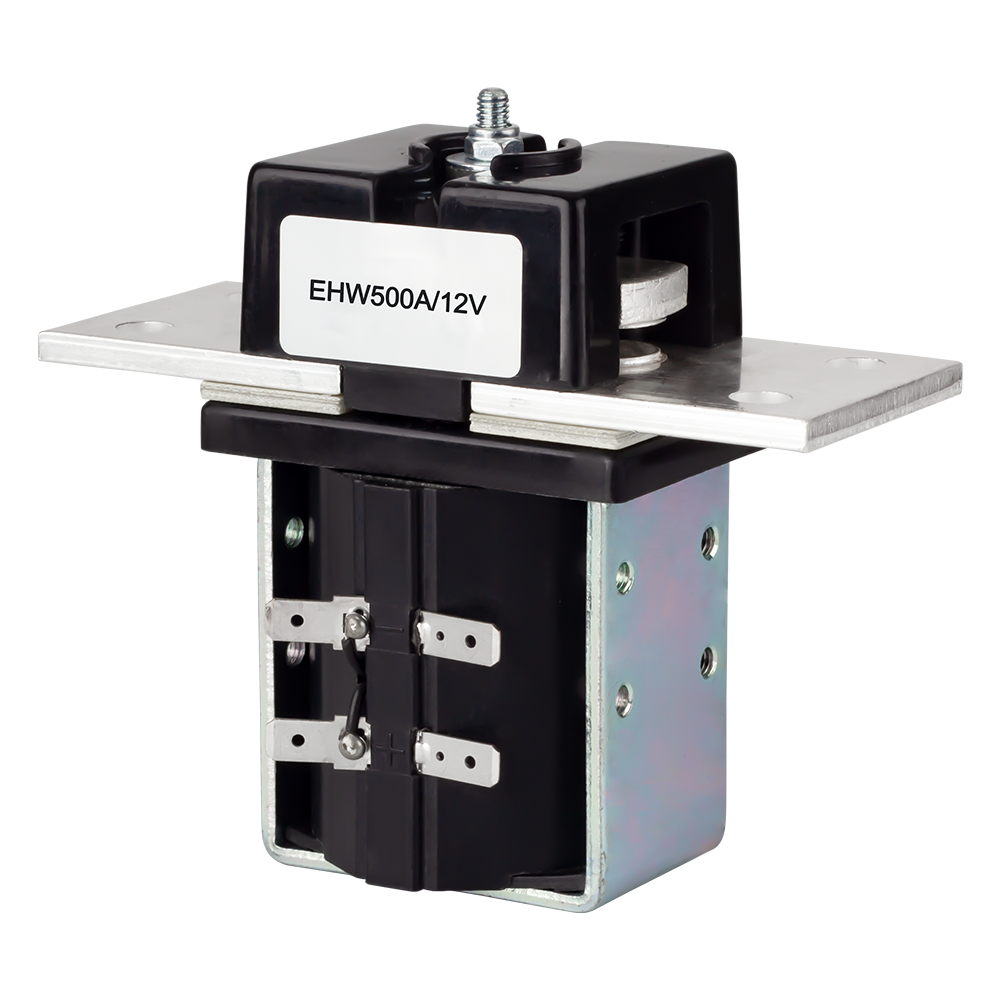
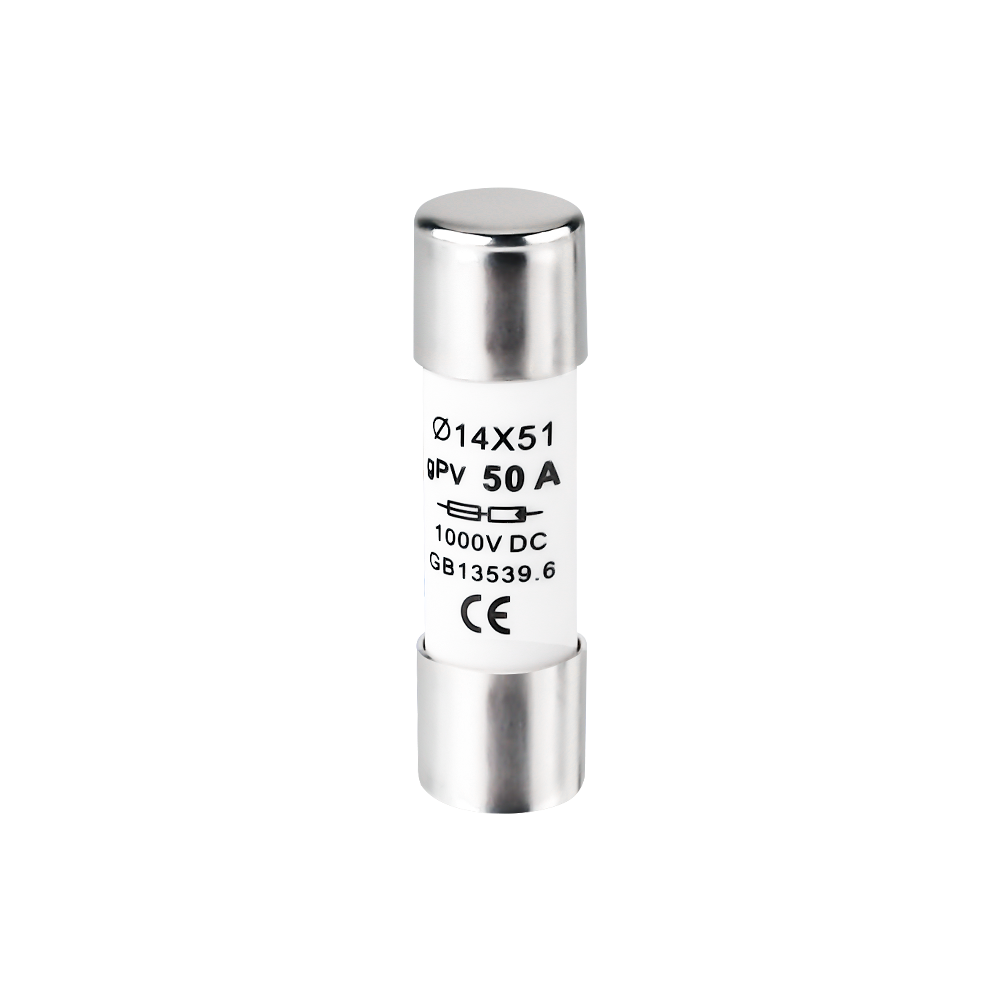
Unlike AC electricity, which naturally reverses direction 60 times per second and easily extinguishes electrical arcs, DC electricity flows continuously in one direction, creating persistent arcs that are difficult to interrupt. This fundamental difference requires specialized DC electrical components designed specifically for solar applications. Battery disconnect switches, circuit breakers, and DC fuses must be rated for DC voltage and current levels while providing reliable arc extinction capabilities.
High-Voltage DC Safety Considerations
Modern solar installations often operate at DC voltages exceeding 600 volts, with some utility-scale systems reaching 1,500 volts or higher. These voltage levels pose significant safety risks that require sophisticated DC electrical components for protection.
Ground fault detection systems monitor for insulation failures that could create dangerous electrical paths to ground, while arc fault detection equipment identifies and interrupts dangerous electrical arcs that could cause fires. (Know more about What Is a Ground Fault & Ground Fault Protection.)
DC Monitoring and Optimization
Advanced DC electrical components enable real-time monitoring of solar system performance at multiple levels. String-level monitoring tracks the performance of individual panel groups, while panel-level optimizers maximize energy harvest from each solar panel independently.
These DC monitoring systems provide crucial data for system optimization, maintenance planning, and troubleshooting, directly impacting how effectively a solar power system works over its operational lifetime.
Combiner Box Functions

DC combiner boxes represent essential electrical components that consolidate multiple panel strings into fewer, higher-current outputs. These boxes include fusing for overcurrent protection, monitoring equipment for performance tracking, and switching capabilities for maintenance isolation.
Modern combiner boxes incorporate sophisticated monitoring and communication capabilities that provide real-time visibility into system operation and enable predictive maintenance strategies.
Rapid Shutdown Requirements
Electrical codes now require rapid shutdown capabilities that quickly reduce DC voltage throughout solar arrays during emergency situations.
This critical safety feature relies on specialized DC electrical components, including rapid shutdown devices, communication systems, and monitoring equipment that can de-energize the system within seconds when activated by emergency responders or automatic safety systems.
The sophisticated DC electrical infrastructure in modern solar installations ensures safe, efficient operation while maximizing energy harvest and providing comprehensive monitoring capabilities. For detailed technical guidance on DC electrical components in solar applications, industry professionals can find comprehensive resources at Elehub.com.
Power Conversion and Grid Integration
Modern inverters accomplish far more than simple DC-to-AC conversion, incorporating advanced features that optimize performance and support grid stability.
1. Maximum Power Point Tracking
Solar panels produce varying amounts of power depending on sunlight intensity, temperature, and shading conditions.
Inverters use maximum power point tracking algorithms that continuously adjust the electrical load on solar panels to extract maximum available power. This dynamic optimization can increase energy harvest by 10-30% compared to systems without MPPT capability.
2. Grid Synchronization and Power Quality
For grid-tied systems, inverters must precisely synchronize their AC output with the utility grid voltage, frequency, and phase.
This synchronization enables seamless power export while maintaining high power quality standards. Modern smart inverters also provide grid support functions, including voltage regulation, frequency response, and reactive power compensation that help stabilize the electrical grid.
3. Anti-Islanding Protection
Safety regulations require inverters to immediately disconnect from the grid during utility outages, preventing dangerous “islanding” conditions where solar systems could energize disconnected grid sections.
Advanced detection algorithms monitor grid conditions continuously and can disconnect within milliseconds of detecting abnormal conditions, protecting utility workers and equipment.
Energy Flow and System Efficiency
Energy losses occur at every stage, from initial photon capture to final AC power delivery, making system optimization crucial for performance.

DC System Losses
DC losses include resistance losses in wiring and connections, mismatch losses between panels with different characteristics, and soiling losses from dust and debris on panel surfaces. High-quality DC electrical components minimize resistance losses, while power optimizers can eliminate mismatch losses by enabling each panel to operate at its optimal power point.
Conversion Efficiency
Modern inverters achieve conversion efficiencies exceeding 95%, meaning less than 5% of DC power is lost during conversion to AC.
However, inverter efficiency varies with load levels, making proper sizing crucial for optimal performance. Advanced inverters maintain high efficiency across wide load ranges, maximizing energy harvest throughout varying daily conditions.
System Monitoring and Optimization
Comprehensive monitoring systems track energy flow at multiple points throughout solar installations, enabling identification of performance issues and optimization opportunities. Real-time data on energy production, consumption, and grid interaction provides valuable insights for maximizing system value and identifying maintenance needs.
Modern solar installations incorporate predictive analytics that use weather forecasts, historical performance data, and machine learning algorithms to optimize system operation automatically. These can predict energy production, adjust settings for maximum efficiency, and schedule maintenance activities to minimize disruption.
Closing Words
Understanding how a solar power system works reveals the sophisticated engineering and advanced technology behind this clean energy solution.
From the quantum mechanical photovoltaic effect in solar cells to the complex power electronics in modern inverters, every component plays a crucial role in converting abundant sunlight into practical electrical power.
The critical importance of DC electrical components cannot be overstated in this process. These components ensure safe, efficient operation of the DC portion of solar systems while enabling optimal energy harvest and comprehensive monitoring capabilities. You can also read A Complete Look at Components of Solar Power Systems to know more about solar power systems.
As solar technology continues advancing, these DC electrical systems become increasingly sophisticated, incorporating smart monitoring, predictive analytics, and advanced safety features.
FAQs
What happens to the electricity after it’s generated by the solar panels?
After generation, DC electricity flows through a series of DC electrical components—such as combiner boxes and disconnect switches—before reaching the inverter, which converts it to AC. From there, the electricity powers appliances or is exported to the grid.
Why are DC electrical components so important in a solar power system?
DC components are essential for safely managing high-voltage DC electricity before it’s converted to AC. They ensure arc suppression, system monitoring, and protection from ground faults and arc faults—factors critical to performance and safety.
What is rapid shutdown in a solar system, and why is it required?
Rapid shutdown is a safety feature that quickly reduces DC voltage in the event of an emergency, such as a fire. It’s mandated by electrical codes to protect first responders and requires specialized DC devices to perform the shutdown.