How do modern power grids manage to maintain a stable electricity supply despite unpredictable renewable energy sources? Or perhaps you’re curious about the technology behind the massive battery installations that are transforming energy infrastructure worldwide? Understanding how battery energy storage systems work is becoming essential as these systems revolutionize how we generate, store, and distribute electrical power.
How Do Battery Energy Storage Systems Work?
Battery Energy Storage Systems (BESS) work by converting electrical energy from the grid or renewable sources into chemical energy for storage in battery cells, then converting that stored chemical energy back into electrical energy when needed.
This process involves sophisticated power electronics, control systems, and energy management software that coordinate charging, storage, and discharge cycles to optimize performance and grid stability.
As renewable energy adoption accelerates and grid modernization advances, BESS technology has become a critical component of sustainable energy infrastructure, providing everything from millisecond grid stabilization to hours of backup power.
Core Components of Battery Energy Storage Systems
Battery Cells and Modules
The heart of any BESS lies in its electrochemical storage components. Understanding how battery energy storage systems work begins with the fundamental battery chemistry:
Lithium-Ion Technology Dominance: Most modern BESS installations utilize lithium-ion battery technology due to its superior energy density, efficiency, and cycle life. Common chemistries include:
- Lithium Iron Phosphate (LFP): Excellent safety and longevity characteristics.
- Nickel Manganese Cobalt (NMC): High energy density for space-constrained applications.
- Lithium Titanate (LTO): Ultra-fast charging capabilities and extreme cycle life.
Cell Configuration and Scaling: Individual battery cells are organized into modules, which are then combined into larger battery packs. This modular approach allows BESS installations to scale from residential systems storing a few kilowatt-hours to utility-scale facilities storing hundreds of megawatt-hours.
Power Conversion Systems (PCS)
The Power Conversion System serves as the crucial interface between the DC battery storage and the AC electrical grid. How battery energy storage systems work depends heavily on these sophisticated electronic systems:
Bidirectional Inverters:
- DC to AC Conversion: Converts stored DC battery power to grid-compatible AC electricity.
- AC to DC Conversion: Converts incoming AC grid power to DC for battery charging.
- Grid Synchronization: Maintains precise voltage, frequency, and phase alignment with grid requirements.
- Power Quality Control: Filters harmonics and maintains clean power output.
Advanced Power Electronics: Modern PCS units incorporate advanced semiconductor technology, including silicon carbide (SiC) and gallium nitride (GaN) components that improve efficiency and reduce system size.
Energy Management Systems (EMS)
The Energy Management System acts as the “brain” of the BESS, coordinating all system operations and optimizing performance:
Real-Time Control Functions:
- State of Charge (SOC) Monitoring: Continuously tracks battery energy levels.
- State of Health (SOH) Assessment: Monitors battery degradation and performance.
- Thermal Management: Controls cooling systems to maintain optimal operating temperatures.
- Safety Monitoring: Implements multiple layers of protective systems.
Grid Integration Software: Advanced algorithms enable BESS to provide various grid services, from frequency regulation to peak shaving, automatically responding to grid conditions and economic signals.
To get more information on this topic, read this article: A Guide to Battery Energy Storage System Components.
Why DC Electrical Components Matter in Modern BESS Installations

While bidirectional inverters handle the transformation between DC and AC, the unsung heroes of a Battery Energy Storage System lie in the DC-side components, ensuring that power moves safely and efficiently within the system.
Core DC Infrastructure
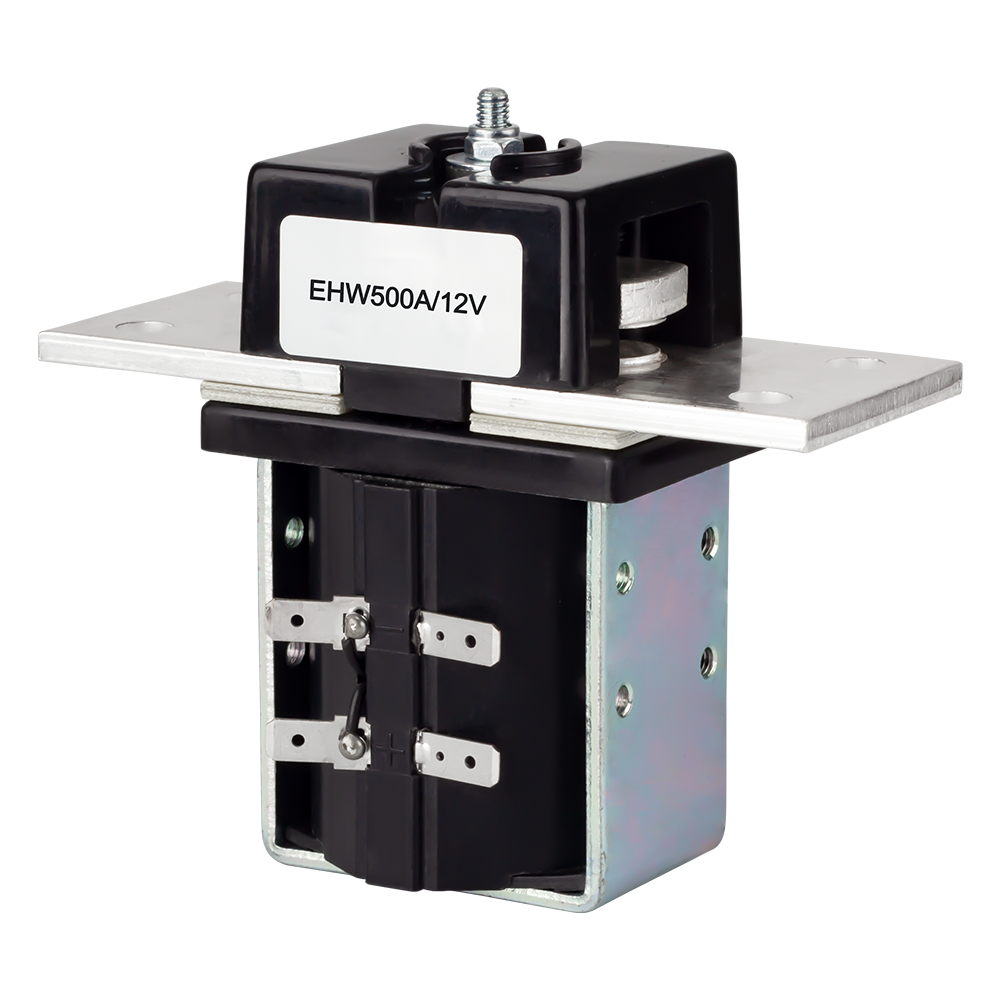
High-performance BESS systems depend on robust DC electrical frameworks. From heavy-duty busbars and DC isolator switches to precision-rated circuit breakers and disconnects, these components manage everything from current flow to fault isolation.
A single weak link, like an undersized conductor or unmonitored thermal connection, can jeopardize the entire system.
Control & Monitoring at the DC Level
Modern systems rely on real-time sensors and intelligent monitoring software to manage current, voltage, and thermal performance at the module and string level. These inputs not only guide energy flow but also alert the EMS of anomalies like arc faults, ground leaks, or thermal imbalances before they escalate.
Safety Built into the Hardware
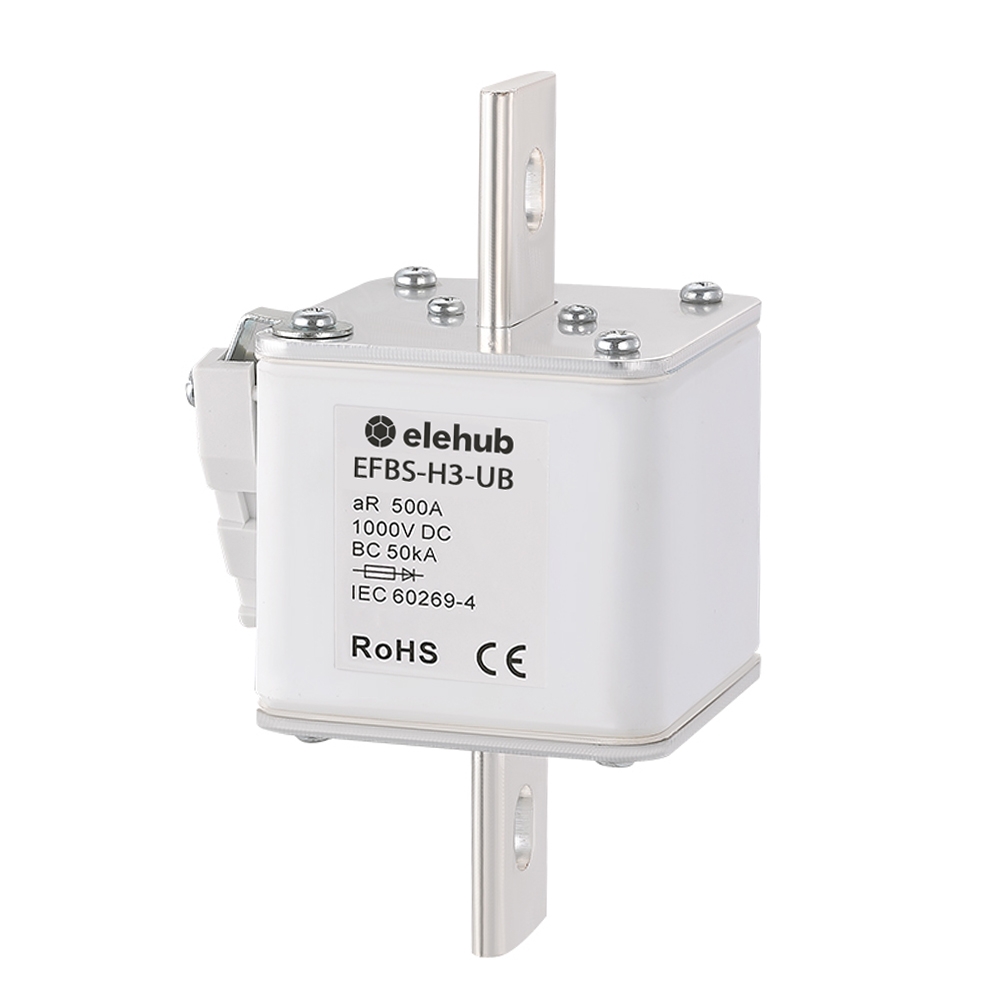
DC faults behave differently from AC. They’re harder to extinguish and more dangerous if not interrupted rapidly. That’s why fast-acting fuses, arc fault detectors, and ground fault monitors are critical.
Quality solutions like those from ELEHUB offer industry-compliant, compact, and scalable options tailored for both commercial and grid-scale BESS environments.
As BESS continues to evolve, integrating cutting-edge DC components ensures not just energy efficiency but operational safety, regulatory compliance, and long-term ROI.
The Charging Process: Storing Energy

Source: https://www.gov.uk/government/news/energy-storage-systems-to-support-ev-drivers-rapidly-charging-on-englands-motorways
Energy Source Integration
Grid Charging: During periods of low electricity demand or low energy prices, the BESS draws power from the electrical grid. The PCS converts incoming AC power to DC, which charges the battery cells through controlled current and voltage profiles.
Renewable Energy Integration: BESS can directly store energy from solar panels, wind turbines, or other renewable sources. This capability enables:
- Time-shifting renewable energy: Storing solar power during the day for evening use.
- Smoothing intermittent generation: Buffering wind power fluctuations
- Grid stabilization: Providing consistent power output despite variable renewable generation.
Charging Control Algorithms
Constant Current/Constant Voltage (CC/CV) Charging: Most lithium-ion BESS use sophisticated charging profiles that optimize battery life:
- Constant Current Phase: Initial charging at maximum safe current rates.
- Constant Voltage Phase: Maintaining voltage while the current gradually decreases.
- Float/Maintenance Phase: Minimal charging to maintain full capacity.
Smart Charging Optimization: Advanced EMS continuously optimizes charging based on:
- Electricity price signals.
- Grid demand forecasts.
- Weather predictions affecting renewable generation.
- Battery degradation minimization algorithms.
The Discharge Process: Delivering Stored Energy
How battery energy storage systems work during discharge involves converting stored chemical energy back to electrical power.

Source: https://www.alphaess.com/the-ultimate-guide-to-battery-energy-storage-systems–bess-
Power Delivery Coordination
Grid Support Functions:
- Peak Shaving: Discharging during high-demand periods to reduce peak loads.
- Load Following: Continuously adjusting output to match changing electricity demand.
- Frequency Regulation: Providing rapid power adjustments to maintain grid frequency.
- Voltage Support: Injecting or absorbing reactive power to maintain voltage levels.
Emergency Backup Power: During grid outages, BESS can seamlessly transition to island mode, providing uninterrupted power to critical loads. Advanced systems can black-start entire grid sections after widespread outages.
Discharge Rate Management
C-Rate Optimization: The discharge rate (C-rate) significantly impacts battery performance and lifespan. BESS control systems optimize discharge rates based on:
- Required power output.
- Battery temperature and condition.
- Remaining energy reserves.
- Grid service requirements.
Thermal Management and Safety Systems
Temperature Control Systems
How battery energy storage systems work safely depends on sophisticated thermal management:
Active Cooling Systems:
- Liquid Cooling: Circulates coolant through battery modules for precise temperature control.
- Air Cooling: Uses fans and air circulation for smaller systems.
- Immersion Cooling: Advanced systems submerge batteries in dielectric fluids.
Thermal Monitoring: Distributed temperature sensors throughout the battery system enable:
- Real-time thermal mapping.
- Hotspot detection and mitigation.
- Predictive thermal management.
- Emergency shutdown triggers.
Safety and Protection Systems
Multi-Layer Safety Architecture:
- Cell-Level Protection: Individual cell monitoring and protection circuits.
- Module-Level Safety: DC contactors and DC fuses for module isolation.
- System-Level Safeguards: Master disconnect switches and emergency shutdown systems.
- Fire Suppression: Specialized fire detection and suppression systems.
Grid Integration and Services

Source: https://energygeneralsolutions.com/battery-energy-storage-system-bess/
Understanding how battery energy storage systems work in grid applications reveals their critical role in power system stability:
Primary Frequency Response: BESS can instantly inject or absorb power in response to frequency deviations, providing a faster response than traditional spinning reserves from fossil fuel generators.
Secondary Frequency Control: Automated generation control signals direct BESS to provide sustained frequency support, replacing the function of load-following power plants.
Ancillary Services Portfolio
Voltage Support: BESS can provide reactive power support to maintain grid voltage within acceptable ranges, particularly important in areas with high renewable penetration.
Black Start Capability: Large BESS installations can provide black start services, helping restart the grid after major outages without requiring external power sources.
Transmission Congestion Relief: Strategically located BESS can reduce transmission line loading by storing energy during low-demand periods and discharging during peak demand.
Economic and Operational Benefits
Revenue Generation Models
Energy Arbitrage: BESS operators can profit by storing energy when prices are low and selling when prices are high, with advanced systems optimizing these transactions continuously.
Capacity Markets: Many grid operators compensate BESS owners for providing reliable capacity during peak demand periods, creating predictable revenue streams.
Ancillary Service Markets: Grid services like frequency regulation often command premium prices, making them attractive applications for BESS installations.
Cost Optimization Strategies
Peak Demand Reduction: Commercial and industrial users deploy BESS to reduce demand charges, which can represent 30-70% of electricity bills.
Time-of-Use Optimization: BESS enables users to shift electricity consumption from expensive peak periods to lower-cost off-peak times.
Power Quality Improvement: BESS can eliminate voltage sags, surges, and harmonics that damage sensitive equipment, reducing maintenance costs and downtime.
Closing Thoughts
Understanding how battery energy storage systems work reveals their transformative potential for modern electrical infrastructure. From millisecond grid stabilization to multi-hour energy shifting, BESS technology enables the integration of renewable energy sources while maintaining reliable, high-quality electrical power.
As battery costs continue declining and performance improves, BESS installations are becoming economically viable for an expanding range of applications. Whether providing backup power for critical facilities, optimizing energy costs for commercial users, or enabling grid-scale renewable energy integration, battery energy storage systems represent a cornerstone technology for the clean energy transition.
The sophisticated integration of electrochemical storage, power electronics, and intelligent control systems makes BESS a versatile solution for diverse energy challenges.