Why the “Fuse vs Circuit Breaker” Matters?
Electrical systems are the foundation of modern living, powering everything from lights to machines. Unprotected, however, these systems are disastrous, starting electrical fires and destroying equipment.
Fuses and circuit breakers are the guardians of this infrastructure, cutting power flow if something is wrong—a short circuit or an overload, for example. While their purposes are identical, their methods and applications vary.
You may recall someone saying, “We blew a fuse,” when the lights went out, or removing a switch in a breaker panel to restore power after a storm. These anecdotes point to the utilitarian purposes the devices fill.
Learning about them and how they are different is not curiosity—about curiosity—but making your home safer, compatible with the electrical requirements of today, and even making your property worth more.
What Is a Fuse? What Is a Fuse Box?
You can know more about fuses in our articles: What is a Fuse?; Exploring Fuse Types (with a Focus on DC Fuses).
Fuse Box Basics
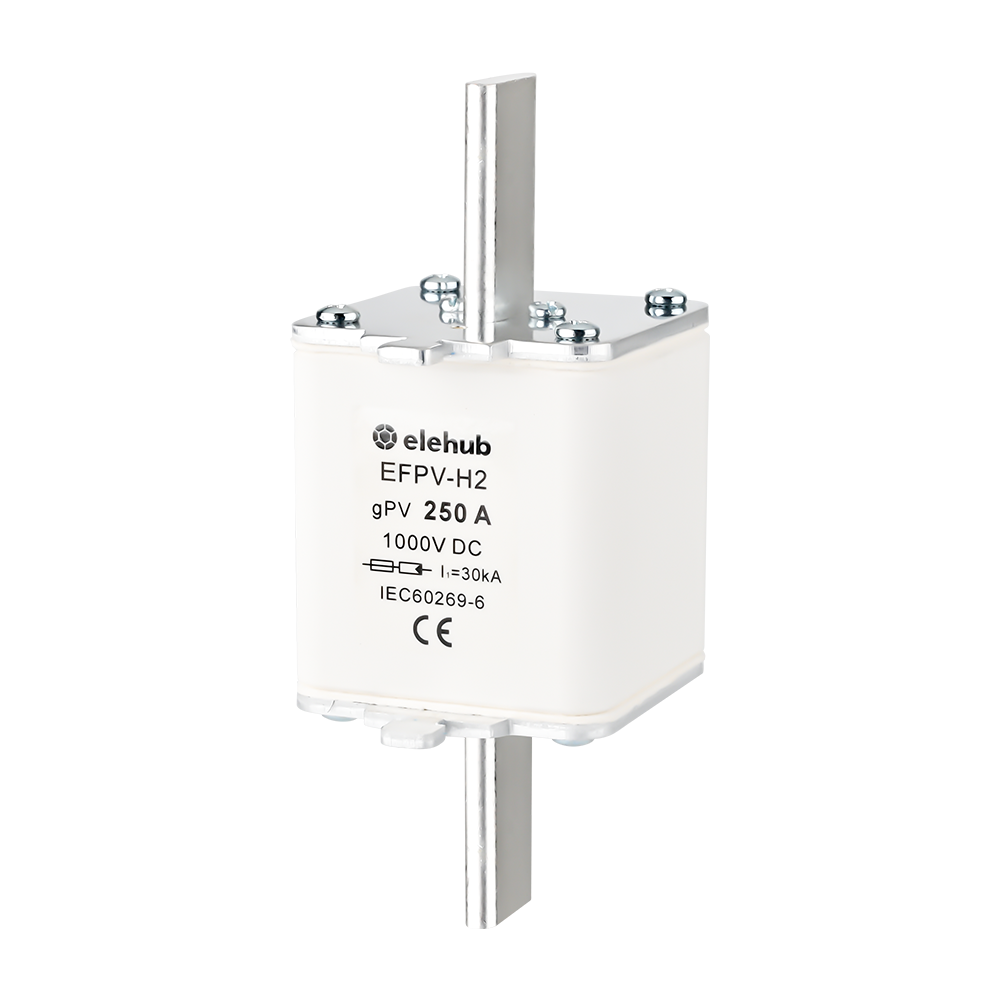
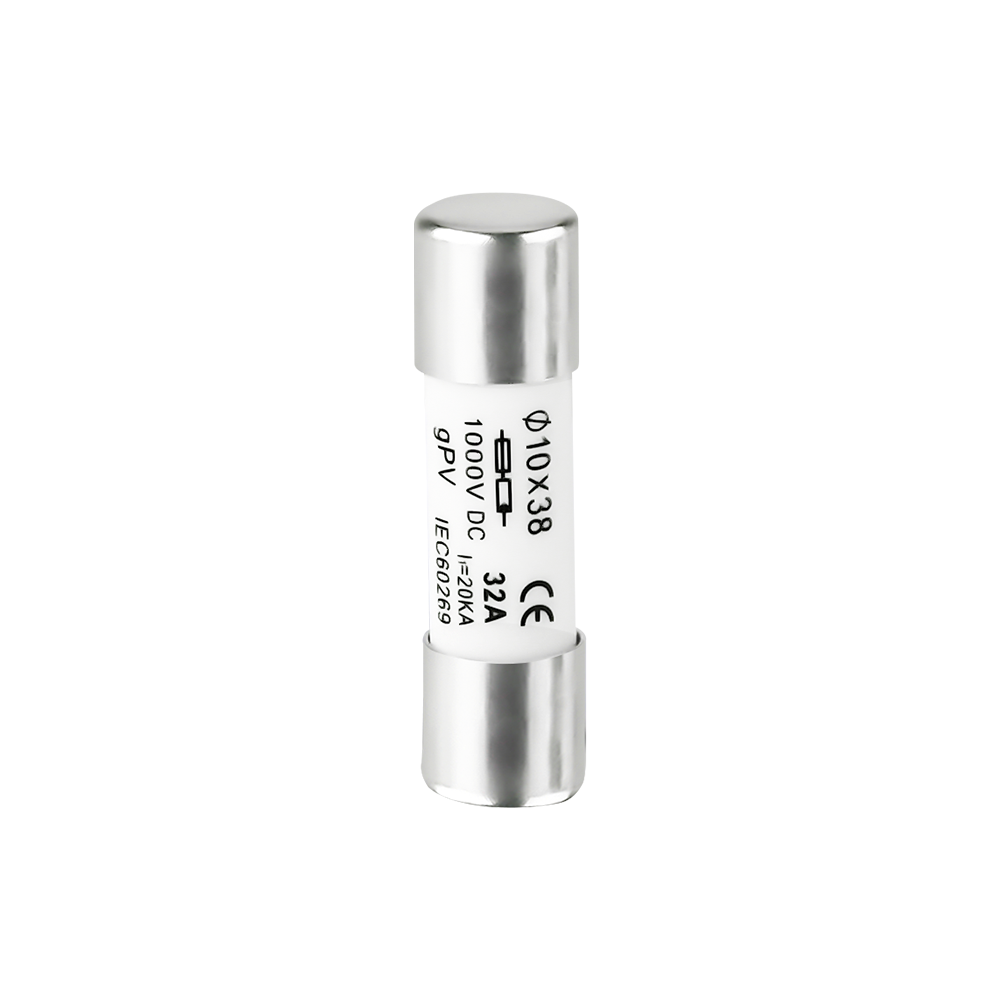
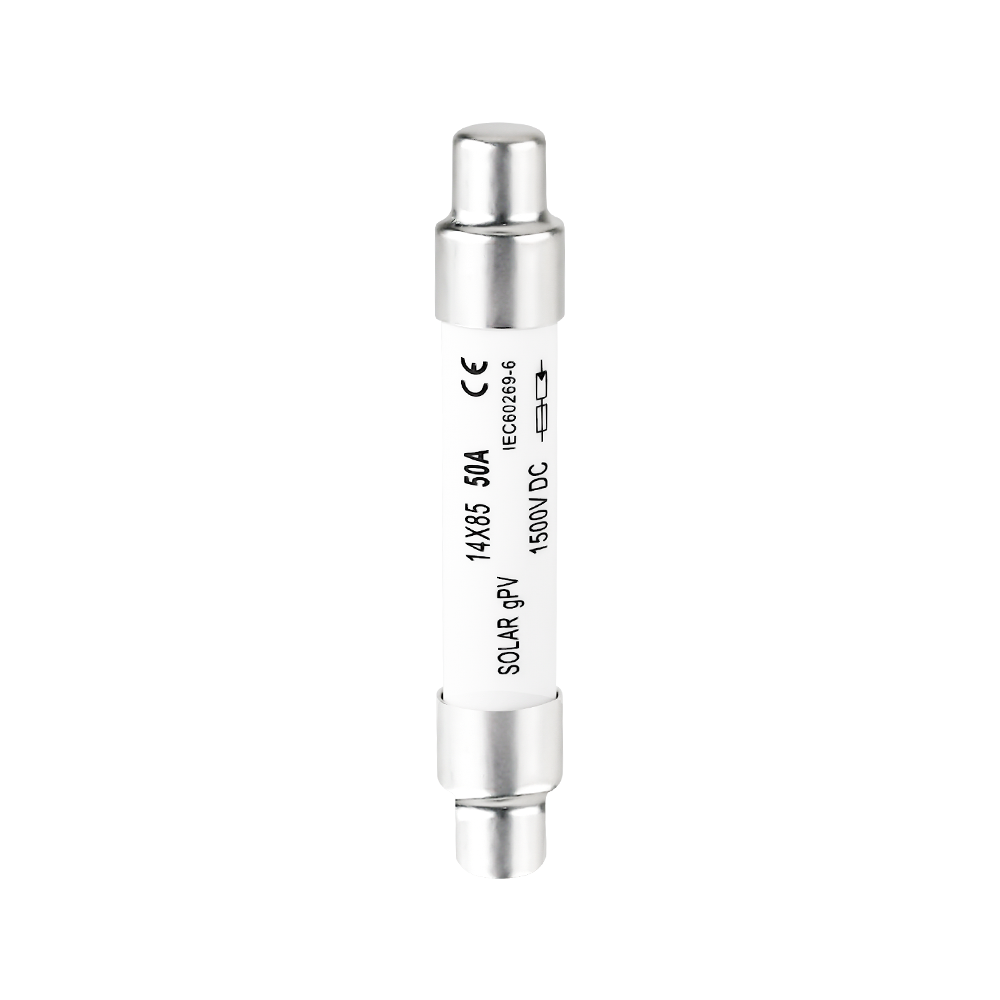
A fuse box, or a fuse panel, is an electric control panel containing fuses—small devices to protect circuits against overcurrent. Usually found in homes built before the 1950s, fuse boxes hold screw-in fuses (light bulb-shaped with a bare wire) or cartridge fuses (cylindrical for heavier currents).
The boxes are typically 60 to 100 amps on older systems, but some upgraded ones are 200 amps. The fuse box acts as the delivery point where the arriving electric service is broken into individual circuits and dispersed to supply power throughout the home.
How Fuses Protect Us
Fuses operate on the simple but brilliant concept that a fragile wire or metal filament that is held inside the fuse melts when there’s an abnormal flow of current, breaking the circuit and disconnecting power.
This system defends against overloads—circumstances where more current than allowed passes through a circuit, as when several appliances of high power are operated together.
Typical ratings for fuses are 3A, 5A, and 13A, each selected according to the device or circuit’s specifications. A lamp, for instance, could be protected by a 5A fuse, blowing only when current is more than 5 amps, thereby saving the device or causing it to burn. Once a fuse blows, it must be replaced, as the destroyed wire cannot be reused.
Fuse boxes remain code-compliant throughout most jurisdictions if properly maintained, even though they are no longer as prevalent due to the improvement in electrical technology.
What Is a Circuit Breaker? How It Works and Modern Uses
Circuit Breaker Basics
You can know more about circuit breakers in our article: What is a Circuit Breaker? An In-Depth Look.
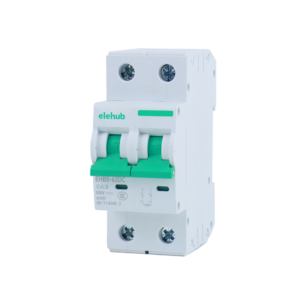
A circuit breaker is an electrical switch housed in a breaker panel that, upon discovering a dangerous condition, interrupts the flow of electricity.
In homes built or renovated after the 1950s, breaker panels have rows of switches, each of which controls a separate circuit. Capacity typically ranges from 100 to 200 amps in residential installations, supporting the demands of modern power consumption.
Breakers come in two general forms: single-pole (120 volts for standard outlets) and double-pole (240 volts for heavy-duty loads like dryers).
Types and Tripping Mechanisms

Circuit breakers employ sophisticated tripping mechanisms to cut off current. The most common type uses a bi-metallic strip that heats up and bends when overcurrent occurs, mechanically tripping the switch into the “off” position.
Alternatively, electromagnetic breakers use a tripping solenoid with high levels of current, offering immediate disconnection. Further sophisticated options, such as Ground Fault Circuit Interrupter (GFCI) and Arc Fault Circuit Interrupter (AFCI) breakers, offer additional protection from ground faults and arcing, respectively.
When a breaker trips—e.g., during a power surge from a faulty appliance—it is reset by moving the switch back to “on,” restoring power without replacement.
Circuit breakers are the standard in modern electrical systems due to their versatility and reliability.
Fuse vs Circuit Breaker: A Comparison
Both fuse and circuit breakers safeguard electrical systems, but with some differences in design and functionality. The following is a comprehensive comparison on key factors:
Operation and Functionality
- Fuse: Based on a thermal principle—a metal filament melts to break the circuit when the current exceeds the fuse rating.
- Circuit Breaker: Employs a mechanical or electromagnetic tripping device to disconnect power, activated by overloads or faults.
Reusability and Maintenance
- Fuse: Single application; a blown fuse is exchanged with a fresh one of adequate rating.
- Circuit Breaker: Reusable; a tripped breaker is simply reset without replacement parts.
Protection Scope
- Fuse: Protects against overloads alone, disconnection of power when current ratings exceed capacity.
- Circuit Breaker: Offers overload and short-circuit protection with higher safety protection.
Response Time and Breaking Capacity
- Fuse: Low response time of 0.002 seconds and low breaking capacity (e.g., 10kA) for small loads.
- Circuit Breaker: High response time of 0.02-0.05 seconds and high breaking capacity (e.g., 20kA+), for handling bigger faults.
Cost Breakdown
- Fuse: Low initial cost (fuses: $5-$15 each), but replacements over the years add up.
- Circuit Breaker: More upfront cost (panel installation: $100-$500+), offset by long-term reuse.
Applications
- Fuse: Ideal for one appliance or older homes with limited electrical needs.
- Circuit Breaker: Ideal for entire-house protection, handling sophisticated appliances and complex wiring.
| Feature | Fuse | Circuit Breaker |
| Operation | Melts (thermal) | Trips (mechanical/electromagnetic) |
| Reusability | Single-use | Resettable |
| Protection | Overloads only | Overloads + short circuits |
| Response Time | 0.002 seconds | 0.02-0.05 seconds |
| Cost | Low upfront, recurring | Higher upfront, long-term savings |
| Application | Devices, older homes | Whole-house, modern homes |
Pros and Cons: Fuses vs Circuit Breakers
| Fuse | Circuit Breaker | |
| Pros | Lowest initial cost | Reusable |
| Simple design, little technical skill | Full protection against overloads and short circuits | |
| Extremely dependable overload protection | Modern standard, with room for large appliances | |
| Cons | Single-use design | Higher installation cost |
| Simple protection | Complex setup | |
| Often insufficient for modern power demands | – |
Fuse Pros:
- Lowest initial cost, single fuses are pennies compared to breaker panels.
- Simple design, little technical skill needed to replace a faulty fuse.
- Extremely dependable overload protection for individual circuits or appliances.
Fuse Cons:
- Single-use design means keeping spare fuses on hand and frequent replacements.
- Simple protection, can’t act on short circuits or complex faults.
- Outdated technology, often insufficient for modern power demands.
Circuit Breaker Pros:
- Reusable, without replacement parts after a trip.
- Full protection against overloads and short circuits, with extra safety.
- Modern standard, with room for large appliances and meeting current building codes.
Circuit Breaker Cons:
- Higher installation cost, particularly for a new breaker panel.
- Complex setup requires professional installation and periodic maintenance.
Want to Upgrade Fuse to a Circuit Breaker?
When It’s Time to Upgrade?
Replace the fuse or fuse box if you notice:
- Frequent Blown Fuses: Overloading or outdated capacity indicator.
- Old Wiring: Knob-and-tube or cloth-insulated wires are a sign of an old system.
- Insufficient Power: New appliances (like HVAC equipment) exceed a 60-amp fuse box capacity.
Benefits of Switching to a Breaker Panel
- Improved Safety: Protection from short circuits prevents fire risks.
- Convenience: Breaking a breaker is faster than replacing fuses.
- Property Value: A new breaker panel lives up to buyer demand and code requirements.
Step-by-Step Replacement Guide (With Safety Tips)
- Consult a Professional: Hire a licensed electrician to inspect the system and ensure compliance.
- Turn Off Power: Switch off the main power at the utility connection to avoid electrocution.
- Label Circuits: Note what fuses regulate which zone for easy rewiring.
- Install the Breaker Panel: The electrician installs the fuse box, wiring to new breakers.
- Test the System: Verify all circuits function as expected after power has been restored.
Safety Tip: Don’t attempt to replace it all by yourself if you’re not a professional. Electrical repair is rife with potential for harm and code-violating danger.
Real-World Scenarios: Fuse or Circuit Breaker?

Scenario 1: Small Apartment with Old Wiring
A small studio with minimal appliances can get by with well-serviced fuses, especially if renovations are not in the plans. Cost savings are more valuable than the level of protection.
Scenario 2: New Home with Heavy Appliances
A house with an HVAC system, electric stove, and multiple electronics needs the capacity and versatility of a circuit breaker to manage heavy loads and breakdowns.
Scenario 3: Renovating an Older Property
In a renovation, the replacement of a breaker panel will keep your house current and allow for future expansions, like an office or EV charging station.
Choosing the Best Equipment Supplier for Electrical Safety
Fuses and circuit breakers both have their place in electrical history and application. Fuses and fuse boxes are simple and inexpensive, thus they are good enough for old houses with low demands.
Circuit breakers are safer, reusable, and adaptable to modern lifestyles and thus the pick for most current homes. Should your home be reliant on a vintage fuse box, a change to a breaker panel can increase safety, ease, and ultimate value.
For dependable electrical solutions, think ELEHUB—a reputable electrical components manufacturer providing high-quality circuit breakers, DC fuses, and accessories that will make clients’ and your systems safe and efficient. Contact ELEHUB today for more product information!
FAQ
How to tell a fuse box or circuit breaker?
Check your electrical panel. A series of switches indicates you have a breaker panel; round fuses or cartridge slots indicate you have a fuse box.
Are fuse boxes still legal in 2026?
Yes, if they are well maintained and code-compliant, but many areas do recommend upgrades for safety.
What’s faster: a fuse or a breaker?
Fuses react quicker (0.002 seconds) but provide less protection than breakers (0.02-0.05 seconds).
Can homes use fuse boxes instead of breakers?
Yes, homes can use fuse boxes instead of breakers if they meet local codes. However, fuse boxes are less convenient, and lack short-circuit protection, making circuit breakers safer and more practical for modern electrical and safety demands.