We depend on electrical systems for powering anything from our homes to our businesses and industrial operations. The increased use of electricity brings with it more demand for safety measures to protect its users against electrical hazards.
The circuit breaker is one of the most critical safety devices for any electrical system. Understanding the purpose and functions of circuit breakers is essential to ensure electrical safety. This guide will discuss the working mechanisms, applications, and the need for circuit breakers in residential and commercial electrical systems.
What Is a Circuit Breaker and Why Does It Matter?
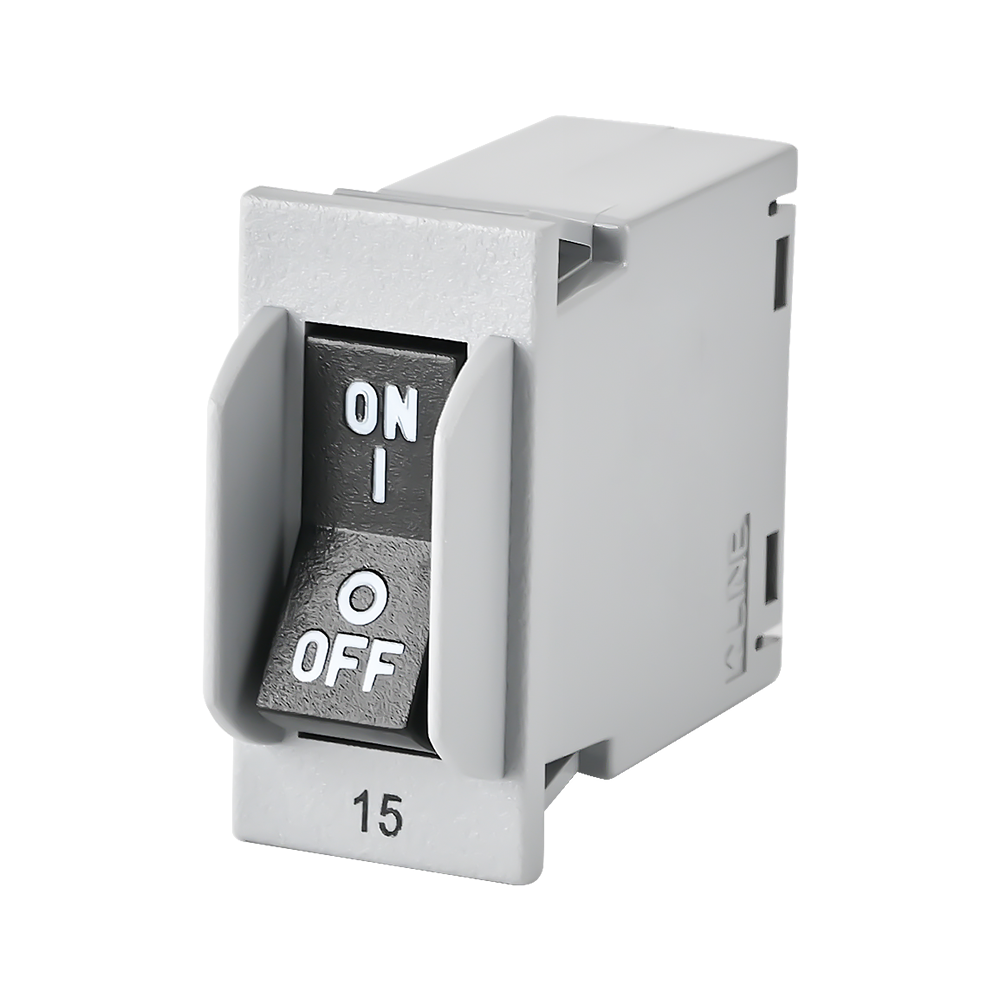
A circuit breaker is an automatic switch that controls the flow of electricity in an electrical circuit. The function of the circuit breaker is to stop the flow of electricity when the current in it exceeds a certain threshold to protect electrical appliances, and wiring, and prevent fire hazards.
Without circuit breakers, electrical systems would be exposed to short circuits, overloads, and other conditions that could result in catastrophic failures.
Purpose of Circuit Breakers
Circuit breakers, therefore, are devices that protect electrical systems by disconnecting electricity from the circuit during an overload or short circuit as it detects the presence of an excess electrical current. They are essentially a protection device that prevents damage to electrical equipment and helps mitigate fire hazards arising from overheating or faulty wiring.
Whether in homes, commercial buildings, or industries, circuit breakers are implemented to maintain electrical systems’ safe and efficient operation.
How Do Circuit Breakers Work?

Circuit breakers come in many types. Each type deals with a different level of electrical current and protection for different electrical systems.
A typical circuit breaker has a mechanical switch coupled with electromagnets and bimetallic strips. The electromagnet or strip is sensitive to electrical current. If overload or short-circuit conditions set in, any excess current would magnetize the switch and pull it through a lever, or the excessive current could bend a bimetallic strip. This is in such a way as to trip the breaker and kill the power to the circuit to prevent damage. Read more: How Does Circuit Breaker Work? Working Principle Explained
Types of Circuit Breakers:
- Thermal-Magnetic Circuit Breakers: These are the most common in residential and industrial circuit protection. They combine thermal and magnetic protection. The thermal part responds to overloads, whereas the magnetic part responds to short circuits.
- Ground Fault Circuit Interrupters (GFCI): These protect against electric shocks, particularly in wet areas such as kitchens, bathrooms, and outdoors.
- Arc Fault Circuit Interrupters (AFCI): They immediately disconnect power after detecting electrical arcs – uncontrolled electrical discharges that can lead to fires.
Circuit Breaker Applications in Different Settings
| Types | Applications |
| Residential Circuit Breakers | In homes, they protect electrical circuits that power common household appliances and lighting. |
| Commercial Circuit Breakers | In office buildings, retail spaces, and other commercial properties. They can handle larger loads from heating, ventilation, air conditioning (HVAC), and lighting systems. |
| Industrial Circuit Breakers | For industrial facilities with high-power machinery, motors, and manufacturing systems. |
| High-Voltage Breakers | Used in power distribution stations and heavy industrial applications, where the electrical current can be extremely high. |
Key Functions of Circuit Breakers (in Residential, Commercial, and Industrial Settings)

1. Overload Protection
When too many devices or appliances are plugged into a circuit, it can draw more current than the circuit is rated to handle. This can lead to overheating, which could melt wires and ignite a fire.
Circuit breakers prevent this by automatically cutting off power when too much current goes through.
- Residential Use: In homes, circuit breakers are extremely important in ensuring home appliances (refrigerators, air conditioners, microwaves, etc.) do not overload circuits.
- Commercial and Industrial Use: Industrial circuit breakers are relevant for protecting huge electrical systems like HVAC systems, heavy machinery, and power distribution panels in larger settings.
2. Short Circuit Protection
A low-resistance connection is introduced between two conductors due to a fault in the wiring or appliance. The current rises rapidly creating enough heat to potentially burn and ignite fire. Circuit breakers are designed to sense short circuits and cut off power instantly to limit this damage.
Commercial Settings: Short circuit protection is critical to safeguard that electrical faults do not disrupt operations or cause fires in office buildings, retail spaces, and warehouses.
3. Ground Fault Protection
A ground fault happens when electricity flees the intended path. The area that needs this protection will be high risk, so GFCI breakers are installed on grounds protecting against shock and fire.
- Residential Use: GFCIs will be installed in kitchens, bathrooms, and outdoor outlets to avoid hazards of electricity in damp places.
- Industrial Use: Ground fault protection assumes extreme importance in industrial applications. It ensures safety when dealing with heavy machinery and high-voltage systems.
4. Arc Fault Protection
Arcing occurs when the electrical current jumps across the gap due to several factors. This might ignite sparks. The AFCI finds these arcs and disconnects them at once.
Commercial and Industrial Use: They are critical in protecting regions around highly sensitive machinery, power distribution systems, and areas posing a high fire risk, such as manufacturing plants.
What Causes a Circuit Breaker to Trip?

1. Electrical Overload: The greatest cause for which a breaker trips. Electrical devices pulling too much on the circuit would normally trip the breaker outright to prevent overheating the circuit.
2. Short Circuit: It happens when the hot wire contacts the neutral wire or the ground so that an excessive surge occurs in the electrical current at the circuit.
3. Ground Fault: Electricity is found flowing in an unintentional path such as through a person or water between a load and the ground providing a shocking or fire hazard.
How to Reset a Circuit Breaker After It Trips?
1. Identify the Tripped Breaker: Open the breaker panel. Look for the breaker in the middle position between “on” and “off.”
2. Unplug Devices: If the breaker tripped, unplug devices or appliances on the affected circuit.
3. Switch the Breaker: Switch the tripped breaker to the “off” position and then to the “on” position. Ensure that the circuit is not overloaded before resetting.
4. Call an Electrician: If the breaker continues to trip after resetting it, there may be an issue with the wiring or the circuit. Call a professional electrician.
Circuit Breaker Maintenance for Better Performance

Residential Circuit Breaker Maintenance: The circuit breakers in homes must be frequently checked and replaced if there are signs of wear or damage.
Commercial and Industrial Circuit Breaker Maintenance: They require routine maintenance checks to ensure smooth operation without detection of electrical faults for business and industrial circuit breakers.
Summary
Circuit breakers are essential in protecting electrical systems in residential, commercial, and industrial environments. They can prevent electrical hazards, minimize the effects of fire, and ensure the effective operation of electrical systems. It is necessary for every owner, business operator, and even every industrial operator to understand the purposes of circuit breakers and their operation modes.
About ELEHUB
ELEHUB is one of the major suppliers of advanced electrical solutions for electric vehicles, solar energy, energy storage systems, and other industries.
Having been a DC electrical components manufacturer in the industry for many years, ELEHUB has built a reputation as a valued partner for companies and organizations seeking reliable, high-performance solutions to power system needs.
At ELEHUB, we work hard to offer high-performance and innovative solutions concerning the needs of individual applications. We are one of the top high voltage DC contactor suppliers in China.
Moreover, our portfolio comprises high-voltage DC contactors, circuit breakers, and DC protective switches, among other devices, with superior quality and reliability standards to ensure optimum performance even under demanding conditions.
FAQ
What is the main purpose of a circuit breaker?
The circuit breaker serves as the safety device for the electrical systems. It automatically interrupts its power flow when there is an overload, short circuit, or ground fault. This helps to prevent electrical fires, damage to equipment, and ensure the safety of the electrical systems in residential and industrial.
How does a circuit breaker work?
A circuit breaker detects an increase in current within the circuit. If such a current exceeds a threshold point, a breaker trips, cutting off the power to prevent damage. There are two operational mechanisms in circuit breakers: the electromagnet mechanism and the bimetallic strip mechanism
Can I reset a circuit breaker myself?
Yes, they are absolutely safe to reset circuit breakers, by flipping the breaker switch back to the “on” position after the issue causing the trip is resolved. However, if the breaker trips frequently or will not lock back in, it is advisable to reach out to a licensed electrician to investigate the electrical system.
How do I know if my circuit breaker is faulty?
Here are some signs that you should pay attention to. If you notice any of these signs, you should replace the breaker or consult an electrician for professional advice.
- Frequent tripping without an obvious cause.
- A breaker that won’t reset properly.
- Physical damage to the breaker (like burns, corrosion, or a hot breaker box).
- A burning smell or smoke from the breaker panel.
What’s the difference between a DC circuit breaker and a fuse?
Both DC circuit breakers and DC fuses serve the same purpose. However, a circuit breaker is reusable—it can be reset after tripping, while a fuse needs to be replaced once it has blown. Circuit breakers are more convenient for long-term use. They offer better protection and don’t need to be replaced after each incident. Learn More!
Are circuit breakers required in every home and business?
Yes, circuit breakers are necessary in all modern homes and businesses. They are crucial for ensuring electrical safety by protecting wiring and preventing electrical hazards. Moreover, certain specialized breakers (like GFCIs and AFCIs) are required in specific areas (e.g., bathrooms, kitchens, and living spaces).