The electric vehicle revolution is modernizing transportation, and with it comes the critical need for robust and reliable charging infrastructure. Behind every successful EV charging station lies a complex network of EV charging station components working in harmony to deliver safe, efficient power transfer from the grid to vehicle batteries.
Understanding the essential components of EV charging stations is crucial for anyone involved in planning, installing, or maintaining charging infrastructure. From power delivery systems to safety mechanisms, each element plays a vital role in ensuring reliable operation and user safety.
The Foundation: Power Delivery Systems

Source: https://zdwl-tec.com/news/ev-charging-station-power-transformation-and-distribution-system/
Power Conversion and Control
At the heart of every EV charging station lies the power conversion system, responsible for converting AC grid power into the DC power required by most electric vehicle batteries.
This conversion process involves sophisticated power electronics that must handle high voltages and currents while maintaining efficiency and safety.
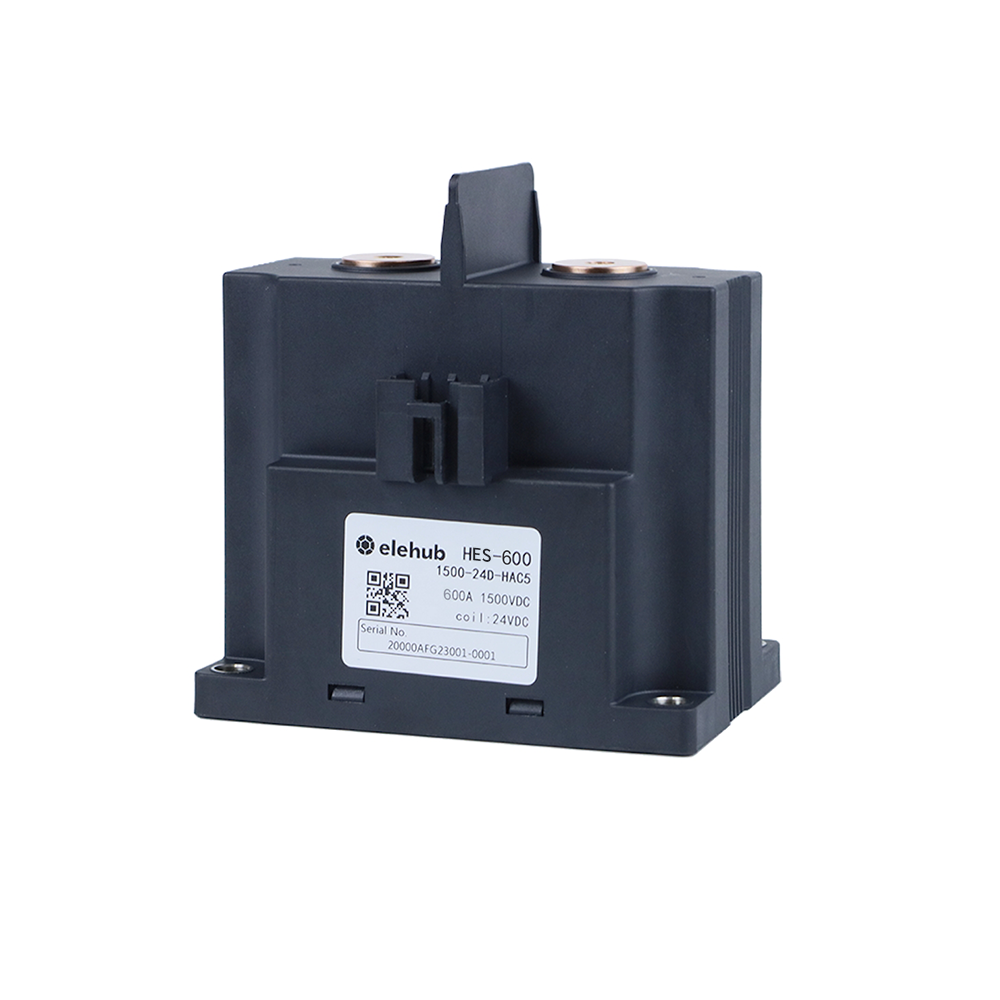
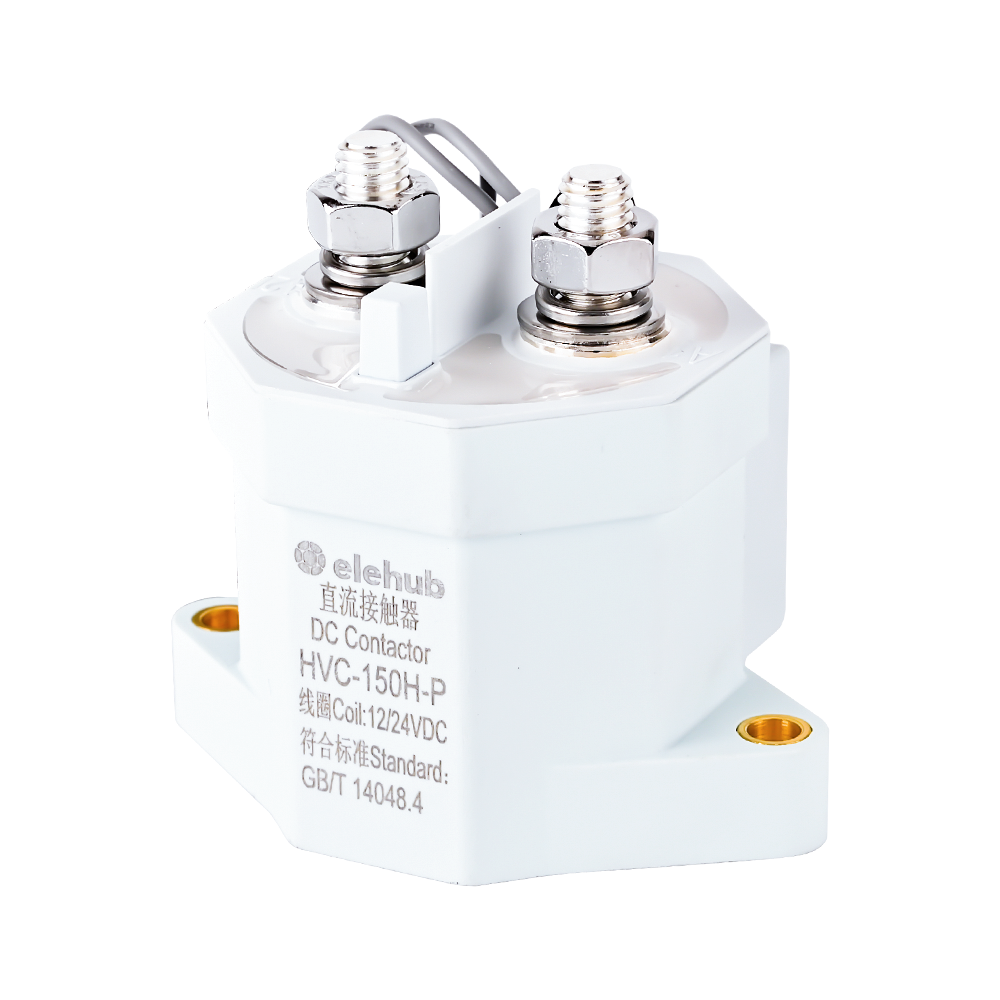
DC Contactors and Switching Systems: High-voltage DC contactors serve as the primary switching devices in EV charging stations, controlling power flow to vehicle batteries. These specialized components must handle the unique challenges of DC switching, including arc extinction without natural current zero-crossings.
ELEHUB’s high-voltage DC contactors are explicitly engineered for E-mobility applications, providing reliable switching performance under the demanding conditions of EV charging.
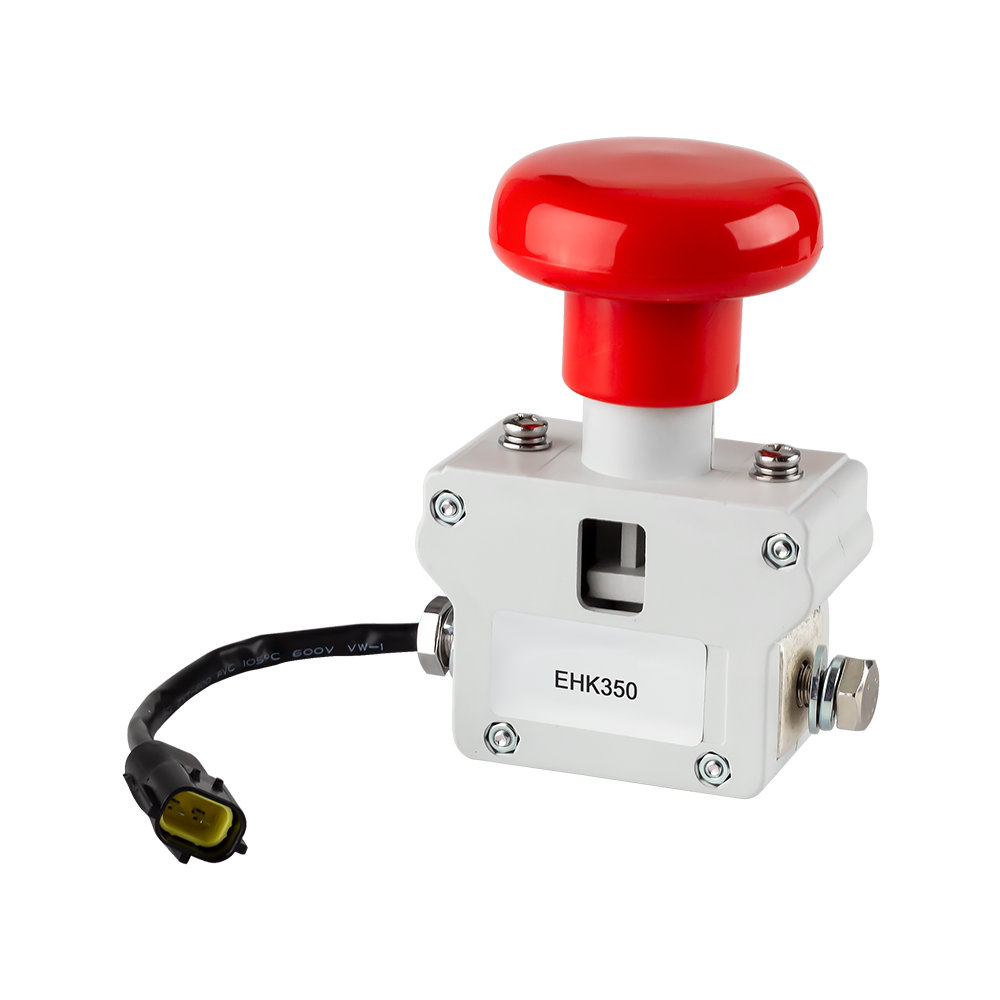
The switching system also includes DC isolator switches that provide safe disconnection points for maintenance and emergency situations. These components must be rated for the high DC voltages present in fast-charging applications, typically ranging from 400V to 1000V or higher.
Power Electronics and Inverter Systems
Modern EV charging stations rely on advanced power electronics to convert and condition electrical power. These systems include AC-to-DC converters, power factor correction circuits, and sophisticated control algorithms that optimize charging efficiency while protecting both the charging station and connected vehicles.
The inverter systems must handle variable loads as vehicles with different battery capacities and charging requirements connect to the station. This requires robust design and high-quality components that can withstand frequent load changes and extended operation periods.
Critical Safety and Protection Components
Circuit Protection Systems
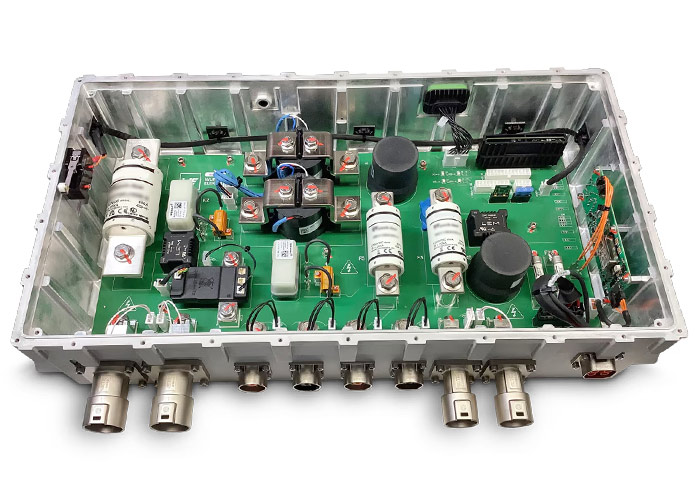
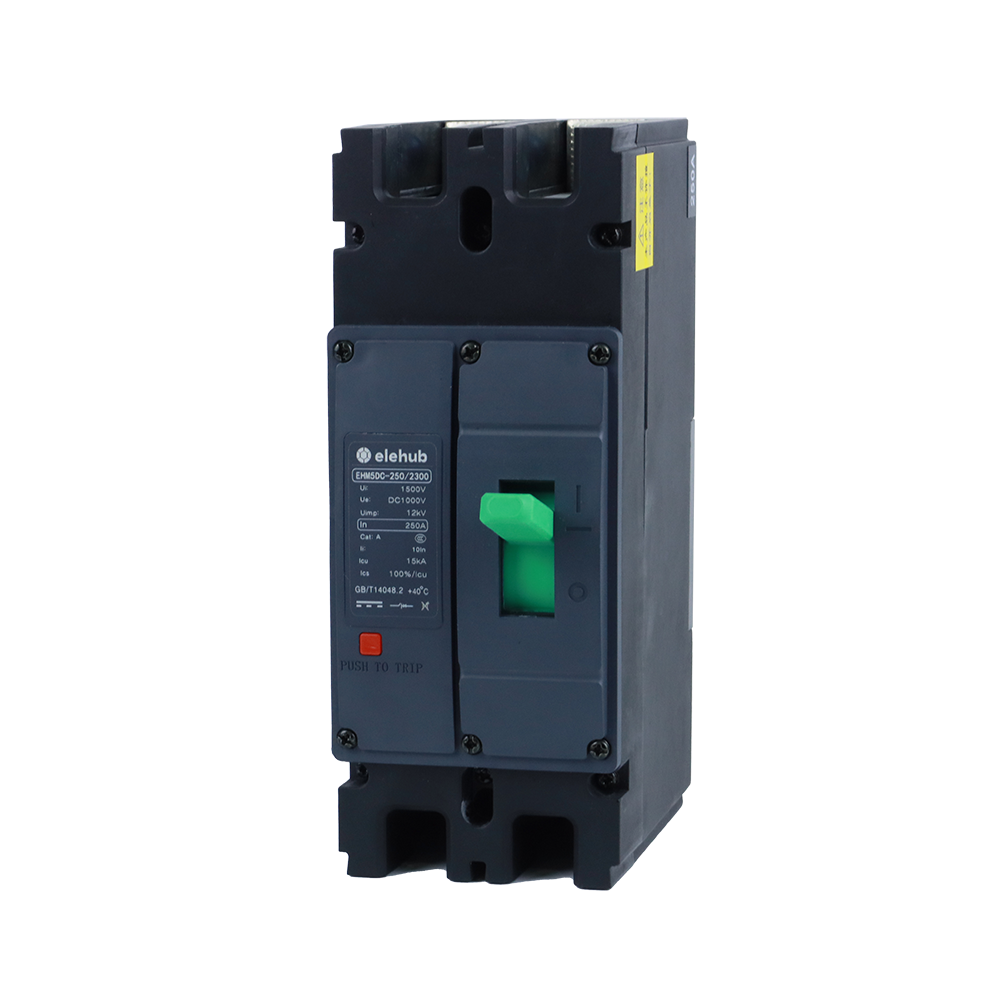
DC Circuit Breakers: Protecting EV charging stations from overcurrent conditions requires specialized DC circuit breakers capable of safely interrupting fault currents in DC systems. Unlike AC circuit breakers, DC breakers must physically force arc extinction through advanced arc-chute designs and magnetic blow-out systems.
ELEHUB manufactures robust DC circuit breakers specifically designed for E-mobility applications, providing reliable overcurrent protection while handling the unique challenges of DC fault interruption. These devices are essential for protecting expensive power electronics and ensuring safe operation under all conditions.
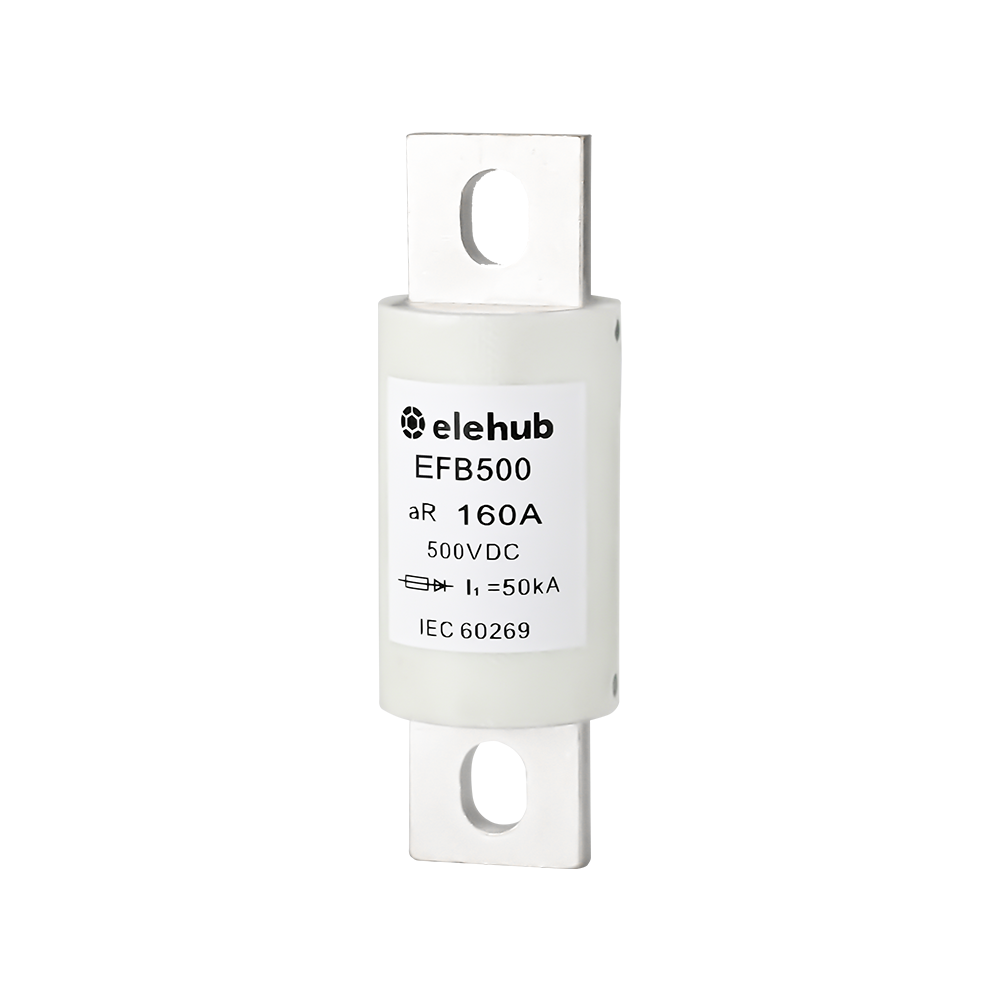
DC Fuses: Complementing circuit breakers, DC fuses provide fast-acting protection against severe overcurrent conditions. These specialized fuses must be rated for DC voltage and current characteristics, with arc extinction properties specifically designed for direct current applications.
The continuous current flow in DC systems requires fuses designed to safely interrupt fault currents without the natural current zeros present in AC systems. This makes DC fuse selection critical for EV charging station safety and reliability.
Surge Protection Systems

Source: https://www.evb.com/surge-protection-for-ev-chargers/
DC Surge Protection Devices (SPDs): EV charging stations face constant exposure to electrical surges from grid disturbances, lightning strikes, and switching operations. DC surge protection devices protect sensitive power electronics from voltage spikes that could cause catastrophic damage.
Quality DC SPDs designed for EV applications must handle high DC voltages while providing fast response times to protect sensitive control circuits and power electronics. The selection of appropriate surge protection devices is crucial for maintaining system reliability and preventing costly downtime.
Grounding and Bonding Systems: Comprehensive grounding systems provide the foundation for electrical safety in EV charging stations. Proper grounding ensures safe operation during normal conditions and provides safe paths for fault currents during abnormal conditions.
The grounding system must accommodate both AC and DC portions of the charging station, with careful attention to preventing ground loops and ensuring proper operation of ground fault protection systems.
Control and Communication Systems
Charging Control Units
Microprocessor-Based Controllers: Modern EV charging stations incorporate sophisticated control systems that manage the entire charging process.
These controllers communicate with connected vehicles to determine optimal charging parameters, monitor system status, and ensure safe operation throughout the charging cycle.
The control systems must handle real-time communication with vehicles using protocols like CCS (Combined Charging System) or CHAdeMO, while simultaneously monitoring internal system parameters and responding to changing conditions.
User Interface Systems: The human-machine interface (HMI) provides the connection between users and the charging system. This includes touchscreen displays, card readers, and mobile app connectivity that allow users to initiate charging sessions, monitor progress, and complete transactions.
Network Communication Systems
Grid Communication: Many EV charging stations incorporate smart grid communication capabilities that allow coordination with utility systems for load management, demand response, and grid stability support. These systems help optimize charging schedules and reduce peak demand charges.
Remote Monitoring: Advanced charging stations include remote monitoring capabilities that allow operators to track system performance, identify maintenance needs, and respond to operational issues from central control centers.
Current Measurement and Monitoring: DC Current Shunts

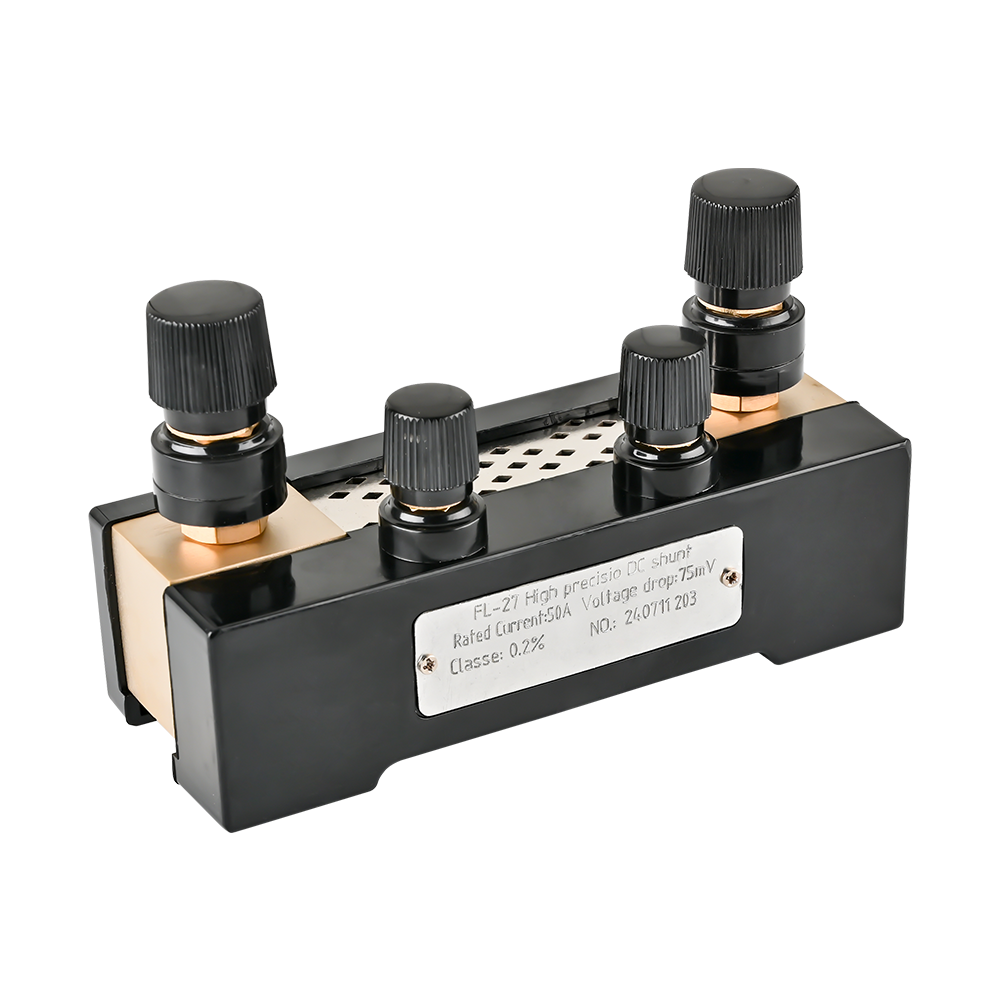
Precision Current Measurement: Accurate current measurement is essential for proper billing, safety monitoring, and system control in EV charging applications. DC shunts provide precise current measurement by creating a small, calibrated voltage drop proportional to the current flow.
System Monitoring: Current shunts enable real-time monitoring of charging station performance, allowing operators to track energy delivery, identify potential issues, and optimize system operation. This data is crucial for maintenance planning and system optimization.
Physical Infrastructure Components
Enclosures and Environmental Protection
Weather-Resistant Housings: EV charging stations must operate reliably in all weather conditions, necessitating robust enclosures that shield sensitive electronics from moisture, dust, and extreme temperatures.
These enclosures must also provide adequate ventilation to prevent overheating during high-power charging operations.
Thermal Management: High-power charging generates significant heat that must be effectively managed to ensure reliable operation and component longevity. This includes both passive cooling through proper ventilation and active cooling systems for high-power applications.
Cable Management and Connectors
High-Current Cables: EV charging cables must handle high currents while remaining flexible enough for easy handling. These cables incorporate multiple conductors for power delivery, communication, and safety functions, all within a durable outer jacket designed for frequent use.
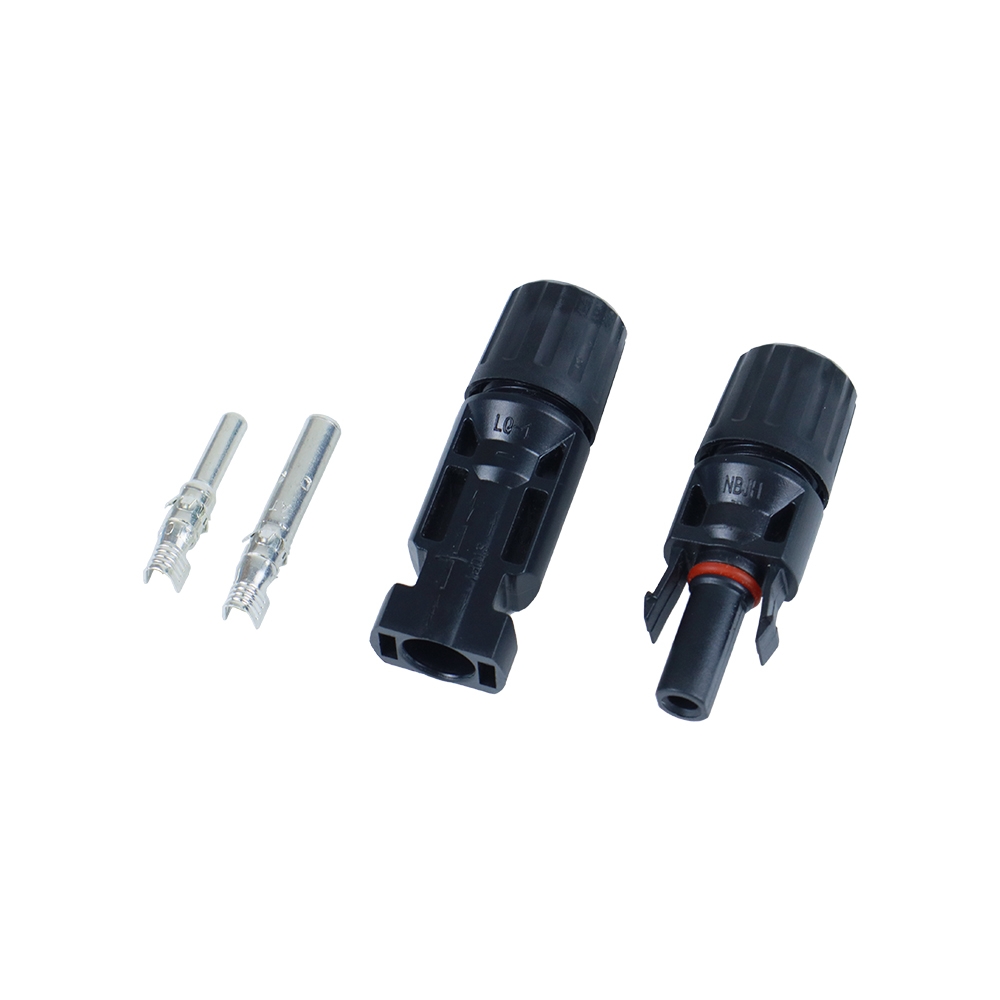
Charging Connectors: The physical connection between the charging station and the vehicle must provide reliable electrical contact while incorporating multiple safety features. Connectors include provisions for communication, ground fault detection, and mechanical interlocking to prevent disconnection during charging.
Installation and Maintenance Considerations

Installation Requirements
Electrical Infrastructure: Installing EV charging stations requires adequate electrical infrastructure to support high-power charging loads. This includes appropriately sized electrical services, proper grounding systems, and coordination with utility providers for grid connection.
Maintenance Access: Proper installation must consider future maintenance requirements, providing adequate access to all components and clear labeling for service personnel. This includes provisions for safe isolation of high-voltage systems during maintenance operations.
Preventive Maintenance
Component Inspection: Regular inspection of all components ensures continued reliable operation and helps identify potential issues before they cause system failures. This includes checking connections, verifying the status of protection devices, and testing communication systems.
Performance Monitoring: Continuous monitoring of system performance helps identify degrading components and optimize charging station operation. This data supports predictive maintenance strategies that minimize downtime and extend system life.
Future-Proofing EV Charging Infrastructure

Scalability Considerations
Modular Design: Modern EV charging stations increasingly incorporate modular designs that allow for future expansion and upgrades. This includes provisions for adding additional charging ports, increasing power capacity, and integrating new technologies as they become available.
Technology Integration: Charging infrastructure must be designed to accommodate evolving vehicle technologies, communication protocols, and grid interconnection requirements. This requires flexible architectures that can adapt to changing requirements.
Emerging Technologies
Wireless Charging: Future charging infrastructure may incorporate wireless power transfer technologies that eliminate the need for physical connections. These systems will require new approaches to power delivery, safety, and control.
Vehicle-to-Grid Integration: Advanced charging stations may support bidirectional power flow, allowing vehicles to supply power back to the grid during peak demand periods. This requires additional power electronics and control systems capable of managing bidirectional power flow.
The Importance of Quality Components
The reliability and safety of EV charging infrastructure depend heavily on the quality of individual components. From DC contactors and circuit breakers to current shunts and surge protection devices, each element must be engineered specifically for the demanding requirements of EV charging applications.
The investment in quality components pays dividends in system reliability, reduced maintenance costs, and extended operational life. As the EV charging network continues to expand, the importance of robust, reliable components becomes even more critical for supporting the growing electric vehicle fleet.
Final Thoughts
EV charging station components work together as an integrated system to provide safe, efficient power delivery to electric vehicles.
Each component plays a crucial role in ensuring reliable operation. The selection of high-quality components from experienced manufacturers, such as ELEHUB, ensures that charging infrastructure can meet the demanding requirements of modern electric vehicle charging while providing the reliability and safety that users expect.
As electric vehicle adoption continues to accelerate, the importance of robust charging infrastructure will become more and more critical.