Fuses protect circuits from damage by breaking the flow of electricity during faults. But one question often arises: Does voltage matter on a fuse? This is key to safety and performance when managing electrical systems.
A Quick Answer is: Yes. A fuse’s voltage rating matters. It determines the maximum voltage the fuse can safely interrupt during a fault without arcing or causing damage. Always choose a fuse with a voltage rating equal to or higher than the circuit’s voltage to prevent fire or equipment failure.
What Is a Fuse and Its Voltage Rating?
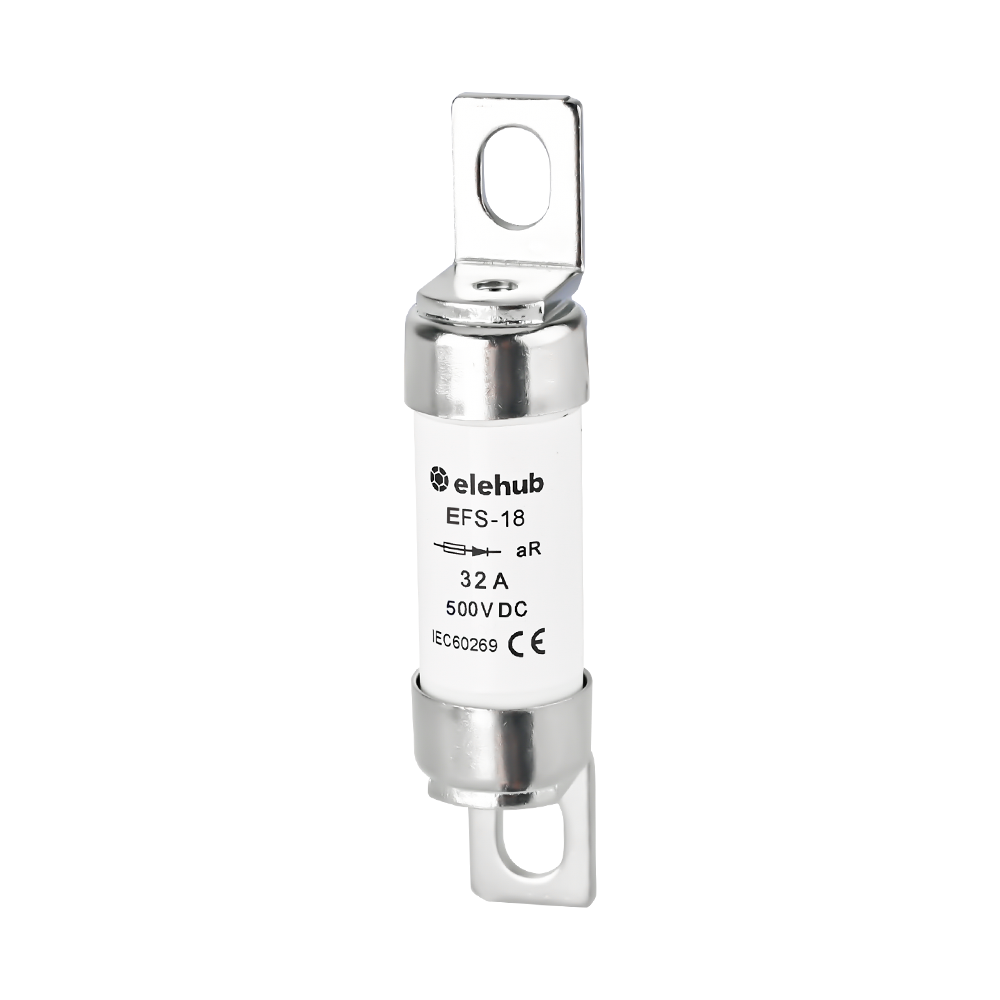
What is a fuse? A fuse is a small safety device that protects electrical circuits by melting or breaking when too much current flows through it, stopping the flow of electricity to prevent damage or fire.
What Is Fuse Voltage Rating

The voltage rating of a fuse is the maximum voltage it can safely handle when interrupting a circuit during a fault.
It’s typically marked on the fuse in volts, such as 32V, 125V, 250V, or 600V, and applies to either AC (alternating current) or DC (direct current) circuits. For example, a 250V fuse is designed to safely stop a circuit operating at up to 250 volts.
Does Fuse Voltage Matter, and Why?
The voltage rating ensures a fuse can extinguish the electrical arc that forms when it blows.
An arc is a spark of electricity that can continue to conduct current even after the fuse breaks. The DC arc flash may cause a fire or damage equipment. With a proper voltage rating, a fuse is designed to quench this arc, stopping the current flow completely.
If the fuse’s voltage rating is too low for the circuit, it may fail to interrupt the arc, leading to catastrophic consequences like burning wires, equipment failure, or even explosions in high-voltage systems.
AC vs DC Circuits

Source: https://www.electricaltechnology.org/2020/05/difference-between-ac-dc-current-voltage.html
Voltage ratings are critical for both AC and DC circuits, but they behave differently. You can learn more about AC vs DC fuse before choosing them.
- AC (Alternating Current): Found in household and industrial systems (e.g., 120V or 240V in the US). AC is easier to interrupt because the current alternates and crosses zero multiple times per second, helping to extinguish arcs naturally.
- DC (Direct Current): Common in automotive, solar, and battery systems (e.g., 12V or 48V). DC is harder to interrupt because the current flows continuously, sustaining arcs longer. DC fuses often require higher voltage ratings or specialized designs to handle this challenge.
AC vs DC Fuse Design
DC circuits pose unique challenges due to sustained arcs. DC fuses often feature:
- Wider gaps between fuse elements to break arcs.
- Stronger insulating materials (e.g., melamine) to withstand continuous current.
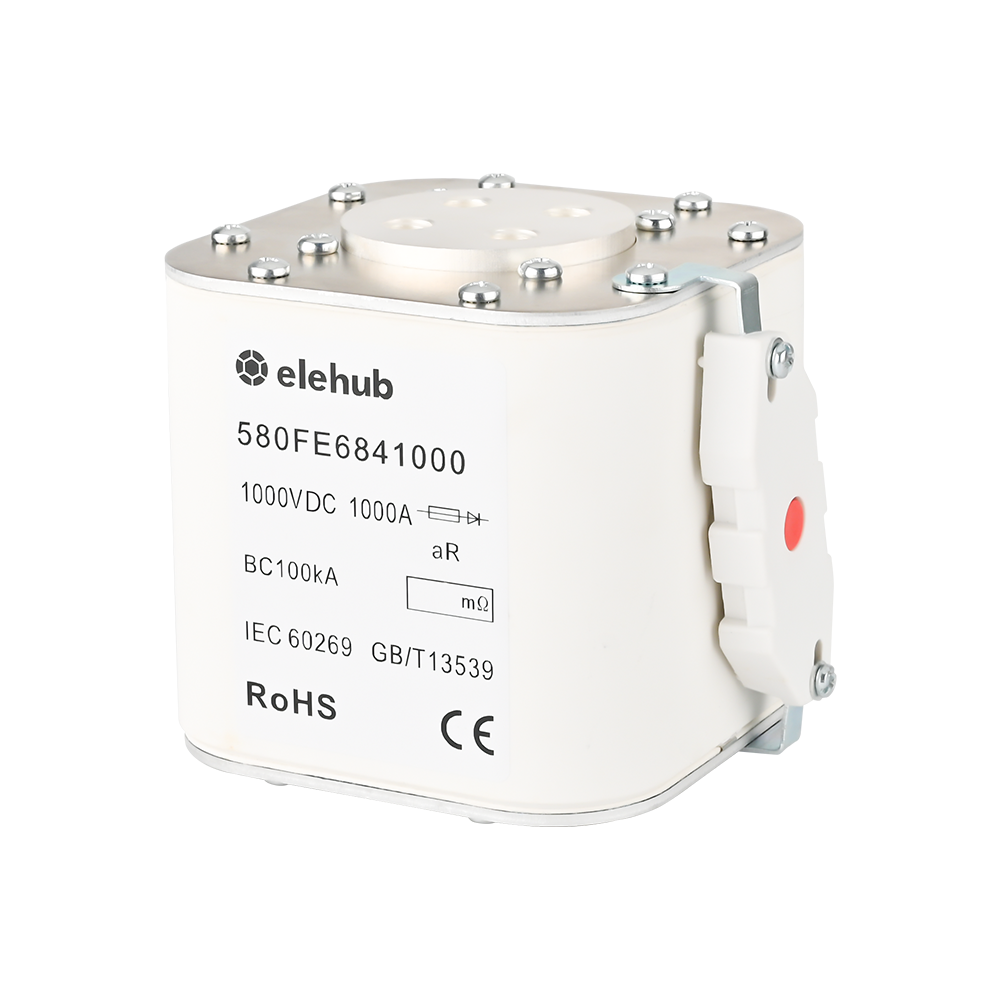
- Higher voltage ratings for equivalent current loads compared to AC fuses. Example: A 1000V DC solar fuse is designed with a ceramic body and arc-quenching filler to handle high-voltage DC faults.
Using a fuse with a voltage rating lower than the circuit’s voltage is dangerous. For example, installing a 32V automotive fuse in a 240V household circuit could cause the fuse to arc when it blows. This may ignite nearby materials or damage the appliance. Conversely, using a fuse with a higher voltage rating than needed is safe.
Real-World Scenarios: When Fuse Voltage Rating Matters
Automotive (12V DC)
One is installing a new car stereo that draws 10 amps on a 12V DC system. Choose a fuse with a voltage rating of 32V or higher (common for automotive fuses) to safely handle the 12V circuit.
Why It Matters: A lower-rated fuse (e.g., 12V) might arc under fault conditions, damaging the stereo or wiring.
Household (110V/120V/220V/240V AC)
You’re replacing a blown fuse in a 240V dryer circuit that draws 30 amps. Use a 250V or 600V fuse with a 30A rating. Ensure it’s UL-listed for safety.
Why It Matters: A 125V fuse in a 240V circuit could fail to interrupt the arc, risking a fire in the dryer.
Industrial (480V AC)
To protect a 480V motor in a factory with a 50A load, select a 600V fuse with a 50A rating and an interrupting capacity of at least 10kA to handle potential fault currents.
Why It Matters: Industrial systems have higher voltages and fault currents, so a lower-rated fuse (e.g., 250V) could explode or cause equipment damage.
Renewable Energy (1000V DC)
You’re fusing a solar panel array operating at 1,000V DC with a 15A load. Use a 1,000V DC-rated fuse for photovoltaic systems, such as a solar fuse.
Why It Matters: High-voltage DC systems require specialized fuses to prevent sustained arcs, which could damage panels or inverters.
How to Choose the Right Fuse: Step by Step
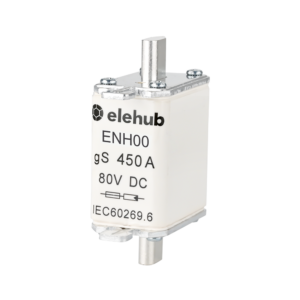
Step 1: Determine Circuit Voltage
- Check if the circuit is AC or DC.
- Measure the voltage using a multimeter or consult the device’s manual (e.g., 12V for cars, 120V for US outlets, 1,000V for solar arrays).
Step 2: Select a Fuse with Equal or Higher Voltage Rating
- Choose a fuse with a voltage rating that matches or exceeds the circuit’s voltage.
- Note: Higher voltage-rated fuses are compatible but may be larger or costlier, so balance practicality with safety.
Step 3: Match Current Rating
- Determine the circuit’s normal operating current (e.g., 10A for a car stereo).
- Select a fuse with a current rating that matches or slightly exceeds this value to protect the circuit without nuisance tripping.
Step 4: Consider Interrupting Capacity
- The interrupting capacity is the maximum fault current the fuse can safely interrupt (e.g., 1kA for residential, 10kA or more for industrial).
- Ensure the fuse’s interrupting capacity exceeds the circuit’s potential fault current, especially in high-power systems.
Step 5: Choose Fuse Type
- Fast-Acting Fuses: Break quickly for sensitive electronics (e.g., computers, TVs).
- Time-Delay Fuses: Allow brief surges for motors or appliances (e.g., air conditioners, pumps). Check our article for the fast-acting and time delay fuse comparison.
- Example: Use a time-delay fuse for a refrigerator to handle startup surges.
Common Mistakes and Safety Tips
Mistakes to Avoid
| Mistakes | Examples |
| Using a Lower Voltage Rating | A 32V fuse in a 240V circuit can arc and cause a fire. |
| Oversizing the Current Rating | A 30A fuse for a 10A circuit reduces protection, allowing damage before blowing. |
| Ignoring AC/DC Differences | An AC fuse in a DC circuit may not interrupt properly due to sustained arcs. |
| Using Non-Certified Fuses | Cheap, unlisted fuses may fail unpredictably. |
Safety Tips
| Safety Tips | Examples |
| De-Energize Circuits | Turn off power before replacing fuses to avoid shocks or arcs. |
| Consult Professionals | For high-voltage (e.g., 480V) or complex systems, hire a licensed electrician. |
| Check Certifications | Look for UL, IEC, or CSA marks to ensure fuse quality and safety. |
| Test Regularly | Inspect and test fuses in critical systems (e.g., industrial, solar) to ensure they’re functional. |
Technical Insights
Fuse Construction and Arc Suppression

Source: https://www.geeksforgeeks.org/fuse/
Fuses are designed to handle specific voltages through their construction:
- Low-Voltage Fuses (e.g., 32V): Simple metal wires in glass tubes, suitable for automotive or small electronics.
- High-Voltage Fuses (e.g., 600V): Use sand-filled ceramic bodies to quench arcs by absorbing heat and preventing current flow.
- Example: A 600V cartridge fuse contains silica sand to extinguish arcs in industrial applications.
Interrupting Capacity and Voltage
The interrupting capacity (IC) is tied to the voltage rating, as higher voltages increase fault current potential.
For example:
- A 250V fuse with a 1kA IC is suitable for residential circuits with low fault currents.
- A 600V fuse with a 200kA IC is designed for industrial systems with high fault currents. Always verify the circuit’s maximum fault current (available from utility providers or engineers) to ensure the fuse’s IC is adequate.
Industry Standards
Fuses must comply with standards to ensure safety.
- UL 248: Governs low-voltage fuses in North America, specifying voltage and interrupting capacity tests.
- IEC 60269: International standard for fuse performance, including AC and DC applications.
Final Thoughts
A fuse’s voltage rating is critical for safe and effective circuit protection. Choosing a fuse with a voltage rating equal to or higher than the circuit’s voltage ensures it can interrupt faults without arcing, preventing fires, equipment damage, or worse.
By understanding voltage ratings, matching current ratings, and considering interrupting capacity and fuse type, we can protect the electrical system, especially for industrial setups.
FAQs
What happens if the fuse’s voltage rating is too low?
A fuse with a voltage rating below the circuit’s voltage may arc when it blows, failing to stop the current. This can cause fires, equipment damage, or explosions in high-voltage systems.
Do voltage ratings matter in DC circuits?
Yes, voltage ratings are critical in DC circuits, often more so than in AC. DC arcs are harder to extinguish due to continuous current, requiring fuses with adequate voltage ratings and specialized designs.
How to know a circuit’s voltage?
Use a multimeter to measure the voltage across the circuit’s terminals or check the device’s manual. Common voltages include 12V (automotive), 120V (US outlets), 240V (appliances), or 1,000V (solar systems).
Can a fuse be replaced with a higher voltage rating?
Yes, as long as the current rating and fuse type (e.g., fast-acting) are appropriate. A higher voltage rating ensures safe interruption but doesn’t affect the fuse’s current-breaking behavior.
What does the interrupting capacity of a fuse mean?
Interrupting capacity (IC) is the maximum fault current a fuse can safely stop without rupturing. It must exceed the highest possible fault current in a system, especially in industrial or commercial setups.