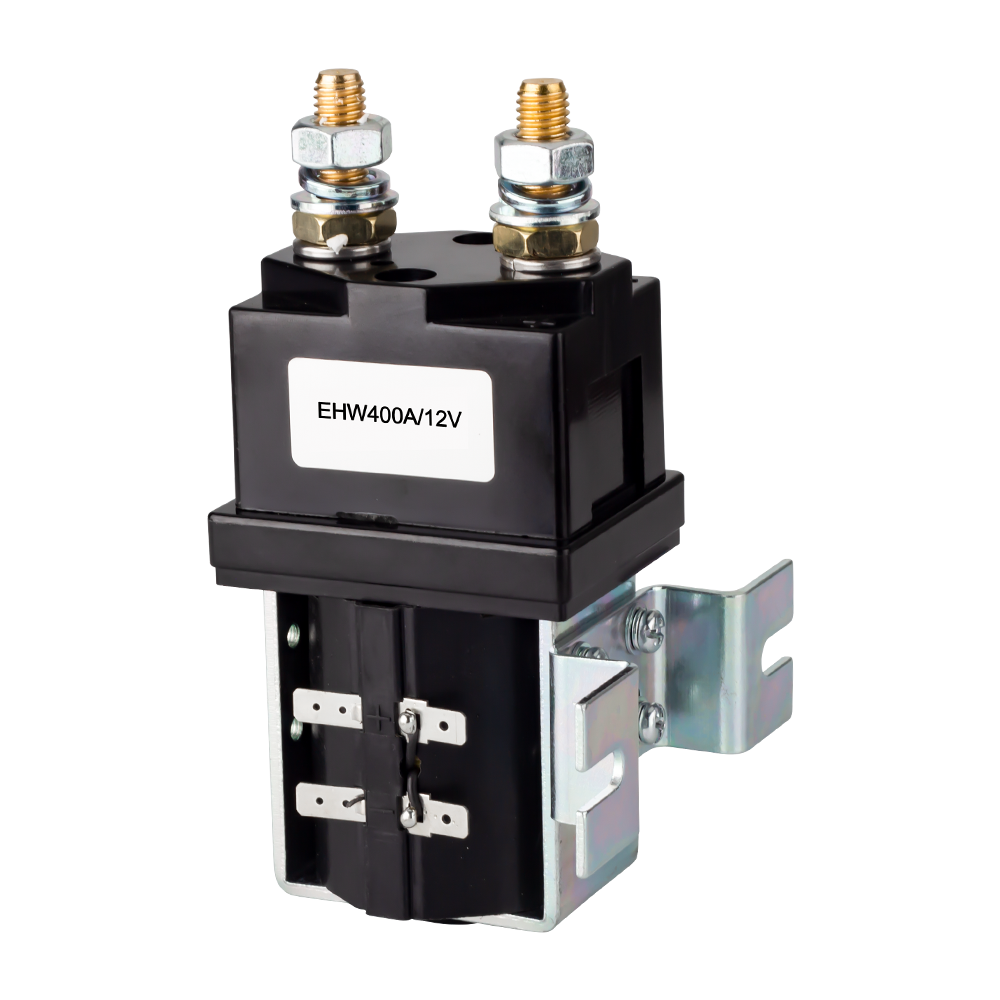
Solar panel systems are a fantastic way to use clean energy, but ensuring their safety and efficiency is critical. One common question is: Do Solar Panels Have Fuses? The answer depends on the system’s configuration and compliance with safety standards.
What Are Solar Panel Fuses? Why Are They Important?
What Is a Solar Panel Fuse?

A solar panel fuse is a safety device to protect a solar system from overcurrent conditions, such as short circuits or equipment overloads. (You can explore more on what is a fuse.)
When excessive current flows through a circuit, the fuse “blows” by melting its internal element. This interrupts the circuit and prevents damage to components like solar panels, wiring, charge controllers, or batteries. Unlike circuit breakers, which can be reset, most fuses are single-use and must be replaced after blowing.
Solar Panel Fuses in Solar Systems
Fuses help a lot in maintaining the safety and longevity of solar setups.
They:
- Prevent equipment damage: Protect panels and wiring from excessive current that could cause overheating or fires.
- Ensure safety: Reduce the risk of electrical hazards for users and installers.
- Comply with regulations: Meet requirements like the National Electrical Code (NEC) for overcurrent protection in specific configurations (e.g., parallel-wired systems).
For example, a fuse placed between a charge controller and battery bank can prevent a short circuit from damaging expensive components.
Common Misconceptions
Many beginners assume all solar systems require fuses or that fuses and circuit breakers are interchangeable. In reality, they are not always interchangeable.
Fuses are only needed in certain setups (e.g., parallel wiring with multiple panels). At the same time, circuit breakers offer similar protection but are more expensive and reusable, while fuses are cost-effective for smaller systems.
For a broader comparison, see Differences between Fuse and Circuit Breaker.
Do Solar Panels Have Fuses? When Are They Needed?
Series vs Parallel Wiring
The need for a solar panel fuse depends on how the panels are wired:
- Series Wiring: Panels are connected end-to-end, increasing voltage but keeping current constant. For 1–2 panels, fuses are typically not required because the current remains low, and panels can handle their own short-circuit current (Isc).
- Parallel Wiring: Panels are connected side-by-side, increasing current but keeping voltage constant. For 3 or more panels, NEC mandates fuses to prevent backfeeding, where a faulty panel could receive excessive current from others in the array.
Specific Scenarios
Solar panel fuses vary in different configurations. The necessity of fuses varies by system size and type.
- Small Systems (e.g., Single 100W Panel): Often don’t require fuses, as the panel’s internal diodes and low current pose minimal risk. However, a fuse between the charge controller and battery is recommended for safety.
- Large Systems (e.g., Off-Grid Setups): Require fuses at multiple points, such as between panels and the charge controller, and between the charge controller and battery bank, to handle higher currents.
- Grid-Tied vs Off-Grid: Grid-tied systems may rely on inverters with built-in protection, reducing the need for panel-level fuses, while off-grid systems often need fuses due to direct DC connections.
It is also necessary to follow the standards. Understanding these guidelines ensures your system is safe and compliant. Take NEC Guidelines as an example, since it provides clear rules for fuse use in solar systems.
- Fuses must be rated to handle at least 1.56 times the panel’s short-circuit current (Isc) to account for worst-case scenarios.
- In parallel configurations with 3+ panels, each panel string requires a fuse to prevent backfeeding.
- Fuses must be DC-rated and suitable for the system’s voltage and current.
How to Choose the Right Fuse for a Solar Panel System

Understanding Fuse Specifications
Choosing the right fuse for solar panels involves understanding key specifications:
- Amperage Rating: The maximum current the fuse can handle before blowing (e.g., 10A, 15A).
- Voltage Rating: Must exceed the system’s maximum voltage (e.g., 1,000V DC for most solar setups).
- Fast-Blow vs. Slow-Blow: Fast-blow fuses react quickly to short circuits, while slow-blow fuses tolerate temporary surges (common in solar systems with motor loads).
- DC vs AC: Solar systems require DC fuses due to the direct current produced by panels. (Know more about AC vs DC fuse in our article!)
Always select DC-rated fuses from trusted brands to ensure reliability. Choose solar fuses from ELEHUB to make your project successful.
What Size Fuse for Solar Panel?
Sizing a fuse correctly is critical to protect your system without unnecessary interruptions. The NEC recommends a fuse size of at least 1.56 x Isc (current at short circuit) to account for environmental factors like high sunlight intensity. Here’s how to calculate it:
- Check the panel’s Isc (found on the panel’s spec sheet or label).
- Multiply Isc by 1.56 to get the minimum fuse rating.
- Round up to the nearest standard fuse size (e.g., 10A, 20A, 160A).
Have a Look at the Examples:
- 100W Panel (Isc = 6A): Fuse size = 1.56 x 6 = 9.36A → Use a 10A fuse.
- 200W Panel (Isc = 10A): Fuse size = 1.56 x 10 = 15.6A → Use a 15A or 20A fuse.
How to Install Solar Panel Fuses
Tools and Safety Precautions
Before installing a solar panel fuse, gather these tools and safety gear:
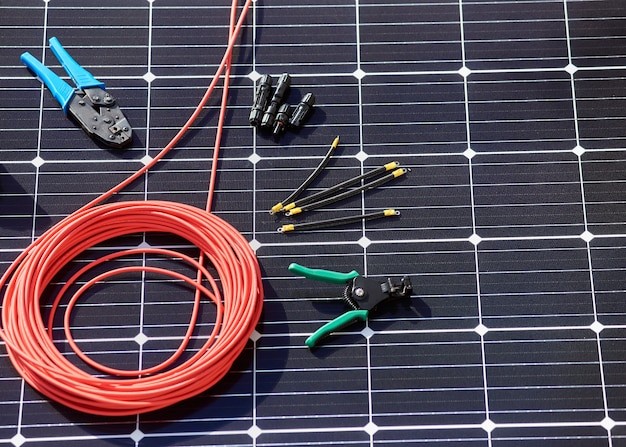
- Tools: Multimeter, crimping tool, wire cutters, screwdriver.
- Safety Gear: Insulated gloves, safety goggles, non-conductive shoes.
- Precautions: Disconnect all power sources (panels, batteries) and verify with a multimeter to avoid shocks or short circuits.
Step-by-Step Installation
Follow these steps to install an inline MC4 fuse with an MC4 connector between panels and a charge controller:
- Select the Correct Fuse
- Prepare the MC4 Fuse Holder
- Connect to Panels
- Connect to Charge Controller
- Test the System
For battery protection, install a fuse between the charge controller and battery bank using a similar process, ensuring the fuse is as close to the battery as possible.
Common Installation Mistakes
Check if the solar systems have the following mistakes. Make sure to avoid these pitfalls! Also, remember to double-check connections and consult a professional for complex setups.
Here are some common mistakes:
- Using Underrated Fuses: Can cause frequent blowing or insufficient protection.
- Improper Crimping: Loose connections increase resistance and heat.
- Ignoring Polarity: Incorrect wiring can damage components.
Safety Tips for Solar Panel Fuses
Regular Maintenance
Inspect fuses periodically for signs of wear, corrosion, or blown elements. Most fuses have a visual indicator (e.g., a broken filament) to show when they’ve blown. Replace blown fuses immediately with identical replacements.
Compliance with Local Codes
Adhere to NEC and local electrical codes to avoid fines or safety hazards. For example, ensure fuses meet the 1.56x Isc requirement and are installed in accessible locations for maintenance.
Consult a Professional
Professional expertise ensures safety and compliance, especially for high-stakes projects. Consider hiring a licensed electrician for:
- Large systems (e.g., >1kW or grid-tied setups).
- Complex wiring configurations (e.g., hybrid systems).
- Installations requiring permits or inspections.
Final Thoughts
Solar panel fuses are essential for protecting your system from overcurrent risks, ensuring safety, and meeting NEC standards. By choosing the right fuse, following proper installation steps, and adhering to safety practices, we can build a reliable and efficient solar setup.
Ready to get started? Explore our photovoltaic fuses or dive into related guides on charge controllers and solar wiring to complete projects.
FAQs
Do solar panels have fuses?
Not all solar panels require fuses. Single panels or series-wired systems with 1–2 panels typically don’t need fuses due to low current. However, parallel setups with 3+ panels require fuses per NEC to prevent backfeeding.
What size fuse for solar panel setups?
Use the formula: Fuse size = 1.56 x Isc. For a 100W panel with 6A Isc, choose a 10A fuse. For a 200W panel with 10A Isc, use a 15A or 20A fuse. Always round up to the nearest standard size.
Do I need a fuse for a single solar panel?
For a single panel under 100W, a fuse is often unnecessary between the panel and the charge controller. However, a fuse between the charge controller and battery is recommended for safety.
What’s the difference between a fuse and a circuit breaker in solar systems?
Fuses are single-use devices that blow to interrupt current, while circuit breakers can be reset. Fuses are cheaper and suitable for smaller systems, while breakers are better for larger setups with frequent maintenance needs.
Can I use an AC fuse for a solar panel system?
No, AC fuses are not safe for solar systems, which use direct current (DC). Always use DC-rated fuses to handle the unique characteristics of solar power.