From simple home appliances and complex industrial machinery to renewable systems, DC electrical components have become highly important in modern electrical systems. DC represents a unidirectional flow of electricity. That is why it is applied in batteries, EVs, solar power systems, and in the realm of industrial electronics. All these systems work correctly and safely due to the efficient operation of a wide array of DC components. Different types of DC electrical components are used to make sure that each type of application has optimum performance, protection, and safety.
DC Contactors
The DC contactor is electrically controlled, and operates to open or close a DC circuit. These contactors have wide applications in high-power electrical systems for controlling motors, industrial machinery, renewable energy equipment, etc.
High Voltage DC Contactor

A High Voltage DC Contactor is specially designed with features to handle voltage in applications above 1,000 volts. With its rugged design and special insulation, such a contactor avoids sparking, thus ensuring safety even under harsh high-voltage conditions.
Applications:
1. Electric Vehicles (EVs): DC contactors control high-voltage battery packs and regulate power flow to electric motors.
2. Solar Power Systems: They are useful in the connection and disconnection of solar arrays from the grid in photovoltaic solar power systems.
3. Energy Storage Systems (ESS): They are responsible for the safe and effective power distribution from battery banks in large-scale energy storage solutions.
4. Wind Power Solutions: In wind power systems, they manage the connection of wind turbines to the power grid.
5. Power Transmission and Distribution: Electric power transmission and distribution use high-voltage DC contactors to switch and route high-voltage electricity over long distances.
6. Renewable Energy Integration: High Voltage DC Contactors manage the seamless connection of different renewable sources, such as solar and wind, and ensure stable combined energy output.
7. Electric Vehicle Charging Stations: EV charging stations have widely employed high voltage DC contactors for safe and reliable connections between the grid and electric vehicles while charging.
8. Industrial Automation: The High Voltage DC Contactor finds its application in industrial automation systems. It handles substantial electrical loads and keeps automated processes working without a hitch.
9. Battery Management Systems (BMS): They oversee the electrical flow to and from battery modules. Also, they allow the controlling of charge/discharge cycles to keep the battery healthy.
10. Telecommunications Power Supply: High voltage DC contactors manage the high voltage power for the telecommunication equipment, protect against electrical faults, and allow for continuous service.
DC Reversing Contactor

A DC reversing contactor provides the facility for the polarity of current flowing through a motor or load to be reversed. Reversing contactors normally use a pair of contactors in a specific configuration to achieve this reversal.
Applications:
1. Winches: DC reversing contactors are suitable for battery-powered and boat anchor winches. They ensure precise control over the direction of winch operations, hence allowing smooth pulling and retracting actions.
2. DC Motors: These contactors are necessary for applications requiring forward and reverse operations to provide smooth and reliable motor control.
3. Telecommunication Equipment: These contactors have been proven to operate dependably in managing DC communication systems.
4. Engineering Machinery: Operating under heavy-duty conditions, DC reversing contactors control motor direction and power.
5. Electric Forklifts: These contractors enable efficient motor control for forward and reverse functions, furthering the capability and safety of operating forklifts in an industrial setting.
6. Electric Vehicles (EVs): DC reversing contactors enhance the overall performance and control of EVs by managing the motor direction.
7. Marine Applications: Marine applications, especially those dealing with highly harsh conditions, must employ these contractors for reliable motor control in winches and other key equipment.
8. Uninterrupted Power Supply (UPS): They deal with source switching to ensure uninterrupted supply and reduce downtime due to fluctuation or loss of power.
9. Industrial Electric Control Systems: DC reversing contactors form the backbone of industrial operations in terms of efficiency and reliability, with highly reliable switching of complex motor and power systems.
Universal DC Contactors

The universal DC contactors can bear almost all ranges of voltages for wide applications. These contactors find their applications in renewable systems, electric vehicles, and industrial automation.
Applications:
1. Telecommunications: Universal DC contactors avail reliable and stable power management in communication systems, protecting vital infrastructures from power cuts by improving continuity.
2. Engineering Machinery: These contactors apply to machinery in construction and industries. This supports heavy operations through the DC circuits in these machines for effective power distribution.
3. Electric Forklift Trucks: They enable the proper handling of electric systems in forklifts, ensuring smooth and reliable operation.
4. Golf Carts: Universal DC contactors provide reliable switching in managing DC power in recreational and commercially used golf carts.
5. Boats: These contactors deal with the control of DC power systems for various equipment to ensure safety and effectiveness, even in stringent marine conditions.
6. Uninterrupted Power Supply (UPS): They provide continuous power through high current DC circuit control in UPS systems and ensure that no important operations are affected by power interruptions.
7. Energy Storage Systems (ESS): They facilitate the power distribution and management in large-scale battery storage for large renewable energy integrations and grid stability.
8. Solar Power Systems: By offering flexible switching, it enhances the efficiency in the generation and distribution of solar power, and integration within the power grid.
9. E-Mobility Solutions: Electric scooters, bikes, and other personal mobility employ universal DC contactors for power distribution, ensuring reliability in performance and prolonging battery life.
10. ATV/UTV Winches Controls: They manage electrical circuits for winch operations in off-road vehicles, providing reliable control for pulling and retracting modes.
Electromagnetic DC Contactors
Electromagnetic DC contactors use an electromagnet to control the opening and closing of contacts. When a current flowing through the electromagnet, it generates a magnetic field that attracts the armature, which in turn closes or opens the contacts. These contactors are common in industrial machinery, electric forklift trucks, ATV/UTV winches controls, and energy storage systems (ESS).
Solid-State DC Contactors
Solid-state DC contactors use semiconductors to switch the flow of electricity. They are silent, turn on/off faster, and have longer life spans. They are ideal for applications of high-frequency switching systems, industrial automation, battery management systems (BMS), and E-mobility.
Low Voltage DC Contactors
Low-voltage DC contactors, normally for circuits operating beneath 1,000 volts, are common for residential, commercial, and small industrial applications. The application of these contactors goes best with small motors, lighting systems, and battery management systems (BMS).
Circuit Breaker
A DC circuit breaker is an automatic protection device that operates to trip and open a DC circuit in case of overcurrent conditions, thereby preventing damage to the circuit and equipment. The DC circuit breakers ensure safety in electrical systems by interrupting fault currents and offering protection against excessive current flow to cables, devices, and machinery.
DC MCB (Miniature Circuit Breaker)

A DC MCB circuit breaker (Miniature Circuit Breaker) is specifically designed to protect the low-power applications of residential, commercial, and small industrial sectors. These compact and efficient circuit breakers automatically trip in the event of an overcurrent or short circuit condition, saving the electrical systems and the equipment from damage.
Applications:
1. Residential settings: The DC MCBs ensure the current flow is automatically cut off to prevent fire hazards and keep household electrical installations safe.
2. Commercial buildings: Such breakers protect the lighting systems, small appliances, and office equipment. In offices, retail shops, and restaurants, DC MCB enhances operational continuity with less time consumption and reduces risks.
3. Small industrial systems: They avail important overcurrent protection, enabling sensitive industrial equipment to work without fear of electrical overload.
4. E-mobility: In electric vehicles, DC MCBs improve user safety and device reliability by providing prompt protection against overcurrent conditions.
5. EV Charging Stations: These circuit breakers help a lot in protecting the charging infrastructure from overcurrent and short circuit conditions.
DC ACB (Air Circuit Breaker)

An ACB circuit breaker (Air Circuit Breaker) is developed for high-voltage DC circuits to realize the effect of protection against electrical faults with strong function. Such circuit breakers have an arc-quenching system so that the electrical arc would extinguish with a minimum effect on the connected circuit and breaker.
Applications:
1. Energy Storage Systems (ESS): Controlling the electricity flow and interrupting a fault in the least possible time, protecting the wide banks of batteries from overcurrent conditions.
2. Solar Power Systems: Offering protection to sensitive equipment in solar installations through interruption of fault currents.
3. Industrial Power Distribution: DC ACBs have protected heavy-duty electrical infrastructure in manufacturing plants and data centers, where continuous power supply and protection against electrical anomalies are necessary.
4. Electric Forklift Trucks: DC ACBs improve the reliability and longevity of electric forklifts while making warehouse and logistics operations safe and efficient.
5. Renewable Energy Integration: Ensuring the fluctuating power generated by the renewables is seamlessly integrated into maintaining the grid stability and preventing electrical faults from eventually disrupting energy flow.
DC MCCB (Molded Case Circuit Breaker)

MCCBs are usually heavier-duty compared to MCBs. DC MCCBs find their application at higher current ratings than MCBs. The MCCB circuit breaker provides good overcurrent protection and are normally available with trip settings.
Applications:
1. Industrial Plants: Protecting machinery, motors, and electrical panels against electrical faults.
2. Electric Distribution Systems: Ensuring there is not a single failure of lights, HVACs, or office equipment. They maintain the commercial electric infrastructure, assuring a safe and effective work environment.
3. Residential Buildings: Offering higher protection to the electrical systems with high power usage, protecting household circuits from overcurrent and short-circuiting conditions.
4. Power Generation and Distribution: Maintaining the power grid stability for efficient and secure transmission of electricity from generation sources to consumers.
5. HVAC Systems: Protecting heating, ventilation, and air-conditioning equipment against electrical faults for the uninterrupted operation of HVAC systems.
6. Renewable Energy Systems: Huge applications of DC MCCBs can be found in solar power installations for controlling the electricity flow and interrupting fault currents.
7. Battery Management Systems: Providing selective overcurrent protection, maintaining safe operation bounds, and preventing overcharging/deep discharge or thermal runaway problems.
8. EV Charging Stations: MCCBs can disconnect power when a fault occurs, protecting electrical circuits from overloads and short circuits.
Hydraulic Magnetic Circuit Breaker

A hydraulic magnetic circuit breaker makes use of hydraulic fluid together with magnetic forces for the detection of overcurrent conditions. It provides good protection for overload and short circuit conditions. It is ideal for high-performance applications, such as in power distribution and critical infrastructure.
Applications:
1. Computer and Peripheral Equipment: Detecting overloads without the ambient temperature limitations of thermal breakers, preventing data loss or hardware damage.
2. Industrial Automatic Control Systems: Handling transient conditions without tripping for robust protection and minimized downtime.
3. Telecommunication Equipment: Maintaining continuous operation while monitoring currents levels.
4. Power Supply Systems: Enabling stable power flow in managing power grids.
5. Uninterrupted Power Supply (UPS): Detecting overcurrent situations for battery longevity and reliable power.
6. Railroad Systems: Delivering reliable circuit protection within railway electrical systems.
7. Marine Applications: Providing dependable protection in harsh marine conditions.
8. Aerospace: Ensuring safety and reliability in aerospace electrical circuits.
9. Elevators: Offering consistent circuit management for elevator operations.
10. Portable Power Supplies: Providing the protection of portable power systems with flexible and precise circuit control.
DC Shunt

A DC shunt is a low-resistance component parallel to a circuit that provides a path for the measurement of current or the regulation of the flow of electricity. The Shunt resistors are utilized in power supplies, BMS, and renewable energy systems for monitoring the flow of current through a circuit.
By measuring the voltage drop across the shunt resistor, precise current measurements can be made.
Applications of DC Shunts
1. Battery Management Systems (BMS): DC shunts monitor the current of charging and discharging of a battery cell.
2. Renewable Energy Systems: The shunts monitor the output current from solar panels and inverters, delivering data for system performance analysis and optimization. Also, they work to regulate the current that wind turbines produce and convert into energy.
3. Electric Vehicles (EVs): Shunts have the advantage of offering EVs current flow data to optimize energy consumption, enhance performance, and extend the lifespan of vehicle parts.
4. Electric Vehicle Charging Stations: DC shunts ensure the correct current delivery to the battery of an EV without overcurrent that might cause the battery or the charging structure to deteriorate.
5. Industrial Power Monitoring: Accurately measuring current in several industrial applications. They provide reliable current data for the accurate control and monitoring of electrical loads.
6. Telecommunications: Monitoring the current in the power supply systems of telecommunication equipment like mobile towers, data centers, and satellite communications systems.
DC Fuse

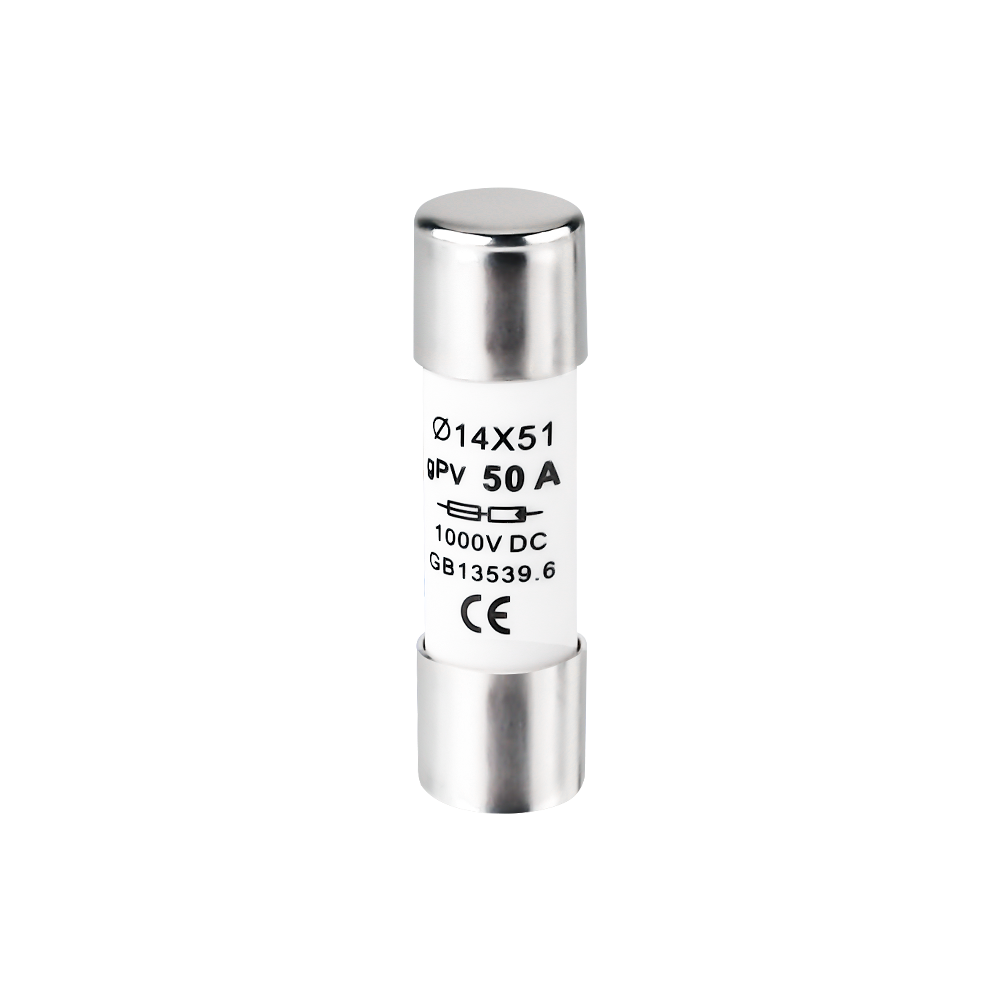
A DC fuse is a type of protection device that, during overcurrent conditions, breaks the flow of electricity to DC circuits. Fuses are to be availed of in order not to let too much current damage sensitive equipment, and thus find wide applications in numerous DC-powered systems.
Types of DC Fuses
1. Communication Fuse in telecommunication systems to protect sensitive electronic devices against overcurrent or short circuit conditions.
2. Energy Storage Fuse in energy storage systems (ESS). They protect battery banks and inverters from damage caused by overcurrent conditions.
3. EV Fuses protect electric vehicle battery systems and charging infrastructures against overcurrent conditions, for the protection of both the vehicle and charger.
4. Solar Fuses in photovoltaic (PV) systems protect the wiring and electrical equipment in PV systems. They ensure the system is safe during short circuits or overloads that would otherwise cause fire or equipment failure.
5. Square Bolted Fast Fuses work in high-power DC systems. They provide a fast-acting response that gives protection against damage to main equipment.
Applications of DC Fuses
Solar Power Systems: Protecting photovoltaic arrays and associated electrical equipment against short circuits and overloads.
Energy Storage Systems (ESS): DC fuses ensure that the storage systems reliably handle the flow of electricity and protect against possible damage from electrical faults.
Electric Vehicles (EVs): EV fuses prevent overcurrent conditions for safe energy transfer in charging and protect the vehicle from any electrical faults, enhancing reliability and durability in EVs.
Telecom Equipment: They make sure that telecommunication systems operate uninterruptedly and reliably by preventing overcurrent and short circuits.
Industrial Power Distribution: DC fuses protect the heavy-duty electrical infrastructure in manufacturing plants and data centers. Protection against overcurrent conditions allows industrial fuses to maintain high-power machinery, motors, and electrical panels, ensuring reliability.
Electric Vehicle Charging Stations: Protecting against overcurrent conditions in an electric vehicle charging station. They ensure the DC charging is not able to cause an electrical fault to the charging equipment or the EV battery system.
Railway Systems: Protecting electrical circuits feeding the power for the trains and signaling equipment. This prevents the overcurrent condition from hampering operations or creating damage to critical infrastructure.
Renewable Energy Installations: Integrating the energy sourced from these renewable sources into the power grid and avoiding damage from overcurrent conditions.
DC Connector

An electrical connector is an electrical component in connecting and disconnecting DC circuits for the passage of electricity between different parts of a system.
Types of DC Connectors
1. Battery Connector: The connectors are for connecting the battery terminals to the rest of the system for transmitting DC power.
2. Energy Storage Connector: They are designed for high-current applications. These connectors ensure safe and efficient power transfer between batteries, inverters, and other components.
3. MC4 Connector: These connectors have extensive use in the interfacing of solar panels with the rest of a solar power system. They ensure a reliable connection and are resistant to bad weather.
Applications of DC Connectors
1. Electric Vehicles (EVs): They ensure effective power distribution between battery systems, motors, and charging stations for reliable performance in EVs.
2. Industrial Automation: They provide secure connections for power and control systems in automated machinery, ensuring consistent performance and safety.
3. Renewable Energy: They are used in solar panels, wind turbines, and energy storage systems for the effective transmission of power in renewable energy setups.
4. Telecommunications: The connectors support data transmission and power delivery in communication networks with stable and fast connections.
5. Aerospace and Defense: High-reliability environment usage, ensuring durability with extreme conditions.
DC Switch

DC electric switches are common in almost all DC current controller applications and work by manually or automatically opening or closing a circuit. A DC switch permits the operator to safely vary power flow to a particular application.
1. Battery Disconnect Switch: Battery disconnect switches are for isolating the battery from the rest of the circuitry for maintenance.
2. Dual Battery Switch: Handling the connections between two battery banks, allowing seamless switching with redundancy.
3. Emergency Stop Switch: An emergency stop switch is a safety device to immediately cut the power in a fault or any emergency situation.
Applications of Switches
1. Electric Vehicles (EVs): They handle switching of high power distribution and control and ensure safe and efficient EV system operation.
2. Renewable Energy Systems: Used in Solar, wind, and energy storage systems, which manage electrical flow and protect circuits.
3. Telecommunications: Power and signal transmission control in communication networks are facilitated for reliability and stability.
4. HVAC Systems: They control heating, ventilation, and air conditioning systems for energy-efficient performance.
5. Industrial Automation: Accurately supply the right control to machinery in order to ensure safety and efficiency with automated processes.
DC Surge Protection Device

The DC Surge Protection Device (SPD) is protection for systems with DC power against adverse actions due to voltage surges or transients. These are surges, very short-term current pulses in a big way, usually because of several causes. Such kinds of voltage spikes can highly bring damage to sensitive electric parts that lead to system breakdown and equipment degradation while resulting in expensive downtime.
How Does a DC Surge Protection Device (SPD) Work?
Generally, DC surge protection works by integrating the interaction of a metal oxide varistor (MOV), a gas discharge tube (GDT), and diodes that are designed to operate in concert with transient voltage spikes.
- Clamping: During a surge, the SPD acts upon the rise in voltage and begins to clamp against the excess energy. The MOV or GDT in the SPD will conduct the surge current to safely divert it from the protected circuit.
- Absorption and Dissipation: The SPD absorbs the surge energy and dissipates it, usually through a heat sink or other mechanisms, before the excess voltage reaches the sensitive system components.
- Restoration: Once the surge dissipates, the SPD returns to its non-conducting state, ensuring normal operation of the circuit. In some cases, SPDs may feature a self-healing capability in which the device automatically resets after a surge event.
Applications of DC Surge Protection Devices
1. Energy Storage Systems: Protection of battery banks, inverters, and power distribution units against voltage surges and transients.
2. Solar Power Systems: Safeguarding solar inverters, charge controllers, and panel wiring against voltage spikes.
3. EV Charging Stations: Ensuring the safety of charging infrastructure and vehicle battery packs from transient voltage surges.
4. E-Mobility Solutions: Keeping electric scooters, bikes, and other personal mobility devices from electrical faults and surges.
5. Telecommunication Systems: Safeguarding the hardware of telecommunication equipment in mobile towers, satellite systems, and other communication infrastructure against voltage spikes.
6. Electrical Connections and Control: Prolonging service life and improving reliability for a wide range of control and power distribution systems by preventing surge-related damage.
Closing Words
The building blocks for all modern electrical and electronic systems of today are DC electrical parts. They ensure safety, reliability, and efficiency across each industry. From renewable energy and electric vehicle applications to industrial automation and data centers, they power up and protect critical applications. We’ve briefly introduced different types of DC electrical components above to provide you with a glance.
With the demand for DC-powered solutions growing fast, picking the right manufacturer is more important than ever. Assuring quality, innovation, and reliability are crucial when selecting DC electrical components. By investing in high-quality components, businesses can ensure system longevity, reduce downtime, and improve overall operational efficiency.
Elehub: Your Reliable DC Electrical Component Manufacturer
Elehub is a trusted brand for high-quality series of products in the field of DC electrical components, availing state-of-the-art applications.
Our components are widely used in:
- E-Mobility
- ESS (Energy Storage Systems)
- Solar Systems
- Communication Power Supply
- EV Charging Stations
- Telecommunication
- Electrical Connect & Control
- Electric Forklift Truck
Be it high-voltage DC contactors, shunts, fuses, or circuit breakers, we have the expertise and product range to meet your requirements.