Solar energy has shifted the way we generate electricity, offering a clean, renewable alternative to traditional fossil fuels. However, converting sunlight into usable electrical power requires a sophisticated system of interconnected components working in harmony. Understanding solar power system components is essential for anyone considering solar installation, whether for residential, commercial, or utility-scale applications.
Solar power system components include photovoltaic panels, inverters, mounting systems, monitoring equipment, electrical components, and safety devices.
Each component plays a crucial role in capturing solar energy, converting it to electricity, and delivering it safely to electrical loads or the grid. The integration of these components determines system efficiency, reliability, and overall performance.
Power Electronics and Conversion Systems

Source: https://www.mdpi.com/2076-3417/15/8/4523
Inverters: Converting DC to AC Power
Inverters rank among the most critical solar power system components, responsible for converting the DC electricity produced by solar panels into AC electricity compatible with household appliances and the electrical grid.
String Inverters: Central inverters that convert DC power from multiple panels connected in series. These cost-effective units work well for installations with minimal shading and uniform panel orientation.
Power Optimizers: DC-DC converters installed at each panel that optimize power output before sending DC power to a central inverter. This hybrid approach improves performance while maintaining cost effectiveness.
Microinverters: Individual inverters installed on each solar panel, providing maximum flexibility and performance optimization. While more expensive, microinverters eliminate single points of failure and enable panel-level monitoring.
DC Electrical Components in Solar Power Systems
DC electrical components form the backbone of solar power systems, managing the flow of direct current electricity from photovoltaic panels to inverters and ensuring safe, efficient operation throughout the DC portion of the system.

DC Power Distribution and Management
DC Combiner Boxes: These essential solar power system components consolidate multiple panel strings into fewer, higher-current outputs. Combiner boxes include fusing, monitoring, and switching capabilities that enhance system safety and performance.
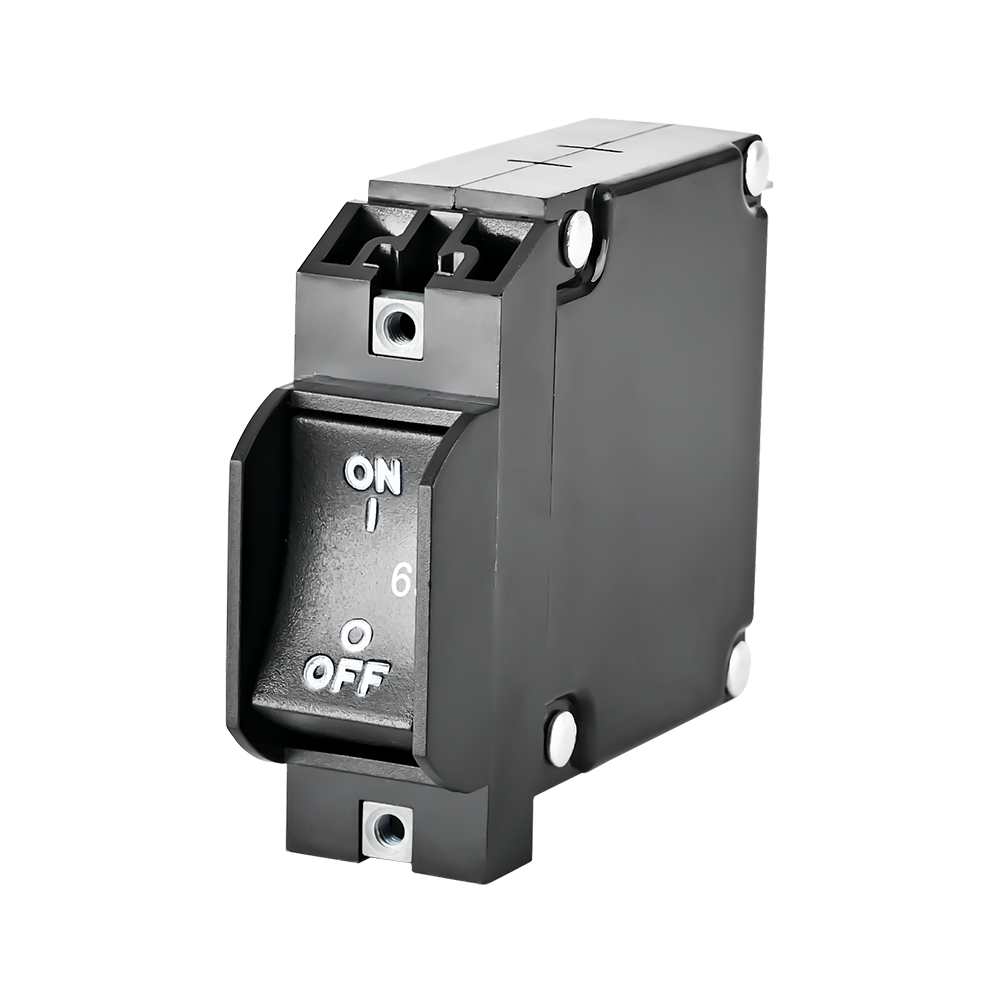
DC Disconnect Switches: Critical safety devices that allow rapid disconnection of DC power for maintenance and emergency situations. These switches must be rated for DC voltage and current levels while providing reliable arc extinction.
DC Circuit Breakers: Specialized breakers designed for solar applications that can safely interrupt DC fault currents. Unlike AC breakers, DC breakers must overcome the challenge that DC arcs do not naturally extinguish.
DC Monitoring and Optimization
DC Current and Voltage Monitoring: Real-time measurement of DC electrical parameters enables performance optimization and fault detection. Advanced monitoring systems can identify individual panel or string issues before they impact overall system performance.
DC Power Optimizers: These sophisticated devices maximize power extraction from each panel by continuously adjusting the operating point to account for shading, soiling, or component variations.
String Monitoring Systems: Advanced monitoring at the string level provides detailed insight into system performance and helps identify maintenance needs or performance issues.
DC Safety and Protection Systems
Ground Fault Detection: Critical safety systems that monitor for insulation failures that could create dangerous ground faults in the DC system.
Arc Fault Detection: Specialized sensors that detect dangerous electrical arcs in DC circuits, automatically shutting down the system to prevent fire hazards.
Rapid Shutdown Systems: Required by electrical codes, these systems quickly reduce DC voltage throughout the array during emergency or maintenance situations.
The proper selection and installation of DC electrical components is crucial for solar system safety, performance, and code compliance. For comprehensive technical guidance on DC electrical components in solar applications, industry professionals can find detailed resources at Elehub.
Monitoring and Control Systems

Performance Monitoring Equipment
Advanced monitoring represents crucial solar power system components that optimize performance and identify maintenance needs.
Data Acquisition Systems: Hardware that collects performance data from various system components, including inverters, optimizers, and environmental sensors.
Communication Gateways: Devices that transmit system data to monitoring platforms via cellular, Ethernet, or wireless connections.
Environmental Sensors: Irradiance, temperature, and weather monitoring equipment that enables performance normalization and optimization.
Software and Analytics Platforms
Real-Time Monitoring: Web-based platforms that provide immediate access to system performance data and alerts.
Performance Analytics: Advanced software that analyzes historical data to identify trends, predict maintenance needs, and optimize operations.
Mobile Applications: Smartphone and tablet apps that enable remote monitoring and control of solar power systems.
Energy Storage Integration

Battery Storage Systems (BSS)
Modern solar installations increasingly incorporate energy storage, requiring additional solar power system components for battery integration.
Battery Banks: Lithium-ion or other advanced battery technologies that store excess solar energy for later use.
Battery Management Systems: Sophisticated controllers that manage charging, discharging, and protection of battery systems.
Hybrid Inverters: Advanced inverters that can manage both solar input and battery storage while providing backup power capabilities.
Storage System Benefits
Energy Independence: Reducing reliance on the electrical grid by storing excess solar production for use during non-production hours.
Backup Power: Providing emergency power during grid outages, essential for critical loads and remote installations.
Peak Shaving: Using stored energy during high-demand periods to reduce electricity costs and grid stress.
Installation and Commissioning Equipment
Testing and Measurement Tools
Professional solar installation requires specialized equipment to ensure proper system performance and safety.
Solar Irradiance Meters: Devices that measure solar irradiance to verify panel performance and optimize system design.
Insulation Testers: Equipment that verifies proper electrical insulation throughout the DC and AC portions of the system.
Power Quality Analyzers: Instruments that verify proper AC power quality and grid compatibility.
Commissioning Software
System Modeling Tools: Software that predicts system performance based on location, equipment specifications, and environmental conditions.
Performance Verification: Tools that compare actual system performance to design expectations and identify optimization opportunities.
Documentation Systems: Digital platforms that maintain installation records, warranties, and maintenance schedules.
Maintenance and Service Components
Cleaning and Maintenance Equipment
Panel Cleaning Systems: Automated or manual cleaning equipment that maintains optimal panel performance by removing dust, debris, and soiling.
Vegetation Management: Tools and systems for managing vegetation growth that could shade panels or interfere with system operation.
Infrared Thermography: Diagnostic equipment that identifies hot spots, connection issues, and other problems through thermal imaging.

Replacement Parts and Spares
Critical Spare Parts: Inventory of essential components, including DC fuses, breakers, and monitoring equipment for rapid repair of system issues.
Upgrade Components: Equipment that enables system expansion or technology upgrades as needs change or technology advances.
Final Thoughts
Understanding solar power system components is essential. As solar technology continues advancing with improved efficiency, reduced costs, and enhanced functionality, understanding these fundamental components becomes even more important.
The critical importance of DC electrical components cannot be overstated, as these elements ensure safe, efficient operation of the DC portion of solar systems while enabling optimal energy harvest from photovoltaic arrays. Proper selection, installation, and maintenance of all system components determine overall performance, safety, and economic returns.
FAQs
What are the main components of a solar power system?
A complete solar power system includes photovoltaic (PV) panels, inverters, mounting structures, DC and AC electrical components, monitoring equipment, safety devices, and often energy storage solutions like batteries.
Why is the inverter such an important part of a solar system?
The inverter converts the direct current (DC) electricity generated by solar panels into alternating current (AC), which is used by most household appliances and the electrical grid. Without an inverter, solar energy isn’t usable in standard power systems.
What are DC electrical components and why are they important?
DC components manage the electricity produced by solar panels before it is converted to AC. They include combiner boxes, disconnect switches, circuit breakers, and monitoring systems—each essential for safety, optimization, and system reliability.
How do monitoring systems help improve solar system performance?
Monitoring systems track energy production, detect faults, and analyze environmental data in real-time. This helps identify inefficiencies or failures quickly, ensuring optimal output and reducing downtime.
Can I integrate battery storage into my solar system?
Yes, modern systems often include batteries to store excess solar energy. This enables energy use at night, during outages, or during high electricity rate periods. Key components include battery banks, management systems, and hybrid inverters.