Solar panels are designed to operate outdoors for decades, but like any electrical equipment, a solar photovoltaic (PV) system can develop faults that create a fire risk. So, can solar panels catch fire? Yes, but solar PV fires are uncommon and are not a normal result of operating a properly installed system.
The greater concern is usually not the sunlight hitting the panel itself, but electrical faults involving connections, wiring, connectors, inverters, junction boxes, or other PV components. Design flaws, component defects, and faulty installation can create excessive heat or electrical arcs that may ignite nearby materials.
Understanding these potential failure points and how to prevent them can help homeowners use solar safely.
What Causes Solar Panel Fires?
1. Faulty or Loose Electrical Connections
Electrical connections are one of the most important areas to consider in PV safety.
A connector or terminal that is loose, improperly crimped, poorly engaged, corroded, or incompatible can increase electrical resistance. That resistance can generate heat and damage the connector or nearby materials.
PV connectors are especially important because they carry the current produced by solar modules. DOE-funded research has identified PV connectors as an important reliability concern and notes that debris, moisture, substandard materials, and installation practices can contribute to increased resistance and arc-fault conditions.
Potential warning signs include:
- Burn marks or discoloration
- Melted or cracked connectors
- Unusual odors
- Repeated inverter faults
- Unexpected drops in system output

Melted Solar Connector
Source: https://canalsolar.com.br/en/generic-mc4-connectors-are-compatible/
2. DC Arc Faults
Solar panels produce DC electricity, making arc faults an important safety concern.
A DC arc can occur when current jumps across an unintended gap caused by damaged wiring, loose connections, defective connectors, or separated conductors. The resulting heat can damage equipment and potentially ignite nearby combustible materials.
PV systems may use arc-fault protection, ground-fault protection, grounding and bonding, and rapid shutdown features, depending on the system and applicable codes.

Diagram of DC series arc faults (S1-S3) and parallel arc faults (P1-P2) in a PV system
Source: https://www.mdpi.com/1996-1073/13/6/1416
3. Poor Installation
Even quality solar equipment can become a fire hazard if installed incorrectly.
Installation problems can include:
- Improperly crimped connectors
- Loose terminals
- Incorrect cable routing
- Damaged insulation
- Poor grounding or bonding
- Incorrectly sized electrical components
- Incompatible connectors
- Improperly secured cables
- Failure to follow applicable electrical and fire codes
This is why choosing a qualified installer matters.

Incorrect Cable Routing
Source: https://battrix.ro/blog/pericol-instalatii-fotovoltaice-cablare-gresita
4. Defective or Damaged Components
A PV system includes much more than the panels. Depending on the installation, it may contain:
- PV modules
- DC cables
- Connectors
- Junction boxes
- Combiner boxes
- DC fuses
- DC isolators or disconnects
- Surge protection devices
- Inverters
- Rapid shutdown equipment
- AC electrical equipment
A defect in any of these components can create an electrical or thermal hazard. Solar fire risk should therefore be evaluated across the entire PV system, not just the panels.

Damaged DC Isolator
Source: https://www.theleader.com.au/story/6865862/spate-of-solar-panel-fires-sparks-warnings-about-dodgy-installers/
5. Inverter Problems
The inverter converts DC electricity from the solar array into AC electricity for the building or grid. Because it handles significant electrical power, it can experience overheating, component failure, water intrusion, or internal electrical faults.
Install the inverter according to the manufacturer’s requirements and provide adequate ventilation and environmental protection.

Broken Solar Inverter
Source: https://www.reddit.com/r/solar/comments/1buzqyy/burned_out_inverter_possibly_from_hail_damaged/
6. Hot Spots and Damaged Solar Cells
Solar modules can develop localized overheating, often called hot spots.
Possible causes include:
- Damaged cells
- Manufacturing defects
- Shading
- Electrical mismatch
- Damaged bypass diodes
- Poor connections
A hot spot does not automatically mean a panel will catch fire, but severe localized heating can damage the module and increase fire risk under unfavorable conditions.

Hot Spots on PV Panels
Source: https://www.mdpi.com/2076-3417/15/21/11461
Which Parts of a Solar PV System Can Cause a Fire?
A rooftop solar installation contains much more than the panels themselves. Potentially problematic components include:
| Component | Potential Risk |
|---|---|
| Solar modules | Hot spots, cell damage, defects |
| Connectors | Loose connections, poor crimping, incompatibility |
| DC cables | Damaged insulation, overheating, arcing |
| Junction/combiner boxes | Loose connections, water intrusion |
| Fuses/disconnects | Incorrect ratings, faulty connections |
| Inverter | Overheating, component failure |
| Surge protection devices | Component failure or electrical damage |
| Rapid shutdown equipment | Wiring or component faults |
The exact risk depends on the system design, equipment, installation quality, environmental conditions, and maintenance history.
How to Prevent Solar Panel Fires
Preventing solar fires is primarily about preventing electrical faults before they become serious.
1. Choose a Qualified Solar Installer
A qualified installer should understand PV system design, DC wiring, connector installation, grounding and bonding, overcurrent protection, disconnect requirements, arc-fault protection, rapid shutdown, and applicable electrical and fire codes.

2. Use Compatible and Properly Rated Components
Components should be compatible and correctly rated for the system’s voltage, current, environment, and application.
This includes connectors, cables, fuses, disconnects, inverters, and other DC equipment. Do not use components simply because they physically fit together.
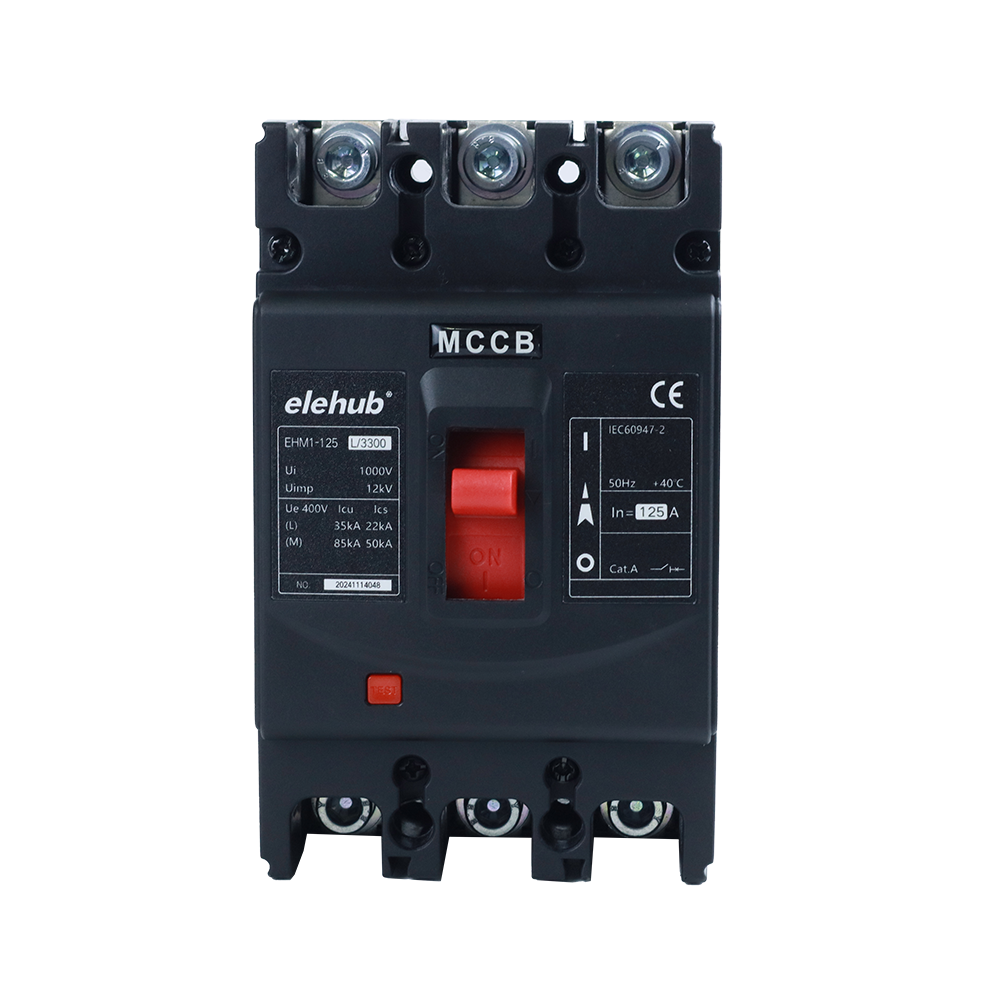
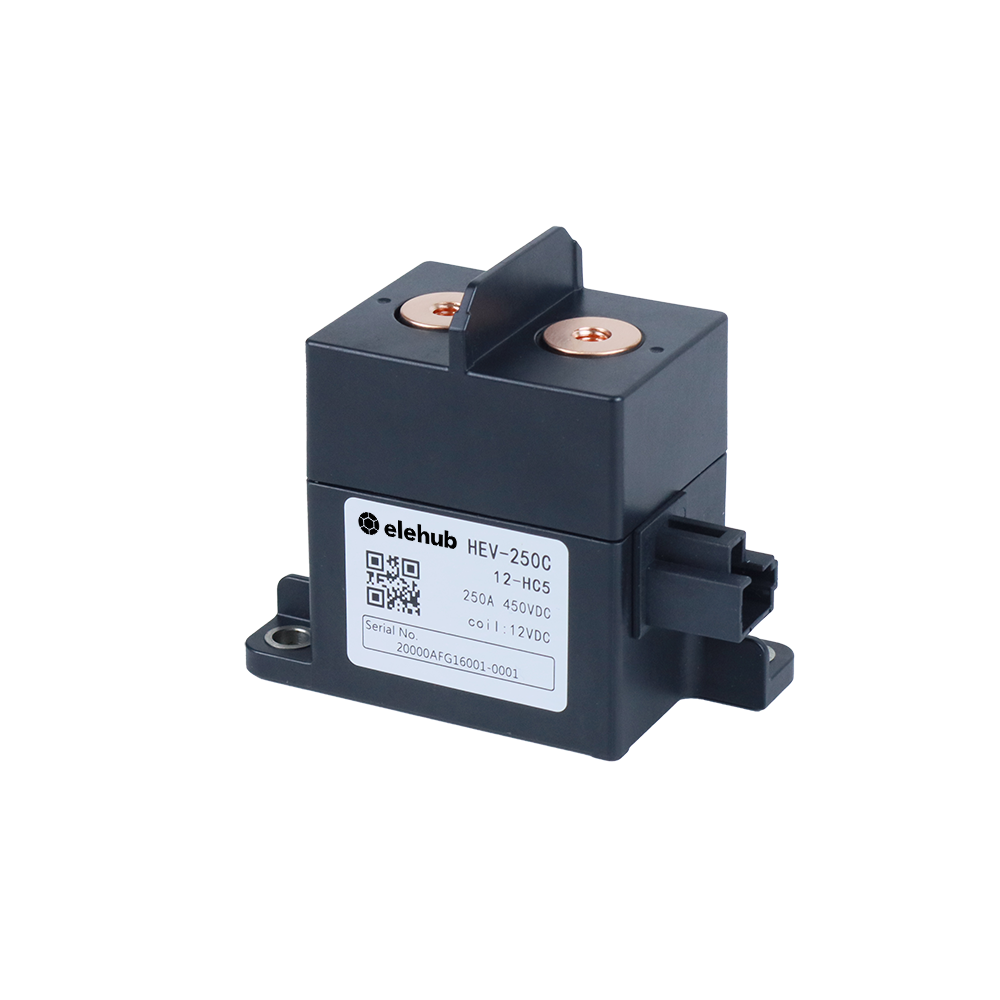
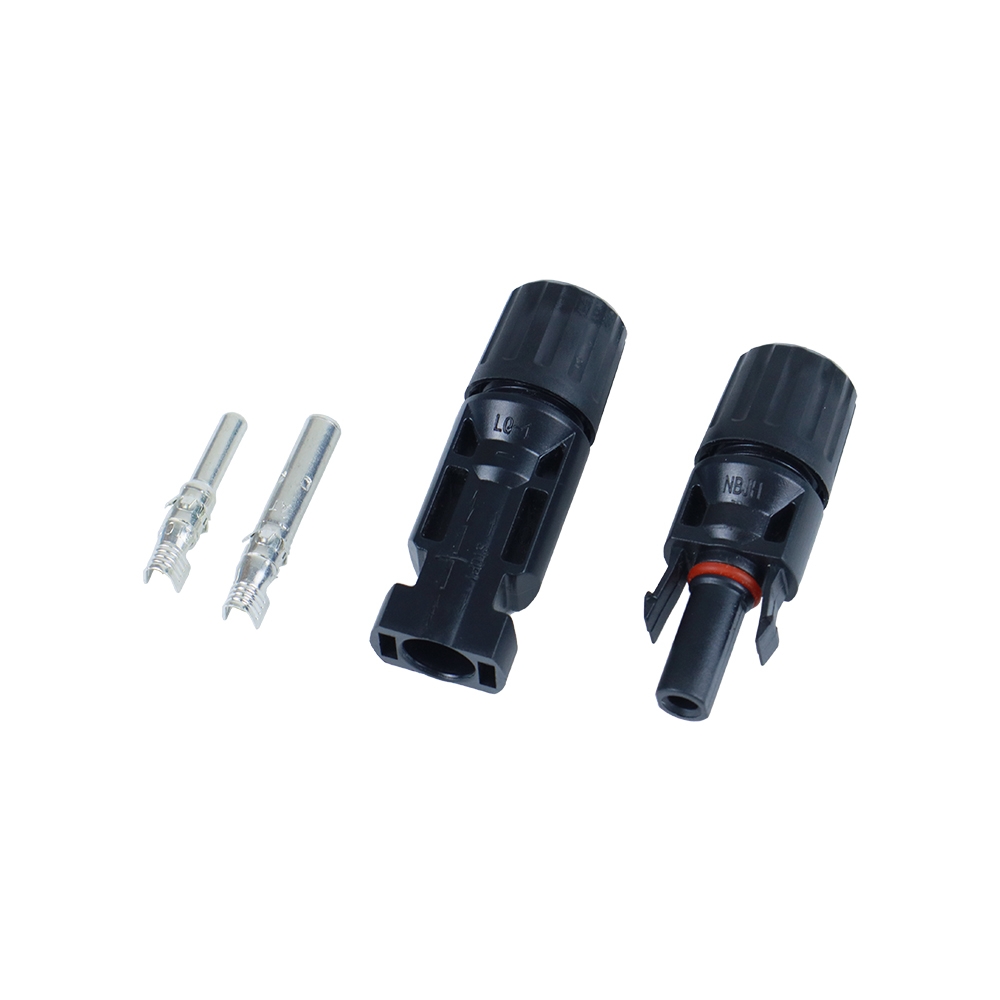
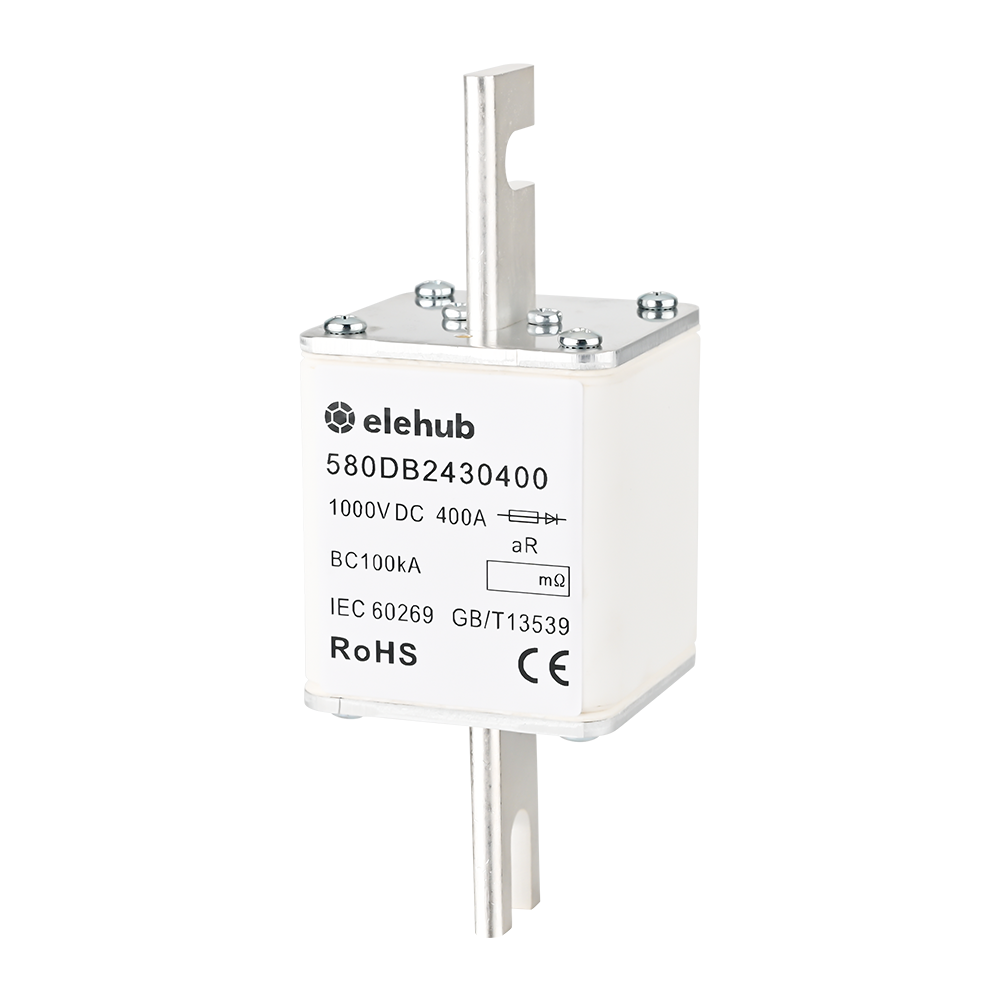
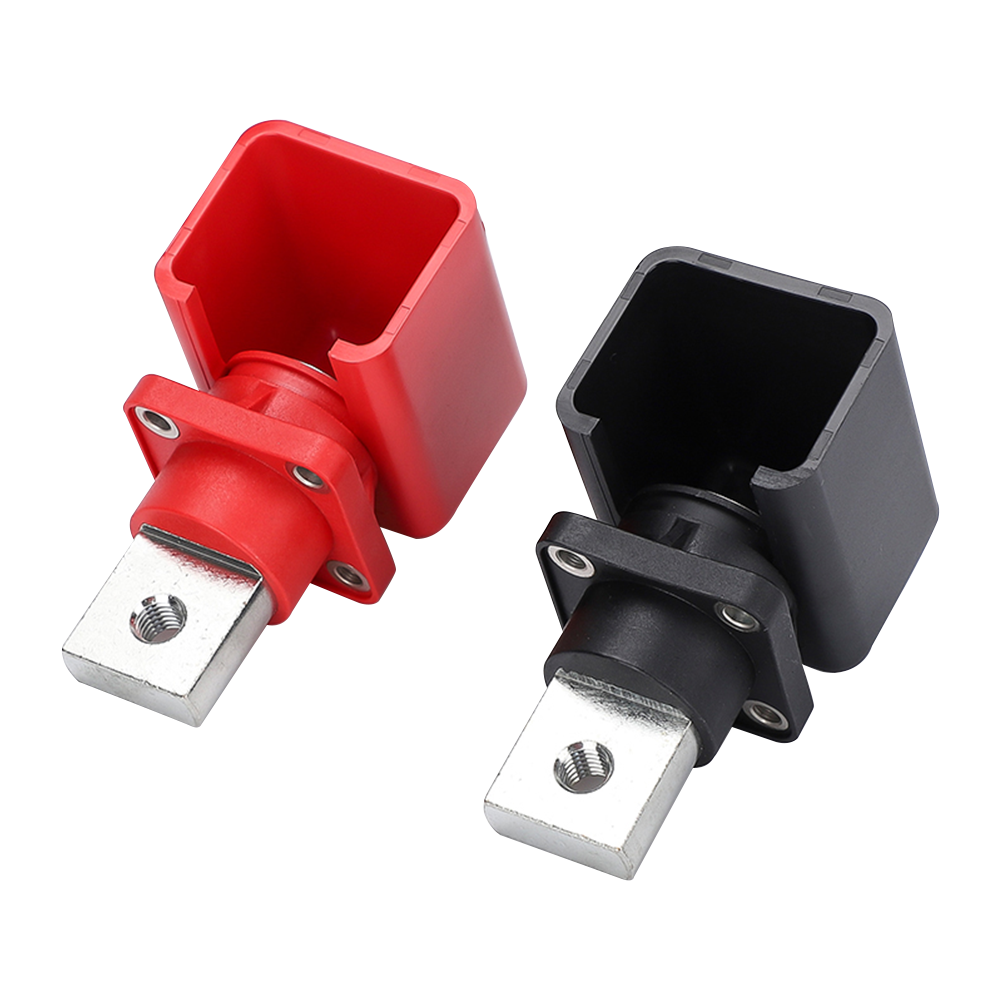
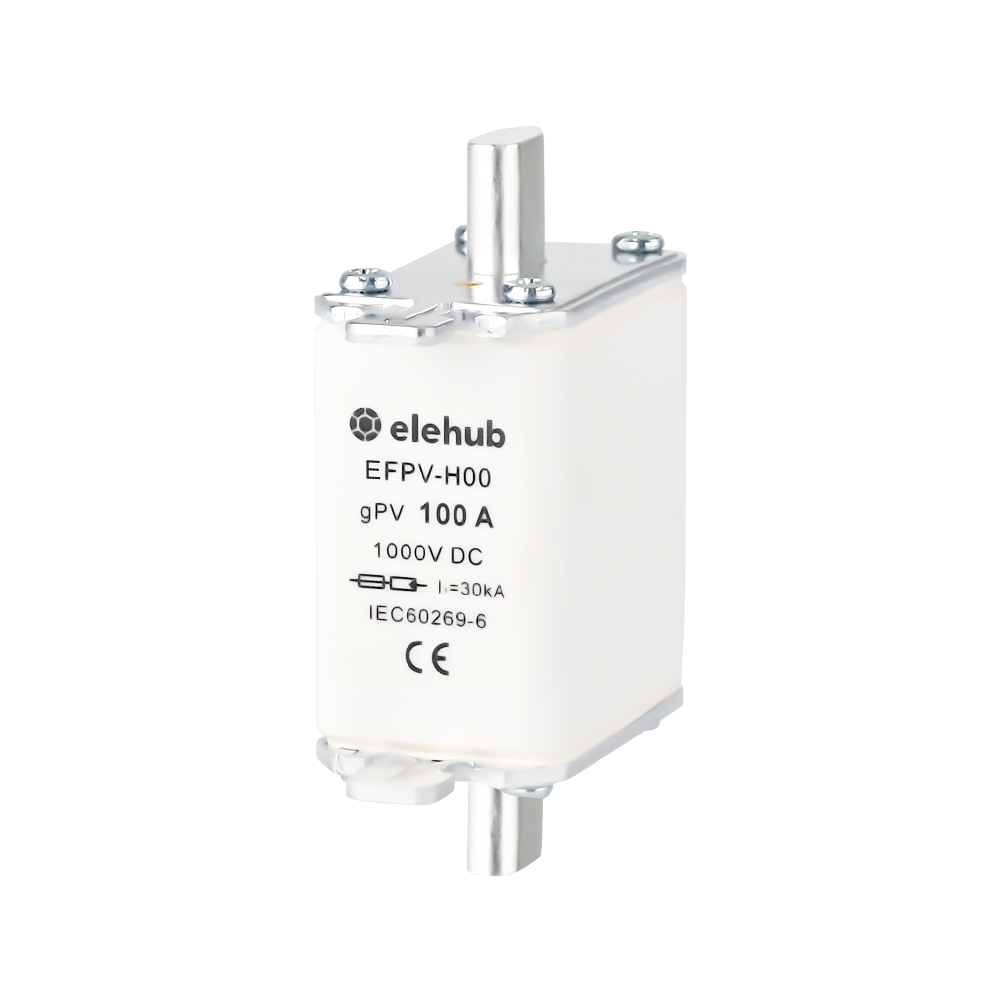
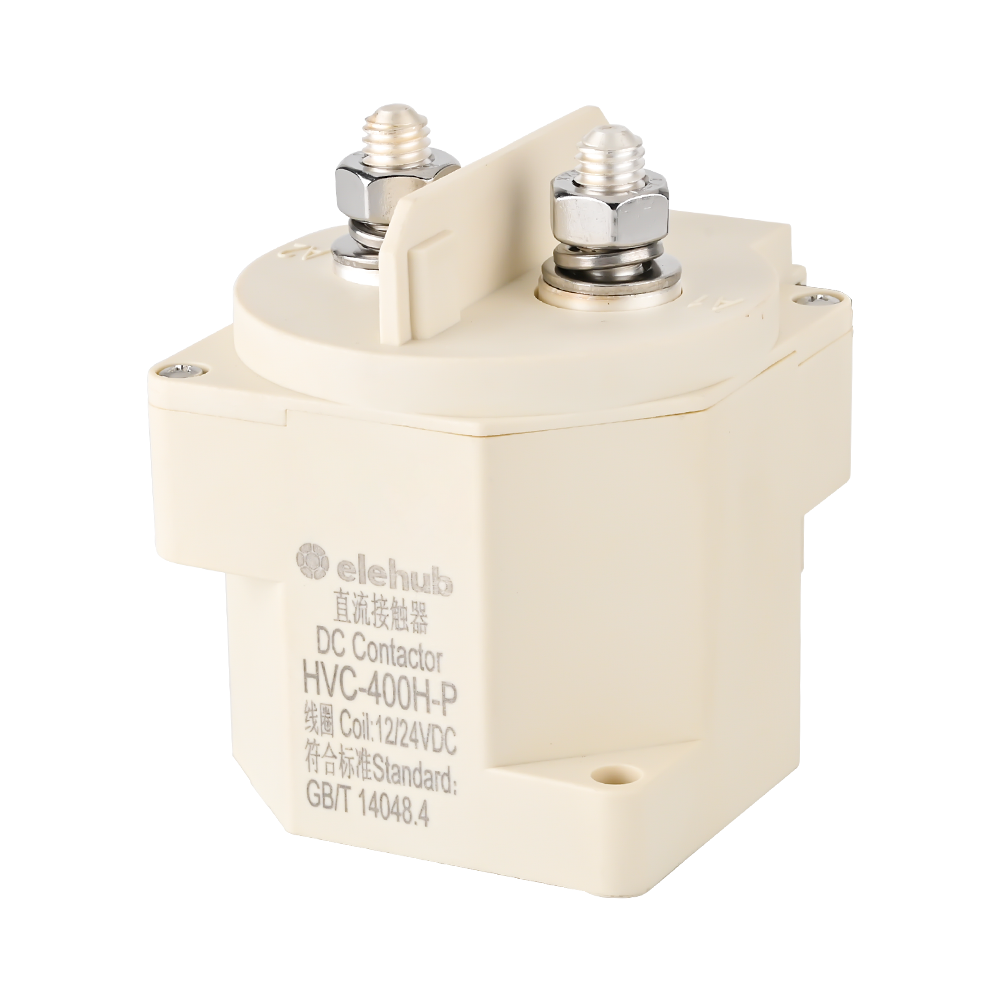
As a solar PV protection component manufacturer, ELEHUB supplies solar fuses, MC4 connectors, DC isolator switches, and DC surge protection devices (SPDs) for solar and other DC applications. With manufacturing capabilities and wholesale supply for distributors, installers, and project buyers, ELEHUB can provide properly specified components for different PV system requirements.

3. Inspect Solar Wiring and Connectors
Look for:
- Burn marks or discoloration
- Melted or cracked connectors
- Exposed wires
- Damaged insulation
- Loose or hanging cables
- Corrosion
- Water intrusion
- Physical damage
Have suspected electrical problems inspected by a qualified professional.
4. Keep the Inverter Properly Ventilated
Avoid installing equipment where excessive heat or poor ventilation could cause problems.
Keep the area around the inverter clear of unnecessary materials and follow the manufacturer’s installation and clearance requirements.
DOE guidance recommends protecting electrical equipment from environmental exposure and using appropriately rated enclosures.

Properly installed microinverter with adequate ventilation space
Source: By Maury Markowitz – Own work, CC BY-SA 3.0, https://commons.wikimedia.org/w/index.php?curid=13257637
5. Monitor System Performance
Pay attention to:
- Sudden drops in energy production
- Repeated inverter shutdowns
- Fault codes
- Frequent system resets
- Abnormal noises
- Burning smells
- Visible smoke or unusual heat
Persistent or unexplained changes should be investigated.
Can Lightning Cause Solar Panels to Catch Fire?
Lightning can damage solar panels and other PV equipment, although a lightning event does not mean that a fire will necessarily occur.
A properly designed system should include appropriate grounding, bonding, and surge protection based on the installation and applicable codes.
After a direct lightning strike or severe electrical storm, a professional inspection may be appropriate if the system shows visible damage, unusual performance, or fault notifications.

Can Rain Make Solar Panels Catch Fire?
Rain itself does not normally make solar panels more likely to catch fire. PV modules are designed for outdoor exposure, including rain.
The concern is water entering damaged or improperly protected electrical equipment.
For example, damaged cable insulation, cracked enclosures, defective connectors, or improperly sealed equipment can allow moisture to contribute to electrical problems.

What Should You Do If Your Solar Panels Catch Fire?
If you see smoke, flames, or signs of a serious electrical fault around a solar PV system, treat it as an electrical emergency.
✅ Do:
- Move people away from the affected area.
- Call the fire department.
- Tell emergency responders that the property has a solar PV system.
- Stay away from damaged panels, cables, and electrical equipment.
- Follow instructions from emergency responders.
❌ Do not:
- Touch damaged PV equipment.
- Walk across damaged solar panels.
- Attempt to disconnect burning equipment yourself.
- Assume that darkness or switching off the home’s main breaker eliminates every electrical hazard.
- Attempt to repair the system while it is energized.
Solar modules can continue producing electricity when exposed to sunlight. PV systems can present electrical hazards to firefighters because live components may remain energized during a fire.
For more detailed guidance on responding to fires involving photovoltaic systems, see DOE’s A Guide to Fire Safety with Solar Systems, which provides fire-safety information for both consumers and firefighters.
Solar Panel Fire Prevention Checklist
For homeowners and PV system owners, the following checklist provides a simple starting point:
- Use a qualified installer.
- Follow electrical and fire codes.
- Use compatible, properly rated components.
- Install connectors correctly.
- Secure and route cables properly.
- Inspect cables and connectors for damage.
- Keep electrical equipment ventilated and protected from water.
- Monitor inverter alerts and system performance.
- Address faults promptly.
- Have damaged equipment professionally inspected.
- Control vegetation around PV equipment where wildfire risk is relevant.
- Make sure emergency responders can identify the PV system.
For wildfire-prone properties, additional measures may include vegetation management, fire-resistant system design, and maintaining firefighter access.
Final Thoughts
Can solar panels catch fire? Yes, but solar panel fires are uncommon, particularly when the system is properly designed, installed, protected, and maintained.
The biggest concern is usually not the sunlight hitting the panel. Instead, fire risk can arise from electrical connections, DC wiring, connectors, arc faults, defective components, inverters, and installation problems.
For homeowners considering solar, the practical takeaway is simple: choose qualified installers, use compatible and properly rated components, follow applicable electrical and fire codes, monitor the system, and address signs of electrical problems promptly.
Solar technology is not completely fireproof—but with good engineering and proper installation, its fire risk can be effectively managed.
FAQs
Can solar panels catch fire in extreme heat?
Extreme outdoor temperatures alone do not normally cause a properly installed solar panel to catch fire. However, high temperatures can increase thermal stress on electrical components, while existing defects or electrical faults can cause localized overheating.
Can solar panels cause house fires?
They can contribute to a house fire if a PV component develops a serious electrical fault, but this is uncommon. Potential causes include faulty installation, defective components, damaged wiring, and electrical connection problems.
How common are solar panel fires?
Solar PV fires are uncommon. A properly designed, installed, and maintained system has a relatively low fire risk, although fires involving PV equipment can still occur.
Can a cracked solar panel cause a fire?
A cracked panel does not automatically mean a fire will occur, but physical damage can compromise electrical components and should be professionally inspected.
Can solar panel wires catch fire?
Yes. Damaged insulation, loose connections, poor cable management, excessive heating, or electrical faults can cause PV wiring to overheat or arc.
Do solar batteries increase fire risks?
Battery energy storage systems introduce additional considerations because lithium-ion batteries store large amounts of energy. Proper battery management systems, protection devices, and installation standards are essential.
Are older solar panels more likely to catch fire?
Older systems may have higher risks because electrical components can degrade over time. Aging cables, insulation damage, and outdated equipment should be inspected regularly.
Are solar panels safe on a roof?
Yes. A properly designed and professionally installed rooftop PV system is generally considered safe. Following applicable electrical and fire codes and maintaining the system properly can help keep fire risk low.