

Creepage vs Clearance: Key Differences in Electrical Insulation
Creepage and clearance are two fundamental measurements used in electrical insulation design. Both define the separation between conductive parts, but…

What Is a Solid-State Transformer: Architecture, Applications, and Its Impact on Power Distribution
A conventional transformer does one job well. It changes voltage through electromagnetic induction. Yet it can’t steer power, regulate frequency,…

Battery Precharge Circuit: Why It Matters and How It Works
There is a possibility that a battery pack may pass its voltage tests but still not start an inverter. The…

What Is a Power Converter? AC-DC, DC-AC, DC-DC, and AC-AC Explained
Power converters are essential in modern electrical and electronic systems. They change electrical power from one form to another so…

Overload vs Short Circuit: What’s the Difference?
Overload and short circuit are two common electrical fault conditions that can cause excessive current, overheating, equipment damage, and fire…

Battery Shunt Explained: How to Choose a Shunt Resistor for Battery Monitor
A battery monitoring system can only make good decisions when its current data is trustworthy. Charging current, discharge current, accumulated…

Megawatt Charging System (MCS): The Future of Ultra-Fast Charging for Electric Trucks
A 600-kWh-class truck battery changes the meaning of fast charging. Mercedes-Benz’s eActros 600 carries 621 kWh of installed battery capacity.…

ELEHUB to Showcase DC Electrical Components at Intersolar South America 2026
August 25–27, 2026 | Expo Center Norte, São Paulo, Brazil Booth: B4.80I ELEHUB is excited to announce its participation in…

Can Solar Panels Catch Fire? Causes, Risks, and Prevention Methods
Solar panels are designed to operate outdoors for decades, but like any electrical equipment, a solar photovoltaic (PV) system can…

What Causes a Contactor to Chatter? Common Causes and Troubleshooting Guide
A contactor is an electrically controlled switch used to control high-power electrical loads such as motors, HVAC systems, EV charging…

Why Data Center Power Distribution Is Moving from AC to HVDC Systems
The electrical chain inside a data center used to be fairly predictable. Medium-voltage utility AC entered the site, transformers stepped…

What Is Arc Quenching in Circuit Breaker: Working Principles, Technologies, and Applications
Interrupting an electrical circuit is far more complex than simply separating two contacts. When a circuit breaker opens under load…

Types of Solar Batteries: A Complete Guide to Solar Energy Storage
In the current era, while approximately 8% of people don’t have access to electricity and the majority of the remaining…

Reversing vs Non-Reversing Contactor: Selection Guide for Engineers
In modern electrical power systems—ranging from EV charging infrastructure and battery energy storage systems (BESS) to industrial automation and HVAC…

Hydraulic Magnetic vs Thermal Circuit Breaker: Which One is Better?
Not all circuit breakers respond to overcurrent in the same way. Understanding the differences between a Hydraulic Magnetic vs Thermal…

How to Connect MC4 Connectors: Step-by-Step Guide for Solar Panels
MC4 connectors are the industry standard for connecting photovoltaic (PV) solar panels in modern solar power systems. Whether used in…

Fixed vs Drawout Circuit Breakers: Key Differences, Applications & Selection Guide
Circuit breakers are essential protective devices in electrical power distribution systems. Their primary function is to interrupt fault currents and…

What Does IP Rating Mean in Electrical Applications? (Complete Guide)
In modern electrical and electronic engineering, performance is no longer defined only by voltage, current, or switching capability. Environmental resistance…

Energy Storage Technologies Explained: Types, Working Principles, and Applications
As renewable energy adoption accelerates worldwide, energy storage technologies are becoming essential for grid reliability, renewable integration, electric vehicles, and…

Shunt Resistor Materials Explained: Properties, Comparison & Selection Guide
A shunt resistor is a main component of a current-sensing system and is commonly used in power electronics, electric vehicles,…

What are Telecom DC Power Systems and How They Work?
Telecom DC power systems provide stable and continuous power for operating telecommunications equipment. Their primary function is to convert AC…

Breaking Capacity of Circuit Breakers: ACB, MCB & MCCB Guide
Circuit breakers are a main component of an electrical power system, and one of their most important factors is breaking…

Do Circuit Breakers Work in Both Directions? AC vs DC Breaker Direction Explained
Circuit breakers are designed to protect electrical systems from overloads, short circuits, and dangerous fault conditions. They automatically interrupt current…

What is Industrial Automation and How Does It Work in Industry?
In today’s advanced technological world, accuracy, high-speed processes, and efficiency are important factors. Industrial automation is considered a key element…

What is Material Handling Equipment? Types, Benefits, and Applications
Industrial material handling equipment includes various tools, machines, and systems used for moving, storing, controlling, and protecting materials during manufacturing…

Data Center Energy Efficiency: PUE, Power Consumption & Best Practices
Data centers are considered a main part of the digital economy, IoT systems, global communication, and delivering power to cloud…

EV Charging Protocols and Standards Explained (Complete Guide to CCS, CHAdeMO, GB/T, NACS & ISO 15118)
EV charging protocols and standards are technical rules that define how electric vehicles, charging stations, and energy systems communicate, connect…

IoT Circuit Breakers: The Next Generation of Intelligent Electrical Protection
As electrical systems become increasingly complex and interconnected, they face growing challenges in ensuring reliable and safe operation. Nowadays, conventional…

Hall Effect Current Sensor vs Shunt Resistor: Key Differences, Advantages & Applications
For measuring current flow in circuits, two commonly used techniques or devices are the shunt resistor, which is a low-resistance…

Golf Cart Solenoid Guide: Function, Types, Testing & Replacement
Golf carts were originally designed for golf courses but are now widely used in resorts, communities, airports, and industrial facilities.…

Auxiliary Contacts in Electrical Systems: Types, Wiring, & Uses
Auxiliary contacts are important components used in electrical power systems and are commonly employed in automation and control circuits. Although…

Solar Disconnect Switch: What It Is, How It Works, Types, and Standards
A solar disconnect switch is a critical safety device in photovoltaic (PV) systems that isolates power during maintenance, emergencies, or…

Surge Protection Device Types Explained: Type 1 vs Type 2 vs Type 3 SPD
Surge Protective Devices (SPDs), also known as surge protectors or lightning arresters, are used to protect electrical and electronic equipment…

Forklift Battery Connectors: Types, Specifications, and Selection Guide
Forklifts are essential in modern material handling and industrial operations, relying on efficient and reliable power systems. At the core…

Contactor Coil Complete Guide: Voltage, Current, Testing, and Troubleshooting
The contactor coil is a key component in circuits that control high-power devices, such as heating elements, lighting systems, and…

What Is a Semiconductor Fuse? Definition, Working Principle, and Applications
A semiconductor fuse is a high-speed protective device designed to protect sensitive power electronics such as IGBTs, diodes, and thyristors.…

Top 10 High Voltage Contactor Manufacturers & Suppliers for 2026
High voltage contactors are a very demanding part of electrical systems today. Be it for electric vehicles, large machinery in…

Data Center Energy Storage: The Role of BESS in Reliable and Sustainable Power
Data centers deliver power to digital services such as video streaming and cloud computing, all of which require a constant…

Top 11 High Voltage Fuse Manufacturers for 2026
As the world increasingly depends on high voltage systems for power distribution, the demand for reliable circuit protection is more…

DC Circuit Breaker Polarity Explained: Choosing the Right Solution for Your Application
Direct current systems are widely used today. Solar power plants, energy storage systems, electric vehicles, and telecom networks all rely…

The Role of BDU and PDU in Electric Vehicles
The automotive industry regularly transforms due to the adoption of advanced systems and new components. One of the most important…

Epoxy vs Ceramic DC Contactors: A Deep Technical Comparison
High-voltage DC contactors are vital components in modern electrical systems. They control and switch direct current (DC) circuits safely, ensuring…

MC3 vs MC4 vs MC6 Solar Connectors: Key Features, Advantages, and Applications
Solar connectors, also known as photovoltaic (PV) connectors, play a critical role in photovoltaic systems by ensuring safe, stable, and…

RV Battery Disconnect Switch: Complete Guide to Benefits, Installation & Troubleshooting
Power management is crucial for safe travel, easy camping, and extending battery life in an RV. One key device in…

Importance of Surge Protection for Solar Systems
Nowadays, solar energy is one of the most important renewable energy sources, providing clean and reliable power. Solar installations are…

Low-Voltage vs. High-Voltage Contactors: Features, Applications & Selection Guide
The contactor is an electrical device used to control electrical circuits and switch power to a load. It is essentially…

Types of Current Sensors: Principle, Advantages & Applications Explained
Current and voltage are the fundamental measurements of electrical and electronic systems, used to represent different physical variables. Current sensors…

What is a HRC Fuse: Types, Advantages, and Applications
In the world of electrical engineering, safety is the top priority. One way to ensure this is the use of…

Residential vs Industrial Circuit Breaker: Key Differences, Types, and How to Choose
Our homes, offices, and industries run on power. However, it also has severe dangers when not regulated well. Circuit breakers…

Automotive High Voltage Contactor for EV and HEV: Working Principle and Applications
High-voltage contactors, also known as high-voltage relays, play a crucial role in electric vehicles (EVs) and hybrid electric vehicles (HEVs).…

Top DC Contactor Manufacturers in China
DC contactors serve as critical switching components in modern electrical systems, from renewable energy installations to electric vehicle charging infrastructure.…

AC vs DC EV Charging: What Are Their Differences?
Electric vehicle adoption continues accelerating worldwide, and understanding charging technology becomes increasingly relevant for current and prospective EV owners. Two…

What Is a Battery Management System & Why It Matters
A Battery Management System (BMS) represents the sophisticated electronic control unit that governs every aspect of modern battery pack operation.…

Know Different Types of PV System Certification
PV system certification serves as the foundation for safe, reliable, and high-performing solar installations worldwide. Understanding the various types of…

What is a Commercial Solar PV System (Also Commercial Solar Arrays)
Commercial solar PV systems represent one of the most significant opportunities for businesses to reduce operating costs while contributing to…

What Are EV Charging Station Components?
The electric vehicle revolution is modernizing transportation, and with it comes the critical need for robust and reliable charging infrastructure.…

High Voltage vs Low Voltage Energy Storage Systems
Energy storage technology has become the backbone of modern electrical systems, enabling everything from grid stabilization to electric vehicle operation.…

Why Does Surge Protection for Solar Systems Matter
A solar system represents a significant investment in clean, renewable energy, but without proper surge protection, that investment remains vulnerable…

BESS Safety 101: Standards and Risks
Battery Energy Storage Systems (BESS) are powering everything from homes to cities. As demand grows for backup power and renewable…

EV Charging Station Safety: Risks & Rules
Charging an electric vehicle seems as routine as plugging in your phone. But beneath that convenience lies powerful electrical systems,…

How Do EV Charging Stations Work? A Complete Guide
Electric vehicles are revising how we think about transportation, and understanding the technology that powers them becomes more relevant each…

How Does a Solar Power System Work? (Why DC Components Are Essential)
Solar power has changed from a futuristic concept into a mainstream energy solution powering millions of homes and businesses worldwide.…

What is a BESS Container? The Heart of Modern Energy Storage
The global shift toward renewable energy and grid modernization has accelerated the adoption of battery energy storage systems (BESS). Among…

A Complete Look at Components of Solar Power Systems
Solar energy has shifted the way we generate electricity, offering a clean, renewable alternative to traditional fossil fuels. However, converting…

How Do Battery Energy Storage Systems Work
How do modern power grids manage to maintain a stable electricity supply despite unpredictable renewable energy sources? Or perhaps you’re…

A Guide to Battery Energy Storage System Components
Are you tasked with specifying a battery energy storage system but overwhelmed by the complexity of its various components? Or…

What Is the Difference Between AC and DC SPDs?
Are you struggling to choose the right surge protection device for your electrical system? Confused about whether your solar panels,…

What Is a Surge Protector Used For?
Ever plugged in an expensive electronic device and wondered if you’re putting it at risk? Or maybe you’ve experienced the…

What Are Surge Protectors (SPDs)? Guide to Surge Protection
Have you ever wondered why your expensive electronics suddenly stop working after a thunderstorm? Or maybe you’ve experienced the frustration…

Electrical Grounding Explained: Basics & Standards
Severe financial losses, major shocks, and expensive downtime can result from electrical malfunctions in an industrial facility. If you want…

What Are Voltage Ranges
Electricity powers nearly every aspect of modern life, from the lights in our homes to the turbines in power plants.…

Electrical Connector: Choosing the Right Connection with ELEHUB
Electrical connectors are the invisible enablers behind every reliable energy and signal transmission system. Though often overlooked, they are critical…

What Is a Ground Fault & Ground Fault Protection
You flip a switch. The lights come on. You plug in your device, and it charges. Electricity is seamless, until…

How to Choose the Right Fuse for Circuit: A Complete Guide for Beginners
Fuses are key protective devices in DC electrical systems for safety and performance. However, they come in different forms for…

Where to Buy Circuit Breakers (For B2B Buyers)
The right circuit breaker protects an electrical system and your entire operation. Sourcing circuit breakers isn’t a one-off purchase for…

Industrial Wiring & Electrical Installation
Industrial wiring and electrical installation ensure safety, efficiency, and compliance in industrial settings. Get to know more about wiring types,…

Circuit Breaker Installation Guide: Step-by-Step Instructions
Circuit breakers protect electrical systems from overloads and short circuits. Proper installation ensures safety and system reliability, whether at home…

Does Voltage Matter on a Fuse?
Fuses protect circuits from damage by breaking the flow of electricity during faults. But one question often arises: Does voltage…

Are Fuses Directional and Why?
Safety is vital for industrial and home appliances, and fuses play a crucial role in this regard. Fuses help to…

Do Solar Panels Have Fuses?
Solar panel systems are a fantastic way to use clean energy, but ensuring their safety and efficiency is critical. One…

DC Arc Flash Explained: Risks & Mitigation Strategies
DC arc flash is a critical safety concern in modern electrical systems, particularly with the rise of direct current (DC)…

Time Delay vs Fast Acting Fuse – Key Differences Explained
Fuses are critical for protecting electrical circuits, but time delay vs fast acting fuse can be confusing. The right fuse…

Single vs Double Pole Circuit Breaker
Circuit breakers are critical in commercial, industrial, and multi-unit residential projects. Single vs double pole circuit breaker is an inevitable…

What Is a Shunt in a Solar System?
Curious about how your solar system tracks energy flow? The answer lies in a small but essential device: the shunt.…

What Size Breaker for EV Chargers & Charging Stations?
Electric vehicle (EV) chargers power home sedans, electric scooters, buses, and commercial fleets. Correct breaker size guarantees safety and electrical…

UL 508 vs UL 489: What Is the Difference?
Understanding UL 508 (industrial control equipment) vs UL 489 (branch circuit protection) is critical for ensuring electrical safety and compliance…

UL 489 vs UL 1077: The Circuit Protection Standards
The decision of UL 489 vs UL 1077 can be a make-or-break moment for an electrical project. These Underwriters Laboratories…

Do Electric Cars Have Fuses? A Deep Dive into EV Fuses
If you’re asking, “Do electric cars have fuses?” the answer is a definitive yes. Unlike gas guzzlers, EVs lean on…

Solar Panel Circuit Breakers: 4 Types & Installation
Solar power provides a clean, renewable future—until an electrical fault threatens your system. That’s where circuit breakers enter the picture.…

What Is an Electrical Switch?
What is an electrical switch? It’s more than just an on/off gadget; the electrical switch is a fundamental part of…

Type A, B, C and D Miniature Circuit Breakers: What Are the Differences
Miniature circuit breakers (MCBs) are essential in electrical systems, for they protect circuits from overloads and short circuits. Type A,…

Air Circuit Breakers Explained
The Basics of Air Circuit Breakers An air circuit breaker is an electromechanical device that switches off electrical current automatically…

Low Voltage vs High Voltage (also Medium Voltage)
Imagine flipping a switch to light up your bedroom—a modest 120 volts does the trick. Now imagine the enormous transmission…

AC vs DC Fuse: What’s the Difference Between AC and DC Fuse?
Ever been curious why your solar panel system’s fuse differs from the one in the household application? The answer lies…

Fuse vs Circuit Breaker: Key Differences Explained
Why the “Fuse vs Circuit Breaker” Matters? Electrical systems are the foundation of modern living, powering everything from lights to…

How to Check a Fuse with a Multimeter? A Simple Step-by-Step Guide for Beginners
Imagine you’re driving and the headlights flicker out. This often traces back to a blown fuse—a tiny component that sacrifices…

Exploring Fuse Types (with a Focus on DC Fuses)
Safety and reliability are the primary concerns in all electrical systems. Fuses play a critical role by providing a fail-safe…

What is a Fuse: Understanding Fuses and Their Importance
There are not many components more essential and straightforward than fuses in electric safety. Whether it’s safeguarding your home wiring,…

What Are UL Standards: A Focus on DC Electrical Components
Underwriters Laboratories (UL) was founded in 1894 as a global safety science organization that develops over 1,300 standards for the…

How to Replace a Circuit Breaker: Step-by-Step Guide
Circuit breakers are protective appliances that disable electrical currents from causing undue damage when there is excess current flow. They…

Functions and Purpose of Circuit Breakers: Protecting Electrical Systems
We depend on electrical systems for powering anything from our homes to our businesses and industrial operations. The increased use…

What is a Circuit Breaker? Types, Working Principle, and Applications in 2026
Electricity powers everything in our world today, from household appliances to massive industrial machinery. On the other hand, electricity is…

What Does a Shunt Resistor Do?
Shunt resistors are used as elements in several electronic devices and systems due to their low cost and simple way…

Shunt Resistor Current Measurement for Accurate Results
Measuring current accurately is essential in electrical and electronic applications ranging from industrial machinery to renewable energy systems. One of…
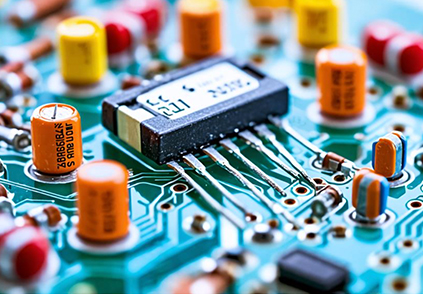
What Is a Shunt Resistor? The Ultimate Guide to Its Basics & Applications
From simple implementations in battery management systems to the highly complex in industrial applications, it allows us to measure the…
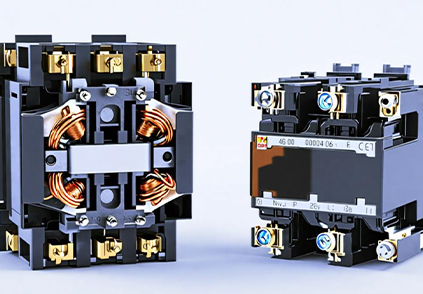
What’s the Difference Between AC and DC Contactors? A Detailed Guide
Understanding the key differences between AC and DC contactors is vital for dealing with electrical systems. AC contactors are designed…

DC Contactor Working Principle: How Do DC Contactors Work?
The DC contactor is one of the important parts of the modern electrical system. They are applied for controlling and…

How to Choose the Right DC Contactor for Different Applications
How to choose the right DC contactor determines the efficiency, safety, and performance of the electrical system. Starting from EVs…

DC Contactors Explained: Everything You Need to Know
DC contactors play an important role in applications that range from electric vehicles to industrial machinery. Often hidden, they are…

Different Types of DC Electrical Components
From simple home appliances and complex industrial machinery to renewable systems, DC electrical components have become highly important in modern…

What is the Difference Between a Relay and a Contactor?
Relays and contactors are both electromagnetic switches, but they differ in their design, capacity, and application. Understanding the difference between…

What is an AC Contactor & How to Tell if It’s Failing? (7 Warning Signs)
What is an AC Contactor? An AC contactor is an electrical switch that controls power to your air conditioner’s compressor…

How Does Circuit Breaker Work? Working Principle Explained
Circuit breakers are fundamental components in modern electrical systems, functioning as critical safety devices designed to protect an electrical circuit…

The Ultimate Guide to Understanding Different Types of Circuit Breakers
A circuit breaker justifies its existence within an electrical circuit because it has the mission of suppressing excessive current circulation…