Are you tasked with specifying a battery energy storage system but overwhelmed by the complexity of its various components? Or perhaps you’re trying to understand why BESS installations require so many different subsystems beyond just batteries?
Battery energy storage system components include the core battery modules, power conversion systems (PCS), energy management systems (EMS), thermal management systems, safety and protection devices, electrical infrastructure, and monitoring equipment.
Each component plays a critical role in ensuring safe, efficient, and reliable energy storage and delivery, working together as an integrated system to provide grid services, backup power, and energy optimization.
This comprehensive guide will walk you through each essential component, explaining their functions, specifications, and how they integrate to create a complete BESS solution.
Core Battery Components
Battery Cells: The Foundation of Energy Storage
The heart of any BESS lies in its electrochemical storage components. Modern battery energy storage system components begin with individual battery cells that convert electrical energy into chemical energy for storage:
Lithium-Ion Cell Technologies:
- Lithium Iron Phosphate (LFP): Excellent thermal stability and cycle life, making them ideal for utility-scale applications requiring safety and longevity.
- Nickel Manganese Cobalt (NMC): Higher energy density suitable for space-constrained installations.
- Lithium Titanate (LTO): Ultra-fast charging capabilities and exceptional cycle life for high-frequency cycling applications.
Cell Specifications and Performance: Individual cells typically operate at 3.2-3.7 volts with capacities ranging from 50Ah to 500Ah. Key performance parameters include:
- Energy Density: Measured in Wh/kg, determining system size and weight.
- Power Density: Measured in W/kg, affecting charge/discharge rates.
- Cycle Life: Number of charge/discharge cycles before capacity degradation.
- Calendar Life: Expected operational lifespan under normal conditions.
Battery Modules and Racks

Module Construction: Battery cells are organized into modules containing multiple cells in series and parallel configurations. Typical modules include:
- Cell Configuration: 16-32 cells per module in various series/parallel arrangements.
- Voltage Levels: Module voltages typically range from 48V to 1,500V DC.
- Capacity Scaling: Modules can be combined to achieve the desired energy capacity.
- Mechanical Protection: Robust enclosures protect cells from environmental factors.
Rack Systems: Multiple modules are mounted in standardized rack systems that provide:
- Structural Support: Earthquake-resistant mounting systems.
- Electrical Connections: Bus bars and high-current electrical connectors.
- Thermal Management: Integrated cooling pathways.
- Maintenance Access: Removable modules for service and replacement.
- Battery Protection: Integrated BMS (Battery Management System) safeguards against overvoltage, undervoltage, overcurrent, and thermal runaway.
-
Automation: Intelligent control systems enable real-time monitoring, predictive maintenance, and automatic fault isolation for enhanced safety and performance.
Power Conversion Systems (PCS)

Source: https://www.tls-containers.com/tls-blog/the-working-mode-of-pcs
Bidirectional Inverters
Among the most critical battery energy storage system components, the PCS manages all electrical conversion between DC battery storage and AC grid connections:
Core Conversion Functions:
- DC to AC Inversion: Converting stored DC battery power to grid-compatible AC electricity.
- AC to DC Rectification: Converting incoming AC power to DC for battery charging.
- Grid Synchronization: Maintaining precise voltage, frequency, and phase alignment.
- Power Quality Control: Filtering harmonics and managing reactive power.
Advanced Power Electronics: Modern PCS units incorporate cutting-edge semiconductor technology:
- Silicon Carbide (SiC) Semiconductors: Higher efficiency and reduced cooling requirements.
- Gallium Nitride (GaN) Technology: Faster switching and improved power density.
- Advanced Control Algorithms: Real-time optimization of conversion efficiency.
Transformer and Electrical Infrastructure
Step-Up Transformers: Essential battery energy storage system components for grid integration include:
- Voltage Matching: Converting PCS output to grid voltage levels.
- Isolation: Providing electrical isolation between BESS and the grid.
- Protection: Incorporating protective devices for fault conditions.
Switchgear and Protection:
- Medium Voltage Switchgear: For utility-scale installations.
- Circuit Breakers: Rapid disconnection capability for safety.
- Protective Relays: Automated protection against electrical faults.
- Metering Equipment: Revenue-grade meters for grid transactions.
Energy Management Systems (EMS)
Control and Monitoring Hardware
The EMS represents the “brain” of battery energy storage system components, coordinating all system operations:
Central Control Units:
- Industrial Computing Platforms: Ruggedized computers for harsh environments.
- Real-Time Operating Systems: Ensuring millisecond response times.
- Communication Interfaces: Multiple protocols for grid and system integration.
- Data Storage: Local and cloud-based data logging capabilities.
Human-Machine Interface (HMI):
- Operator Workstations: Local control and monitoring capabilities.
- Touch Screen Displays: Intuitive interfaces for system operators.
- Alarm Management: Prioritized alerting for operational events.
- Remote Access: Secure remote monitoring and control capabilities.
Software and Control Algorithms
Battery Management Software: Critical software components include:
- State of Charge (SOC) Calculation: Precise energy level monitoring.
- State of Health (SOH) Assessment: Battery degradation tracking.
- Cell Balancing Control: Maintaining uniform cell voltages.
- Predictive Analytics: Forecasting maintenance requirements.
Grid Integration Software:
- Frequency Regulation Algorithms: Automated response to grid frequency deviations
- Economic Optimization: Market-based charging and discharging decisions
- Grid Code Compliance: Ensuring adherence to utility interconnection requirements
Thermal Management Systems
Active Cooling Components

Source: https://www.mdpi.com/2313-0105/10/7/224
Thermal management represents critical battery energy storage system components for safe and efficient operation.
Liquid Cooling Systems:
- Coolant Circulation Pumps: Maintaining continuous coolant flow.
- Heat Exchangers: Removing heat from battery modules.
- Coolant Distribution Manifolds: Ensuring uniform cooling across all modules.
- Temperature Control Valves: Modulating coolant flow based on thermal loads.
Air Cooling Systems: For smaller installations, air cooling components include:
- Variable Speed Fans: Energy-efficient air circulation.
- Air Filtration Systems: Protecting equipment from contaminants.
- Ductwork and Plenums: Directing airflow for optimal cooling.
- Environmental Controls: Managing humidity and temperature.
Thermal Monitoring and Control
Temperature Sensing Networks:
- Distributed Temperature Sensors: Monitoring at cell, module, and system levels.
- Thermal Imaging Systems: Non-contact temperature monitoring.
- Data Acquisition Systems: Real-time thermal data collection.
- Predictive Thermal Modeling: Anticipating thermal conditions.
Safety and Protection Systems
Fire Detection and Suppression
Safety represents a paramount consideration among battery energy storage system components:
Fire Detection Systems:
- Multi-Spectrum Flame Detectors: Optical detection of various fire types.
- Smoke Detection Networks: Early warning of thermal events.
- Gas Detection Systems: Monitoring for hazardous gas emissions.
- Thermal Runaway Detection: Specialized sensors for battery-specific. hazards
Fire Suppression Equipment:
- Clean Agent Systems: Protecting electronics without water damage.
- Water Mist Systems: Effective cooling and suppression for large installations.
- Isolation Systems: Containing fires to specific zones.
- Emergency Ventilation: Removing hazardous gases during incidents.
Electrical Protection Devices
Overcurrent Protection:
- DC Circuit Breakers: Specialized breakers for DC fault interruption.
- Fuses and Disconnects: Backup protection for various system sections.
- Ground Fault Detection: Identifying insulation failures.
- Arc Fault Protection: Detecting and interrupting dangerous electrical arcs.
Personnel Safety Systems:
- Emergency Shutdown Controls: Immediate system de-energization.
- Lockout/Tagout Equipment: Safe maintenance procedures.
- Personal Protective Equipment Storage: On-site safety equipment.
- Safety Interlocks: Preventing access to energized equipment.
Communication and Control Infrastructure
Network Communications
Modern battery energy storage system components require sophisticated communication capabilities:
Industrial Communication Protocols:
- Modbus TCP/IP: Standard industrial protocol for device communication.
- IEC 61850: Power system communication standard.
- DNP3: Utility-grade communication protocol.
- Ethernet Networks: High-speed data communication backbone.
Grid Integration Communications:
- SCADA Interfaces: Supervisory control and data acquisition.
- Market Participation Platforms: Automated bidding in energy markets.
- Utility Communication Gateways: Secure connections to grid operators.
- Cybersecurity Infrastructure: Protecting against cyber threats.
Data Management Systems
Local Data Storage:
- Historian Servers: Long-term operational data storage.
- Backup Systems: Redundant data protection.
- Edge Computing: Local processing for time-critical functions.
- Data Analytics Platforms: Performance optimization and reporting.
Auxiliary Power and Support Systems

Uninterruptible Power Supplies (UPS)
Critical battery energy storage system components include backup power for control systems:
Control System Power:
- UPS Systems: Maintaining control of power during outages.
- DC Power Supplies: Powering control circuits and instrumentation.
- Emergency Lighting: Safety illumination during emergencies.
- Communication Power: Ensuring continuous connectivity.
Environmental Control
HVAC Systems:
- Precision Air Conditioning: Maintaining optimal environmental conditions.
- Humidity Control: Preventing condensation and corrosion.
- Air Quality Management: Filtering and purifying incoming air.
- Backup Environmental Systems: Redundant climate control.
Mechanical and Structural Components
Enclosures and Housing
| Components | Use |
| NEMA-Rated Cabinets | Protection from environmental conditions. |
| Seismic-Rated Structures | Earthquake resistance for safety. |
| Corrosion-Resistant Materials | Long-term durability in harsh environments. |
| Access Control Systems | Secure entry for authorized personnel. |
Foundation and Installation Infrastructure
| Concrete Foundations | Stable mounting for heavy equipment. |
| Grounding Systems | Electrical safety and protection. |
| Cable Management | Organized routing of power and control cables. |
| Perimeter Security | Fencing and access control for installations. |
The Importance of DC Electrical Components in BESS

While power conversion systems manage the transition between DC and AC, the efficiency and reliability of a Battery Energy Storage System (BESS) begin at the DC side, with its foundational electrical components.
DC Switchgear and Protection
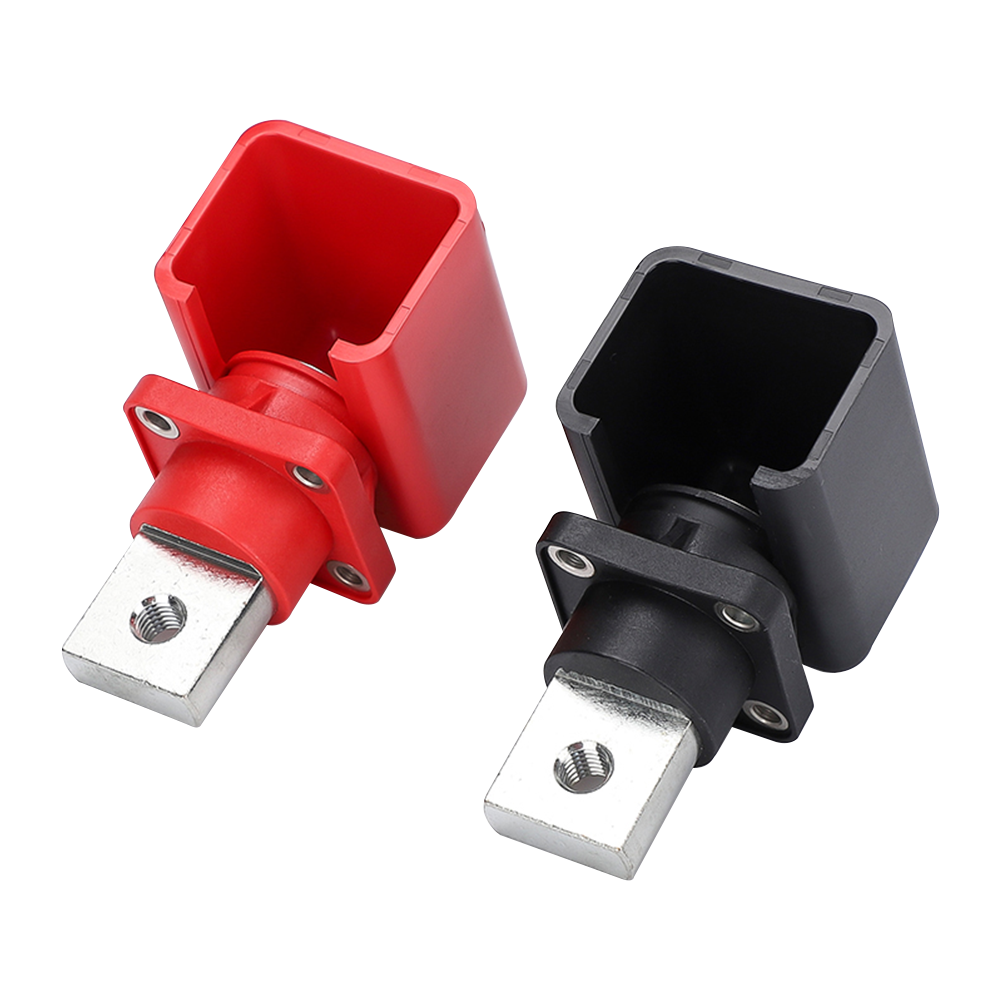
DC components form the backbone of BESS power flow. From the battery modules to the PCS, maintaining safe and uninterrupted current flow is crucial. High-quality DC isolators, DC fuses, and DC contactors ensure that battery strings can be safely disconnected during maintenance or fault conditions without compromising the rest of the system.
Busbars and Conductors
Optimized DC power distribution relies on robust busbar systems designed to handle high currents while minimizing losses. Material selection, thermal performance, and conductor sizing are all crucial in preventing overheating and ensuring optimal energy efficiency.
Monitoring and Control at the DC Level
Voltage, current, and temperature sensors at the DC level feed critical data into the EMS and BMS (Battery Management System).
Accurate readings allow for real-time health monitoring, predictive maintenance, and optimized charging cycles, ultimately extending battery lifespan.
Proper containment, whether in enclosures or cable routing trays, is vital to mitigate risks of short circuits, arcing, and thermal runaway.
Energy storage system electric solutions, such as those offered by ELEHUB emphasize safety, modular scalability, and compliance with international electrical standards for high-voltage DC installations.
Incorporating reliable and well-engineered DC electrical components is not only essential for safety but also for long-term performance and efficiency in any BESS deployment.
Final Thoughts
Understanding battery energy storage system components is essential for designing, specifying, and maintaining effective BESS installations. Each component plays a crucial role in the overall system performance, safety, and reliability.
The integration of these diverse components requires careful planning, proper specification, and expert installation to ensure optimal performance.
Equipped with high-performance DC electrical components ensures proper component selection, integration, and commissioning for maximum system value and performance. The complexity of modern BESS installations demands expertise in electrical systems, energy management, and safety protocols to achieve successful project outcomes.