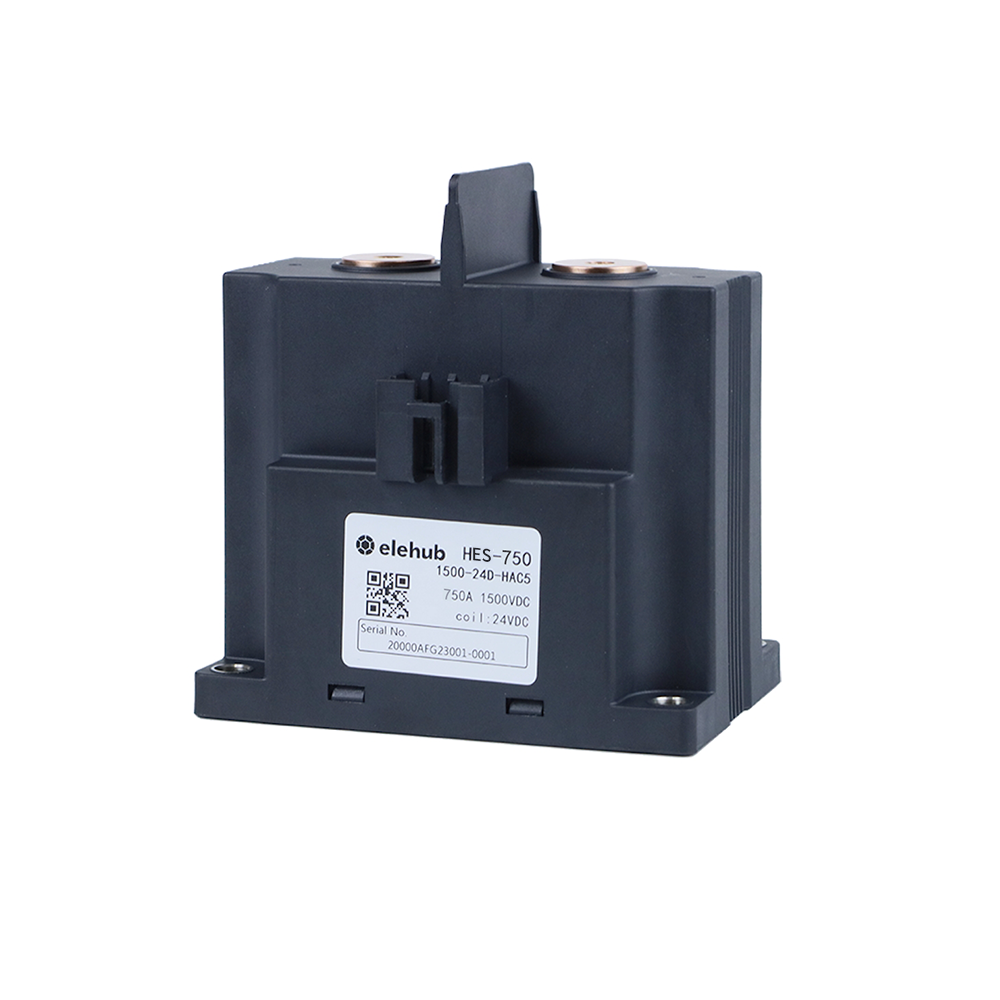
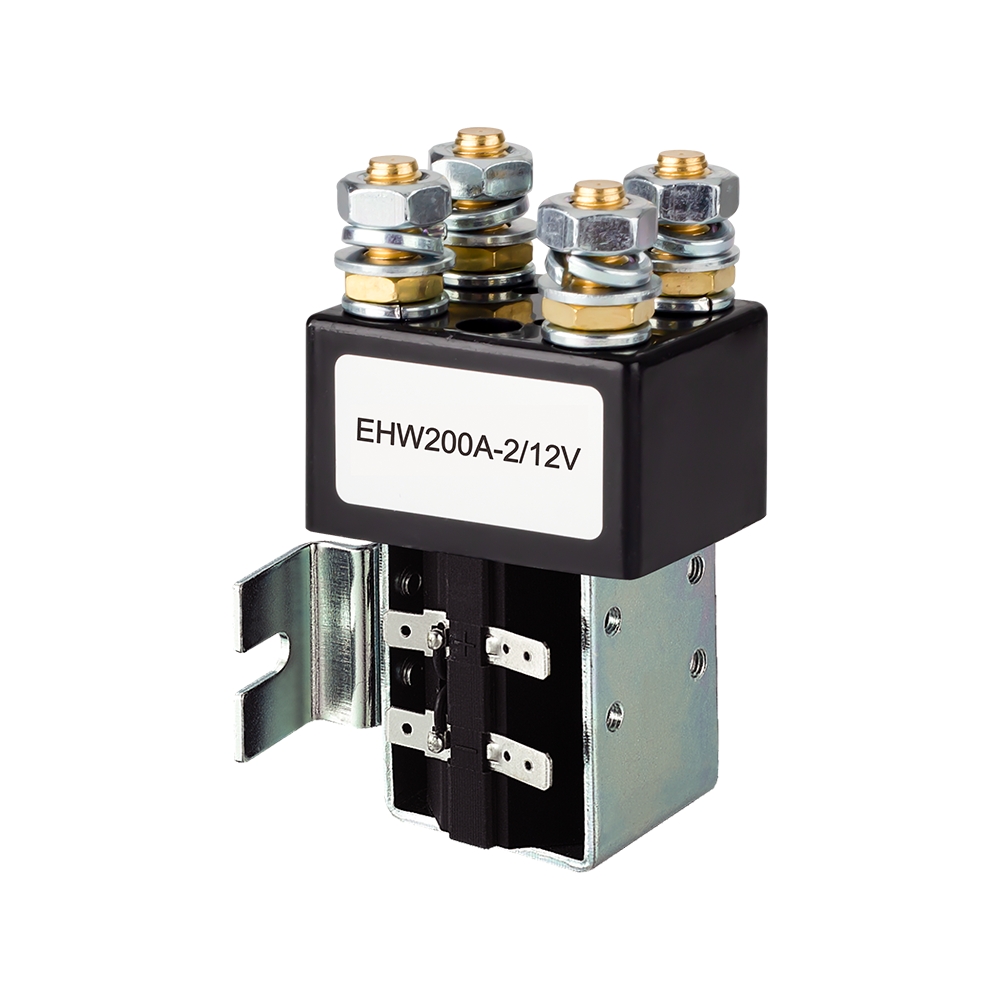
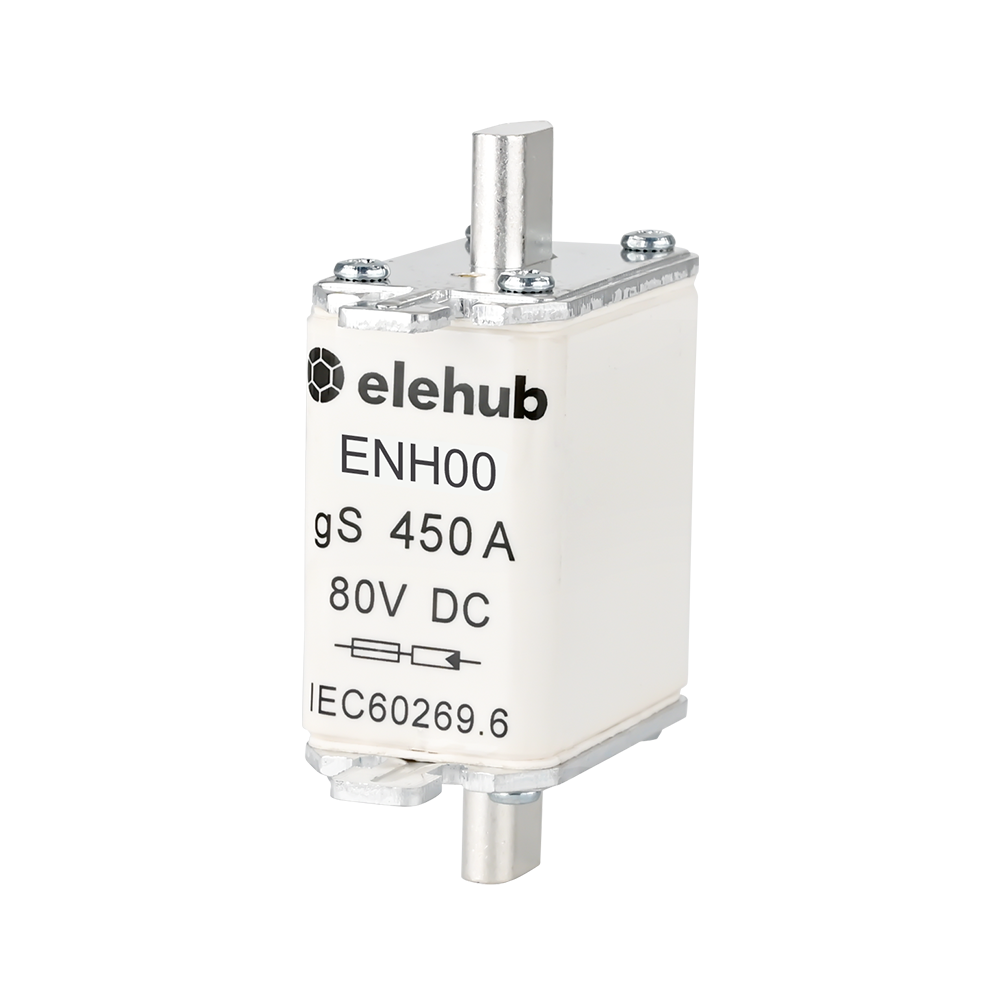
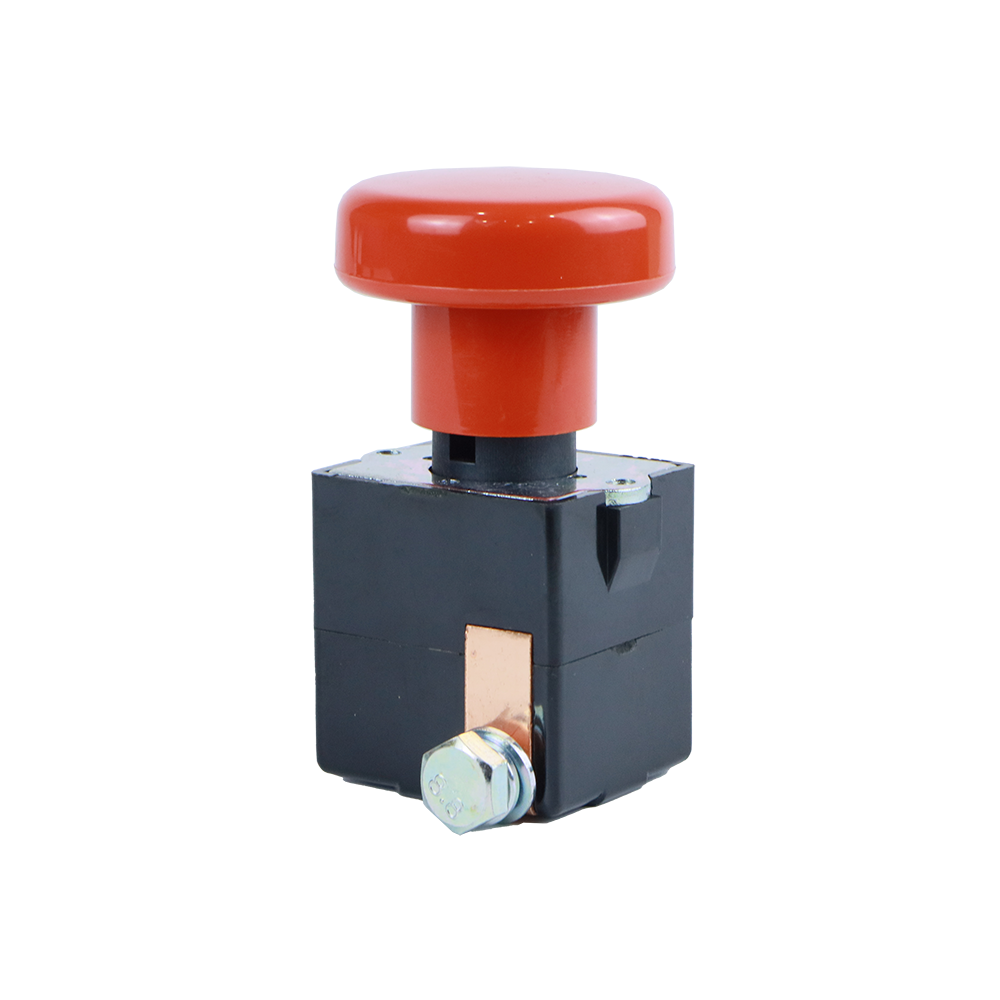
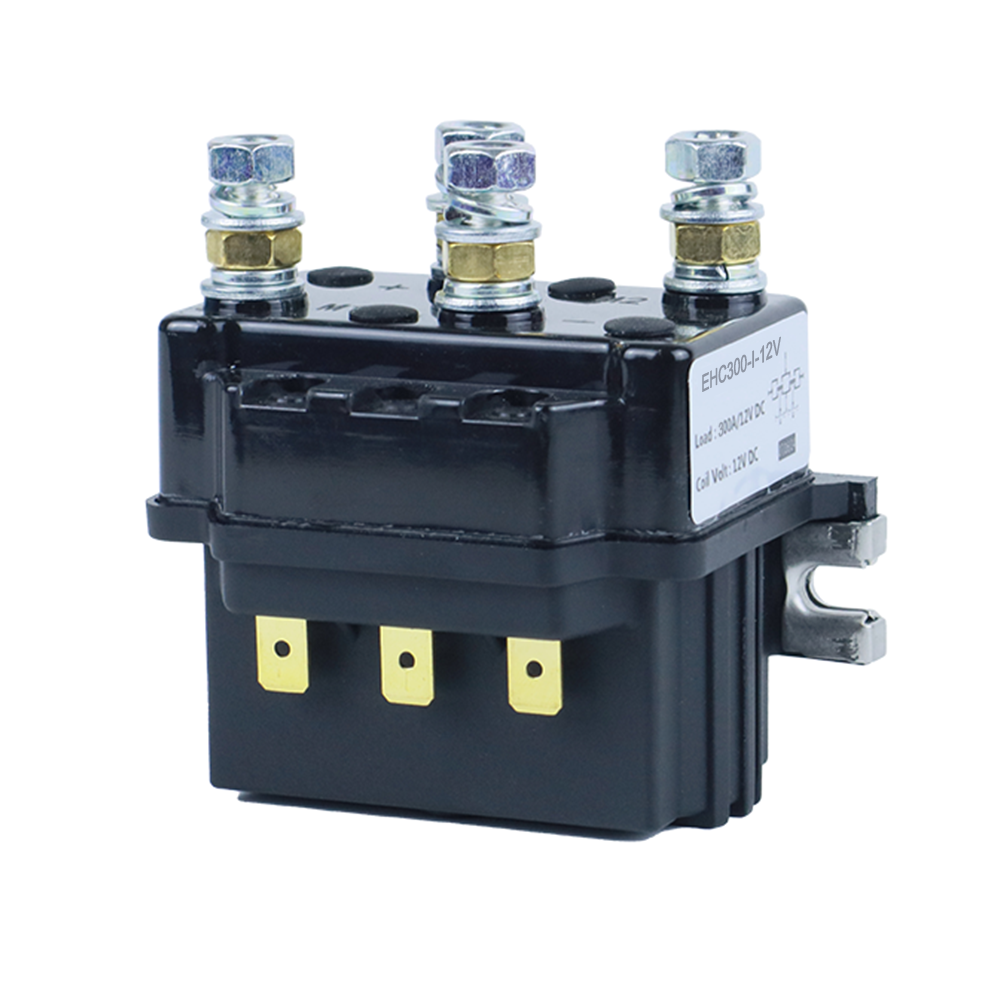
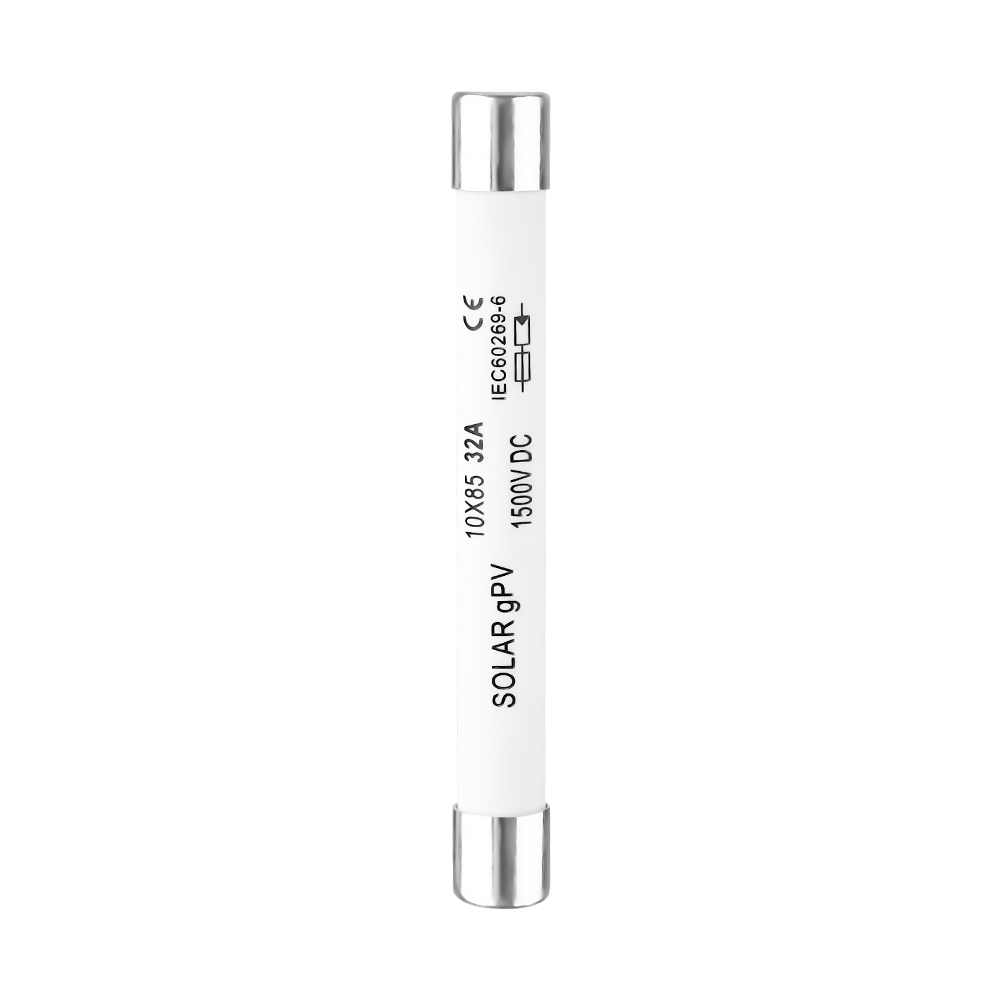
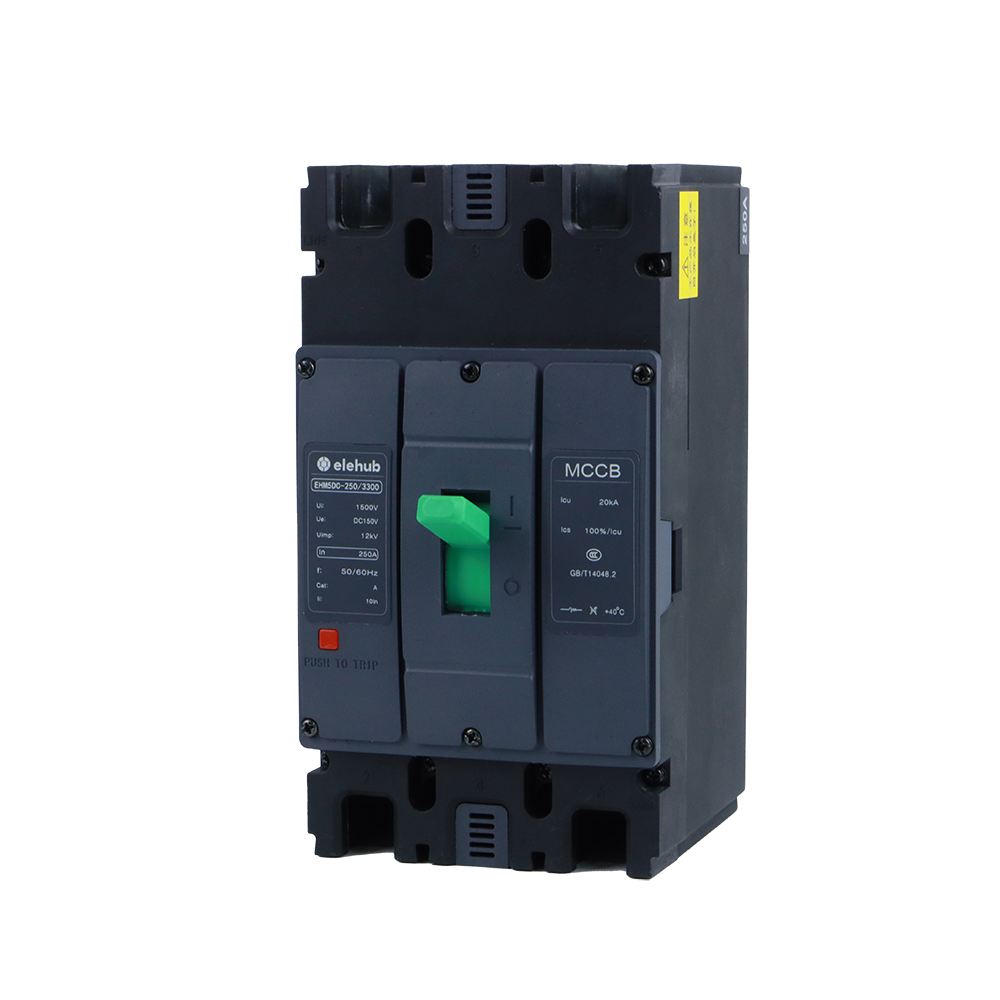
High-voltage contactors, also known as high-voltage relays, play a crucial role in electric vehicles (EVs) and hybrid electric vehicles (HEVs). These devices act as electromagnetic switches, consisting of a coil that generates a magnetic force to mechanically control the electrical contacts. In EV systems, a high voltage contactor for EV is a key component responsible for handling and isolating high-power circuits safely.
High-voltage contactors serve as safety and control elements within automotive systems. They perform essential functions such as shock resistance, high-voltage handling, and arc suppression during circuit operation.
For proper operation, these contactors require a specific coil current, typically driven by an integrated circuit (IC) like the DRV3946, which generates the electromagnetic force needed to open or close the contacts.
In this tutorial, we will explore the features, functions, and importance of high-voltage contactors in the automotive industry, highlighting their role in ensuring safety, efficiency, and reliability in modern electric vehicles.

High Voltage Contactor for EV
A high voltage contactor for EV is an electrical switch designed to control high voltage and current. It is often used in the form of a high-voltage DC contactor, also known as a DC EV relay.
These contactors are commonly found in electric vehicle (EV) charging stations, where they play a key role in transferring power from the energy source to the vehicle’s battery during charging.
The contactor operates by opening and closing the circuit — allowing current to flow during charging and stopping the current once the battery is fully charged. This ensures safe, efficient, and reliable power control throughout the charging process.

Working Principle of High Voltage Contactor for EV
Closed Circuit
When the coil is energized, a magnetic potential difference is generated within the electromagnetic mechanism of the contactor. This occurs across the air gap between the movable and fixed contacts. The resulting magnetic field forms north and south poles, creating an attractive force strong enough to overcome the return spring force.
This magnetic attraction pulls the movable contact toward the fixed contact, completing the circuit and allowing current to flow. A push-rod mechanism assists in ensuring the contacts connect firmly, maintaining a stable and efficient current path.
Open Circuit
When the coil is de-energized, the electromagnetic force between the contacts disappears. Consequently, the return spring pushes the movable contact back to its original position, separating it from the fixed contact.
This separation breaks the circuit, stopping current flow. During this process, the previously compressed spring releases its stored energy, ensuring the contacts return smoothly to their initial open state.
Construction of High Voltage Contactor for EV
Although the size of a high-voltage contactor or high-voltage DC contactor is relatively small, its internal configuration is quite complex.
The internal assembly consists of several main components: the armature, coil, contacts, and arc chamber. The coil is an insulated wire winding that functions as an electromagnetic element. When current flows through it, a magnetic field is generated, and this magnetic force controls the operation of the contactor.
The armature, made of soft magnetic material, moves under the influence of this magnetic field. The contacts are responsible for making or breaking the electrical connection—thus controlling the circuit’s opening and closing to regulate current flow.
The arc chamber acts as an arc extinguisher, dissipating the electrical arc that forms when the contacts separate. This protects the internal components from heat and potential damage, ensuring safe and reliable operation.
Technical Features of High Voltage Contactor for EV
Working Voltage and Current
For accurate and smooth operation, a high-voltage (HV) contactor requires a specific operating voltage. Typically, 12 V to 1500 V DC is used for high-voltage DC contactors. In electric vehicles (EVs), the required voltage range is usually 48 V to 800 V, making DC contactors well-suited to meet the voltage demands of EV systems.
The operating current of a contactor refers to the continuous current it can safely handle during operation. In EV and battery systems, this current generally ranges from 100 A to 600 A, while heavy-duty or industrial systems may require contactors that can manage over 1000 A.
Overload Features
A key technical feature of high-voltage contactors is their overload capacity—the ability to handle currents higher than their rated value without damage. During vehicle operation, situations such as acceleration or overtaking can cause short-term current surges. A contactor with strong overload capacity can safely manage these fluctuations, ensuring continuous vehicle performance and stable power delivery under varying driving conditions.
Contactor Shelf Life
The contactor’s shelf life, also known as electrical life, refers to the number of switching cycles a DC contactor can perform under various operating conditions. It indicates how many operations the contactor can complete without interrupting current flow at its rated voltage and current.
During switching, arcing occurs between contacts, which can lead to erosion and increased contact resistance, ultimately reducing the electrical life of the contactor. To extend service life, special materials are used in the arc chamber design to minimize wear and damage.
Before selecting a high voltage contactor for EV, it is important to consider its electrical life rating to ensure long-term performance and reliability.
Electrical Life Ratings for HV Contactors
| Features | Range | Uses |
| Rated Operating Voltage | 400V to 1000V DC | EVs, battery packs, renewable systems |
| Rated Current | 100A – 500A | Continuous current capacity |
| Electrical Life (Full Load) | 10,000 – 30,000 cycles | Under-rated voltage and current |
| Electrical Life (Partial Load) | Up to 100,000 cycles | At lower voltage/current |
| Mechanical Life | 0.5 to 1 million cycles | Without an electrical load |
Maximum Breaking Current Value
The maximum breaking current refers to the highest current value that a contactor can safely interrupt. This feature is crucial during fault conditions, such as short circuits, when the current can rise sharply and potentially damage the vehicle’s battery system.
During such faults, the DC contactor automatically operates to break the circuit, preventing any damage to the system. For example, if a contactor has a breaking current capacity of 1000 amperes, it will disconnect the circuit safely if the current rises to around 800 amperes during a short circuit.
If a contactor with an insufficient breaking current rating is used, it can lead to serious faults and damage to the vehicle’s electrical system.
High Voltage DC Contactor for EV at ELEHUB

| Type | Rated Voltage | Contact Type | Coil Voltage | Features | Applications |
| HVC200 (200A) | 1000VDC | SPST-NO | 9–36VDC | Auxiliary Contacts, Optional Economizer | It is used for demanding industrial systems since it has high performance and longer reliability |
| HVC250 (250A) | 1000VDC | SPST-NO | 12V, 24V, or 9–36VDC | Auxiliary Contacts, Economizer Functionality | EV chargers, electric vehicles, energy storage systems, and industrial DC applications. |
| HES500 (500A) | 1000V / 1500VDC | SPST-NO | 12V or 24VDC | Optional Auxiliary Contact | Part of Energy Storage Systems (ESS) and other high-voltage, high-current DC applications. |
| HEV250 (250A) | 450V / 750VDC | SPST-NO | 12V or 24VDC | / | Widely used in EVs, ESS, charging stations, renewable energy, industrial equipment, and marine or rail systems. |
Features of High Voltage Contactor for EV at ELEHUB
High Current Capacity
We provide high-voltage DC contactors with current ratings ranging from 40A to 500A, suitable for various load and power requirements.
High Voltage Handling
These DC contactors are designed to handle voltages up to 1500 VDC efficiently and safely.
Application-Specific Designs
Our high-voltage DC contactors are widely used in electric vehicles (EVs), energy storage systems, and other high-power DC applications.
Reliability
These contactors feature a high-quality design that ensures reliable performance even under harsh operating conditions.
Applications of High-Voltage Contactors and Relays

Main Contactor
Main contactors are part of the positive and negative lines of the traction battery. They connect and disconnect the traction battery from the entire electric drivetrain in the vehicle.
Pre-Charge Relay
A pre-charge relay works together with a pre-charge resistor to protect the main contactor from high inrush currents. It helps charge the filter capacitor of the power inverter to approximately 90–98% of the battery voltage.
ELEHUB’s HPC20 and HPC40 Precharge Contactors are engineered for high reliability and precise control, providing safe and efficient pre-charging solutions for electric vehicles.
Charger Contactor
The charger contactor connects the traction battery to the external charger when the vehicle is plugged into a charging station.
Auxiliary Contactors
Auxiliary contactors are used to operate HV battery-powered loads in the vehicle, such as electric heaters in electric cars, where no combustion engine heat is available.
Role of the DC Contactor in the Electric Drive System
An electric drive system includes several components, such as a high-voltage DC bus, traction battery, motor, and inverter. The DC contactor, which connects the battery and the inverter, performs several key functions:

Source: Alternative Fuels Data Center
Circuit Switching
The DC contactor regulates power flow between the battery and the drive motor system. It quickly closes or opens the circuit based on system requirements, controlling when power is delivered or stopped.
System Protection
In case of a fault, short circuit, or overcurrent, the DC contactor immediately disconnects the high-voltage circuit. This prevents electrical fires, battery over-discharge, and system damage.
Pre-Charge and Inrush Current Suppression
When the system powers on, the capacitor charges rapidly, which can cause high inrush current. The DC contactor, working with a pre-charge resistor, ensures a gradual voltage rise and protects sensitive components from damage.
Insulation and Safety
During maintenance, the DC contactor isolates the high-voltage battery from the rest of the drive circuit. This provides electrical safety for both the equipment and the technician.
Relay vs. Contactor
While both relays and contactors are electrically operated switches, they serve different purposes based on load capacity and application.
- Relay: Typically used for low-power control circuits. It switches smaller currents and is common in signal or control applications.
- Contactor: A high-power version of a relay, designed to handle larger currents and voltages. It is mainly used to control electric motors, battery systems, and other heavy electrical loads.
In summary, all contactors are relays, but not all relays are contactors — the key difference lies in their power-handling capability and intended use.
Electric Vehicle Contactor Market
According to Global Market Insights Inc., the global electric vehicle contactor market was valued at USD 237.4 million in 2024 and is projected to reach USD 469.6 million by 2034, expanding at a CAGR of 7.3% (2025–2034). This growth is driven by the accelerating adoption of electric vehicles, stricter emission standards, and the expansion of renewable energy infrastructure worldwide.
Government initiatives such as India’s FAME-II scheme, which allocated over USD 1 billion in 2024 to promote EV adoption, continue to boost demand for high-voltage DC contactors. These components play a vital role in safely managing power between batteries, inverters, and charging systems.
Technological advancements are reshaping the industry. Manufacturers are developing compact, high-efficiency DC contactors with arc suppression, solid-state switching, and smart monitoring capabilities to enhance safety, reliability, and energy efficiency.
Regionally, Asia Pacific leads the market, followed by North America and Europe, driven by growing EV production and strong government support. Key players include TE Connectivity, Schneider Electric, Siemens, Mitsubishi Electric, ABB, Eaton, and ELEHUB, all focusing on innovation and sustainability.
As global electrification accelerates, the electric vehicle DC contactor market will continue to play a crucial role in enabling safe, efficient, and intelligent EV power systems.
Conclusion
A high-voltage contactor for EVs is a crucial component in electric vehicles. It operates based on electromagnetic induction, where energizing the coil generates a magnetic field that moves the armature, opening or closing the contacts to control current flow.
To ensure safety and extend service life, modern contactors include arc suppression mechanisms that minimize damage during switching. This makes them essential for the reliable operation and protection of an EV’s power system.
Related Articles
DC Contactors Explained: Everything You Need to Know
Differences between Low-Voltage and High-Voltage Contactors
Top 10 High Voltage Contactor Manufacturers & Suppliers for 2026